


1930s Art Deco Mirror
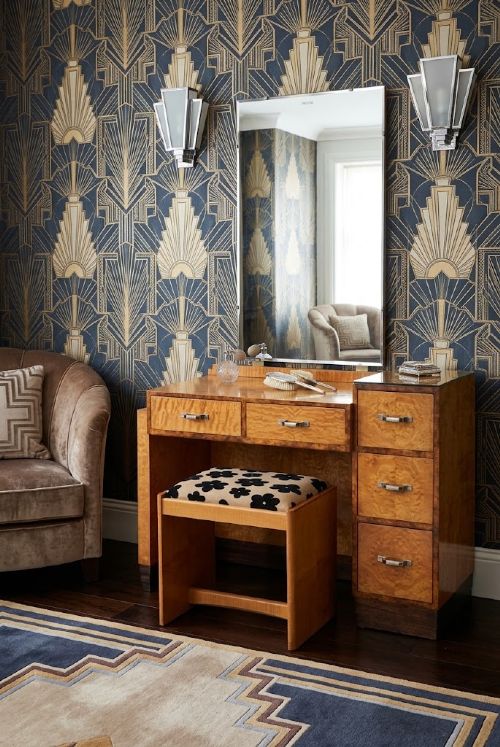
These 1930s art deco mirror pieces bring geometric confidence and reflected light to a room through period craftsmanship.
1930s Art Deco Mirror
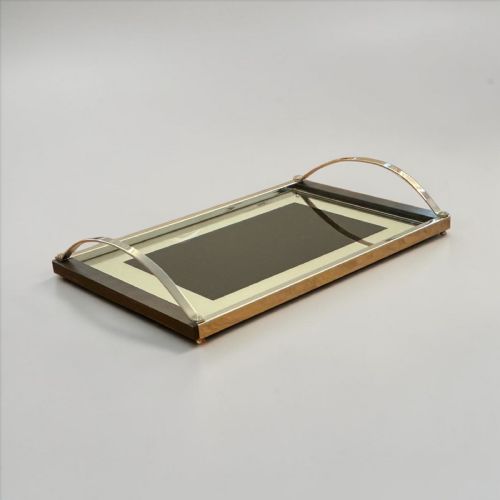
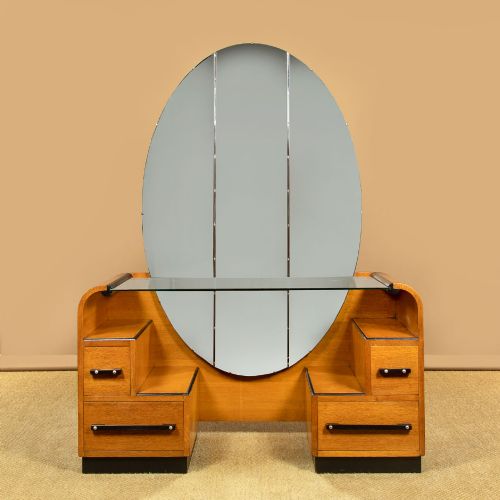
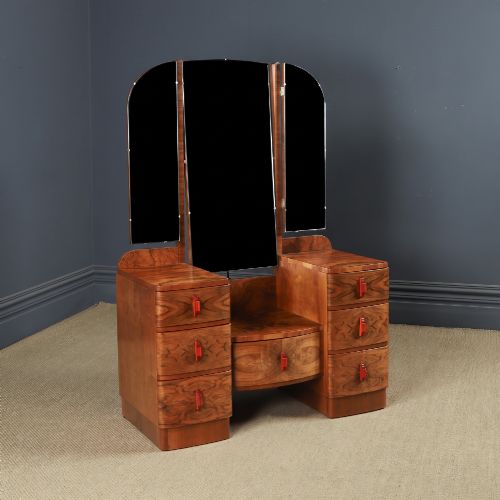
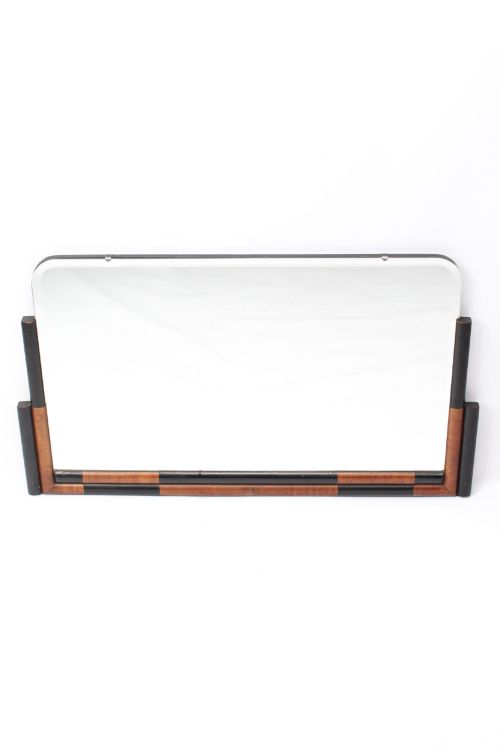
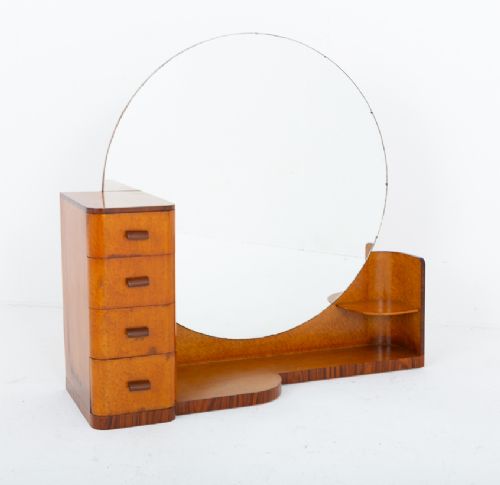
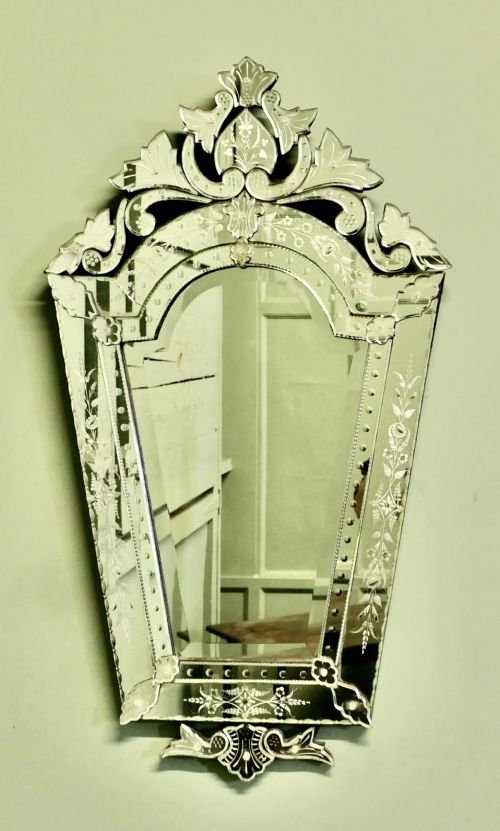
A 1930s art deco mirror search reveals wall-hanging designs, dressing table attachments, and specialised items like mirror clocks, trays, and compacts. The domestic pieces span simple geometric shapes to elaborate etched or tinted glass assemblies.
Originating predominantly from British, French, and American workshops, these pieces incorporate styles ranging from French Art Deco to Swedish Grace. Wall mirrors and dressing table variants appear most frequently alongside occasional furniture incorporating mirrored surfaces.
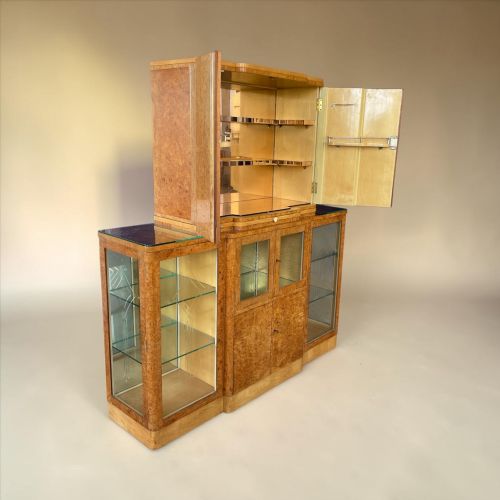
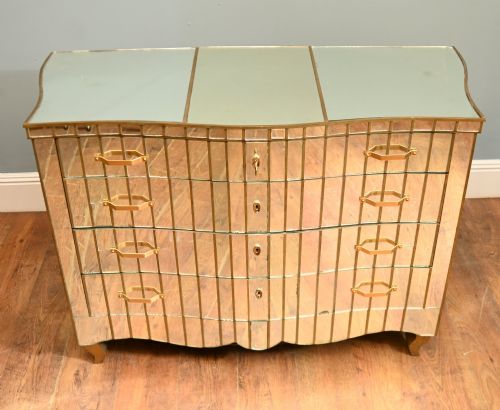
The objects bridge functional domestic items and decorative statements, often integrating metal frames, wooden veneers, or coloured glass panels into the overall composition. Collectors encounter everything from large overmantle pieces to miniature handheld accessories.
Evaluating quality and execution
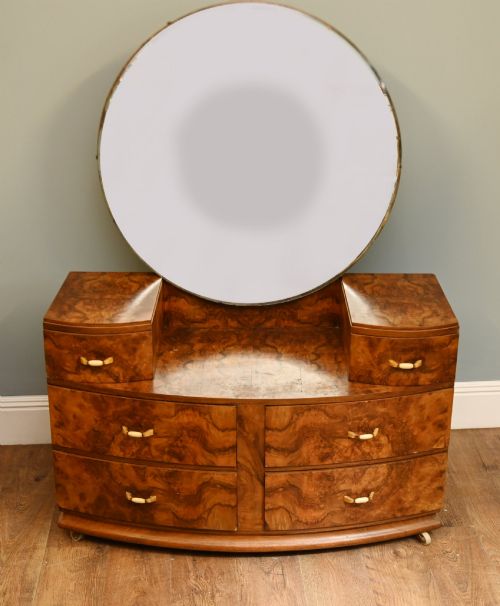
Quality rests on the ambition of the design and the precision of the materials used, distinguishing standard production from exceptional studio output. Pieces attributed to notable makers demonstrate superior timber selection, such as figured and burr walnut or bird's-eye maple.
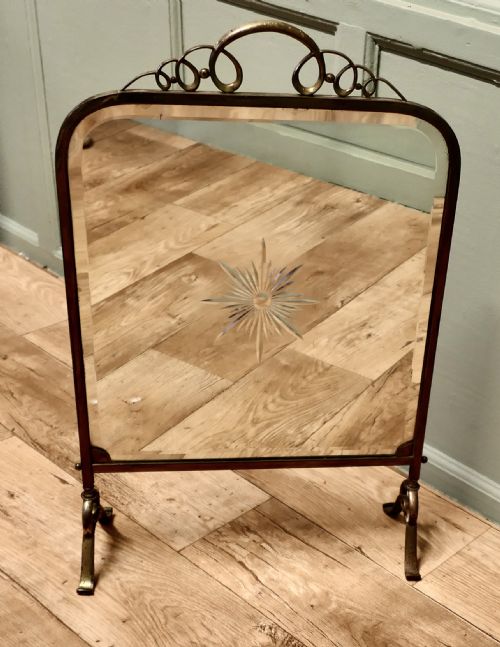
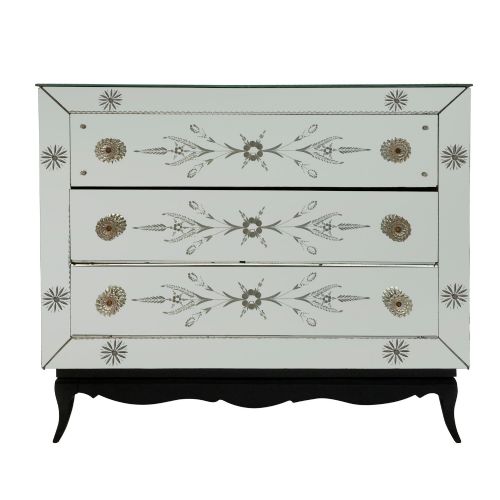
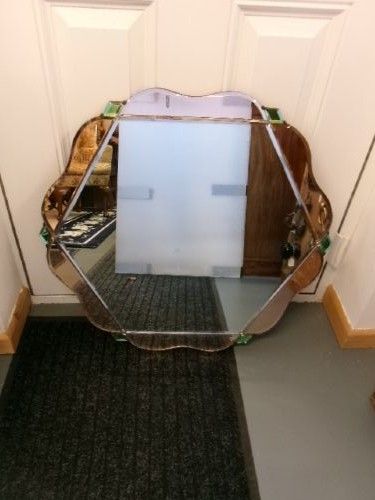
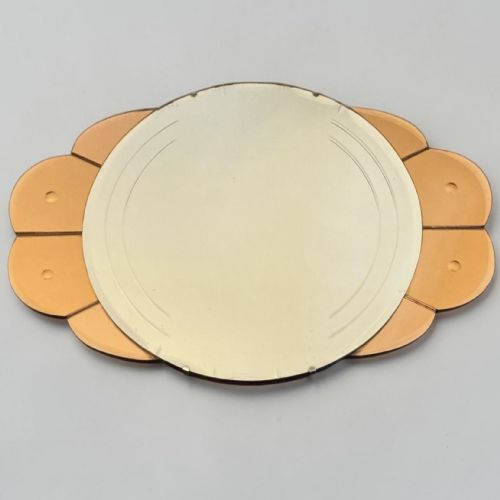
The sophistication of the glasswork dictates the upper tier of the range, seen in complex peach or green tinted panels, detailed etching, and multi-layered bevels. Structural integration of metal and wood without awkward joints marks superior manufacturing standards.
1930s Art Deco Mirror Retail Price Guide 2026
Typical asking prices for 1930s art deco mirror among the pieces listed under this phrase on Sellingantiques today, from the lower quarter to the upper quarter. They describe what is for sale here now, not the wider market.
One extraordinary mirror doubles as a vending machine, proving the era combined vanity with automated convenience.
Heals·Henry Williamson·Maurice Adams·Smiths Clock Company·Harry and Lou Epstein
The 1930s Art Deco Mirror Glossary
- Bevel
- An edge ground and polished to an angle other than ninety degrees. This technique creates a decorative border that refracts light.
- Guilloche
- A decorative engraving technique producing precise, repeating wavy bands or patterns. It frequently appears beneath translucent enamel on metal accessories.
- Overmantle
- A large mirror designed to hang directly above a fireplace mantel. These pieces often span significant wall space to reflect light around the room.
- Spelter
- A zinc alloy used as a substitute for bronze to cast sculptural figures and decorative mounts. It was commonly painted or electroplated to resemble other metals.
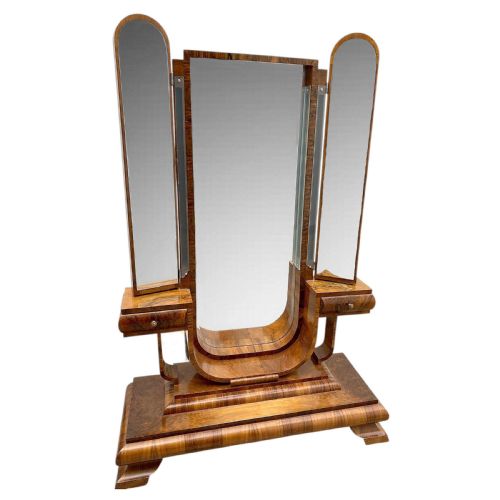
- Cheval mirror
- A freestanding full-length mirror mounted in a frame that allows it to tilt. These swing between vertical supports on a stable base.
1930s Art Deco Mirror: Frequently Asked Questions
How do I clean an antique mirror?
Wipe surfaces gently with a soft microfibre cloth slightly dampened with distilled water. Avoid harsh chemical cleaners that can damage vintage silvering and wooden frames.
Dry the glass thoroughly afterwards to prevent moisture seeping behind the edges of the plate.
Where should I hang an overmantle mirror?
Position the piece centrally above the fireplace at a height that balances the proportions of the mantel and ceiling. Ensure wall fixings are rated to support the considerable weight of heavy glass and wooden frames.
Keep the surrounding wall space clear so the reflective surface can open up the room visually.
What defines French Art Deco style?
French pieces often emphasise luxurious materials, exotic wood veneers, and sophisticated glass etching. The aesthetic leans toward theatrical elegance and refined craftsmanship.
These designs frequently incorporate subtle curves alongside strict geometric frameworks.
Are mirror clocks mechanical?
Many period examples feature mechanical eight-day movements that require manual winding. Clock faces are integrated directly into the mirrored glass surface.
Care should be taken when maintaining the internal mechanisms to preserve original components.