
Vintage Bevelled Glass Mirror
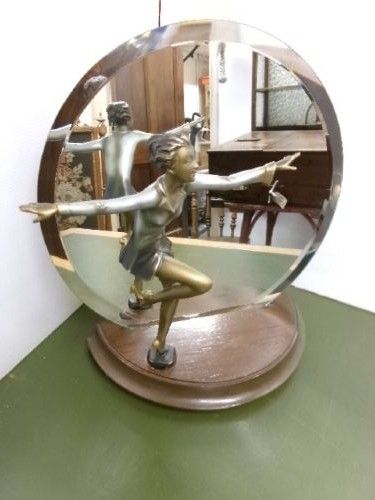
A vintage bevelled glass mirror brings period character and reflected light to a room, ranging from Edwardian oak to Art Deco glass.
Vintage Bevelled Glass Mirror
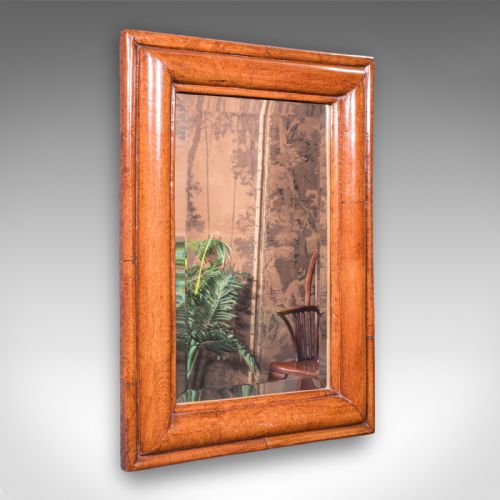
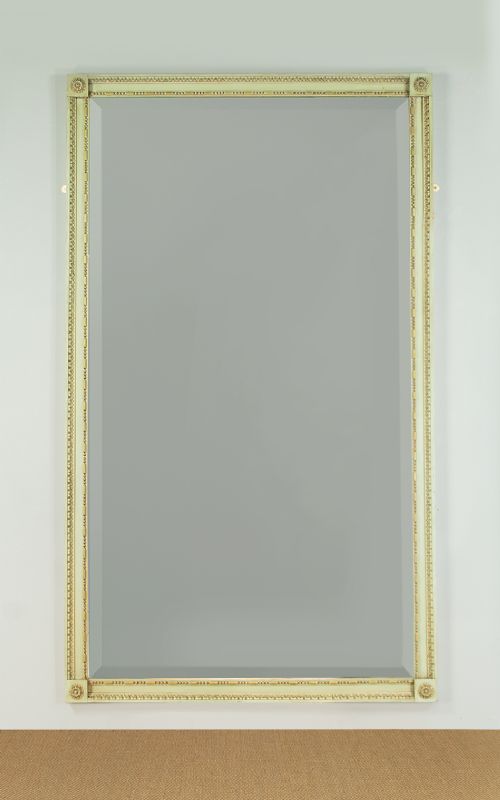
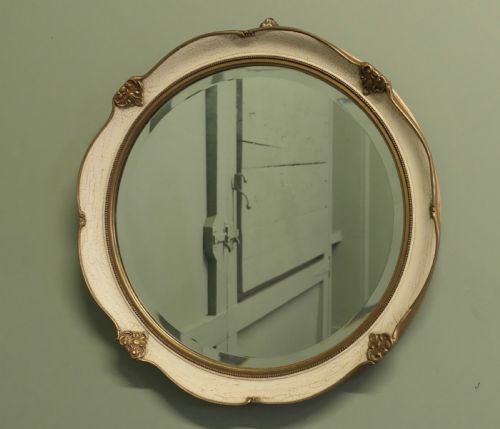
A vintage bevelled glass mirror serves as both a practical looking glass and a decorative focal point for an interior. When searching for a vintage bevelled glass mirror, buyers encounter a diverse selection of wall mirrors, dressing table pieces, and overmantle designs originating from the late nineteenth century through to the art deco decades of the twentieth century.
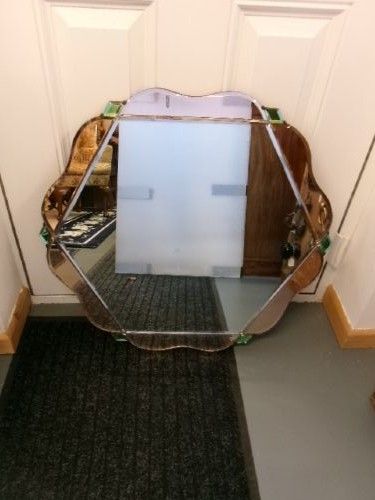
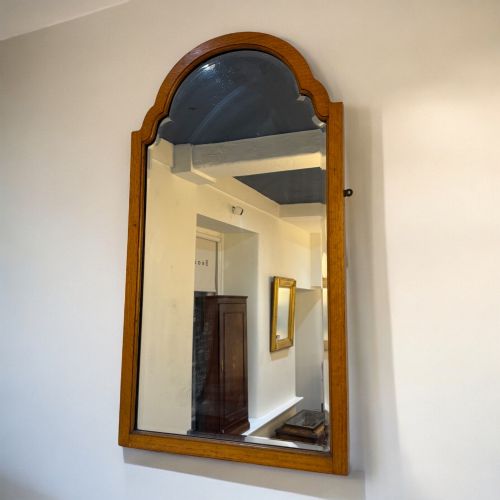
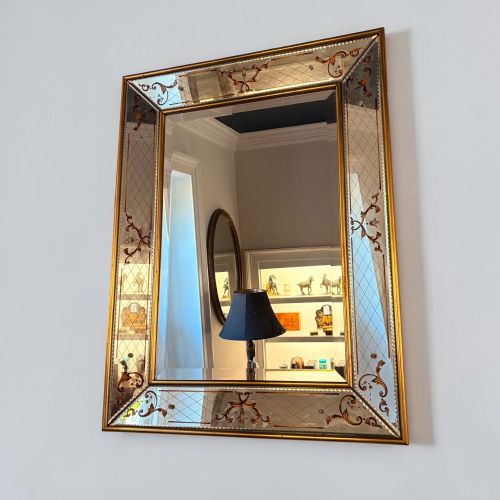
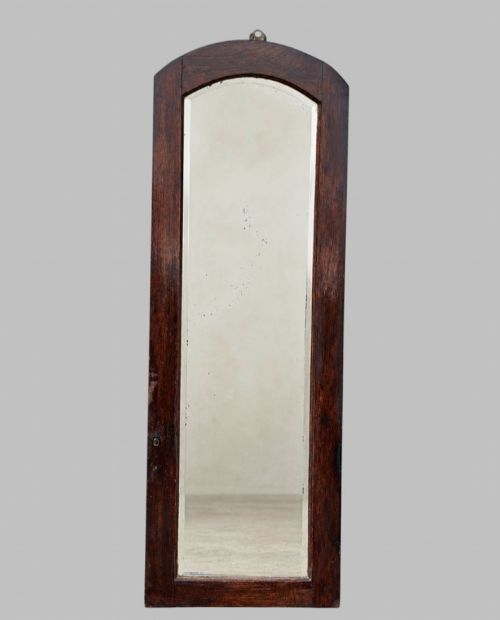
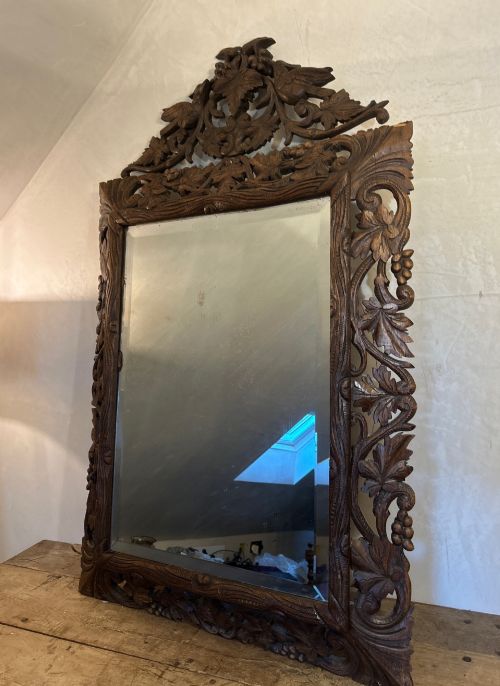
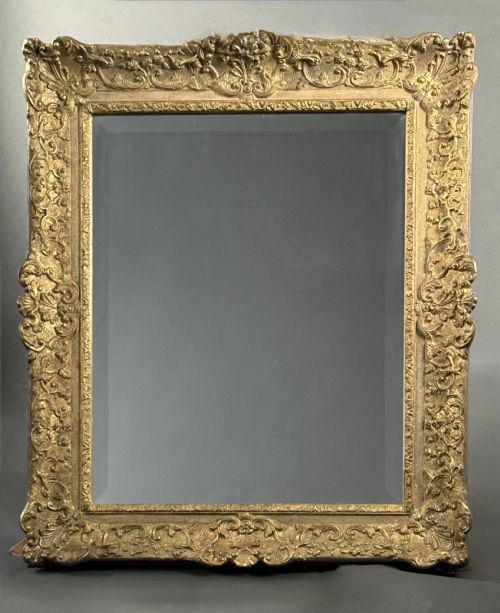
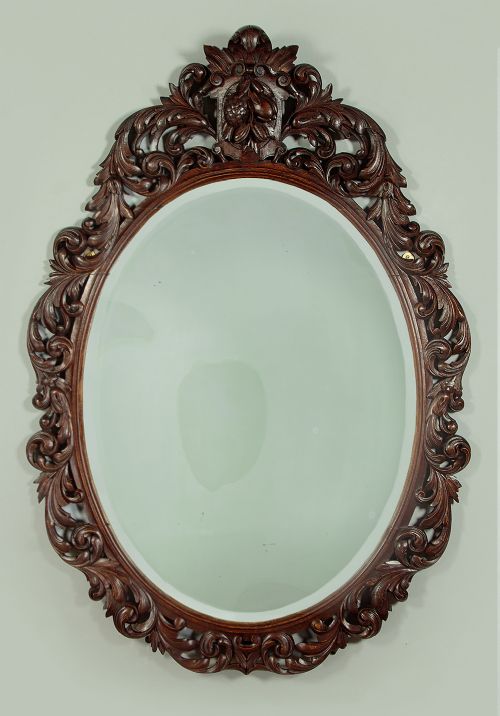
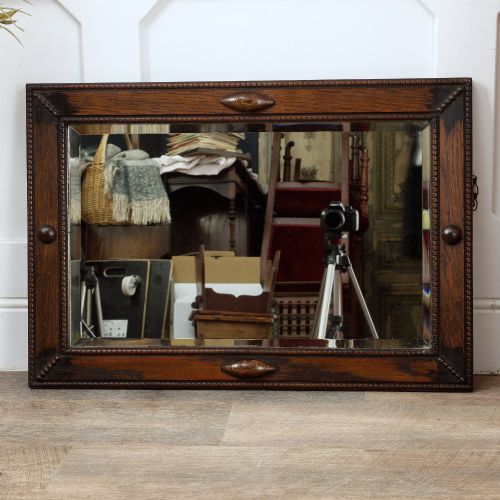
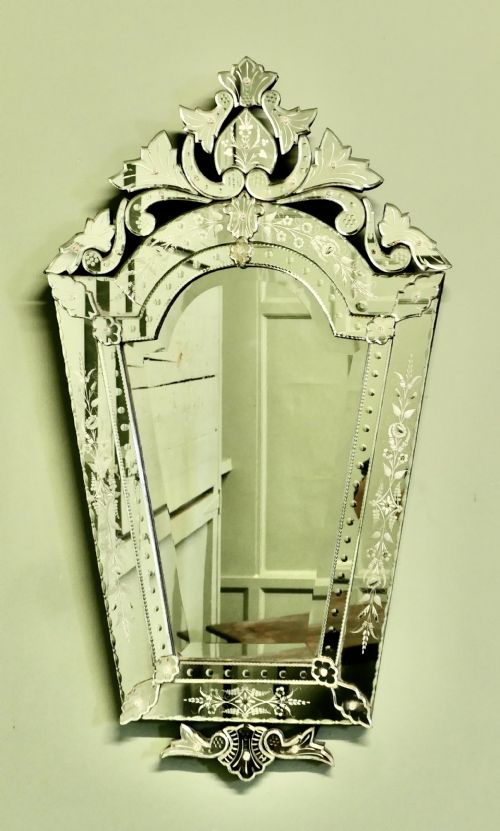
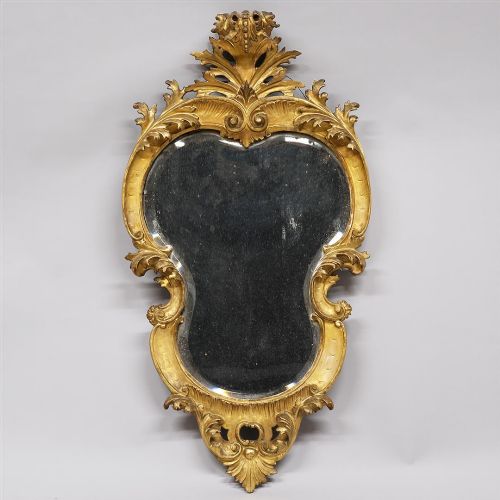
The pieces appearing most frequently on this page span the Edwardian period and the 1920s, constructed predominantly in oak, walnut, giltwood, and brass. Forms range from simple arch-topped wall mirrors to ornate Venetian glass plates and carved frames reflecting revivalist styles like the rococo and french renaissance.
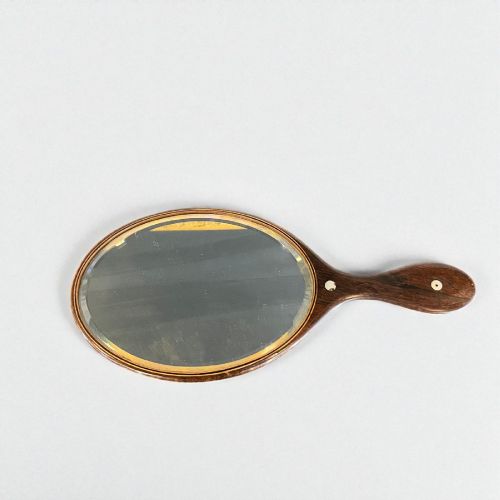
Beyond standard wall hangings, the selection includes specialised items such as vanity mirrors, fireplace screens, and serving trays incorporating bevelled glass plates. These domestic objects demonstrate how edge-beveling techniques were applied across various household accessories during the late Victorian and interwar periods.
Materials and construction
Makers utilised traditional cabinetmaking timbers including oak, mahogany, walnut, and rosewood to construct sturdy frames for heavy glass plates. Gilt gesso was frequently applied over wooden substrates to create deeply carved decorative mouldings in revivalist styles.
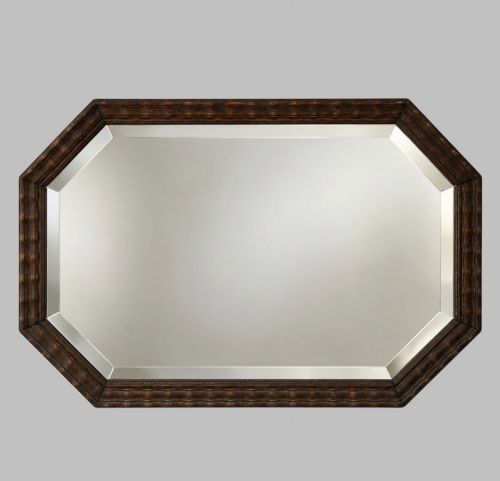
Glass plates were hand-bevelled at the edges to produce a sloping border that caught and refracted light before silvering was applied to the reverse. Frames were assembled using period joinery methods, often accompanied by original brass or metal fittings on the back for wall mounting.
Listings feature oak, walnut, mahogany, and rosewood frames alongside brass and gilt gesso constructions spanning the nineteenth and twentieth centuries.
Distinctions in quality
Quality in these mirrors rests upon the depth and clarity of the carved detail within the frame, whether in solid oak, mahogany, or applied gilt gesso. Finer examples display crisp, hand-carved ornamentation or intricate marquetry rather than cast resin or simplified mouldings.
The condition and execution of the glass plate itself determine the upper tier of pieces, where bevels are wide, uniform, and free from excessive foxing or clouding in the silvering. Original backing boards, brass hanging loops, and intact framing joints further distinguish superior examples from standard production.
Waring and Gillow
The Vintage Bevelled Glass Mirror Glossary
- Bevelling
- The process of grinding and polishing the outer edges of a glass plate to an angled slope, creating a decorative framed effect.
- Gesso
- A plaster-like mixture applied to wood frames and carved or moulded into ornate decorative patterns before gilding.
- Overmantle
- A large mirror designed specifically to be hung on the wall immediately above a fireplace mantelpiece.
- Foxing
- The natural age-related spotting or brownish discoloration that occurs within the silver backing of older mirrors.
- Marquetry
- The art of applying decorative pieces of veneered wood to a structural surface to form intricate patterns.
Vintage Bevelled Glass Mirror: Frequently Asked Questions
How do I date a mirror?
Dating relies on combining the timber species, framing style, and the manufacturing technique of the glass plate itself. Earlier pieces often display hand-beveled edges combined with heavy oak or gilt gesso frames typical of Victorian and Edwardian production.
Later interwar pieces lean towards geometric art deco lines, sometimes featuring etched motifs or coloured glass panels. Examining the original backing boards and fixings also provides reliable clues to the decade of manufacture.
Are these mirrors heavy to hang?
Many pieces possess substantial weight due to thick timber frames and heavy glass plates used in the nineteenth and early twentieth centuries. Solid oak and giltwood constructions require sturdy wall fixings secured directly into studs or masonry.
Checking the original hardware on the reverse indicates how the maker intended the object to bear its own load safely. Professional mirror hangers often recommend using split battens or heavy-duty D-rings for larger wall-mounted items.
How should I clean the glass?
Cleaning requires a soft microfiber cloth and a mild, ammonia-free glass cleaner sprayed onto the cloth rather than directly onto the surface. This prevents moisture from seeping behind the frame and damaging the aged silver backing.
Special care must be taken around the bevelled edges and any foxed areas where the original silvering has thinned over the decades. Harsh chemical sprays or abrasive pads will permanently scratch both the glass and the surrounding wooden or gilt frame.
What is foxing on a mirror?
Foxing refers to the small spots, dots, or cloud-like patches that develop in the reflective silver coating behind the glass over many decades. Moisture and atmospheric exposure gradually break down the metallic layers, creating this distinctive aged appearance.
Many collectors view light foxing as a desirable sign of authenticity and age rather than a fault. It proves the glass plate is genuinely antique rather than a modern replacement.