




Shaped Top Mirror
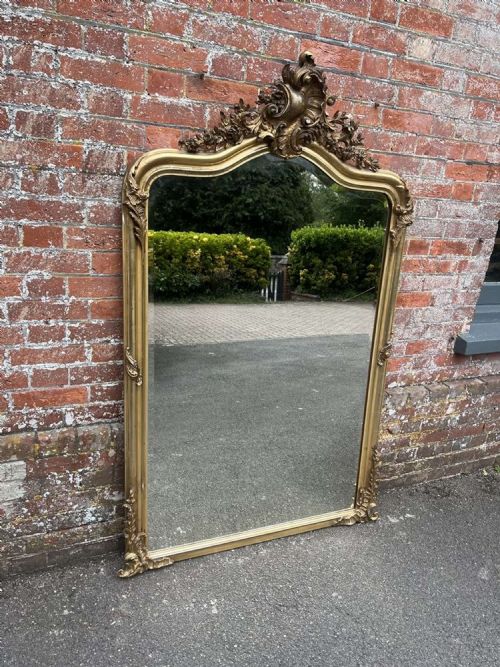
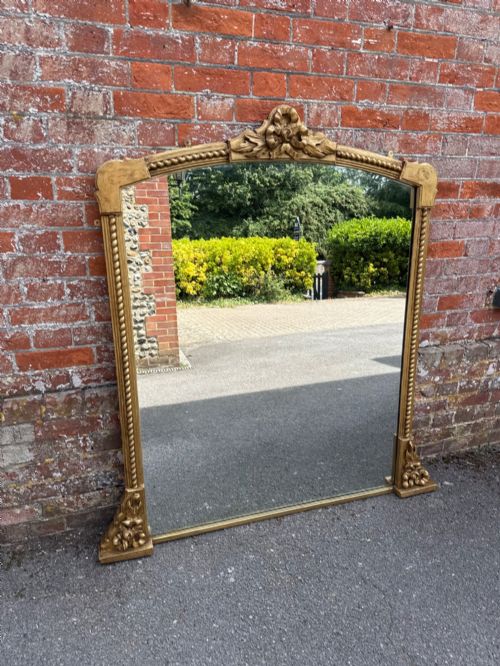
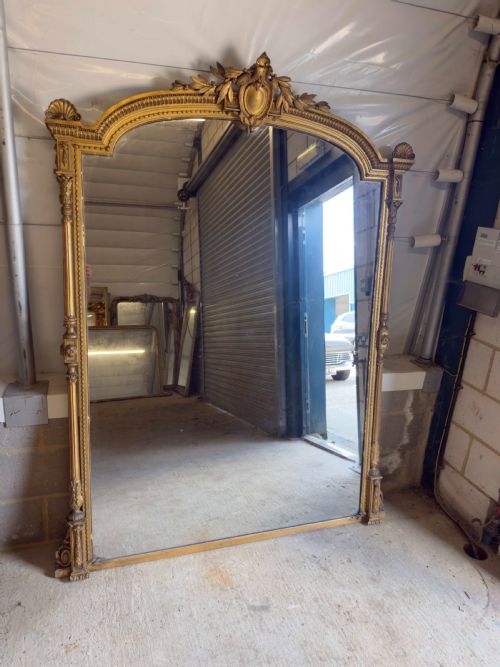
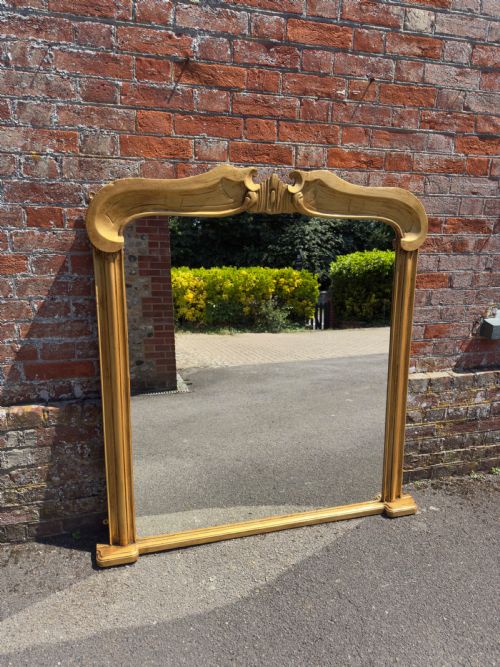
A shaped top mirror brings curved architectural presence and reflected light to period interiors through grand nineteenth-century frames.
Shaped Top Mirror
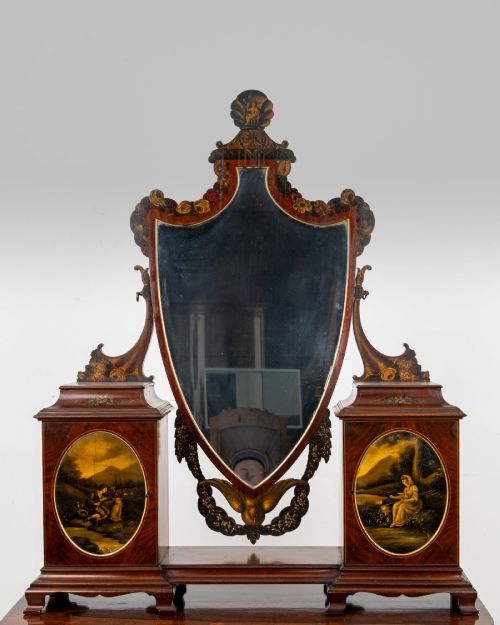
Beyond wall-hanging pieces, the category extends to functional forms including dressing table mirrors, cheval mirrors, and occasional sideboard attachments from the Edwardian and later periods. These variations offer the same characteristic upper contour scaled for domestic dressing rooms and chambers.
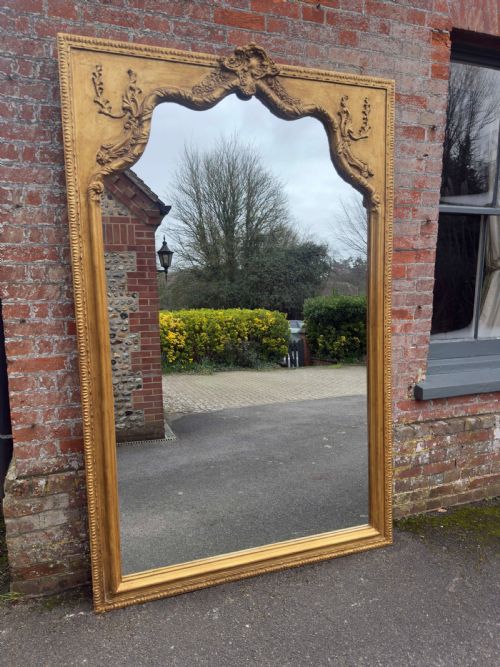
Originating largely from English workshops and French chateaux, these pieces reflect regional decorative tastes ranging from restrained painted finishes to ornate gilded rococo revival carving. Buyers encounter both robust architectural overmantels and delicate pier mirrors tailored to specific interior spaces.
How They Were Made
Traditional construction relies on carved wood frames built from timber such as mahogany, walnut, or pine, which provide structural integrity for the heavy glass. Artisans shaped these wooden substrates by hand to achieve the signature undulating upper contours.
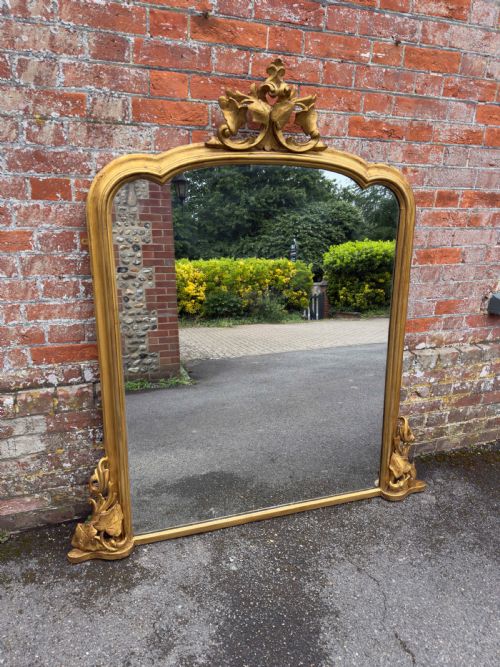
Surfaces were frequently built up with layers of gesso before receiving applications of gold leaf, silver, or paint. This plaster-like ground allowed craftsmen to carve intricate relief details, beading, and floral motifs with sharp definition prior to gilding or painting.
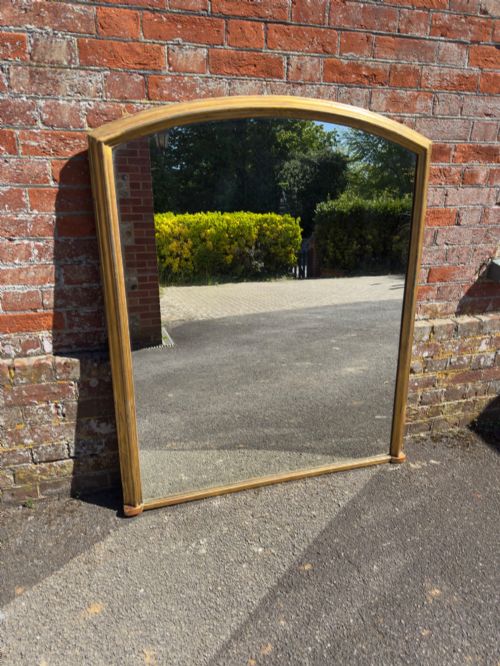
Original mirror glass was set directly into the prepared rabbet, secured with backing boards, and sometimes enhanced with bevelled edges or decorative framing elements like ribbed columns and rope twists.
What Varies in Quality
The crispness and depth of the carved wood and gesso ornamentation separate standard decorative frames from superior examples. Master carvers achieved fluid, dimensional relief work on floral scrolls and crestings that remained sharp through the application of multiple preparation layers.
The integrity of the surface finish dictates the visual impact, with original gold leaf and authentic period paint retaining a softer, warmer lustre than later overpainting or poor re-gilding. Preservation of the original mirror plate, complete with subtle foxing or ageing, contributes to authenticity.
Structural robustness in large overmantel formats depends upon sturdy corner joinery and sound timber frames capable of supporting substantial weight without sagging or straining the upper shaped arch.
The Shaped Top Mirror Glossary
- Gesso
- A plaster mixture applied to wood frames to create a smooth, mouldable surface for carving and gilding. This traditional ground layer allowed artisans to achieve sharp relief details before laying gold leaf.
- Giltwood
- Timber that has been coated with thin sheets of gold leaf over a prepared base. It provides a luminous metallic finish characteristic of formal nineteenth-century salon pieces.
- Overmantel Mirror
- A large mirror specifically designed to hang on the wall directly above a fireplace mantel. These horizontal or tall formats frequently incorporate shaped tops to echo architectural chimney breasts.
- Cheval Mirror
- A freestanding, full-length dressing mirror mounted on a pivoted frame between vertical uprights. The glass swings to adjust the viewing angle for the user.
- Pier Mirror
- A tall, narrow mirror traditionally hung on the wall space between two windows. They often feature elaborate crests and sit above small console tables.
Shaped Top Mirror: Frequently Asked Questions
Where should I hang a large overmantel mirror?
These mirrors traditionally anchor the room above a fireplace mantel, where their height draws the eye upward and reflects light across the space. Ensure the wall structure securely supports the substantial weight of carved wood and glass.
Positioning the piece opposite a window maximises natural light distribution. Keep the lower frame resting firmly on or close to the mantel shelf for visual stability.
How do I distinguish French and English nineteenth-century styles?
French examples often lean towards softer painted finishes and ornate rococo curves, reflecting provincial chateau aesthetics. English pieces frequently emphasise robust carved wood and gesso with architectural gilt frames.
Detailing such as laurel leaf carvings, ribbed columns, or rope twists helps identify the specific regional workshop traditions. Examining the secondary timbers on the reverse can confirm the origin further.
What is the difference between a cheval mirror and a dressing table mirror?
A cheval mirror is a tall, freestanding glass mounted on a pivoting frame that allows full-length viewing. They stand independently on the floor supported by four feet or trestle bases.
Dressing table mirrors are smaller, benchtop accessories designed to sit upon furniture surfaces. Many include integrated miniature drawers or jewellery compartments beneath the glass.
How should I clean and maintain an antique gilded frame?
Dust the carved gesso and gold leaf surfaces gently with a soft, dry brush to prevent accumulation. Avoid commercial liquid cleaners or moisture, which can lift delicate water-gilt finishes.
Keep antique mirrors away from direct sunlight and damp environments to protect the original wood substrate and backing boards. Professional conservators should handle any structural repairs to chipped gesso.