
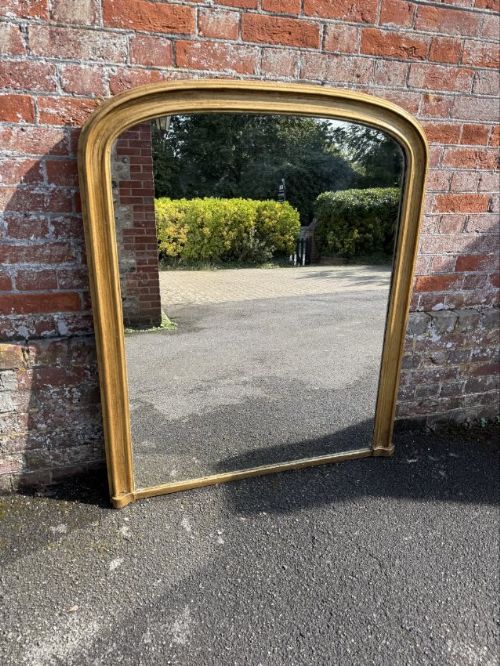
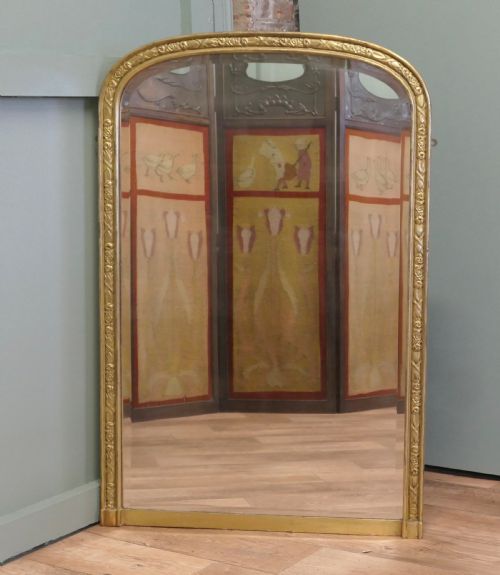
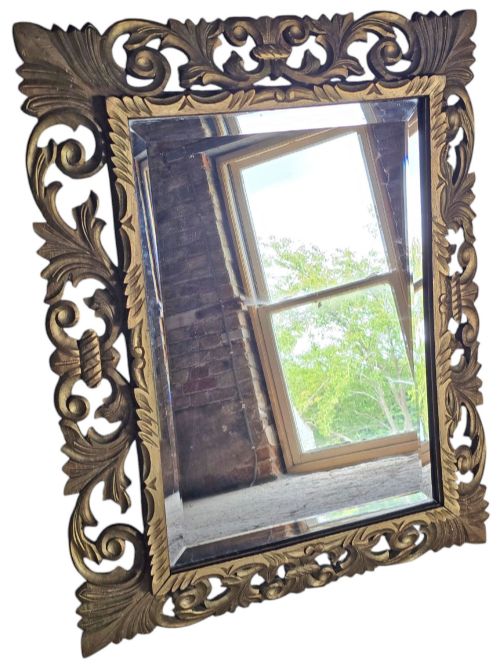
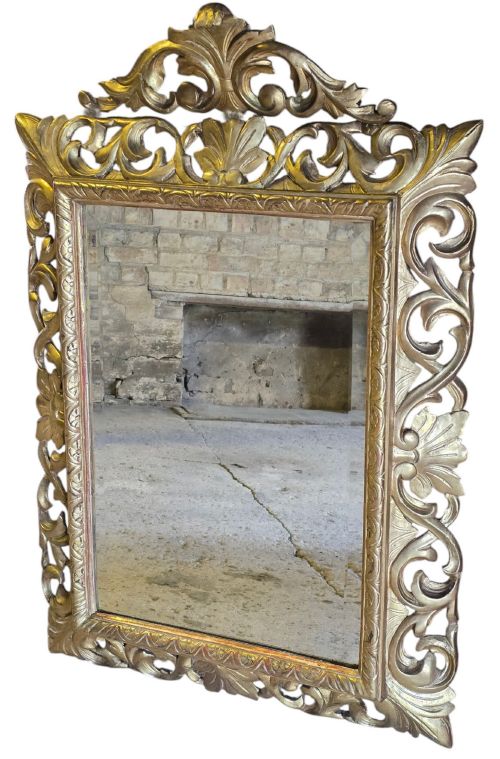
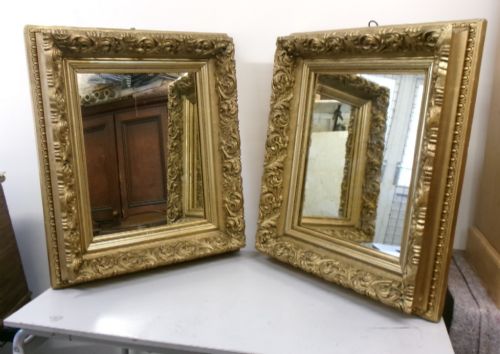

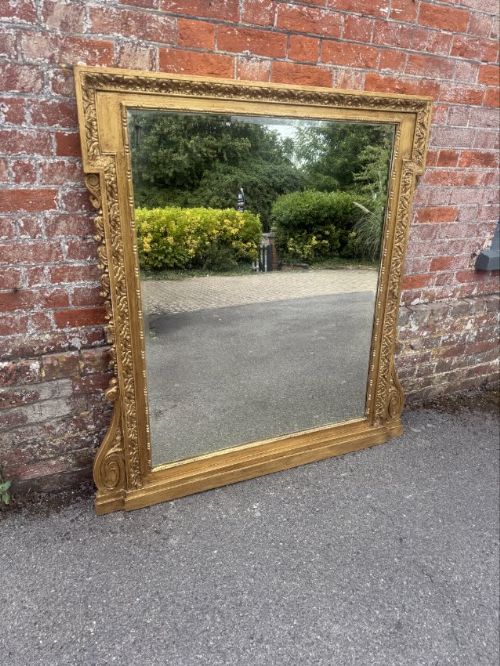
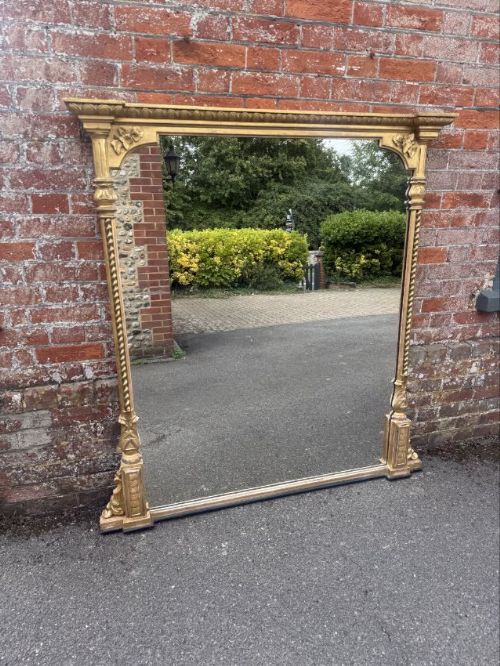
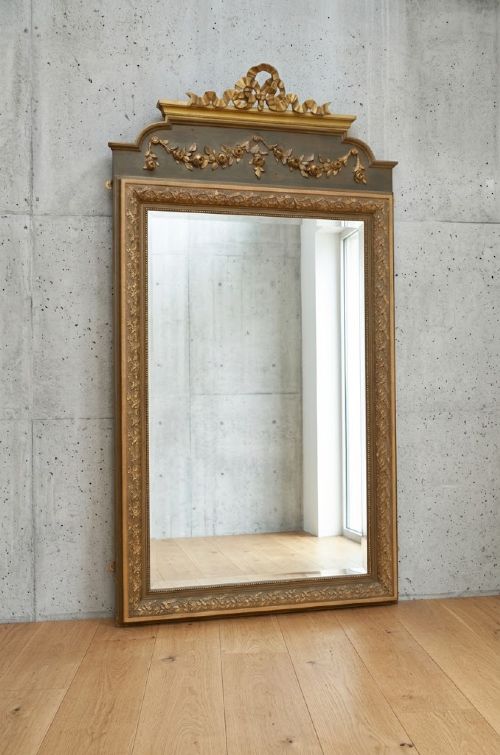
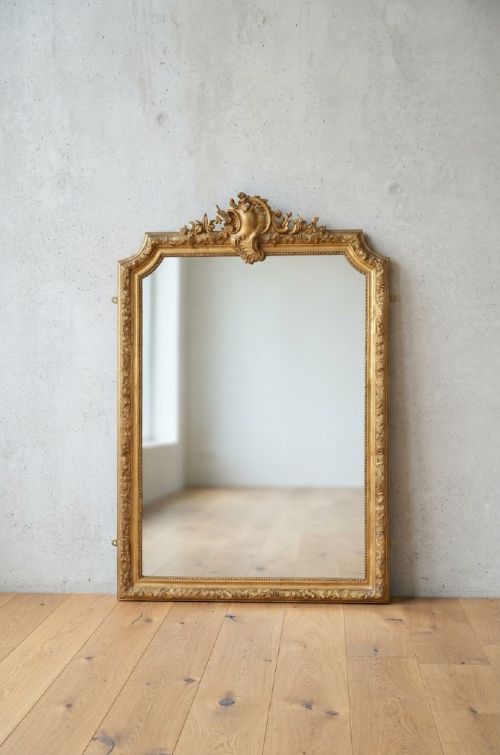
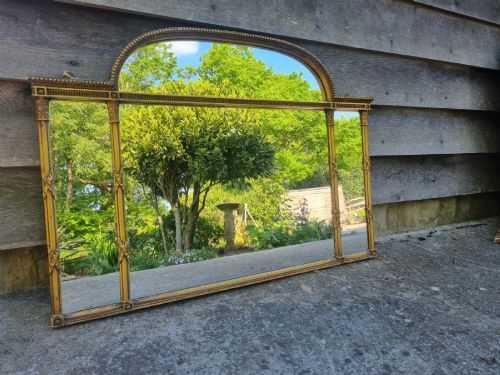
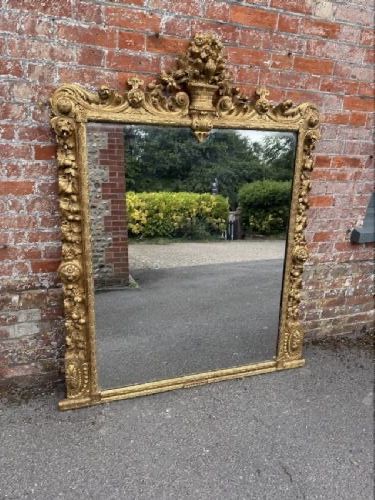
Large Gilt Framed Mirror
A large gilt framed mirror anchors a room with reflected light and carved presence, drawing the eye through centuries of decorative tradition.
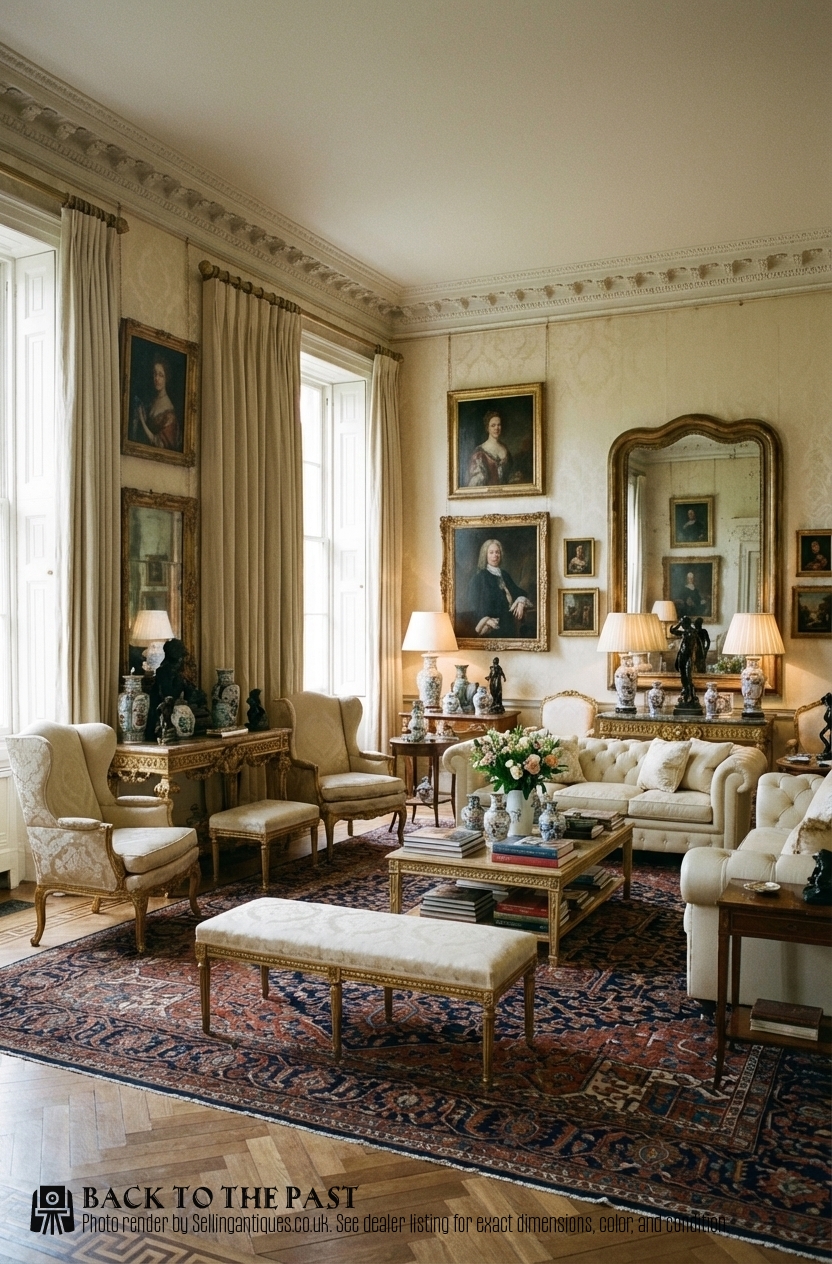
Large Gilt Framed Mirror
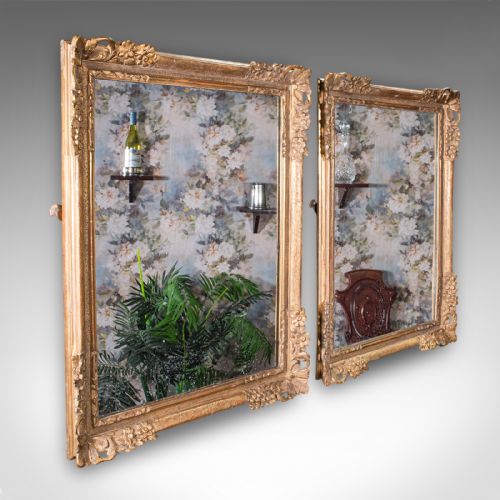
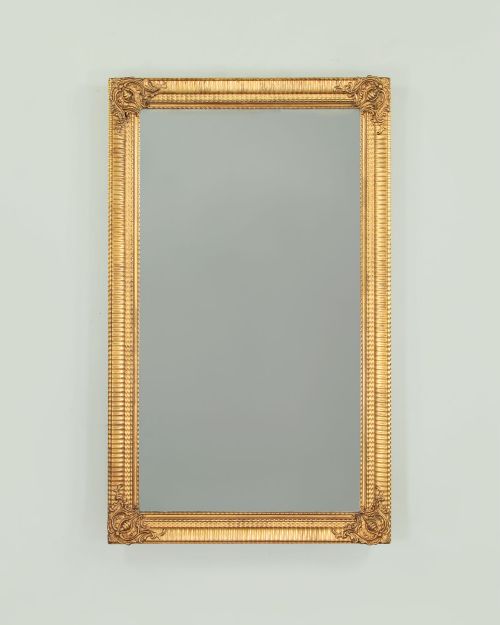
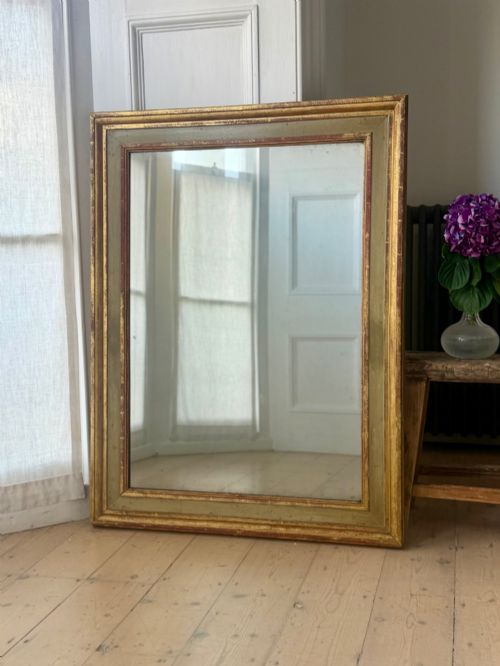
A large gilt framed mirror serves as a dominant focal point in domestic interiors, frequently hung above fireplaces or along principal walls. These pieces originate primarily from the nineteenth century, encompassing Victorian, Regency, and French Louis Philippe designs.
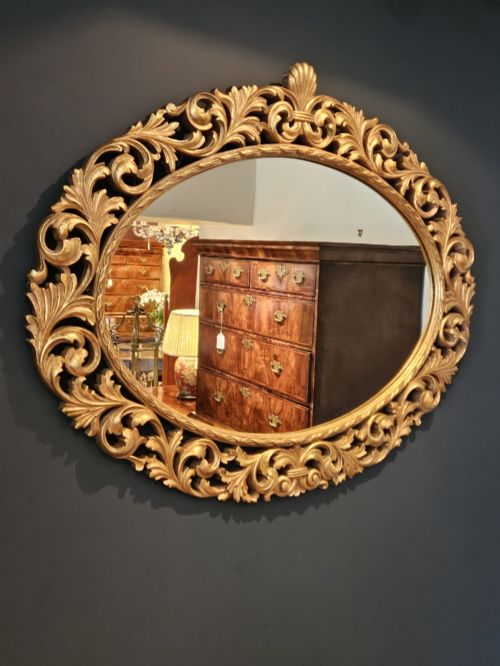
Buyers encounter heavy timber frames finished with gold leaf, composition ornamentation, and painted elements. Many pieces exhibit distinct decorative motifs including rope twist borders, column framing, and ornate crestings.
How They Were Made
Craftsmen built the underlying structure from solid timber, such as pine or hardwood, shaping the arched and rectangular profiles by hand. Carved wooden details were combined with moulded composition applied over gesso layers to achieve intricate relief work.
The decorative surfaces received gold leaf, silver gilt, or liquid gilding, sometimes paired with olive green, black, or parcel painted highlights. Original glass plates, including mercury glass variants, were secured within the rebate behind protective backing boards.
Large Gilt Framed Mirror Retail Price Guide 2026
Typical asking prices for large gilt framed mirror among the pieces listed under this phrase on Sellingantiques today, from the lower quarter to the upper quarter. They describe what is for sale here now, not the wider market.
Materials recorded across the inventory include giltwood, gesso, mercury glass, composition, and painted wood.
What Varies in Quality
The depth and crispness of the wood carving distinguish superior examples from simpler moulded production. Hand-carved details and layered gesso relief demonstrate greater artisan investment than basic composition ornament.
The preservation of the original reflective plate and the integrity of the gilding dictate the overall character. Heavy, robust framing and untouched period surfaces indicate higher construction standards.
The Large Gilt Framed Mirror Glossary
- Gesso
- A plaster mixture applied to wood frames as a smooth base for gilding and relief moulding. It provides the foundation for intricate decorative details.
- Overmantle Mirror
- A wide mirror specifically designed to be hung on the wall immediately above a fireplace mantelpiece. These pieces often feature horizontal proportions and arched tops.
- Pier Glass
- A tall, narrow mirror traditionally placed on the wall space between two windows. They reflect additional light into darker interior corners.
- Mercury Glass
- A double-walled glass blown type with a silvering mixture inserted between the layers, common in nineteenth century French mirrors. It develops characteristic foxed spots over time.
- Trumeau
- A decorative wall mirror incorporating an oil painting or panel within the upper section of the frame. This French style dates frequently to the nineteenth century.
Large Gilt Framed Mirror: Frequently Asked Questions
Where should I hang a large overmantle mirror?
These mirrors position naturally above a fireplace mantelpiece, where their horizontal proportions balance the hearth below. They also function effectively along principal dining or living room walls to amplify natural daylight.
Ensure the wall structure supports the considerable weight of timber and gesso frames. Secure heavy pieces using appropriate fixings directly into wall studs or masonry.
How do I identify a nineteenth century French mirror?
French mirrors from this era often display Louis Philippe or Louis XVI stylistic influences, featuring rounded upper corners or pastoral oil panels. Mercury glass plates with foxed patination provide a strong indicator of age.
Frames incorporate carved wood and gesso with ribbon crests, floral motifs, or subtle painted highlights. Construction details on the reverse differ from standard English cabinetmaking of the same period.
What is the difference between gesso and carved wood?
Carved wood involves direct chisel work into the timber frame to create structural ornamentation and three-dimensional depth. Gesso acts as a plaster layer applied to the wood base to smooth surfaces and accept fine mouldings.
Many antique frames combine both techniques, using carved wooden elements alongside moulded composition pressed into gesso.
How should I clean an antique gilt mirror?
Dust the carved frame gently with a soft, dry brush to protect the delicate gilt surface from abrasion. Avoid using chemical sprays or water on aged gold leaf or composition details.
Clean the glass plate sparingly with a mild glass cleaner applied to a cloth rather than directly onto the mirror. This prevents moisture from seeping behind the plate and damaging the silvering.