

Brown Walnut Vanity Mirror
A brown walnut vanity mirror brings warmth and functional elegance to a room, offering the practical tilt of a traditional dressing glass.
Brown Walnut Vanity Mirror
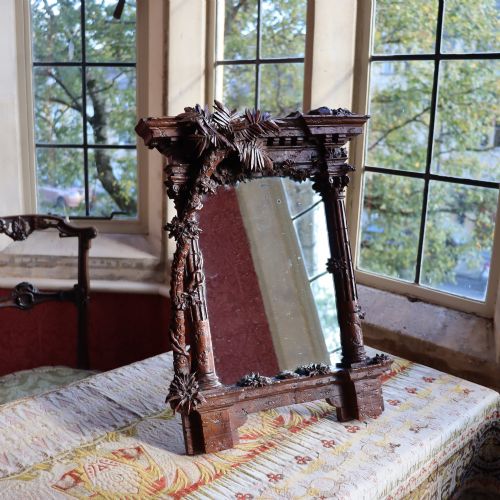
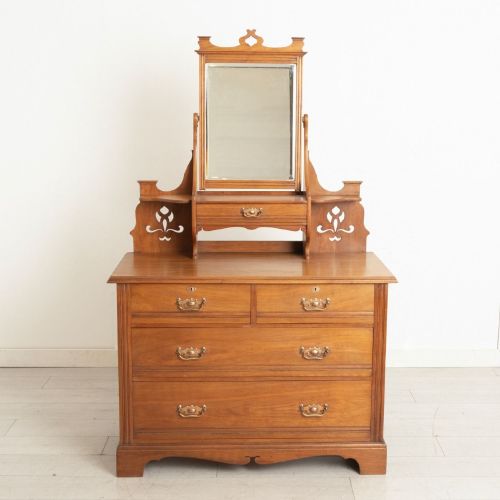
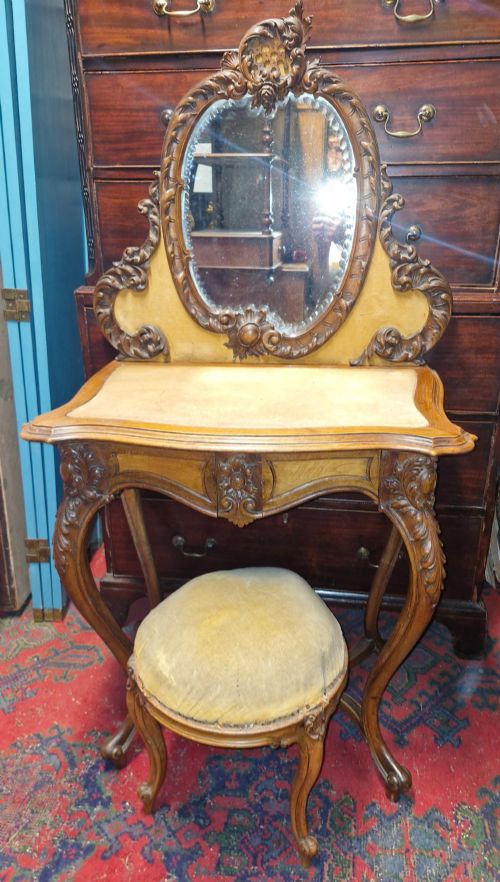
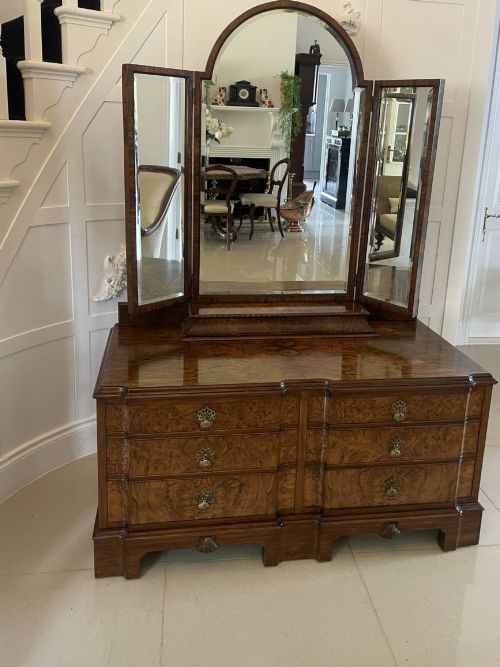
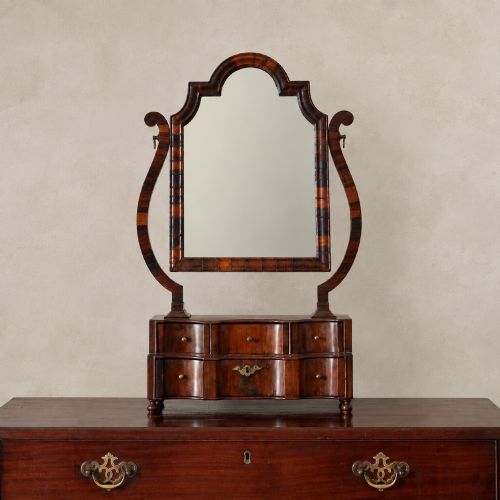
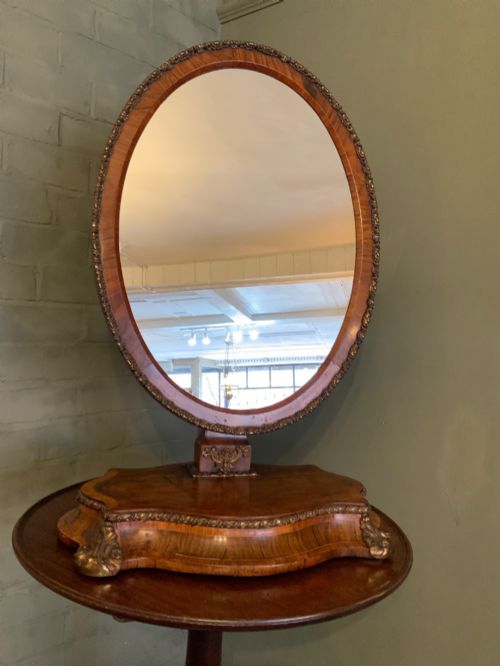
A brown walnut vanity mirror is typically encountered as a toilet mirror, dressing table mirror, or swing mirror designed to sit atop a chest or table. These pieces span centuries of cabinetmaking, with examples appearing across the eighteenth, nineteenth, and early twentieth centuries.
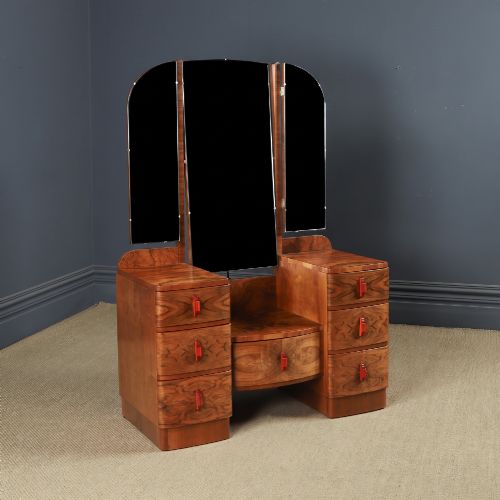
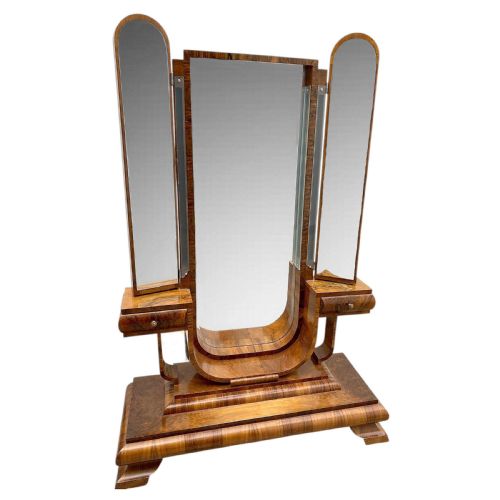
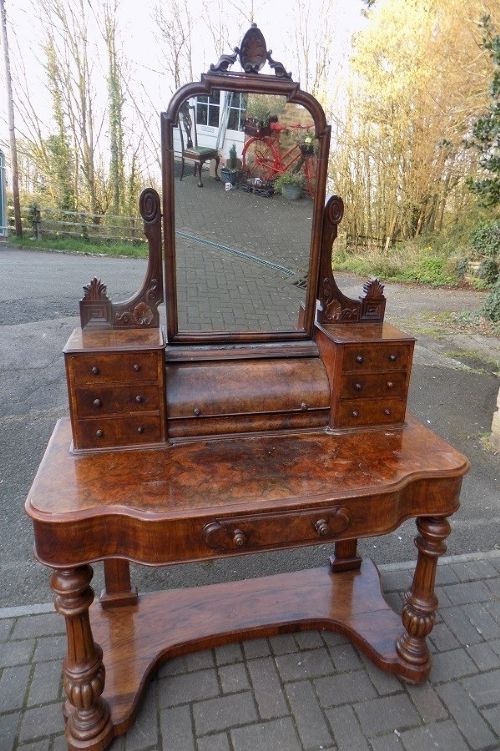
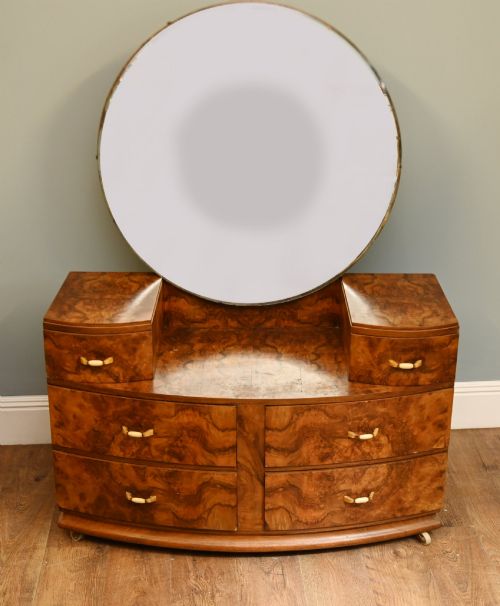
Buyers frequently find compact table mirrors alongside larger dressing table formats featuring fitted drawer bases or bureau compartments. Origin styles range from simple Queen Anne and Georgian forms to Victorian and Art Deco interpretations.
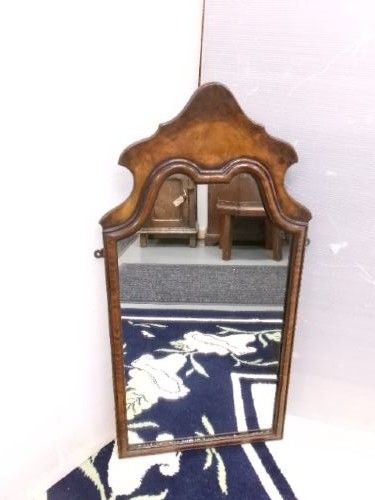
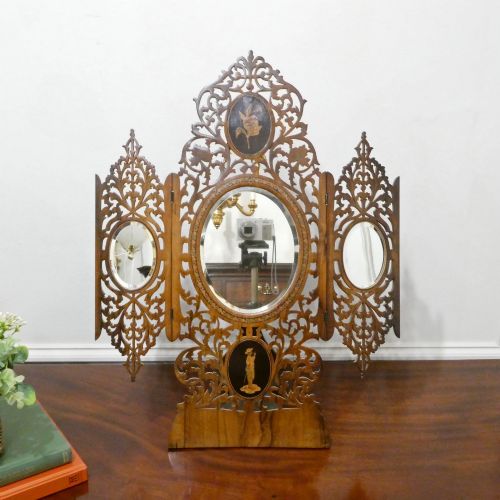
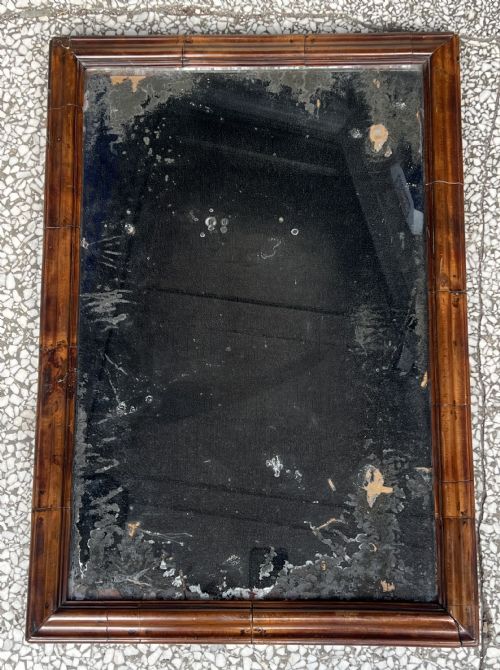
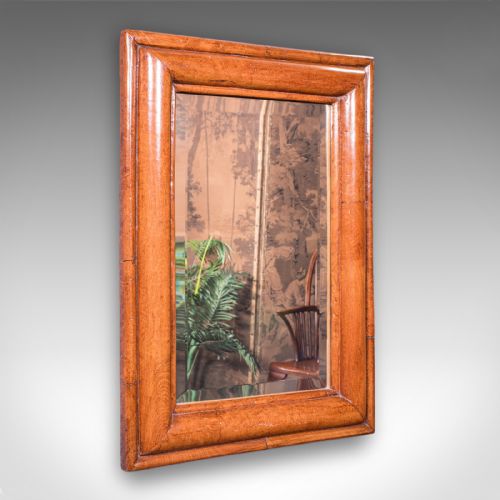
The category encompasses portable campaign shaving mirrors, marquetry decorated pieces, and architectural wall mirrors executed in rich walnut timbers. Each variation serves the fundamental purpose of personal reflection while displaying the decorative vernacular of its period.
Materials and construction
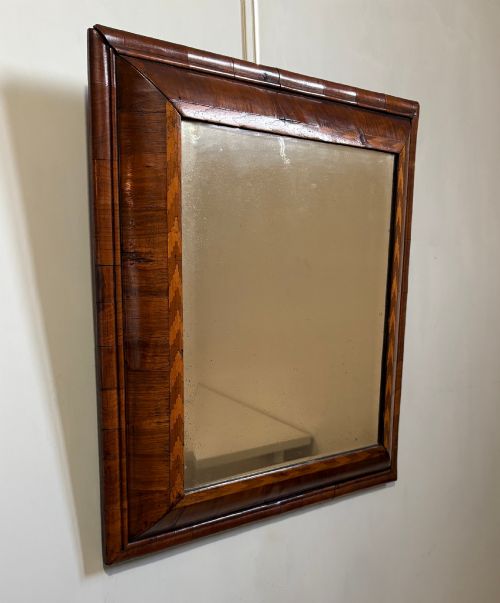
Cabinetmakers utilised solid walnut and figured burr walnut veneers applied to secondary timbers, often accentuating the grain with crossbanding or marquetry inlay. Brass hardware, including hinge pivots and drawer pulls, provides both structural movement and subtle metallic contrast.
Glass plates are set within adjustable frames supported by upright arms, allowing the mirror to tilt smoothly on its base. Joinery techniques from early dovetail drawers to later turned supports reflect the prevailing standards of each distinct era.
Brown Walnut Vanity Mirror Retail Price Guide 2026
Typical asking prices for brown walnut vanity mirror among the pieces listed under this phrase on Sellingantiques today, from the lower quarter to the upper quarter. They describe what is for sale here now, not the wider market.
Some antique walnut mirrors double as miniature bureaus, letting you write your secrets while checking your reflection.
Assessing quality and craftsmanship
Quality rests in the depth of the walnut figure and the precision of the cabinetmaker's joinery, where finely figured burr veneers and crisp marquetry distinguish superior pieces. The integrity of the original mirror glass and the smoothness of the tilting mechanism further separate standard examples from finer works.
Proportion and restrained ornamentation dictate the aesthetic success of a design, with harmonious drawer arrangements and well-balanced uprights marking out the best examples of the form.
The Brown Walnut Vanity Mirror Glossary
- Toilet mirror
- A small mirror designed to sit on a dressing surface, frequently incorporating small drawers in its base.
- Burr walnut
- A prized timber veneer harvested from tree growths, displaying intricate, swirling grain patterns.
- Fret mirror
- A wall-mounted mirror featuring intricately pierced wooden scrollwork framing the glass.
- Ormolu
- Gilded bronze mounts applied for decorative effect on furniture and mirror frames.
- Bureau fitment
- A small sloping desk section integrated into the base of a dressing mirror.
Brown Walnut Vanity Mirror: Frequently Asked Questions
Where should I place a vanity mirror?
These mirrors sit comfortably on top of chests of drawers, dressing tables, or console surfaces in bedrooms and hallways. Their compact footprint allows them to occupy modest spaces while providing daily utility.
Ensure the supporting surface is deep and stable enough to accommodate the base frame, particularly when adjusting the tilt of the glass plate.
How do I date a walnut mirror?
Dating relies on examining the construction methods of the base drawers, the profile of the mirror frame mouldings, and the characteristics of the wood veneers. Earlier eighteenth-century pieces often display hand-cut dovetails and pegged frames.
Later Victorian and Art Deco iterations introduce machine-cut joints, distinctive hardware, and styling cues specific to the nineteenth and twentieth centuries.
Are these mirrors stable enough for daily use?
Most table mirrors are engineered with sturdy side uprights and weighted bases designed to withstand regular adjustment of the glass angle. The pivoting mechanism relies on threaded screws or wooden pegs that can be gently tightened over time.
Care should be taken when tilting older examples to support the frame evenly and prevent undue strain on the original side supports.
What is the difference between a toilet mirror and a dressing mirror?
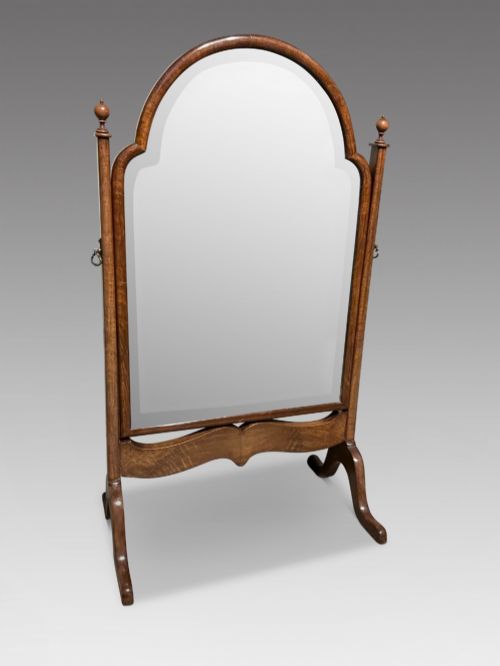
Toilet mirrors generally refer to smaller table-top designs intended for powder rooms or bedroom chests, often featuring a set of miniature drawers beneath the glass. Dressing mirrors can encompass larger table-standing versions as well as full-length cheval formats.
Both categories utilise tilting glass frames but vary in scale according to the furniture they were originally paired with.