




Nineteenth Century Dressing Mirror
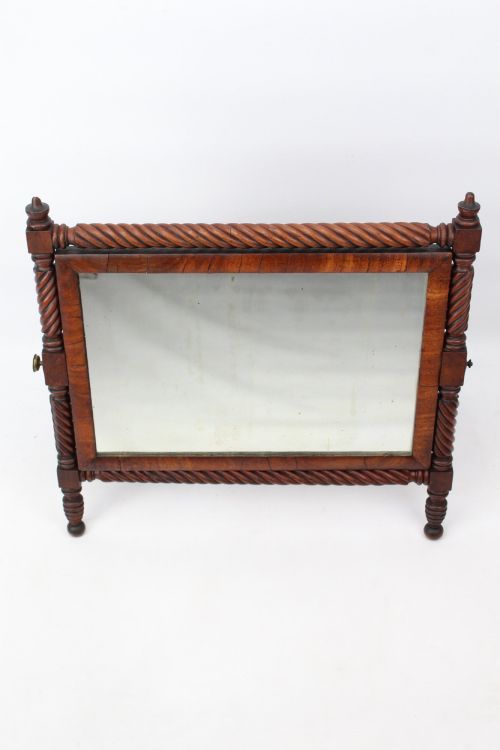
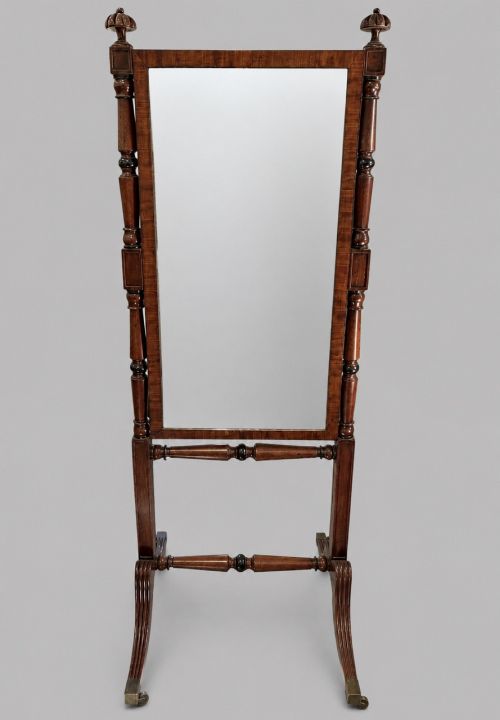
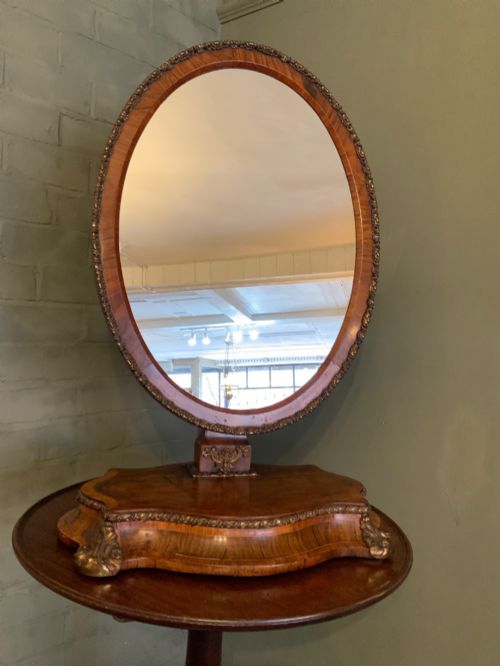
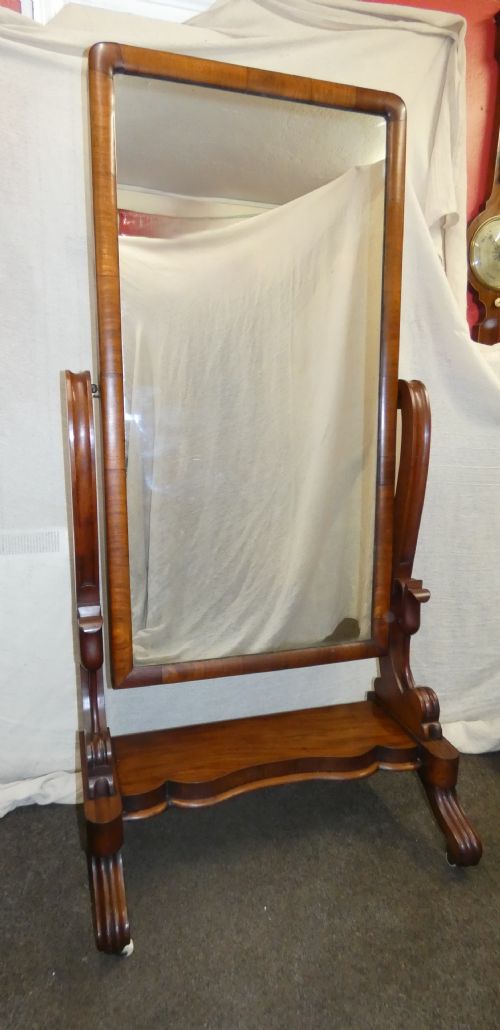
Nineteenth century dressing mirror examples encompass everything from modest tabletop swing glasses to towering cheval frames in mahogany and walnut.
Nineteenth Century Dressing Mirror
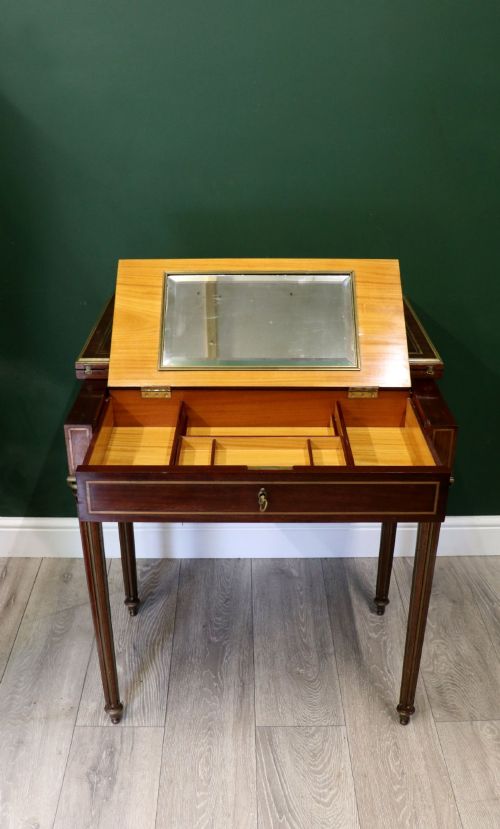
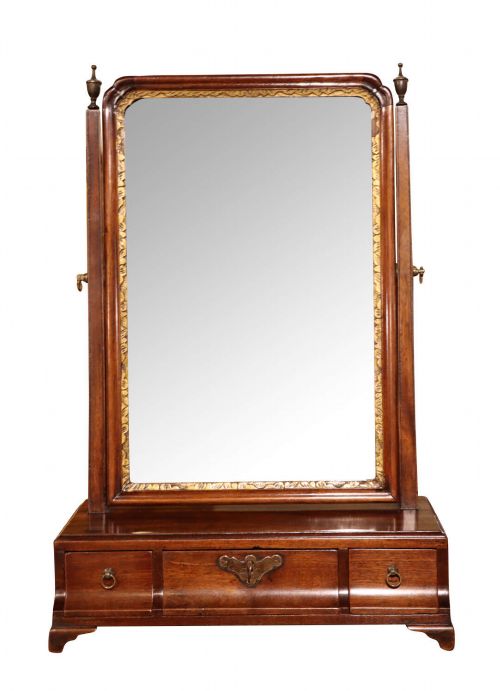
A nineteenth century dressing mirror serves as both a practical looking glass and a focal point for a bedroom or dressing room scheme. Buyers seeking a nineteenth century dressing mirror will frequently encounter tabletop swing versions fitted with functional drawer bases alongside grand freestanding cheval forms.
The selection ranges from compact folding travel pieces and shaving mirrors to large floor-standing examples designed to reflect the entire figure. These pieces capture the stylistic shifts from Regency restraint through to Victorian elaboration.
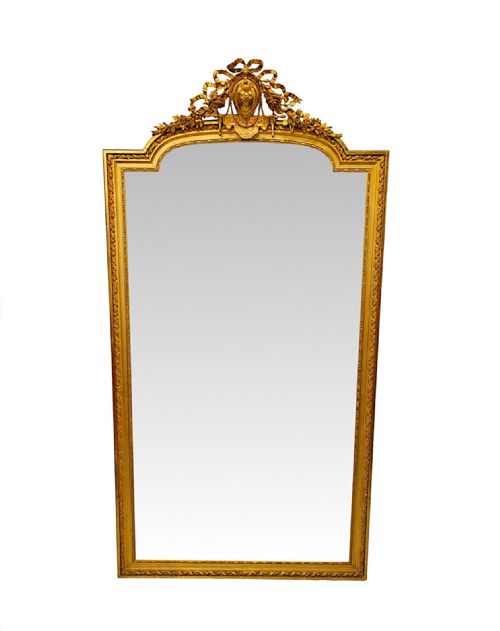
Makers utilised woods like mahogany, walnut, and teak, often embellishing the frames with brass mounts, ormolu, and marquetry inlay. Surviving pieces demonstrate the varied domestic requirements of the period, from gentleman's shaving stands to ladies' dressing table chests.
How they were made
Cabinetmakers constructed the frames primarily from solid timbers and veneers such as mahogany, walnut, satin birch, and teak, shaping them with carved wood, gesso, and applied brass or ormolu mounts. Swing mirrors relied on pivoting side arms fixed to upright supports, allowing the user to tilt the glass plate to the desired angle.
Tabletop versions frequently incorporated small drawers or serpentine fronts built using traditional dovetail joints, whilst larger cheval mirrors utilised weighted standing frames to support the pivoting mirror plate safely. Surface finishes relied on hand-applied polish that accentuated the natural grain patterns of figured woods like flame mahogany.
Nineteenth Century Dressing Mirror Retail Price Guide 2026
Typical asking prices for nineteenth century dressing mirror among the pieces listed under this phrase on Sellingantiques today, from the lower quarter to the upper quarter. They describe what is for sale here now, not the wider market.
Sorrento travel mirrors folded neatly for Victorian journeys, proving that even nineteenth century packing required careful design.
What varies in quality
The standard of a nineteenth century dressing mirror depends upon the crispness of the cabinetwork, the selection of figured timber veneers, and the integrity of the original glass plate. Fine examples display precise dovetailing in the drawer construction and well-cast brass or ormolu mounts that sit flush against the wood.
Proportion and balance also distinguish superior pieces, particularly in freestanding cheval mirrors where the supporting frame must bear the weight of the pivoting glass without distortion. Original bevelled glass and intact swing mechanisms add considerably to the integrity of a piece.
Thiebaut Freres·Gillows·F.Bienvue
The Nineteenth Century Dressing Mirror Glossary
- Cheval mirror
- A large standing mirror supported by a frame with side pivots that allows the glass to swing freely. These tall pieces were designed to show the full length of a person.
- Swing mirror
- A mirror plate mounted on pivots between two upright posts fixed to a base or table. This mechanism allows the user to adjust the viewing angle.
- Ormolu
- Gilded bronze ornamentation applied to furniture and mirror frames. It provides decorative contrast to dark woods such as mahogany and walnut.
- Marquetry
- Inlaid wood patterns forming decorative pictures or geometric designs on the surface of the frame. Skilled artisans fitted contrasting veneers into the primary wood background.
- Gesso
- A plaster-like mixture applied to wood frames and carved before gilding or painting. It creates a smooth base for intricate decorative relief work.
Nineteenth Century Dressing Mirror: Frequently Asked Questions
What is a cheval mirror?
A cheval mirror is a tall, freestanding dressing mirror mounted on pivots within a sturdy frame. This design allows the entire glass plate to tilt back and forth.
Such pieces were intended to stand on the floor rather than a table, providing a full-length reflection in a bedroom or dressing room.
How do I use a swing mirror?
A swing mirror operates on side pivots attached to upright posts, allowing you to adjust the tilt of the glass plate. Many versions sit atop a base fitted with small drawers for storing personal items.
To use one, simply tilt the glass to the preferred angle for your height and seating position.
What woods were used for these mirrors?
Makers relied heavily on mahogany, walnut, and satin birch for the primary structure of these mirrors. Figures such as flame mahogany and marquetry inlay added decorative appeal to the finished pieces.
Brass and ormolu mounts frequently provided additional contrast and ornamentation.
Where were shaving mirrors placed?
Shaving mirrors were designed as compact tabletop pieces or dedicated stands fitted with adjustable glass plates. They typically included small drawers for razors and grooming accessories.
Gentlemen placed them on chests or washstands to catch the morning light while shaving.
How do I date a nineteenth century mirror?
Dating relies on examining the timber, construction methods, and stylistic cues of the frame. Regency pieces often show classical restraint, whilst Victorian examples introduce heavier carved details and serpentine forms.
The presence of original bevelled glass or maker details can also help narrow down the period.