
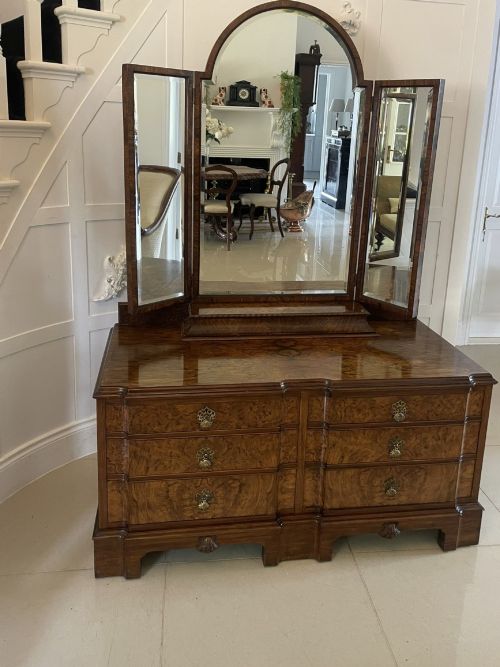
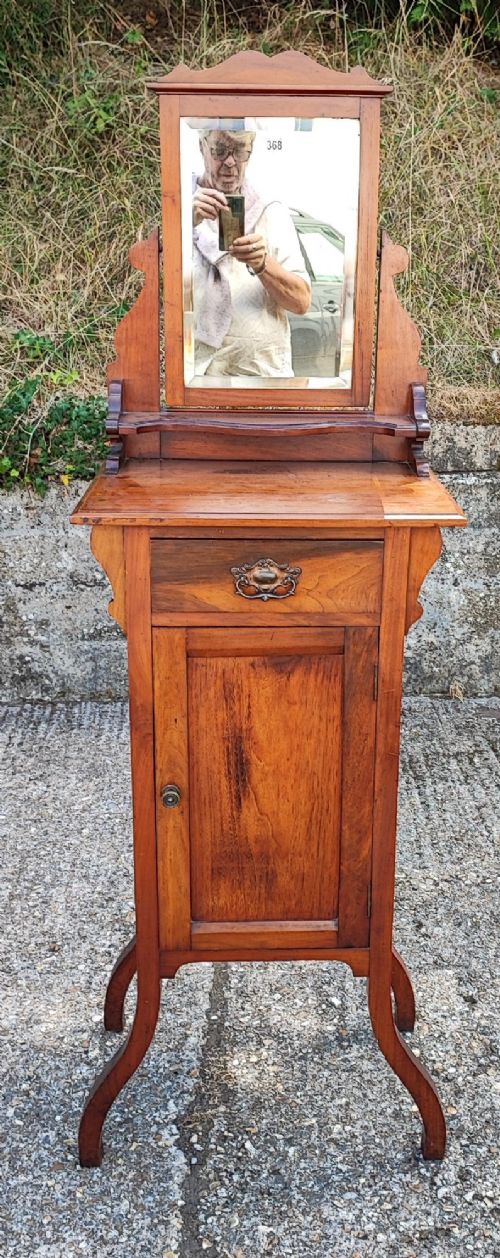
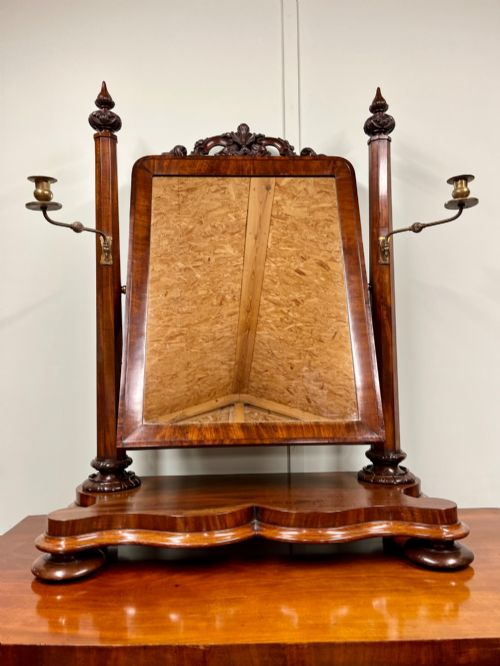
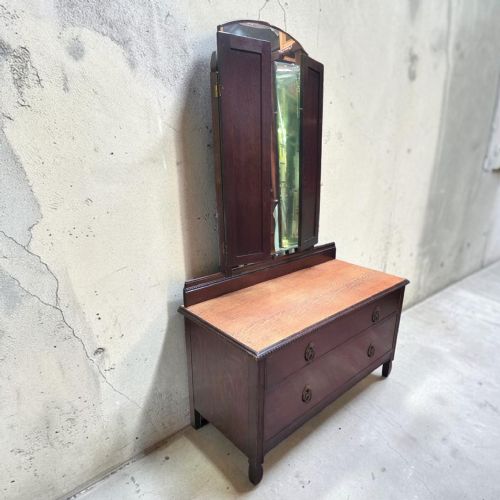
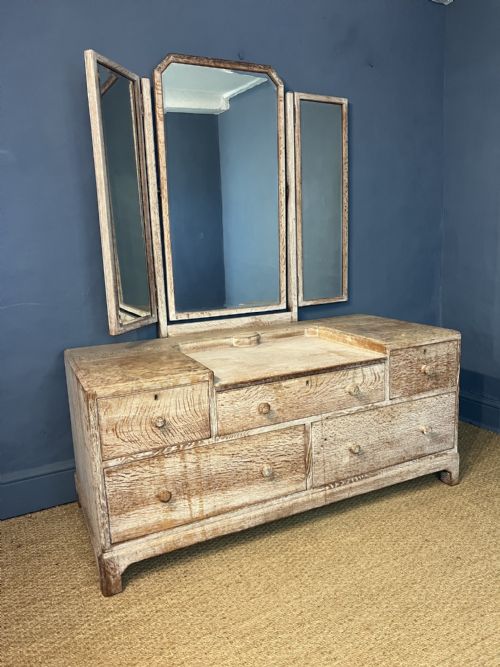
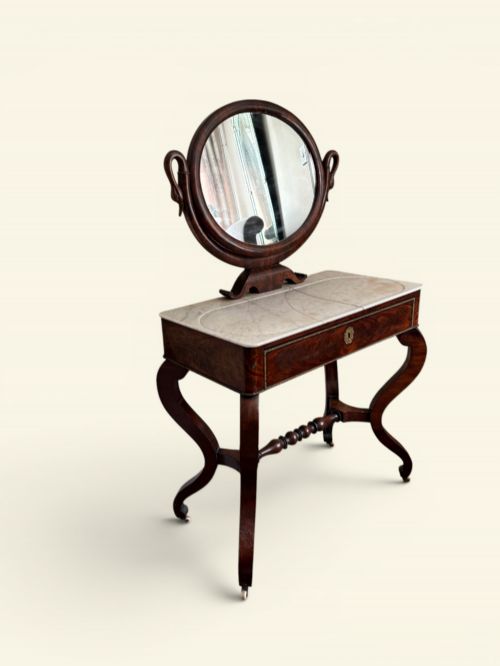
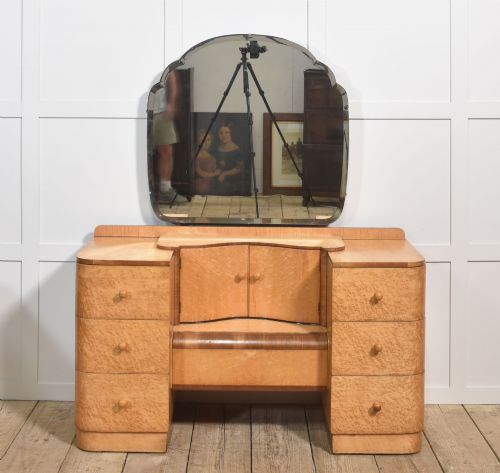
Antique Bedroom Vanity Mirror
An antique bedroom vanity mirror is a dressing glass designed for the toilette, combining polished plates with functional storage.
What these pieces are
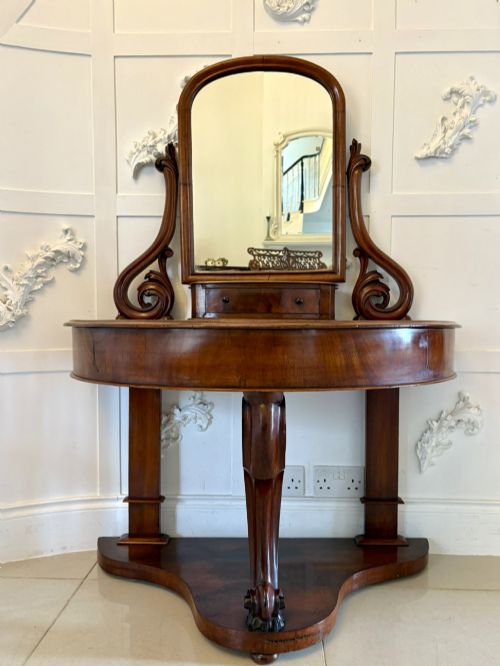
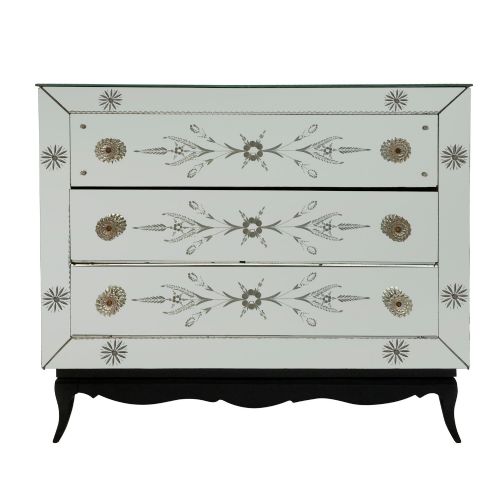
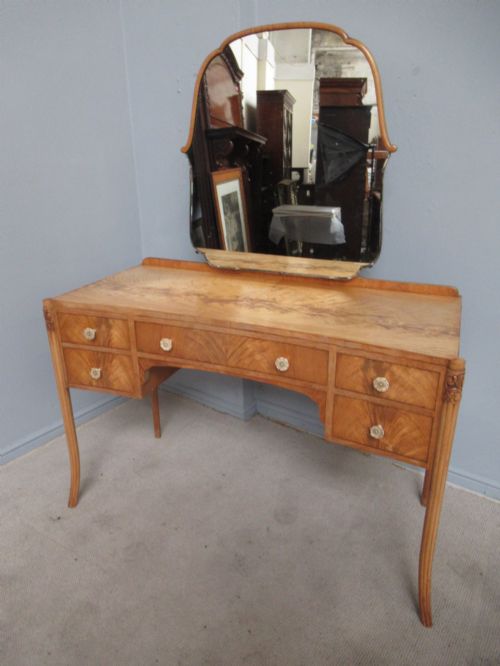
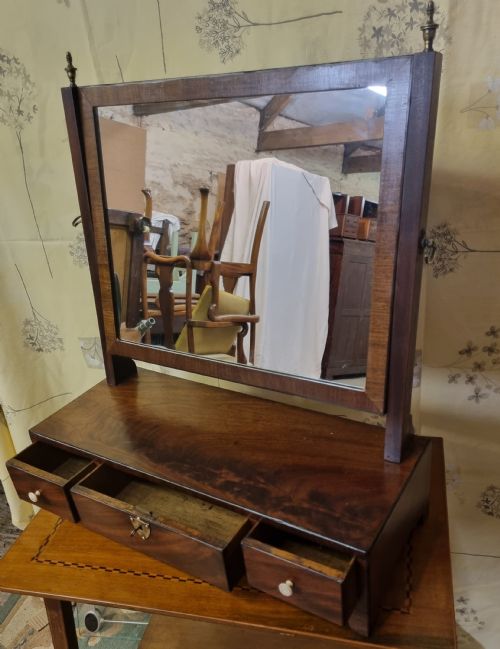
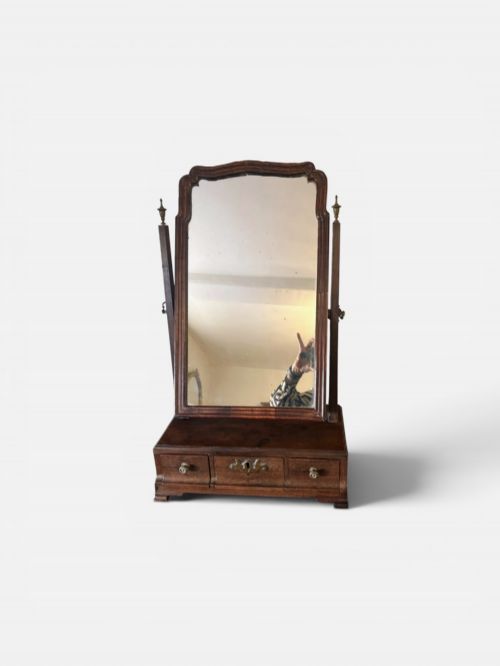
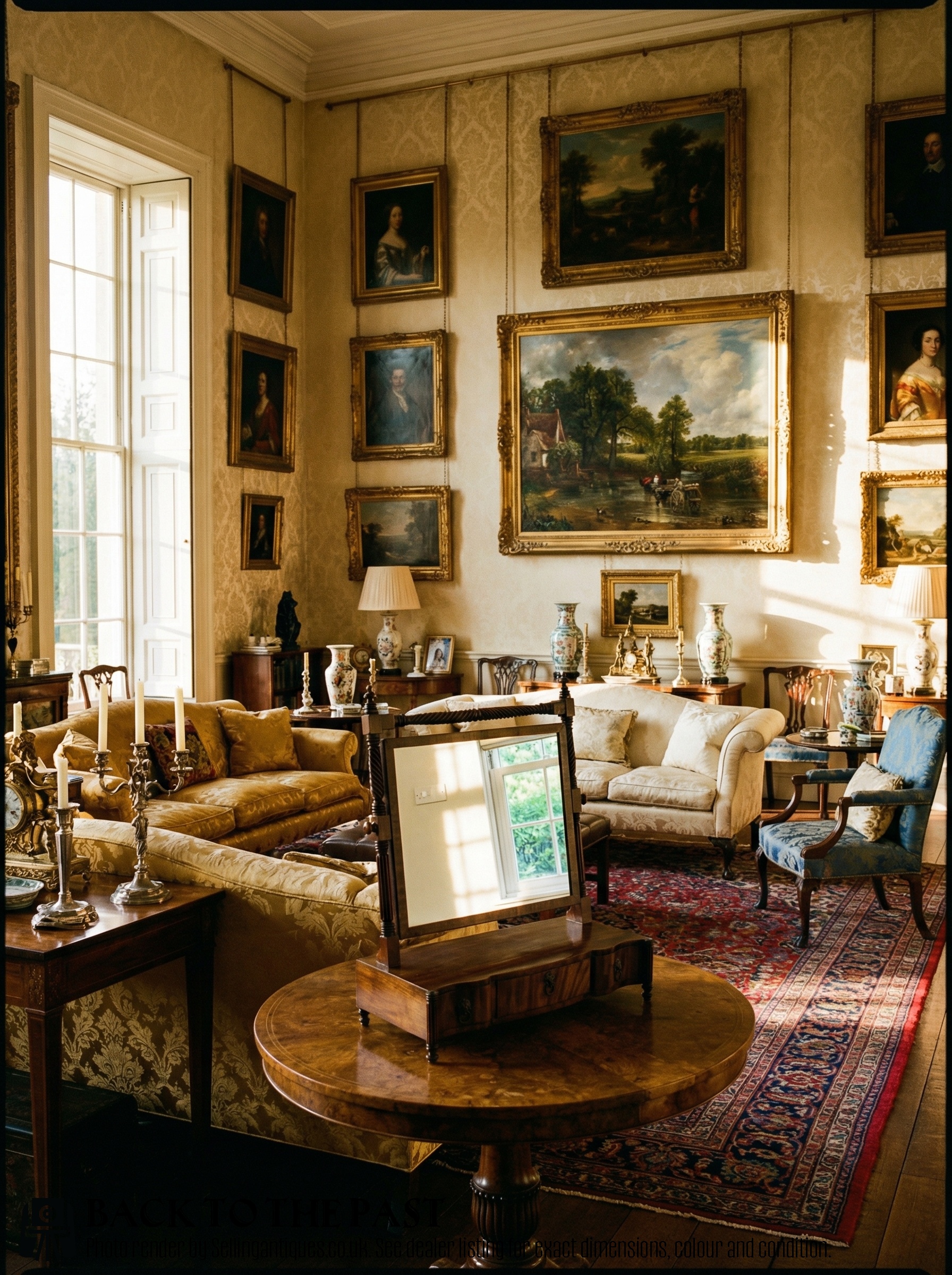
When you search for an antique bedroom vanity mirror, you encounter pieces designed to sit atop dressing tables or chests. These objects combine a pivoting glass plate with a small box base, frequently fitted with drawers.
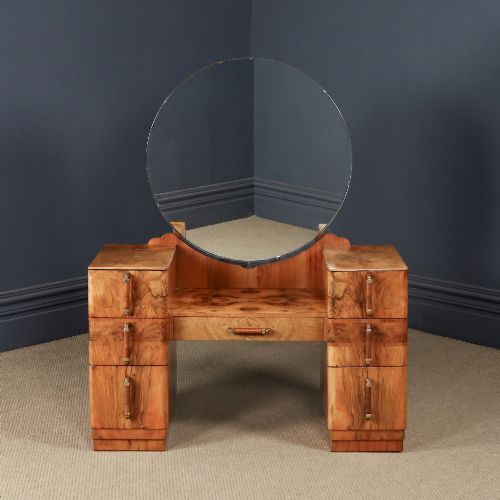
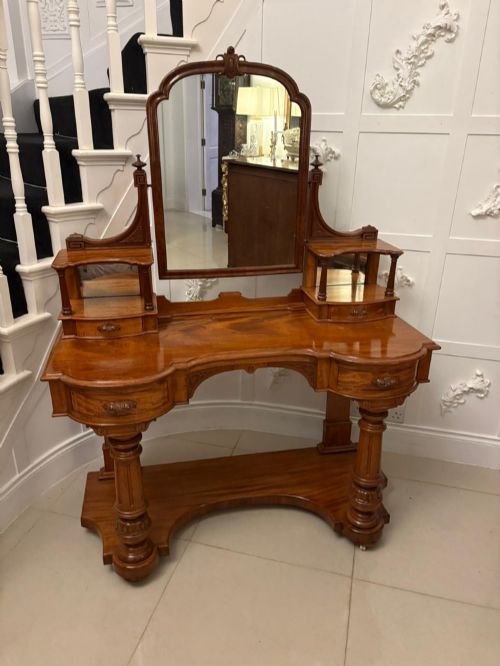
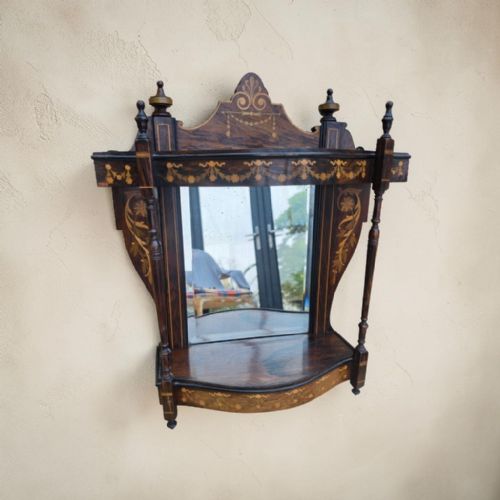
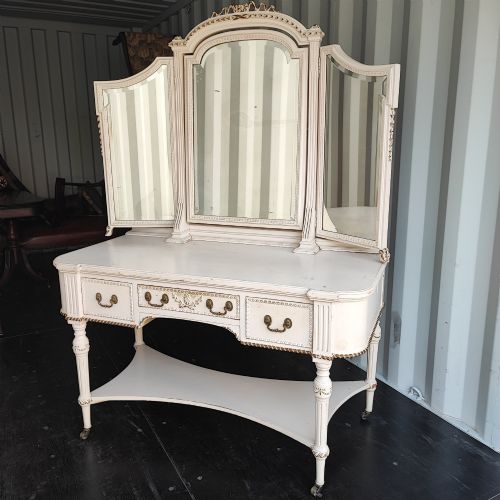
The most common examples on this page date from the Victorian period and the Georgian era, constructed primarily in mahogany, walnut, and satinwood. Forms range from simple swing mirrors to large burr walnut toilet mirrors and pieces incorporating candle sconces or storage compartments.
Earlier iterations from the Georgian period often feature oak-lined drawers and traditional looking glass frames, while later Victorian versions introduce carved mahogany and burr walnut finishes. Many function as dressing table mirrors or self-contained dressing mirrors for the bedroom.
How they were made
Cabinet makers constructed these mirrors using solid timber frameworks alongside applied veneers such as mahogany, satinwood, and burr walnut. Wood panels were joined with traditional cabinetry methods to house small drawer compartments beneath the swinging glass frames.
Gilt wood and brass elements appear frequently, providing structural pivots, candle sconces, and decorative mounts. Mirror glass was housed within adjustable wooden frames supported by upright arms attached to the base.
Retail Price Guide 2026
Typical UK retail prices for bedroom vanity mirror, calculated from the Sellingantiques database of over a million retail prices indexed since 2003. This retail price guide relies exclusively on Sellingantiques data; no external sources or auction records are used, so the figures do not describe the wider market.
Listings feature mahogany, satinwood, burr walnut, and gilt wood, spanning Georgian to Victorian periods.
What varies in quality
The choice of primary timber and secondary wood lining dictates the standing of an individual piece, moving from standard pine constructions to figured mahogany, satinwood, and burr walnut. Finer examples display superior timber selection and more elaborate carving on the support arms and frame.
The presence of original mirror glass, intact brass hardware, and well-fitted multi-drawer compartments distinguishes finer specimens. Structural integrity in the swing pivots and the precision of the drawer linings separate standard utility pieces from higher grade examples.
John Taylor of Edinburgh
The Antique Bedroom Vanity Mirror Glossary
- Swing mirror
- A looking glass mounted on vertical pivots that allows the plate to tilt back and forth. This mechanism sits within a supportive frame attached to a base.
- Toilet mirror
- A tabletop dressing glass designed for personal grooming and cosmetic use in the bedroom. These pieces frequently incorporate small drawers for storage.
- Looking glass
- A traditional term for a mirror plate. In older pieces, these often feature specific bevels and historical silvering techniques.
- Burr walnut
- A highly figured timber veneer prized for its swirling grain patterns. It appears on finer Victorian dressing mirrors.
- Candle sconce
- A bracket attached to the mirror frame for holding a candle to provide illumination during the toilette. These are found on specific period examples.
Frequently Asked Questions
How do I date a vanity mirror?
Dating relies on timber selection, drawer construction methods, and hardware styles. Georgian pieces often display oak linings and simple proportions, whereas Victorian examples introduce heavier carved mahogany and burr walnut.
Secondary woods and the style of the brass pivoting screws also offer clear chronological indicators.
Are the mirror plates original?
Many antique mirrors retain their original glass, which can exhibit light foxing, minor speckling, or slight distortion. Replacement glass is sometimes fitted during the lifespan of the piece.
Examining the silvering behind the glass helps determine whether the plate dates to the construction period.
Where should I place a toilet mirror?
These mirrors work best placed on top of a sturdy dressing table, low chest of drawers, or sideboard in a bedroom. Because they rely on a stable base and pivoting frame, they need a flat surface with sufficient depth.
They function effectively as tabletop dressing accessories rather than wall-mounted fixtures.
What is the difference between a toilet mirror and a dressing table?
A toilet mirror is a tabletop accessory consisting of a swing glass and a small drawer base. A dressing table is a complete freestanding piece of furniture that may incorporate an attached mirror.
Many listings for vanity mirrors refer specifically to these smaller tabletop items designed to sit upon existing surfaces.