

18th Century Vanity Mirror
These pieces for an 18th century vanity mirror bring functional elegance to dressing spaces with period charm.
18th Century Vanity Mirror
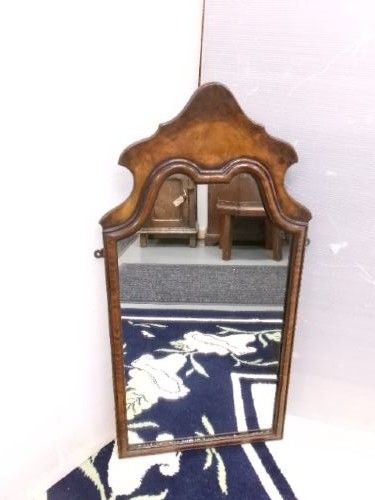
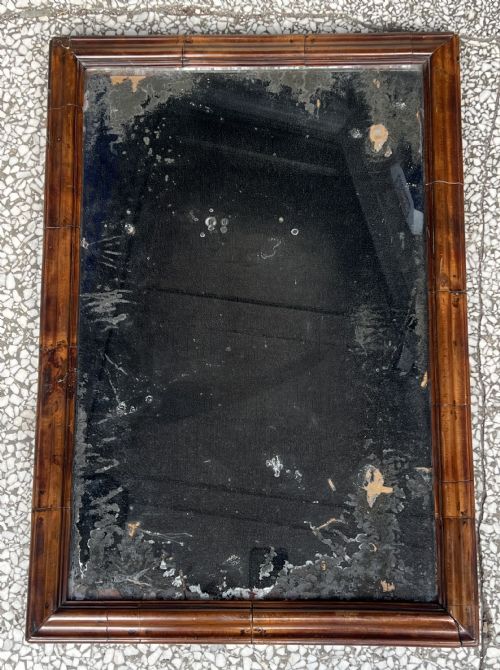
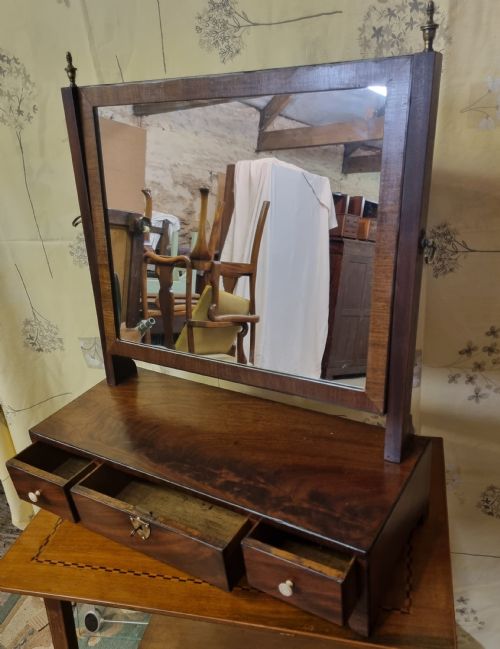
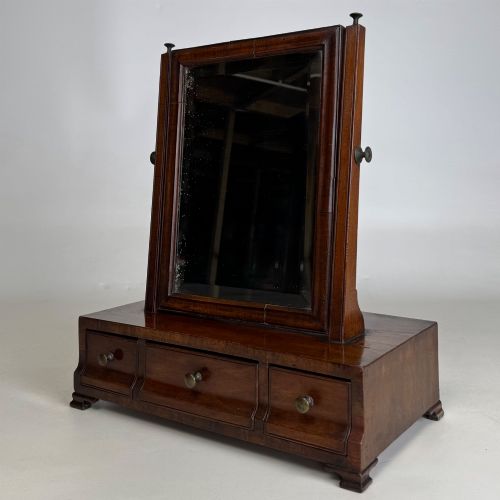
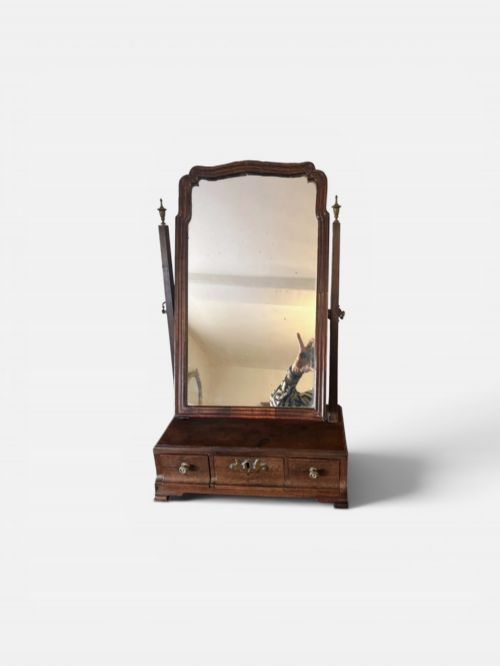
An 18th century vanity mirror is a tabletop or dressing table fixture designed for personal grooming, most commonly encountered here as a mahogany or walnut toilet mirror from the Georgian period.
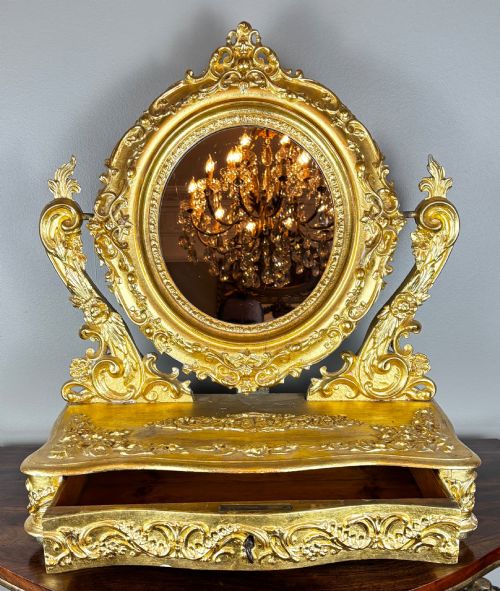
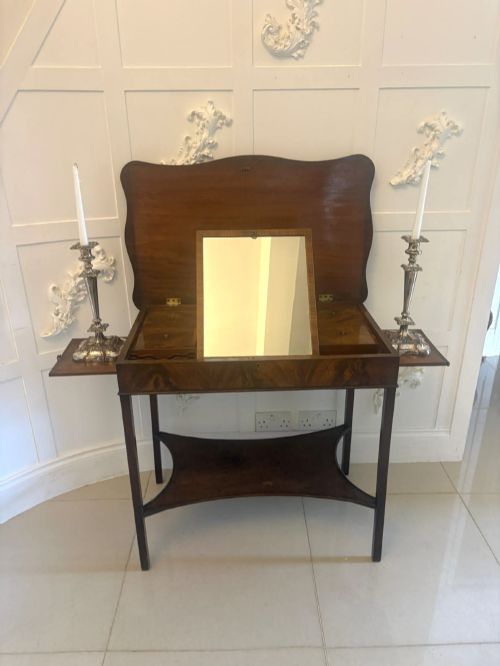
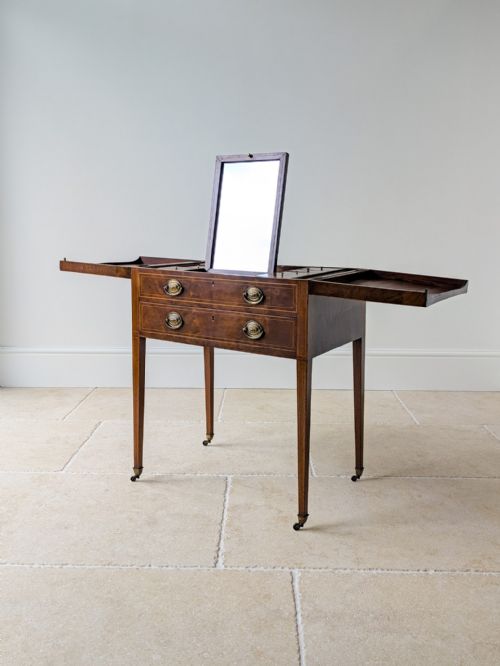
These examples often feature a small swing glass mounted on upright supports above a box base fitted with drawers for small items.
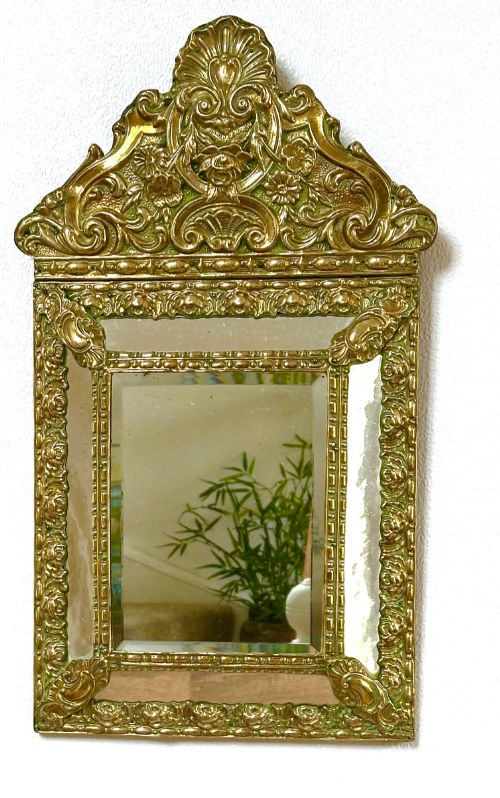
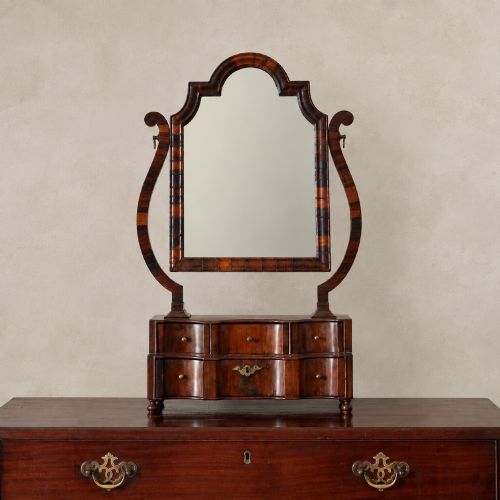
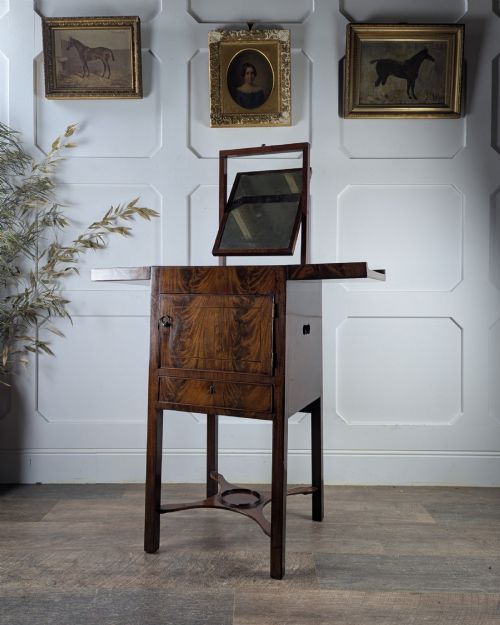
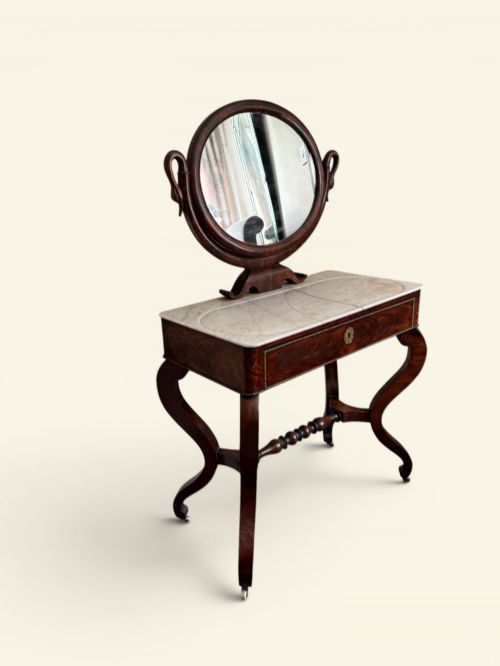
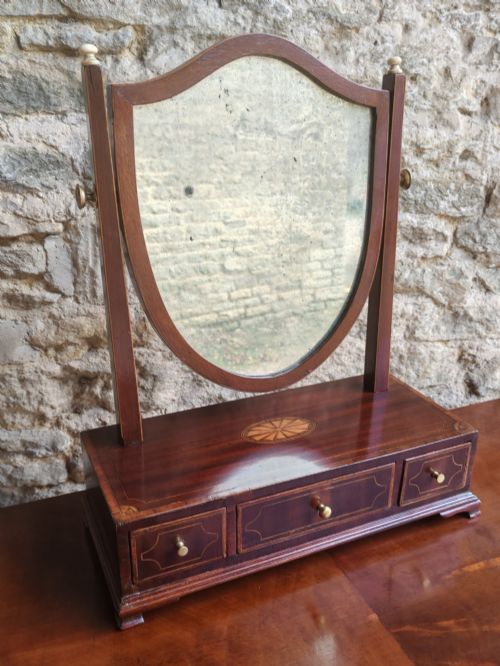
Beyond standard tabletop forms, variations include shield-shaped plates, serpentine fronts, fold-away washstands, and occasional wall-hanging or hand-held versions.
How they were made
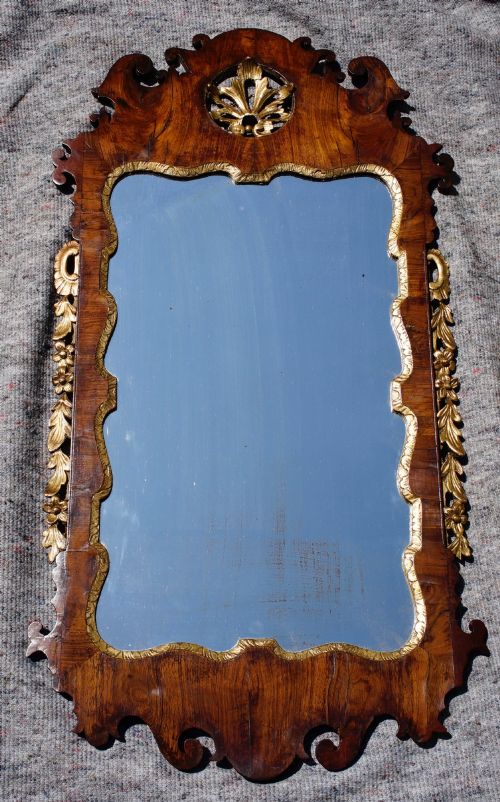
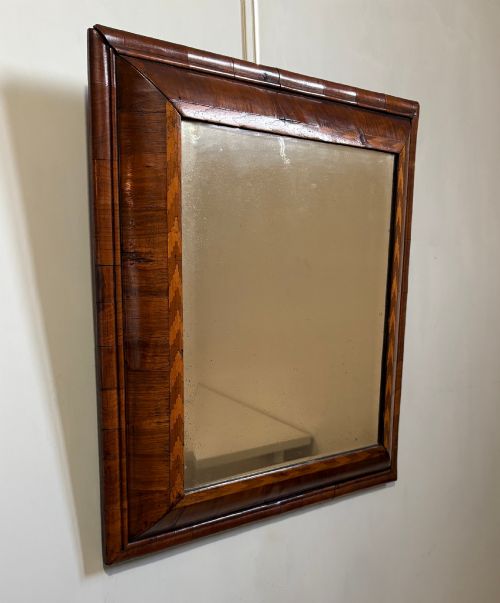
Cabinetmakers constructed these pieces primarily using dense timbers such as mahogany, walnut, and harewood, frequently employing crossbanding and fine veneers to accent the surfaces.
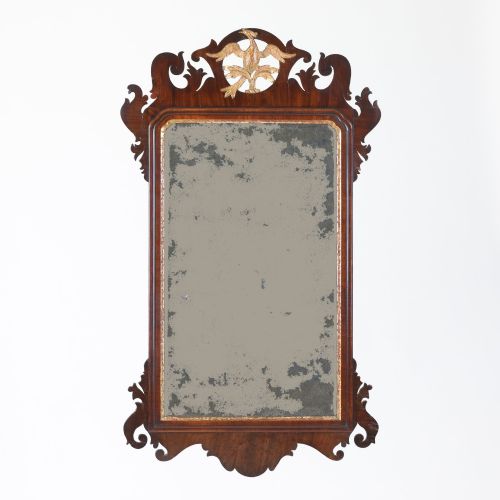
Reflective surfaces consist of traditional mirror glass framed by moulded wood, fret-cut outlines, parcel-gilt details, or gesso work.
Frames and stands incorporate brass hardware for hinges and handles, supporting the pivoting mechanism of the swing glass.
18th Century Vanity Mirror Retail Price Guide 2026
Typical asking prices for 18th century vanity mirror among the pieces listed under this phrase on Sellingantiques today, from the lower quarter to the upper quarter. They describe what is for sale here now, not the wider market.
Objects recorded range from table mirrors and dressing chests to campaign washstands and marginal wall glasses.
What varies in quality
The standard of timber selection and veneer figuring sets finer pieces apart, particularly where rich grain patterns like flame mahogany or burr walnut are utilised.
Craftsmanship is evident in the precision of fret-cut details, the delicacy of carved wood or parcel-gilt accents, and the proportional harmony of the supporting base.
Originality of the mirror glass, brass fittings, and structural elements heavily influences the standing of an individual piece.
The 18th Century Vanity Mirror Glossary
- Toilet mirror
- A small mirror designed to sit upon a dressing table or chest, typically incorporating small drawers in the base.
- Swing mirror
- A glass plate mounted on pivots between two upright arms, allowing the user to tilt the reflection angle.
- Crossbanding
- A border technique where thin strips of veneer are laid across the grain of the primary wood to form a decorative frame.
- Parcel-gilt
- Partially gilded woodwork where gold leaf highlights specific carved details against a dark wood or painted ground.
- Fret-cut
- Wood pierced with intricate patterns using a fine saw, often seen on the upper crests or scrollwork of Georgian frames.
18th Century Vanity Mirror: Frequently Asked Questions
How do I use an 18th century vanity mirror today?
These pieces sit comfortably on modern dressing tables, chests of drawers, or sideboards to provide a functional mirror with historic character.
The small drawers in the base remain useful for storing everyday trinkets and small accessories.
Were these mirrors always meant to sit on tables?
While the vast majority are tabletop dressing or toilet mirrors designed to rest on a surface, some examples feature hanging fixings or dual functionality for wall mounting.
Hand-held and larger wall mirrors also appear alongside standard table formats in this tradition.
What wood types should I expect to find?
Mahogany and walnut dominate the selection, appearing in solid form or as figured veneers like burr walnut and flame mahogany.
Less common timber choices such as harewood and oak also feature among surviving pieces.
How do I tell a George II mirror from a George III piece?
George II mirrors often display heavier walnut construction, parcel-gilt details, and architectural profiles typical of earlier eighteenth-century design.
George III examples frequently utilise mahogany or satinwood with lighter proportions, shield shapes, or delicate fret-cut crests.