







Queen Anne Toilet Mirror
These queen anne toilet mirror pieces are walnut dressing pieces that bring authentic early period grace to a dressing room.
Queen Anne Toilet Mirror
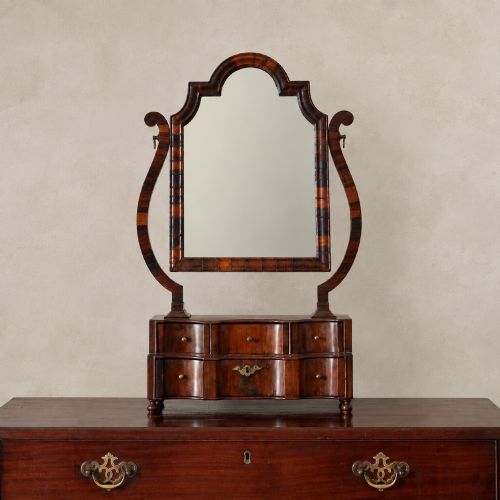
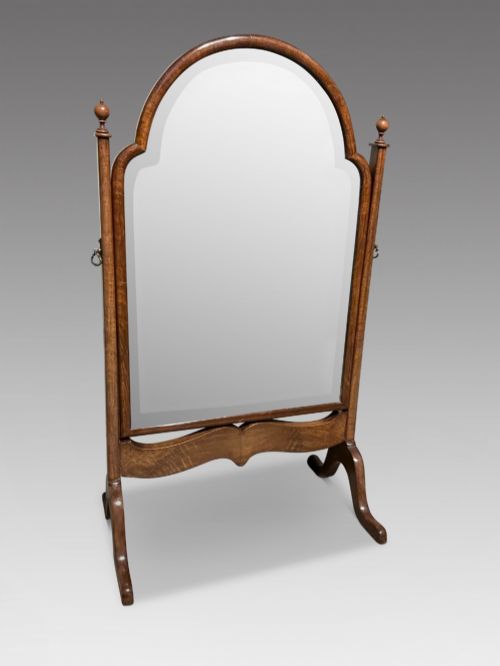
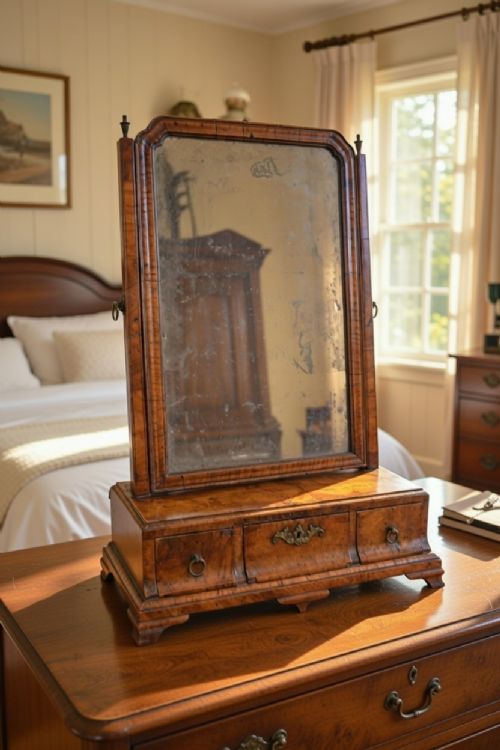
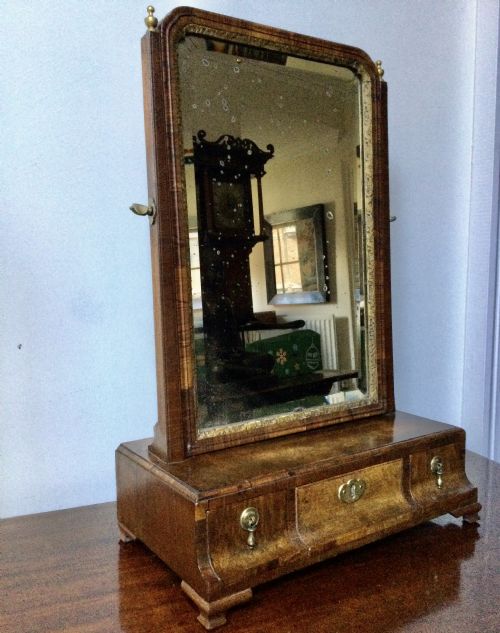
A queen anne toilet mirror is a compact table mirror designed for dressing and grooming, usually featuring a small box base with drawers beneath the glass frame.
The evidence shows these walnut pieces span the eighteenth century and the Victorian era, appearing under names such as dressing table mirror, toilet mirror, and dressing mirror.
Buyers will most frequently meet walnut examples from the eighteenth century, alongside Georgian designs and a Victorian interpretation.
How They Were Made
Cabinet makers utilised walnut timber for the frames and box bases, employing figured veneers and solid construction to build these mirrors.
The reflective surfaces consist of traditional mirror glass held within pivoting wooden frames, while brass fixtures provide the hinges and drawer pulls.
Queen Anne Toilet Mirror Retail Price Guide 2026
Typical asking prices for queen anne toilet mirror among the pieces listed under this phrase on Sellingantiques today, from the lower quarter to the upper quarter. They describe what is for sale here now, not the wider market.
Every single piece relies on a humble pane of glass and some brass pivots to survive centuries of morning routines.
What Varies in Quality
Quality rests in the selection of walnut timber and the depth of the grain figure across the base and frame.
Refinement in the woodwork and the proportion of the box base relative to the mirror glass separate standard examples from finer pieces.
The Queen Anne Toilet Mirror Glossary
- Toilet mirror
- A small mirror designed to sit on a dressing table or chest of drawers. These pieces often incorporate a small box base with miniature drawers.
- Walnut
- A hard, rich brown timber favoured for cabinet making during the early eighteenth century. It provides a distinct figured grain that defines these mirrors.
- Georgian
- The design period covering the reigns of the first four Georges. It encompasses the stylistic shifts leading from early walnut forms towards later mahogany pieces.
- Victorian
- The period of the nineteenth century that produced later interpretations of earlier styles. Pieces from this era often show a heavier hand in the construction.
Queen Anne Toilet Mirror: Frequently Asked Questions
How do I use a toilet mirror?
These mirrors sit comfortably upon a chest of drawers or a dedicated dressing table to provide a functional reflection for daily grooming.
Their compact footprint means they require minimal surface space while adding period character to a bedroom.
Are these mirrors from the eighteenth century?
The selection includes pieces dated to the eighteenth century alongside Georgian examples and a Victorian interpretation.
Walnut remains the primary material seen across these historical periods.
What is the difference between a toilet mirror and a dressing mirror?
The terms are largely interchangeable within the listings, describing small table-standing mirrors used for personal grooming.
Both forms typically feature an adjustable glass plate mounted above a small storage base.
Do these mirrors include storage drawers?
Many examples incorporate a small box base beneath the glass frame that contains miniature drawers for small items.
This configuration defines the traditional form of the dressing table mirror.