
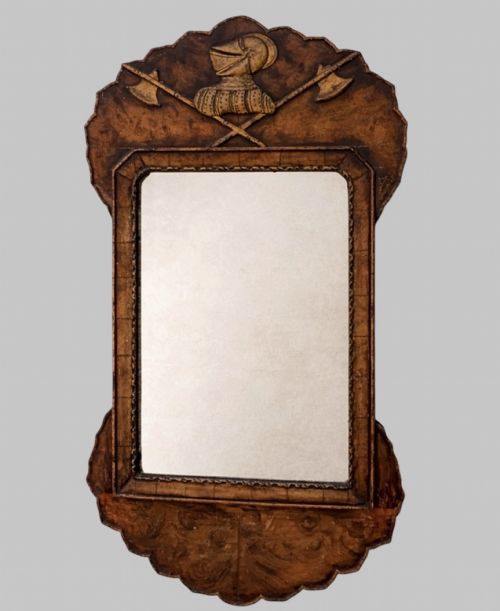


Carved Walnut Mirror Frame
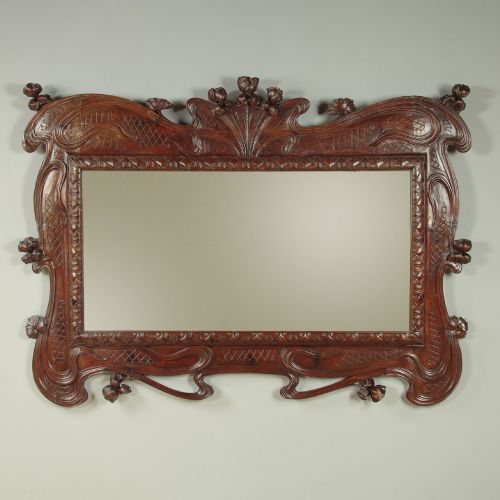
A carved walnut mirror frame brings rich grain and deep relief work to a room, offering the warmth only historic timber provides.
Carved Walnut Mirror Frame
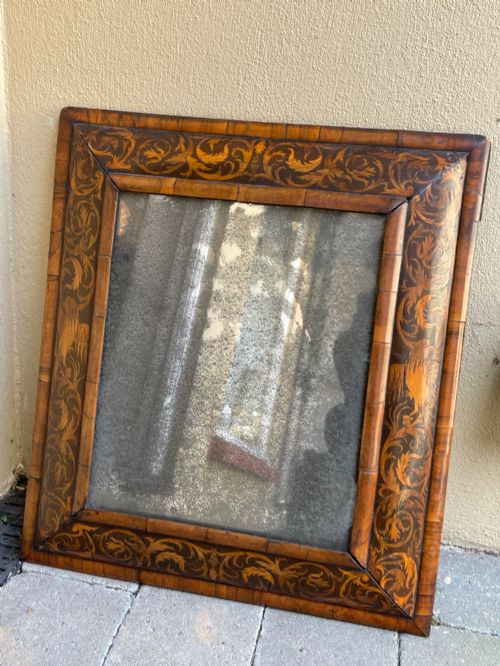
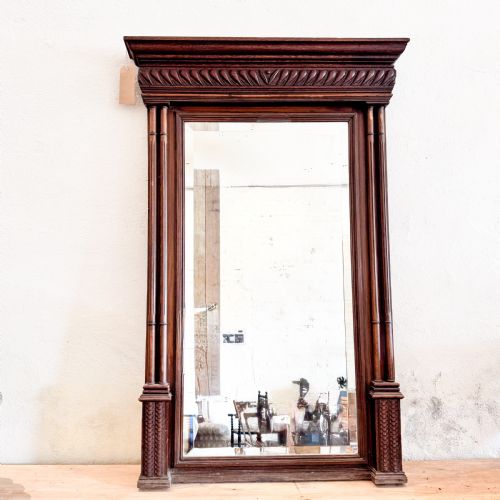
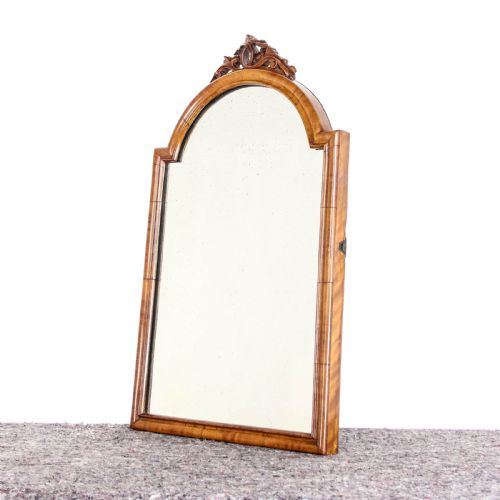
A carved walnut mirror frame combines rich timber construction with reflective glass, appearing across wall mirrors, overmantel mirrors, and tall dressing mirrors. The pieces span centuries of design, running from seventeenth-century cushion moulds and eighteenth-century Georgian fretwork to nineteenth-century revival styles and twentieth-century interpretations.
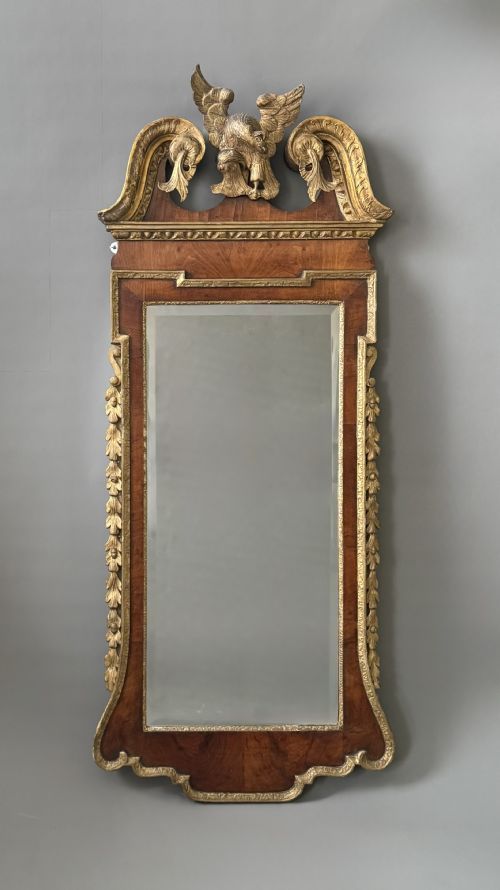
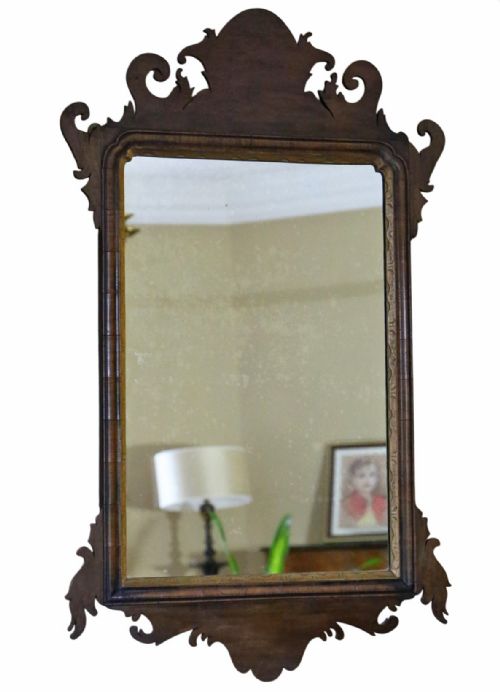
Buyers meeting this search phrase frequently encounter eighteenth-century Georgian examples alongside Victorian pieces and revival items from nineteen-twenty. The forms range from simple wall-hanging rectangular plates to large overmantels and elaborate frames featuring parcel gilt decoration, armorial crests, or mythic bird carvings.
How they were made
Craftsmen built these frames using solid walnut and burr walnut veneers applied to secondary timbers, often incorporating carved wood and giltwood details. Parcel gilding highlights specific carved motifs, creating contrast against the dark brown tones of the timber.
Many historical examples utilise original glass plates, brass detailing, and intricate fret cutting. Joinery techniques varied from early cushion frames and marquetry inlay to later fret-sawn silhouettes and applied crestings.
Object types include wall mirrors, overmantel mirrors, wardrobes, and dressing table mirrors.
What varies in quality
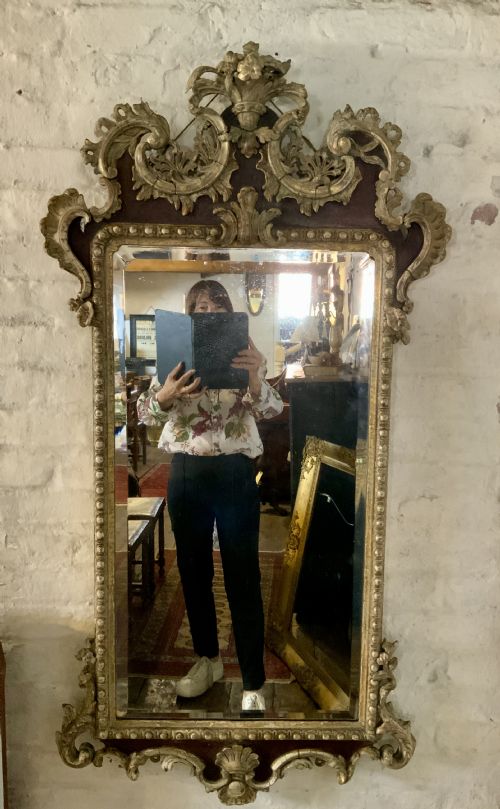
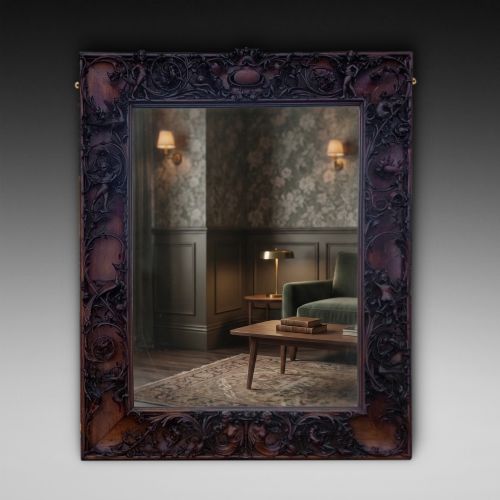
The standard of carving determines much of the distinction between pieces, separating crisp, deep relief work from softer, mechanical execution. Hand-carved details such as shells, cherubs, and armorial crests demand precision that elevates the overall presence of the frame.
Materials also dictate the tier of a piece, with figured burr walnut veneers and well-preserved parcel gilding marking superior examples. The retention of original mirror glass and honest patination on the timber surface further distinguishes the finest items from standard ones.
Shapland and Petter
The Carved Walnut Mirror Frame Glossary
- Parcel gilt
- Partially gilded with gold leaf to highlight specific carved areas. This technique contrasts bright metallic highlights against the dark grain of the walnut.
- Fret cut
- Sawn in decorative patterns using a fine blade. This method produces intricate geometric or scrollwork silhouettes on flat wooden boards.
- Cushion frame
- A convex, swelling frame profile popular in seventeenth-century joinery. It typically showcases dramatic wood grain wrapped around the perimeter.
- Vauxhall mirror
- A mirror plate featuring a bevelled edge produced in historic English glassworks. The bevel catches the light along the inner perimeter of the frame.
Carved Walnut Mirror Frame: Frequently Asked Questions
How do I date a walnut mirror?
Dating relies on observing construction traits, glass types, and decorative styles. Seventeenth-century pieces often feature cushion mouldings, while eighteenth-century items frequently display fret-cut silhouettes or parcel gilt highlights.
Later Victorian and revival interpretations incorporate nineteenth-century manufacturing methods alongside historic design influences. Examining the backboards, fixings, and timber preparation helps clarify the period of production.
Are these mirrors heavy to hang?
Solid timber construction and glass plates contribute substantial weight to large wall and overmantel mirrors. Secure wall fixings attached directly to structural studs or masonry are essential for safe support.
Checking the integrity of the original hanging loops and frame joints ensures the structure can bear the load over time.
What is parcel gilding?
Parcel gilding involves applying thin gold leaf selectively to carved portions of a wooden frame. This method accents specific details like foliage, scrolls, or crests against the dark walnut background.
Master craftsmen utilised this technique across eighteenth-century Georgian designs to add visual depth and catch ambient room light.
How do I clean a carved frame?
Dusting gently with a soft, dry cloth prevents particulate buildup within the recesses of the carved relief. Avoiding harsh liquid cleaners protects the aged finish, wax polish, and delicate gilt surfaces.
Periodic application of appropriate wax maintains the moisture and natural lustre of the historical timber.