


Tabletop Swivel Mirror
A tabletop swivel mirror brings adjustable reflection and compact period charm to a dressing surface.
Tabletop Swivel Mirror
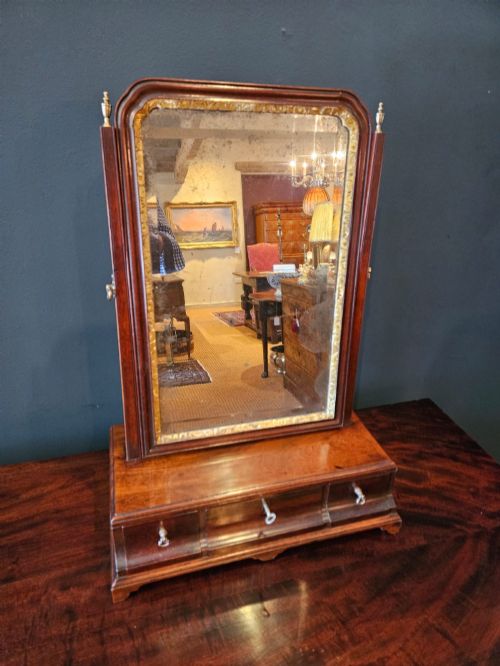
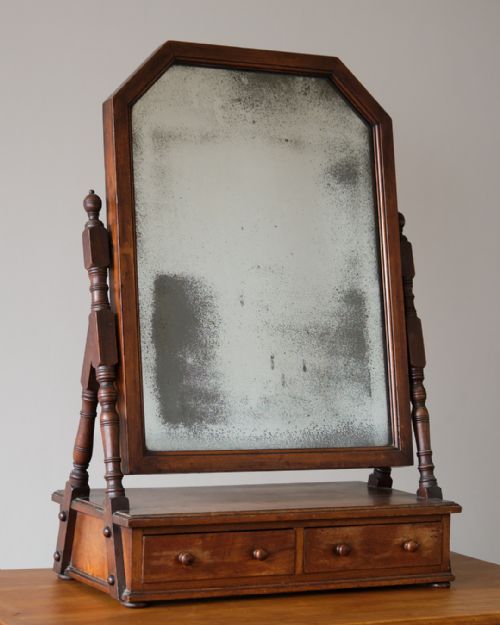
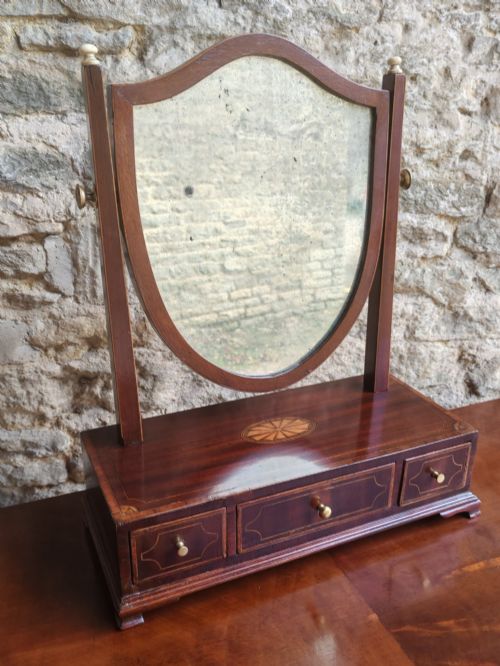
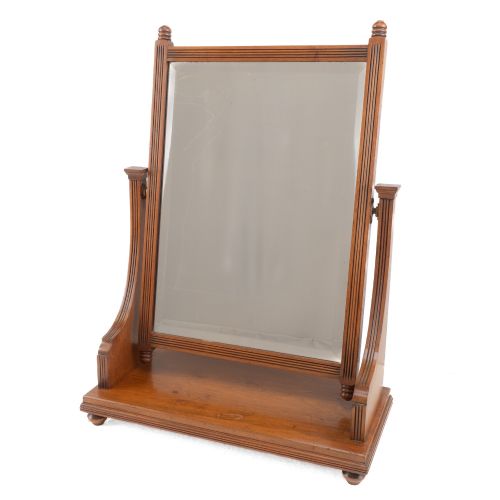
A tabletop swivel mirror, often found as a dressing table or toilet mirror, is designed to tilt on a frame for personal grooming. These pieces sit directly on furniture surfaces rather than hanging on a wall.
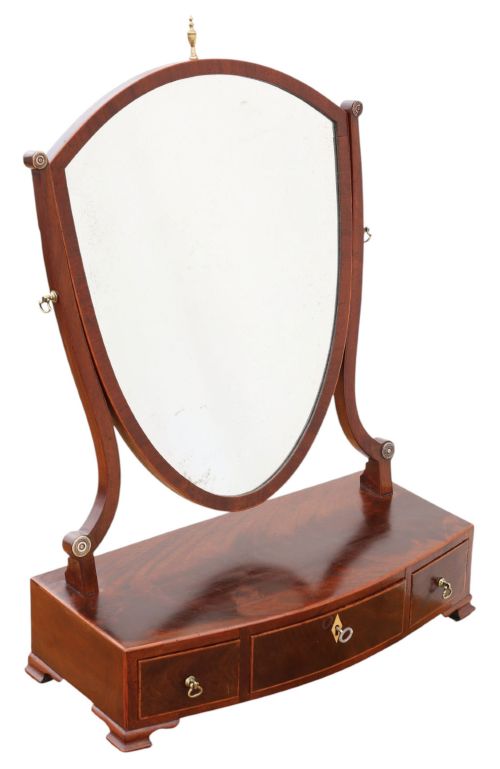
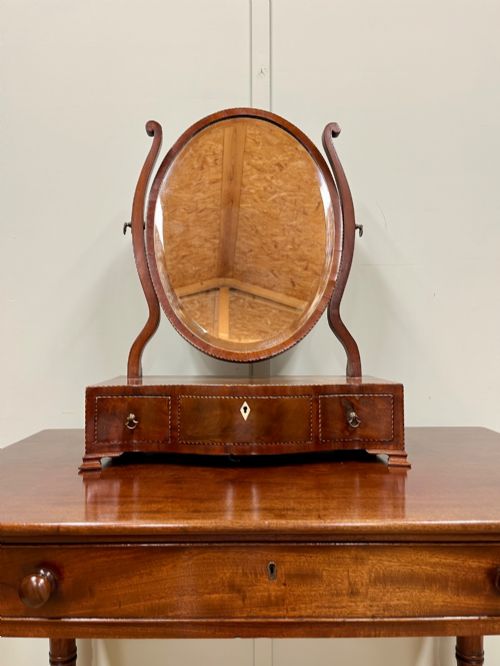
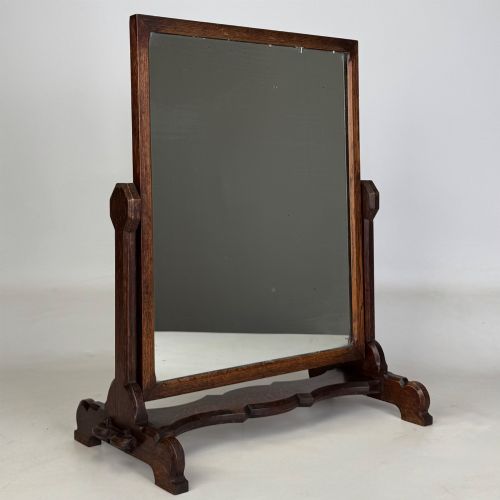
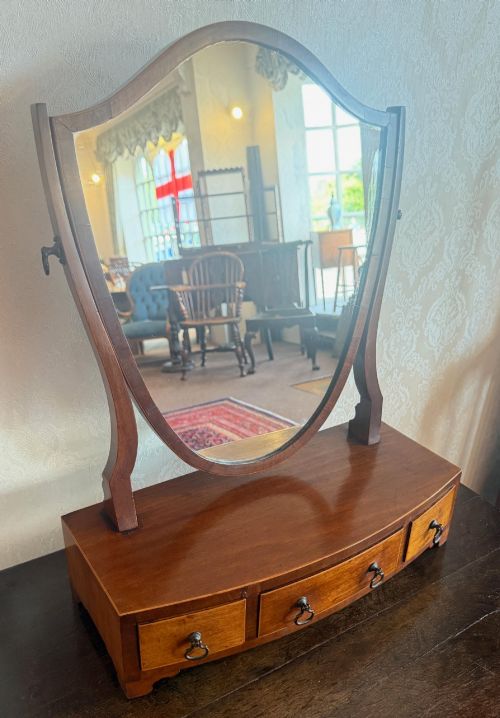
The versions most common on this page date from the eighteenth, nineteenth, and early twentieth centuries. They appear frequently in mahogany, walnut, and oak, often incorporating small drawers beneath the glass frame.
How they were made
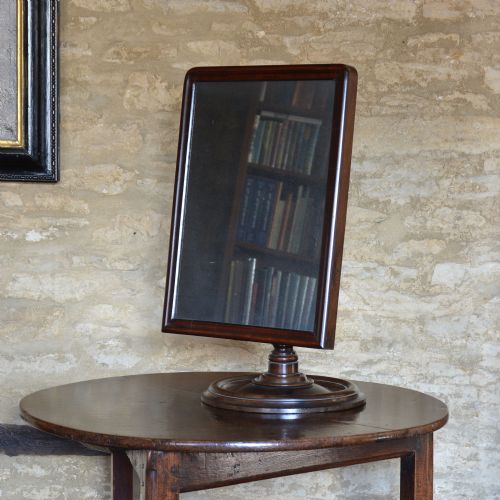
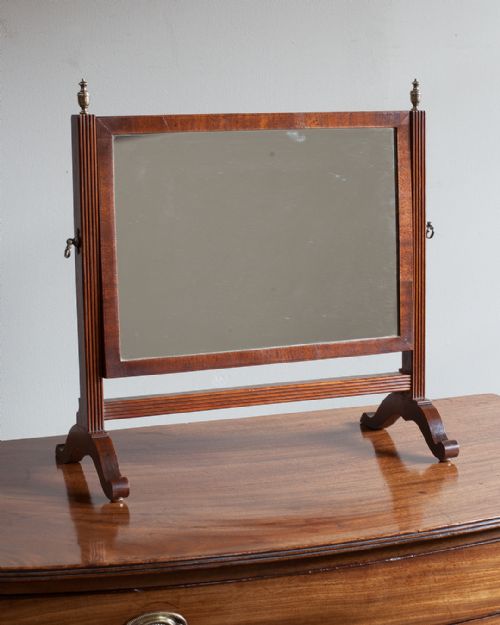
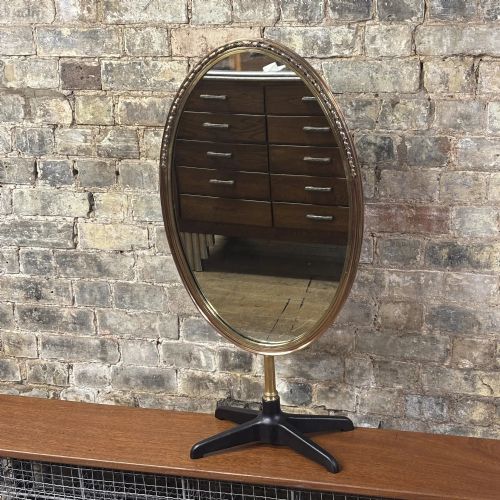
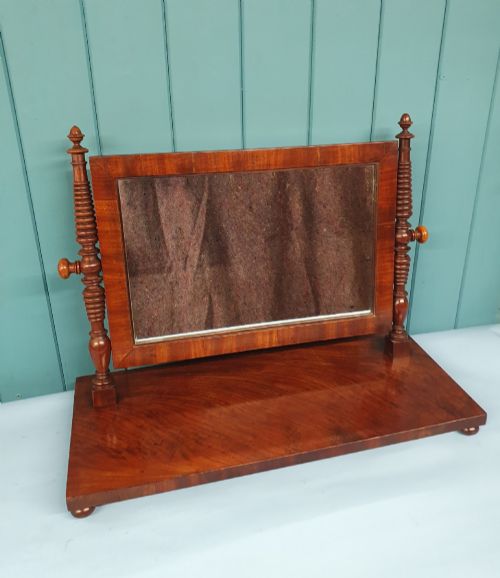
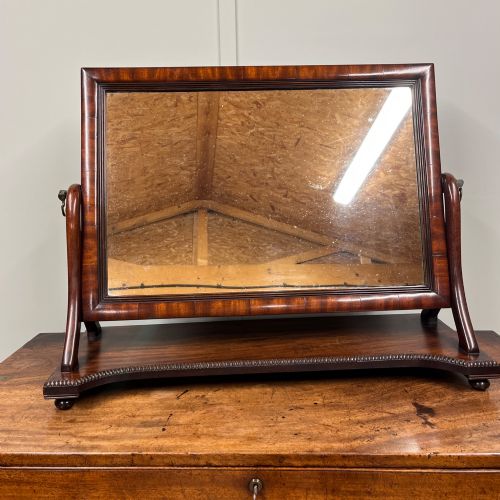
Cabinetmakers constructed the frames and stands using timbers such as mahogany, walnut, and oak, frequently shaping the mirror plates into shields, ovals, or rectangles. Brass pivots, screws, and brackets allowed the glass to swing freely at various angles.
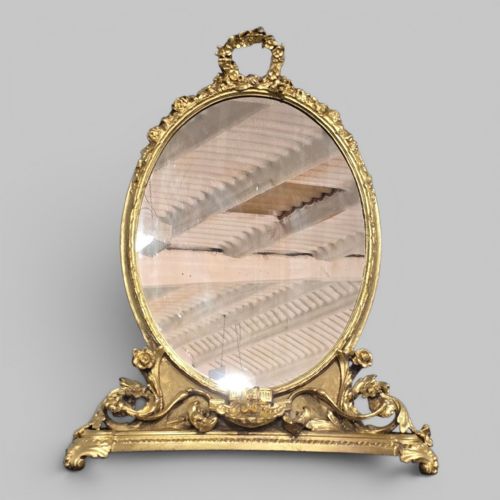
More decorative examples incorporate giltwood, parcel-gilt detailing, bone inlay, or cast bronze mounts. Secondary woods and traditional joinery support the structure of the base boxes, which often house small storage drawers.
Tabletop Swivel Mirror Retail Price Guide 2026
Typical asking prices for tabletop swivel mirror among the pieces listed under this phrase on Sellingantiques today, from the lower quarter to the upper quarter. They describe what is for sale here now, not the wider market.
Current listings feature mirrors in mahogany, walnut, oak, and brass across Georgian, Victorian, and Edwardian periods.
What varies in quality
The standard of timber selection and cabinet work dictates the grade of a tabletop swivel mirror. Finely figured mahogany veneers, precise dovetail joints in the base drawers, and well-cast brass hardware elevate an example above standard utility pieces.
Proportion and execution of the frame dictate visual success. Elegantly swept horn supports, clean carving on George II or Regency frames, and original mirror glass distinguish superior craftsmanship.
Heal & Sons·Thomas Rubergall
The Tabletop Swivel Mirror Glossary
- Toilet mirror
- A small mirror designed for a dressing table, usually featuring a swivelling plate mounted on a box base with drawers.
- Swing mirror
- An alternative term for a mirror frame hung on pivots that allows the glass to tilt back and forth.
- Parcel-gilt
- Woodwork partially decorated with thin leaf gold applied to specific carved details or mouldings.
- Bowfront
- A curved front profile commonly seen on the base drawers of Georgian dressing mirrors.
- Cheval mirror
- A full-length standing mirror, though the term occasionally describes larger tabletop swing mirrors from the Edwardian period.
Tabletop Swivel Mirror: Frequently Asked Questions
Where should I place a tabletop swivel mirror?
These mirrors sit comfortably on dressing tables, chests of drawers, or sideboards in bedrooms and hallways. Their compact footprint requires only a stable surface and adequate natural light.
Ensure the supporting furniture matches the depth of the mirror base so the piece remains secure when tilted.
How do the swivel mechanisms work?
The glass frame hangs between two upright posts using threaded brass screws and plates inserted into the sides. Tightening these pivots holds the mirror glass at the desired angle for use.
Older examples rely on simple wooden or brass pins that fit into holes on the supporting arms.
What periods do these mirrors represent?
The selection spans from the eighteenth century through the Georgian, Victorian, and Edwardian eras up to the early twentieth century. Styles range from plain George II designs to ornate Victorian and Art Deco pieces.
Details like ogee bracket feet, shield-shaped glass, and marquetry help distinguish the various decades of production.
Are the mirror plates original?
Many older pieces retain their original mirror glass, which may show light foxing, minor speckling, or ageing consistent with centuries of use. Replacement glass is also common on pieces that have undergone restoration.
Examining the silvering behind the glass and the backboards helps determine the history of the mirror plate.