




Georgian Style Oval Mirror
A georgian style oval mirror brings understated proportion and refined symmetry to a wall, offering a classic shape that collectors prize for its versatile elegance.
What They Are
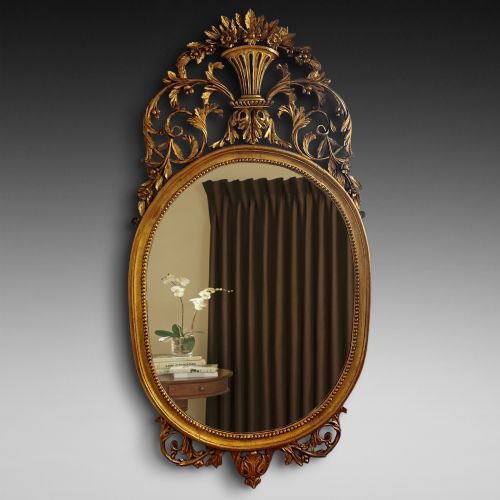
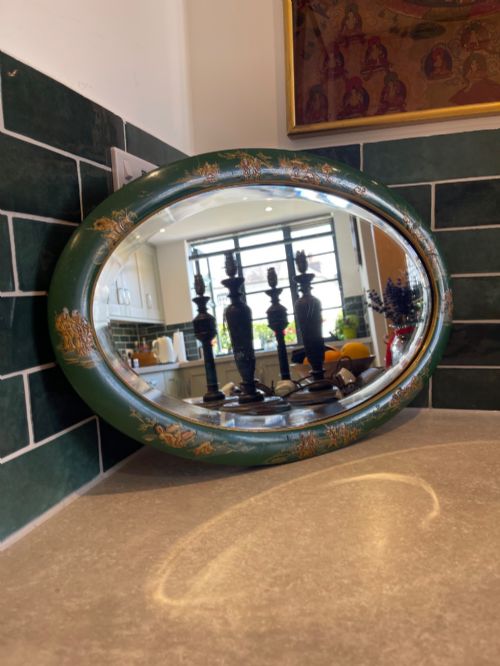
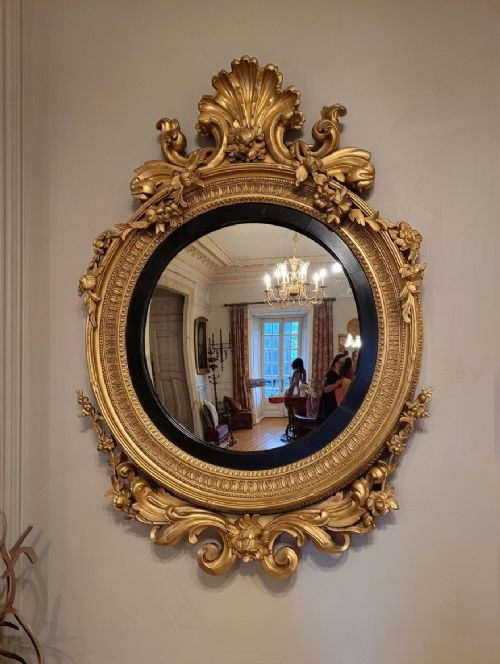
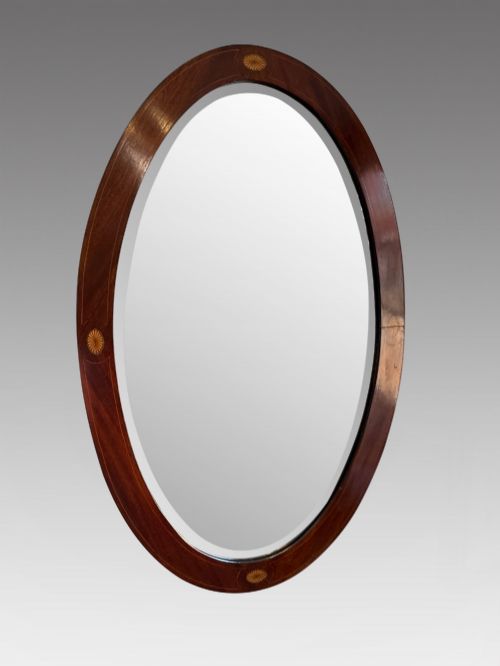
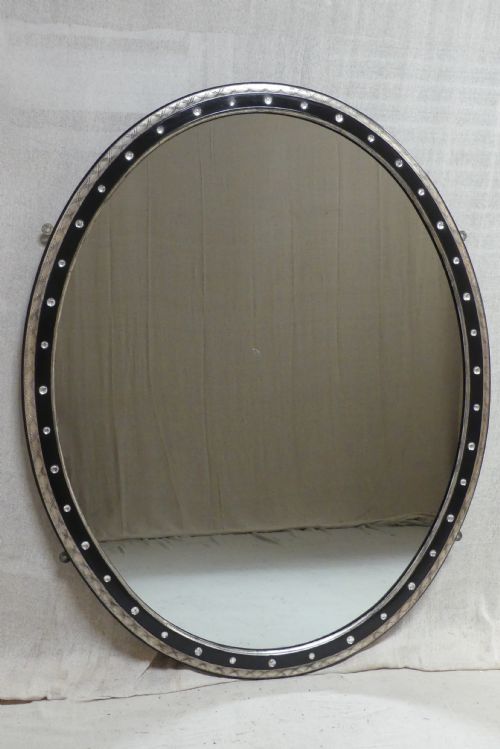
When you search for a georgian style oval mirror, you are looking at wall mirrors and smaller dressing or toilet glasses that echo eighteenth-century design principles. These pieces include hanging wall mirrors, cheval mirrors, and toilet mirrors designed for placement on tables or dressing chests.
The versions you are most likely to meet on this page span several periods and revivals, including Edwardian examples, pieces from the nineteenth century, and later interpretations from nineteen-twenty. Makers across these eras drew on traditional forms, producing both small decorative items and larger statement pieces.
Stylistic influences range widely across the inventory, taking in Chinoiserie decoration, Sheraton Revival motifs, Grand Regency boldness, and French Chateau aesthetics. This variety means a buyer can find anything from a delicate inlaid frame to a bold gilded piece.
How They Were Made
Construction relies heavily on traditional timber framing, utilising woods such as mahogany and satinwood inlay to build sturdy structures. Artisans shaped these materials to form the characteristic curved outlines required for oval mirror plates.
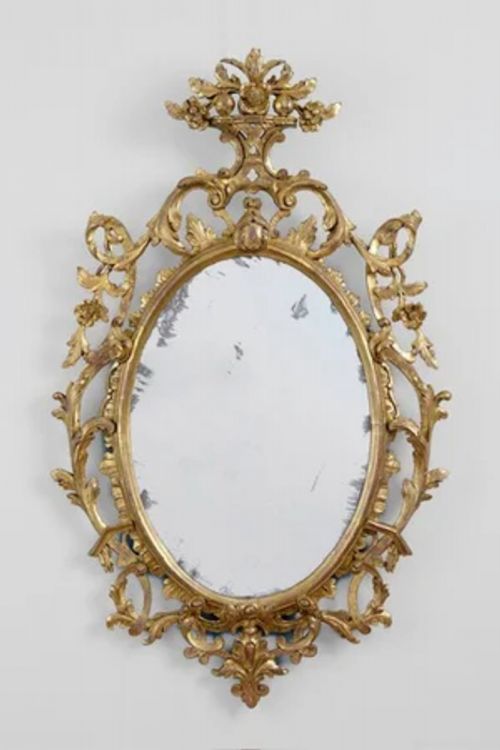
Surface decoration often involved the application of gold leaf or parcel gilt finishes to highlight carved details and mouldings. Lacquer work and specialised painting techniques also appear, notably on pieces influenced by Chinoiserie styles.
Retail Price Guide 2026
Typical UK retail prices for georgian style oval mirror, calculated from the Sellingantiques database of over a million retail prices indexed since 2003. This retail price guide relies exclusively on Sellingantiques data; no external sources or auction records are used, so the figures do not describe the wider market.
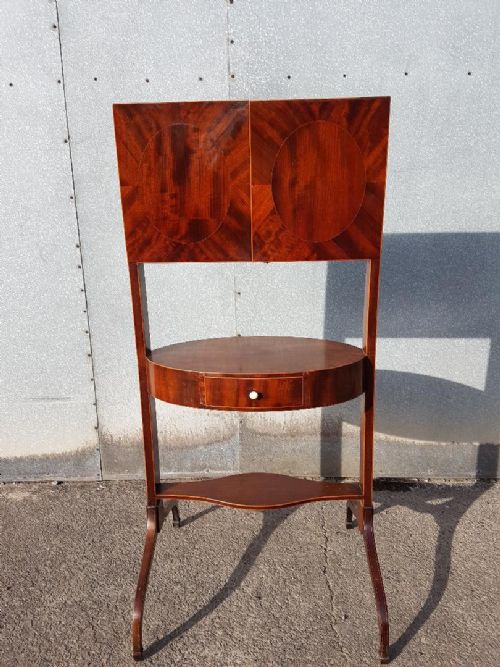
Some Edwardian makers clearly loved a little extra curve, turning standard dressing tables into stages for sweeping mahogany ovals.
What Varies in Quality
Quality in these mirrors rests on the finesse of the joinery and the selection of timber, where well-figured mahogany or crisp satinwood inlay distinguishes finer pieces. The depth and execution of gilding also separate standard workshop output from exceptional examples.
The integration of decorative styles dictates the visual success of the piece, with subtle proportions and balanced ornamentation marking out the better-realised items across all periods.
The Georgian Style Oval Mirror Glossary
- Parcel Gilt
- Partial gilding applied only to specific carved areas or raised details of a frame. This technique contrasts metallic sheen with exposed wood.
- Sheraton Revival
- Late nineteenth and early twentieth-century design movement inspired by the furniture of Thomas Sheraton. It relies on neoclassical restraint, satinwood, and delicate inlay.
- Cheval Mirror
- A full-length mirror hung in a freestanding frame that allows the glass to swing. These pieces typically stand on four feet.
- Toilet Mirror
- A smaller mirror mounted on a box base or upright supports, historically placed on a dressing table. They often incorporate small drawers.
Frequently Asked Questions
Where should I hang an oval wall mirror?
An oval wall mirror suits smaller wall spaces where a rectangular frame might feel heavy, or above a mantelpiece to break up linear architectural lines.
Because the curved shape draws the eye inward, these mirrors work well as focal points in hallways, bedrooms, or sitting rooms.
How do I distinguish Edwardian mirrors from older pieces?
Edwardian interpretations often display lighter timber framing and machine-prepared components beneath the decorative surface. Revival pieces from this period emulate earlier eighteenth-century aesthetics but generally show different secondary woods.
Examining the construction methods and the backing boards helps establish the precise era of manufacture.
How do I care for a giltwood frame?
Giltwood frames require gentle dusting with a soft, dry brush to protect the delicate gold leaf application. Moisture and harsh cleaning agents can damage the finish permanently.
Keeping the mirror away from direct sunlight and damp environments preserves both the wood and the reflective glass.