

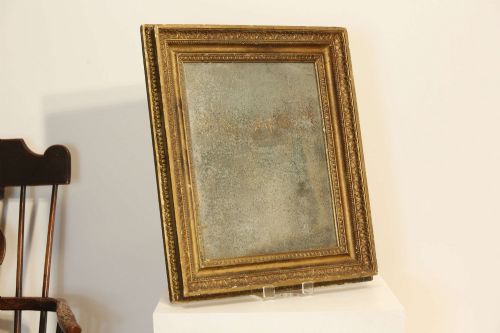
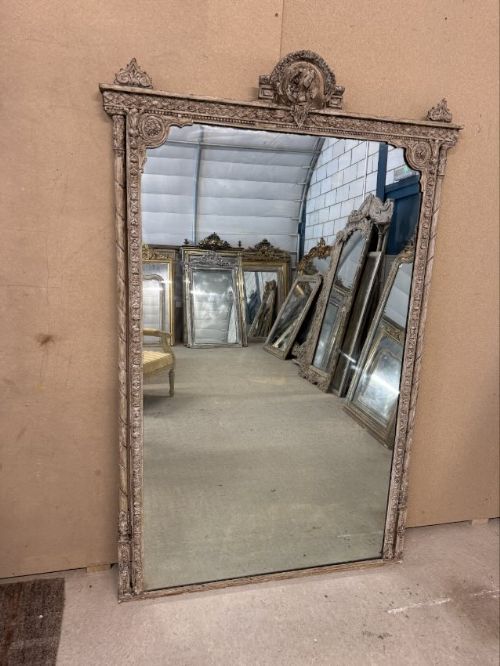
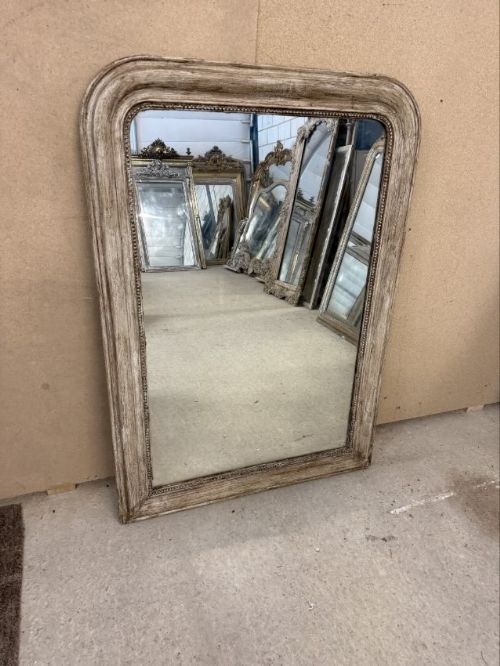
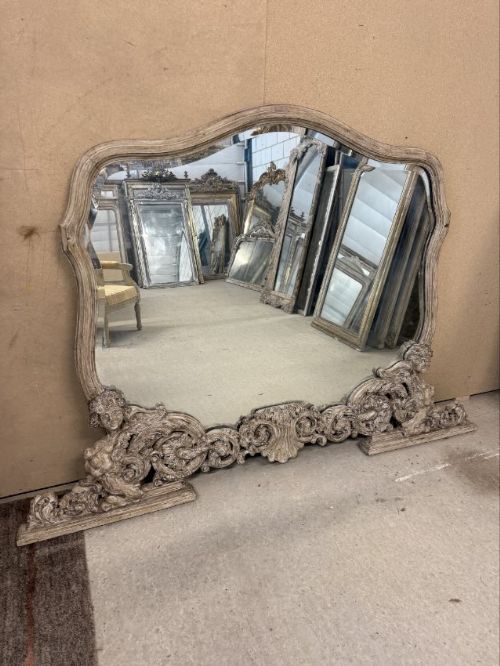
Distressed Wood Mirror
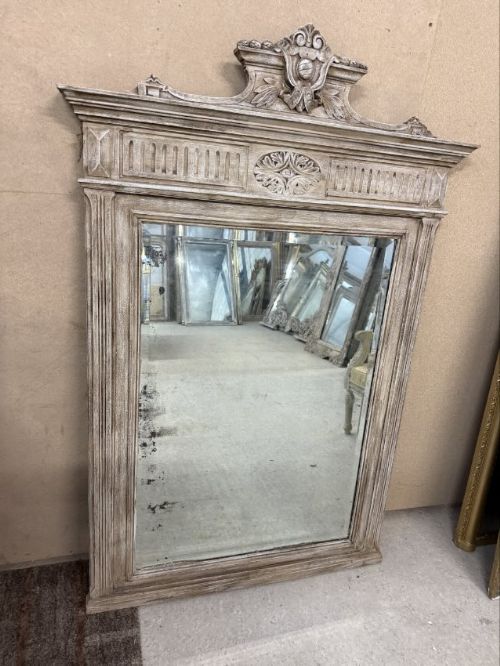
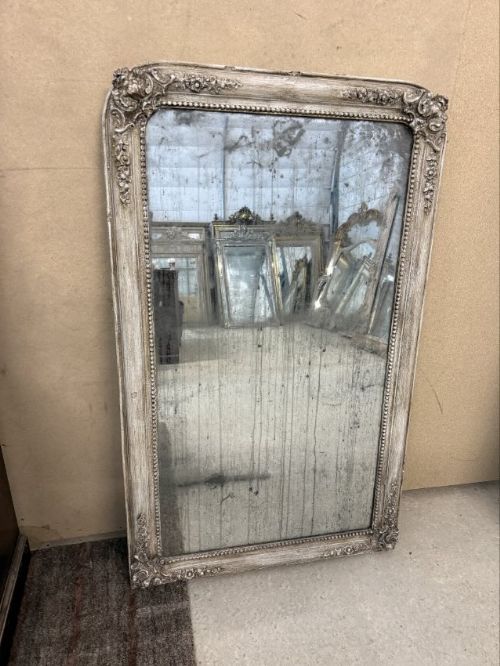
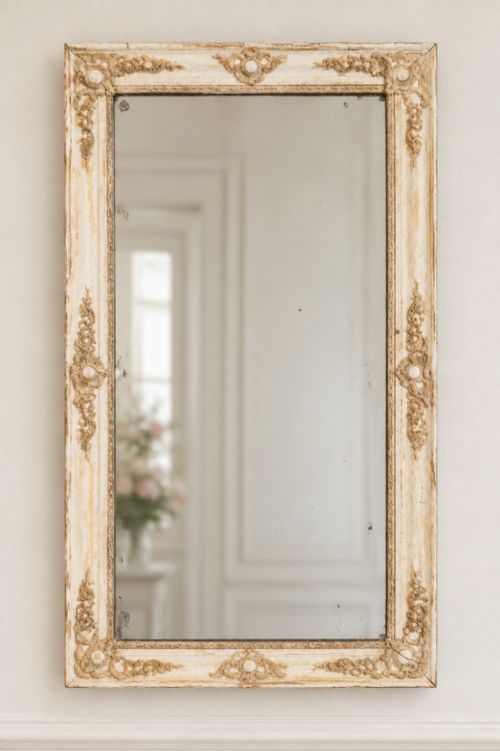
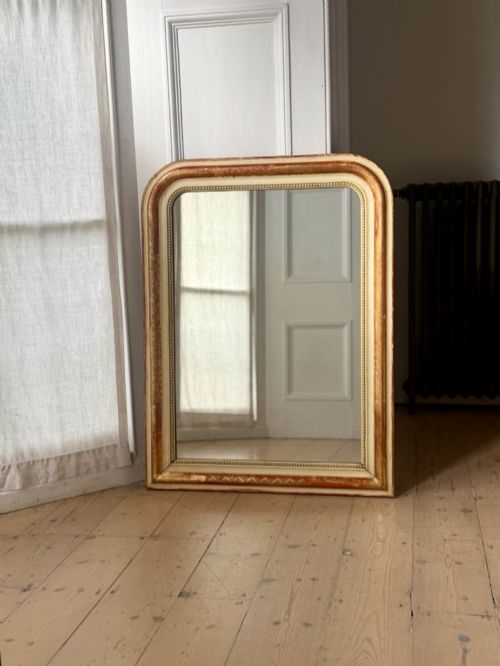
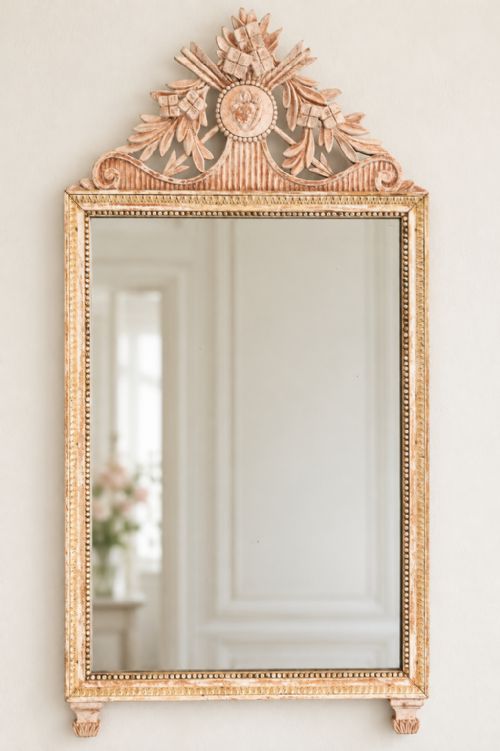
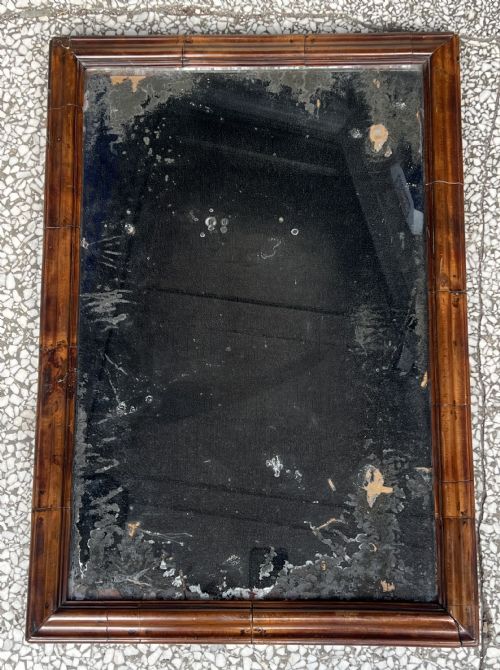
Distressed wood mirrors bring aged texture and historical character to interior spaces through weathered paint, carved gesso, and foxed glass plates.
Distressed Wood Mirror
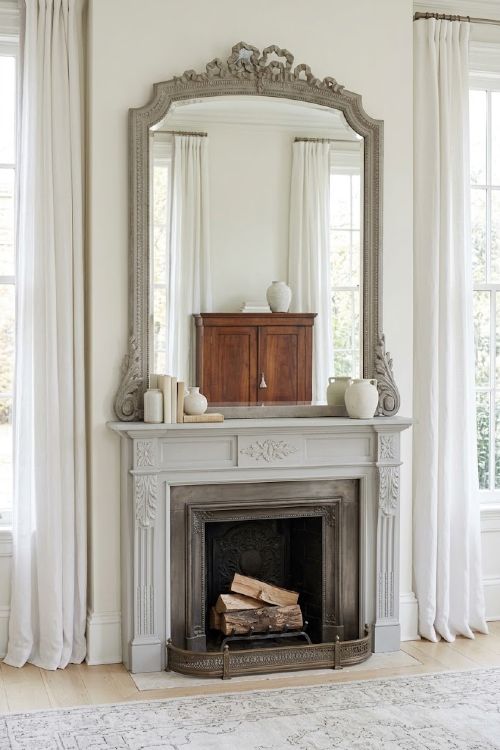
A distressed wood mirror bridges several periods, with the majority of pieces originating from the nineteenth century alongside examples from the eighteenth and early twentieth centuries. Common regional variations include French provincial, Italian baroque, and English country house aesthetics. These items appear primarily as large overmantel mirrors, architectural wall mirrors, and pier glasses designed to anchor a room.
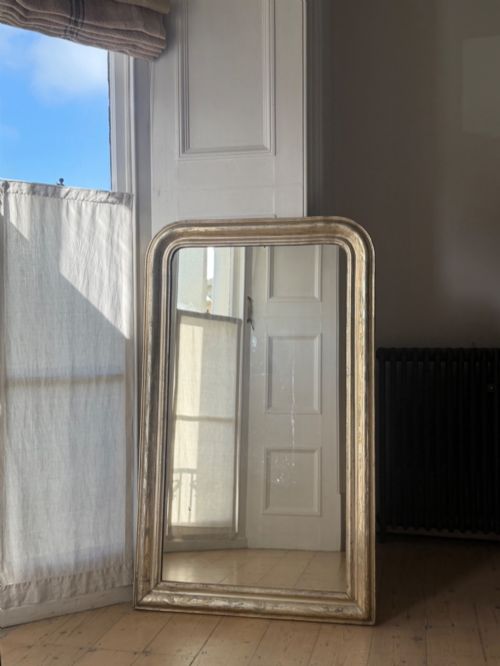
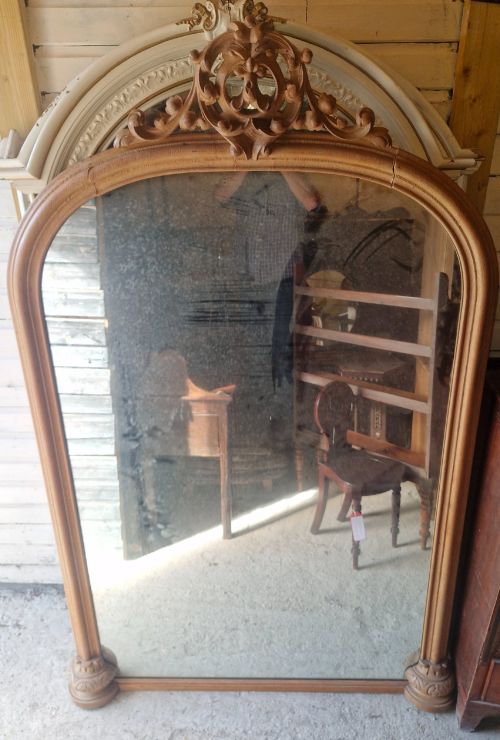
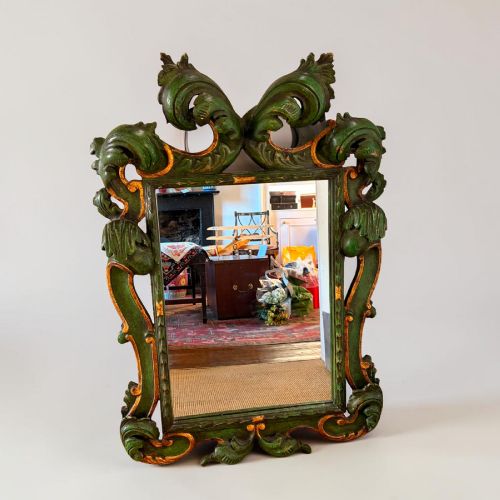
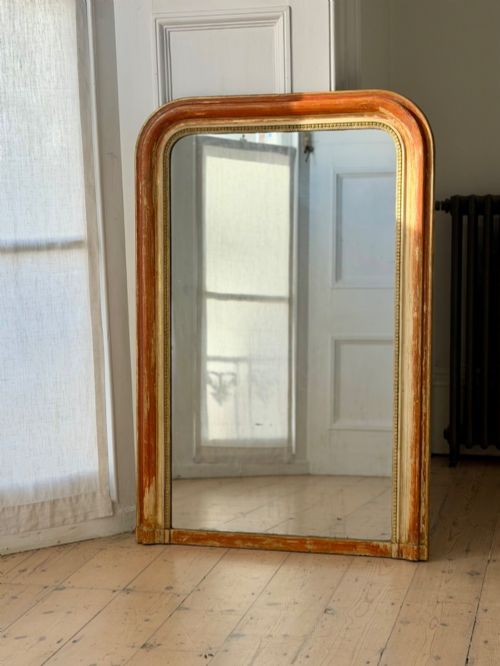
The selection ranges from grand giltwood frames with heavily oxidised surfaces to simpler painted pine and rustic carved wooden structures. Many feature shaped or arched tops typical of Louis Philippe and Victorian interior design. Salvaged architectural elements and smaller decorative wall mirrors also populate the category.
Materials and construction methods
Makers constructed the primary frames using carved wood such as pine, building up decorative relief ornament with layers of gesso. Artisans then applied finishes of paint, oil gilt, or silver leaf directly to the gesso substrate. Over decades of exposure, these accumulated layers naturally crack, chip, and wear down to the bare wood underneath.
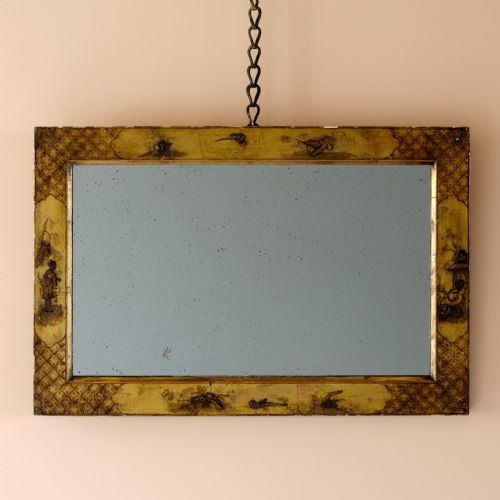
Reflecting plates consist primarily of mercury glass or early silvered mirror glass set into the timber rebates. The reflective backing frequently exhibits foxing, where chemical degradation creates dark spots and mottling across the glass surface. Backboards are typically constructed from joined pine or hardwood planks secured with period iron or steel fixings.
Distressed Wood Mirror Retail Price Guide 2026
Typical asking prices for distressed wood mirror among the pieces listed under this phrase on Sellingantiques today, from the lower quarter to the upper quarter. They describe what is for sale here now, not the wider market.
Many historical mirrors retain traces of old candle soot trapped within the deep recesses of their carved gesso foliage.
Judging quality and authenticity
Quality rests in the integrity of the original carved details and the depth of the surface patina. Superior examples display crisp hand-carving beneath the gesso and paint layers, whereas lesser pieces rely on shallow moulded composition ornament. The originality of the surface finish dictates value, separating genuine historical wear from modern artificial distressing.
The state of the mirror plate contributes heavily to a piece's desirability. Original mercury or early silvered glass with natural foxing adds considerable character, provided the plate remains secure within the original frame rebate. Structural soundness in the underlying timber frame ensures the mirror can support its own considerable weight safely on a wall.
The Distressed Wood Mirror Glossary
- Foxing
- The natural oxidation and deterioration of a mirror plate that causes dark spots and mottled patches. This chemical process occurs over many decades as moisture affects the silvering behind the glass.
- Gesso
- A plaster-like mixture applied to carved wooden frames to create a smooth surface for gilding and painting. Artisans mould intricate relief decorations directly into this material.
- Overmantel mirror
- A large horizontal mirror designed specifically to hang above a fireplace mantelpiece. These pieces frequently feature arched or shaped tops to fit architectural proportions.
- Trumeau pier mirror
- A tall, narrow mirror designed to fit the wall space between two windows. They often incorporate painted panels or carvings above the glass.
- Mercury glass
- An early type of mirror glass backed with a mercury and tin amalgam rather than modern silver. It produces a distinctive warm, reflective quality with characteristic clouding.
Distressed Wood Mirror: Frequently Asked Questions
What causes the dark spots on antique mirror glass?
The dark spots, known as foxing, result from moisture and atmospheric gases slowly penetrating the backing behind the glass over generations. This chemical breakdown of the silvering layer creates unique mottled patterns unique to each plate.
Collectors prize genuine foxing as an indicator of age and authenticity. It softens the reflection and distinguishes antique glass from modern reproductions.
Can I clean a distressed painted frame without damaging it?
Dust the carved wood gently with a soft, dry brush or a microfiber cloth to remove surface particles. Avoid liquid cleaning solutions, solvents, or wax polish, as these can strip away fragile historic paint and flaking gesso.
If deeper cleaning is necessary, consult a professional conservator. Preserving the dry, chalky patina is essential for maintaining the historical character of the piece.
How do I distinguish an 18th century mirror from a 19th century copy?
Eighteenth-century mirrors typically feature hand-beveled glass plates fixed with older hand-forged iron nails and pine backboards with distinct tool marks. The carving style leans towards authentic regional Rococo or Georgian motifs executed with individual craftsmanship.
Nineteenth-century revival pieces often employ more uniform machine-sawn timber and standardised fixings beneath the gesso. Examining the construction behind the frame reveals the manufacturing methods of the period.