
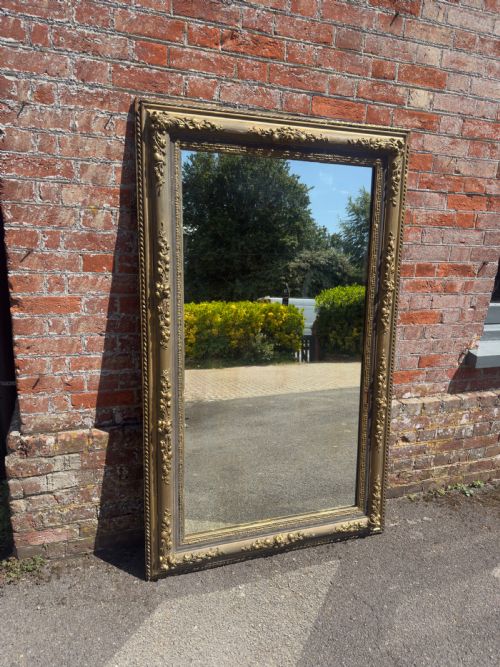


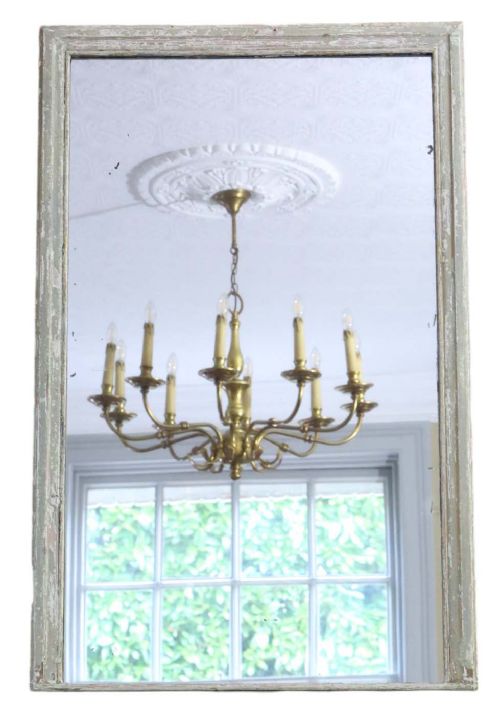
Rectangular Painted Mirror
A rectangular painted mirror brings light and scale to a room, offering functional reflection within a decorative wooden frame.
Rectangular Painted Mirror
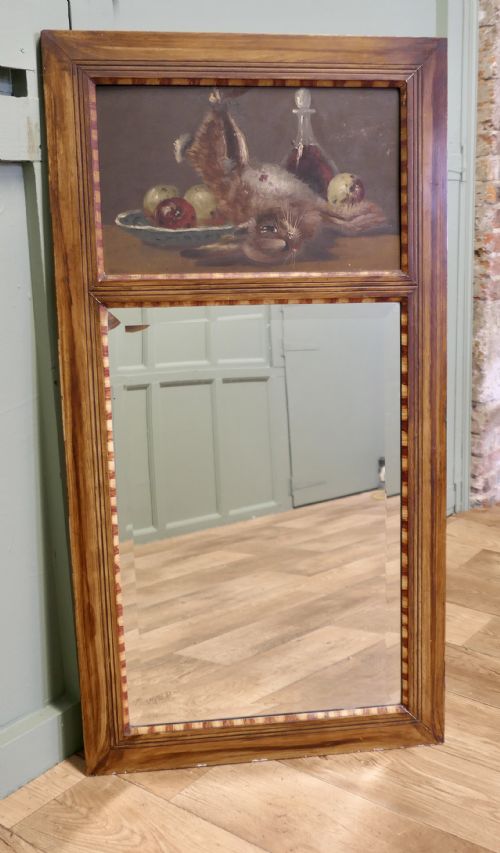
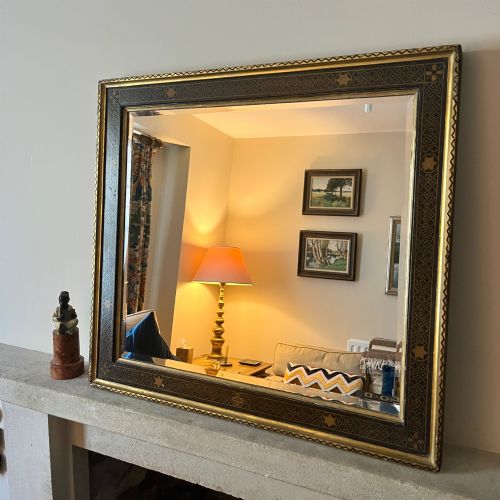
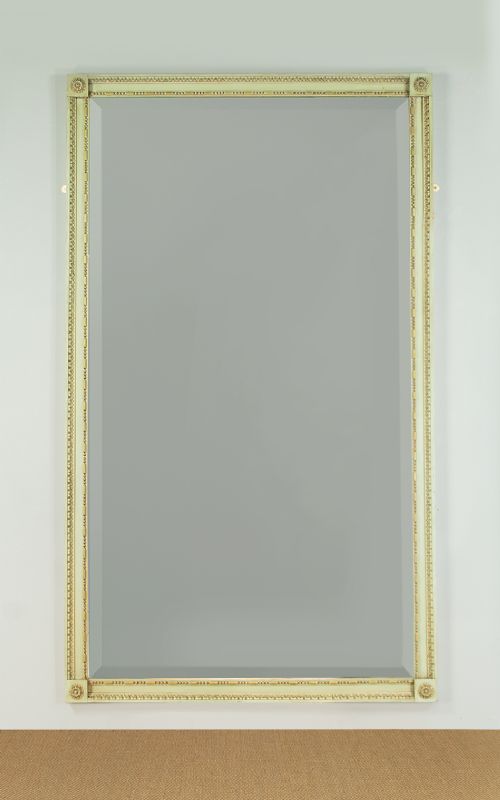
A rectangular painted mirror serves as a prominent wall hanging or overmantel piece, designed to anchor a room while bouncing daylight across the space. When searching for a rectangular painted mirror, buyers encounter a range of forms, from grand French trumeau and overmantel designs to simpler wall mirrors.
The pieces appearing here span from the 18th century through the Victorian era and into the early 20th century. French and English origins dominate the selection, often taking the form of large wall mirrors, overmantels, or pier mirrors meant to hang between windows or above fireplaces.
Makers and workshops of the 19th century produced these items with considerable variation in scale, from intimate dressing mirrors to massive shop and bistro mirrors. Surviving examples demonstrate how deeply these furnishings mattered to period interiors, functioning simultaneously as practical looking glasses and architectural focal points.
Materials and construction methods
Wood serves as the primary structural foundation for these frames, frequently built from carved timber or shaped panels. Artisans applied layers of gesso over the wood to create a smooth, malleable surface suitable for fine detail work and crisp moulding profiles.
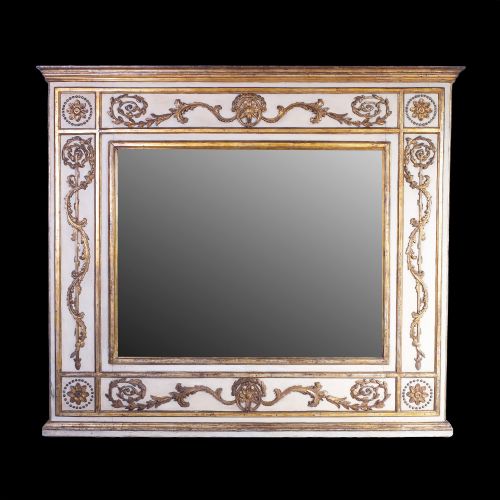
Surface decoration relies heavily on paint and gold leaf, often combined as parcel gilt to highlight specific carved motifs such as scrolls or bead reels. Mirror glass of the period was set within these painted wooden rabbets, occasionally featuring bevelled edges or marginal plates depending on the style and date.
The archive even includes a 20th-century fun house mirror, proving that not all antique glass takes life quite so seriously.
Distinctions in quality and execution
The calibre of a rectangular painted mirror rests primarily on the depth and crispness of its carved wood and gesso ornamentation. Finer examples display hand-carved details that remain sharp beneath layers of historic paint, whereas lesser pieces rely on simpler moulded compositions.
The integrity of the original paint layer and the condition of the underlying gesso heavily influence the character of the object. Pieces that retain their historic painted surfaces without extensive modern repainting demonstrate superior preservation and craftsmanship.
The Rectangular Painted Mirror Glossary
- Trumeau
- A decorative wall mirror or panel featuring a painted or carved scene above the glass. These tall vertical pieces originated in France and were designed to sit between windows.
- Overmantel mirror
- A large mirror specifically proportioned to hang above a fireplace mantel. They often span the width of the fireplace surround and incorporate landscape or architectural formats.
- Gesso
- A plaster-like mixture applied to wooden frame surfaces to create a smooth base for painting and gilding. It allows for intricate relief ornamentation.
- Parcel gilt
- A decorative technique where specific raised portions of a frame are highlighted with gold leaf while the rest remains painted. This creates contrast against the primary painted ground.
- Pier mirror
- A tall mirror designed to hang on the narrow section of wall between two windows, known as the pier. They maximise natural light reflection in period reception rooms.
Rectangular Painted Mirror: Frequently Asked Questions
Where should I hang a large overmantel mirror?
These large mirrors traditionally sit directly above a fireplace mantel to draw the eye upward and reflect light from surrounding windows. They also function effectively on main living room walls where their generous scale can anchor the room.
Ensure the wall fixings are secured adequately into studs or masonry to support the substantial weight of carved wood and glass.
How do I identify a French antique mirror?
French mirrors from the 19th century frequently exhibit carved wood and gesso decoration with specific regional styles like Louis Philippe or provincial trumeau formats. Look for characteristic proportions, softer painted patinas, and traditional joinery on the reverse.
Many examples also bear the distinct decorative vocabulary of French country or chateau interiors from the period.
How should I clean a historic painted frame?
Dust the carved wooden and painted surfaces gently with a soft, dry brush to remove loose particles without disturbing the historic finish. Avoid using liquid cleaners, solvents, or abrasive cloths on the paint or gesso.
For the glass itself, apply a mild glass cleaner to a cloth rather than spraying directly onto the mirror, preventing moisture from seeping behind the plate.