





Painted Timber Frame Mirror
These painted timber frame mirror examples bring genuine period character to a room, offering practical reflection alongside distressed surface charm.
Painted Timber Frame Mirror
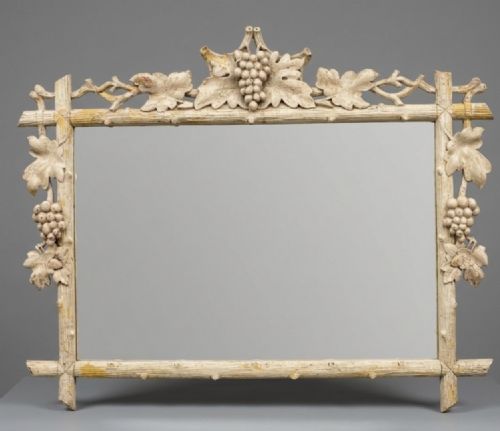
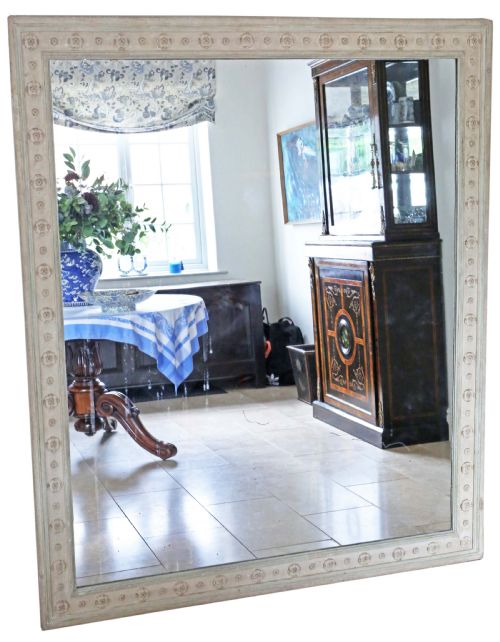
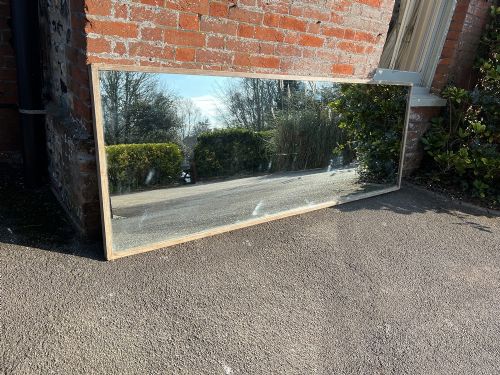
A painted timber frame mirror combines wooden construction with applied surface paint, taking forms such as overmantels, wall mirrors, bistro pieces, and dressing mirrors. You will most frequently encounter nineteenth century and early twentieth century examples originating from French and English workshops.
The styles span French provincial, French country, Victorian rustic, and English country traditions. Many feature large proportions suitable for hanging above mantelpieces or anchoring walls in living spaces.
How they were made
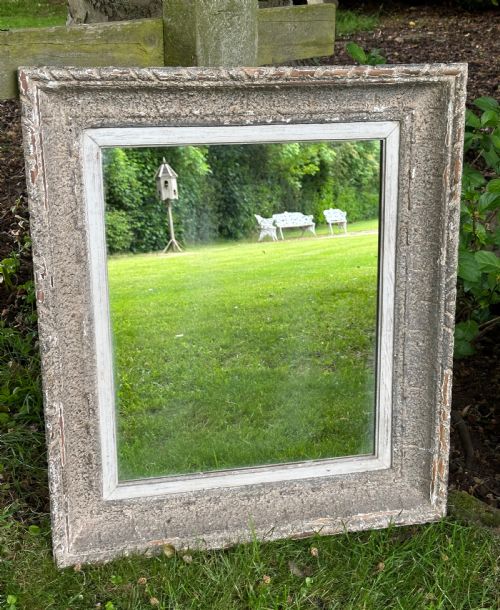
Frames are constructed from timber, frequently incorporating carved wooden elements and moulded gesso to build up decorative profiles. Artisans then applied surface paint finishes over the wood, which have acquired natural distressing and patination over decades.
Mirror plates are set within these heavy wooden structures, sometimes showing age through foxing or distressing. The combination of carved wood, gesso, and layered paint work together to create the finished decorative object.
The listings span the nineteenth and early twentieth centuries, featuring materials such as carved wood, gesso, glass, and painted timber.
What varies in quality
Quality rests in the depth of the carving and the integrity of the original wooden frame construction. Pieces with well-defined proportions and substantial scale show superior craftsmanship compared to simpler utilitarian frames.
The character of the painted surface also dictates distinction, where layered historic finishes contribute more visual depth than flat modern repaintings. Original glass plates and intact gesso mouldings separate finer examples from heavily restored ones.
The Painted Timber Frame Mirror Glossary
- Overmantel mirror
- A large wall mirror specifically designed to hang above a fireplace mantel. These pieces often feature wide timber frames and generous proportions.
- Gesso
- A plaster-like material applied to wooden frames as a base for shaping fine decorative details and mouldings before painting. It provides a smooth surface for crisp carving work.
- Bistro mirror
- A commercial mirror style originating from French hospitality spaces, typically characterised by a rectangular wooden frame and painted finish. They bring informal French country character to domestic interiors.
- Foxing
- The age-related spots and browning that develop within antique mirror plates. This natural oxidation process adds authentic historic character to the glass.
Painted Timber Frame Mirror: Frequently Asked Questions
How do I hang a heavy timber mirror safely?
Large timber frames require secure wall fixings suited to the weight of the wood and glass. Use heavy-duty brackets screwed directly into wall studs or masonry anchors.
Position the mirror at a height that balances the surrounding furniture, ensuring the hanging wire or D-rings are robustly attached to the frame.
Are these mirrors suitable for bathrooms?
Humidity in bathrooms can affect older timber frames and cause further degradation to historic painted surfaces. Condensation may also accelerate foxing within the original mirror plate.
Dry living spaces, hallways, and overmantel positions protect the materials from moisture damage while keeping the wooden frame stable.
How do I clean an antique painted frame?
Dust the carved wooden elements gently with a dry, soft cloth to remove surface debris without disturbing the paint layer. Avoid harsh chemical cleaners or excess water that might soften the gesso and paint.
Gentle maintenance preserves the historic surface patination and prevents accidental chipping of the aged finish.
How do I tell a French style from an English one?
French examples often display shaped arches, carved column details, and lighter provincial or chateau aesthetics. English pieces tend towards rustic Victorian forms and straightforward rectilinear timber construction.
Examining the carving motifs and the underlying timber preparation helps identify the regional workshop traditions.