


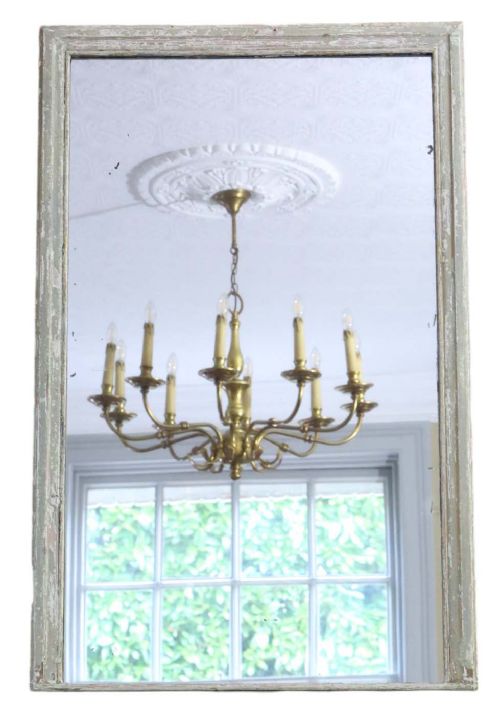

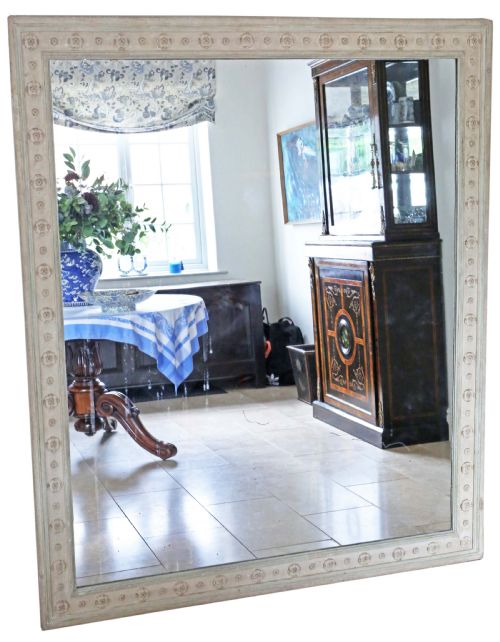

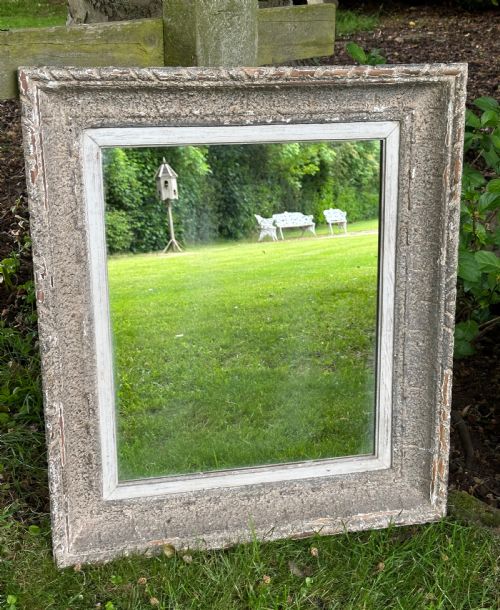

Distressed Rectangular Mirror
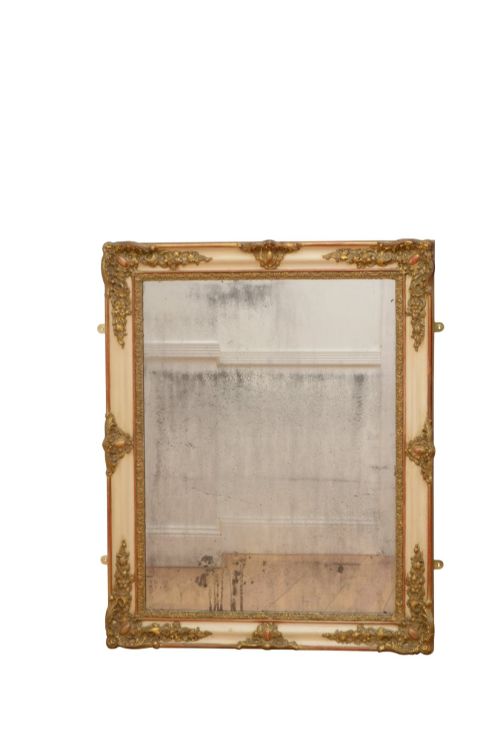
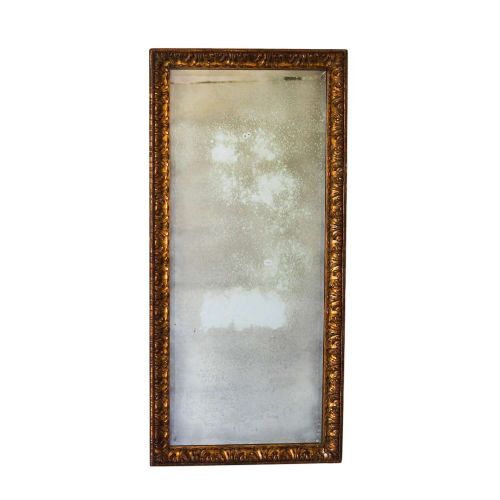
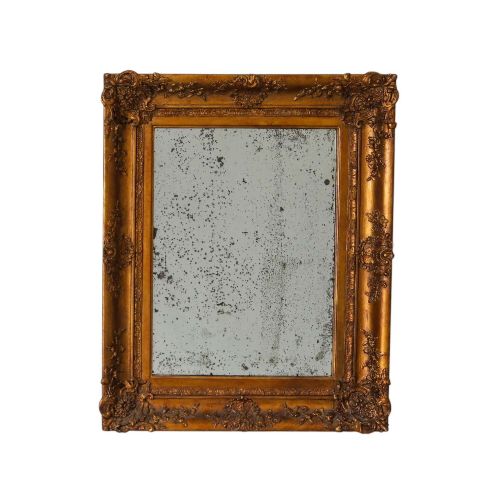
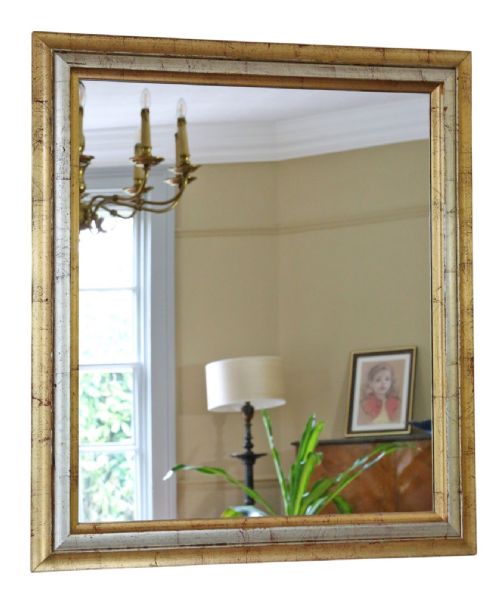
A distressed rectangular mirror brings genuine age and character to a room, offering reflective depth combined with weathered, patinated surfaces.
Distressed Rectangular Mirror
A distressed rectangular mirror typically takes the form of a wall-hung or overmantle looking glass designed to anchor a room. When you search for a distressed rectangular mirror, you encounter various incarnations ranging from French Provincial and French Chateau pieces to English country house designs.
Most examples originate from the nineteenth century, including specific dates such as 1850, 1860, 1870, 1880, and 1920, alongside Georgian periods. Forms vary from simple wall mirrors and dressing mirrors to grand overmantle mirrors and marginal mirrors.
French and English origins dominate the selection, showcasing styles such as French Rococo, Victorian, and Regency. These pieces serve practical dressing functions or act as substantial architectural statements above fireplaces.
How they were made
Construction relies heavily on carved wood frames finished with gesso and paint or applied gold leaf and giltwood. Artisans shaped timber carcasses to form rectangular profiles, applying layers of plaster-based gesso to build up decorative moulding before gilding or painting.
Mirror plates consist of traditional glass, often featuring foxed plates or original distressed surfaces that show the natural degradation of the backing over decades of oxidation. Brass also appears in specific bistro styles, providing robust metal framing for commercial or domestic spaces.
Periods recorded stretch from the Georgian era through the nineteenth century into the twentieth century.
What varies in quality
The depth and intricacy of the wood carving separate standard items from finer examples, particularly where carved details on gesso retain their crispness beneath layers of paint. The condition and character of the glass plate itself dictate much of the visual appeal, especially when original foxing or mercury mirroring creates authentic, uneven reflection.
Proportion and scale also define the hierarchy, with very large overmantle and marginal mirrors requiring substantial joinery to support heavy glass plates securely within the wooden frame. The integrity of the original painted or gilt finish, rather than subsequent overpainting, marks the distinction between untouched survivals and heavily restored pieces.
The Distressed Rectangular Mirror Glossary
- Gesso
- A plaster-like mixture applied to wood frames to create a smooth surface for gilding or painting. It allows intricate decorative details to be moulded onto the timber substrate.
- Foxed plate
- Mirror glass displaying dark spots and patches caused by the degradation of the silvering behind the glass over time. This creates a soft, mottled reflection characteristic of age.
- Giltwood
- Timber carved and subsequently covered with thin sheets of gold leaf or gilt. It provides a bright, reflective metallic finish that mellows with age.
- Overmantle mirror
- A large horizontal mirror designed specifically to hang on the wall directly above a fireplace mantelpiece. These pieces often dominate the chimney breast.
- Marginal mirror
- A looking glass where the main central plate is surrounded by a border of smaller, bevelled glass segments. This creates a faceted framing effect around the reflection.
Distressed Rectangular Mirror: Frequently Asked Questions
How do I clean an antique mirror plate?
Use a soft, dry microfibre cloth to remove dust from the glass surface without applying excessive pressure. Avoid standard commercial glass cleaners, as moisture can seep behind the old backing and accelerate the degradation of the silvering.
For stubborn marks, apply a minimal amount of distilled water to the cloth rather than directly to the glass. Gently wipe the surface and dry it immediately to protect the historic plate.
What is a foxed mirror plate?
A foxed mirror plate exhibits speckled dark spots and mottled discoloration where the reflective backing has oxidised over time. This chemical reaction occurs naturally as air and moisture interact with the silver or mercury behind the glass.
Collectors prize foxed plates for the atmospheric, softened reflection they produce. They indicate genuine age rather than modern artificial distressing.
Can these mirrors be hung safely?
Large mirrors require robust wall fixings anchored directly into structural studs or masonry to support their considerable weight. Professional installation is recommended, particularly for substantial overmantle formats.
Check that the original hanging loops or added steel brackets on the wooden frame remain secure before mounting. Distribute the weight evenly using appropriate heavy-duty picture wire or mirror plates.
How do I identify a French antique mirror?
French antique mirrors often feature carved wood and gesso frames styled in French Rococo, Louis Philippe, or provincial designs. The backboards typically consist of wide pine or hardwood planks held together with traditional joinery.
Look for nuanced paint patination and characteristic giltwood finishes typical of nineteenth-century workshops. The proportion tends to favour taller vertical formats or wide overmantle designs.