
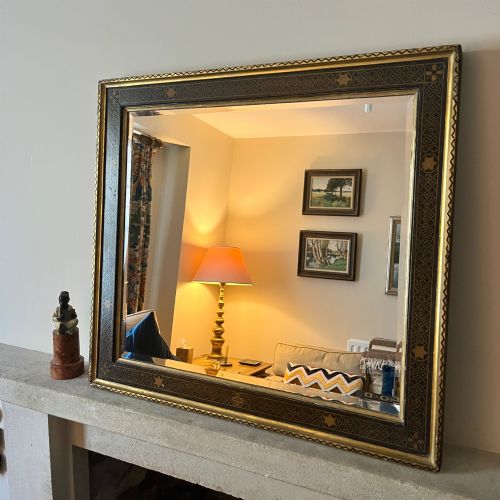
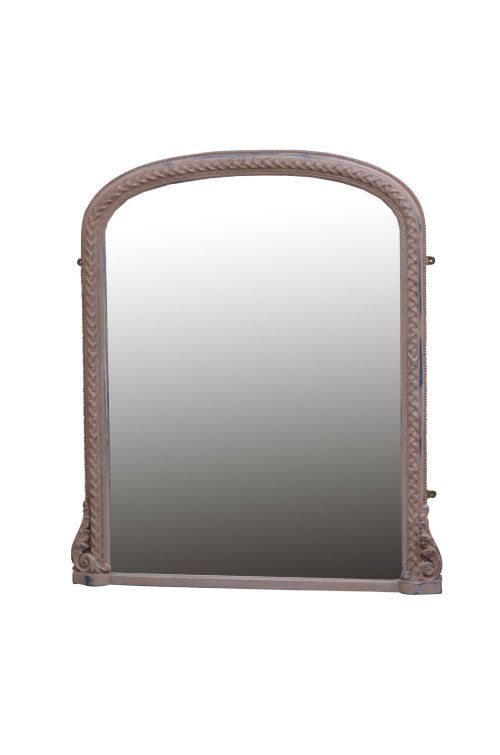
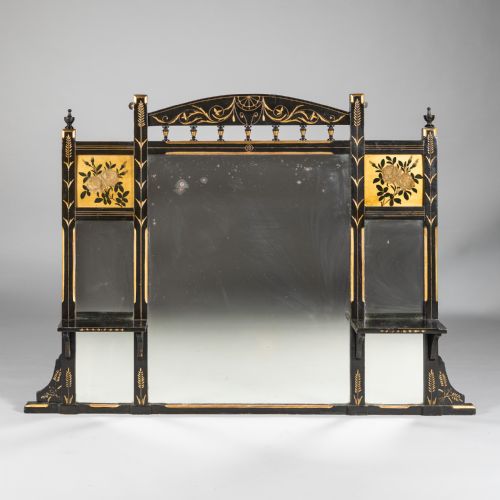
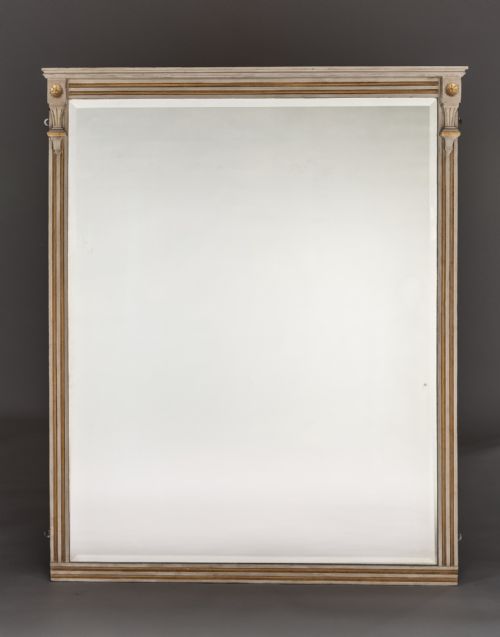



Painted Mantel Mirror
A painted mantel mirror brings architectural presence and reflected light to a room, drawing the eye directly above the fireplace.
Painted Mantel Mirror
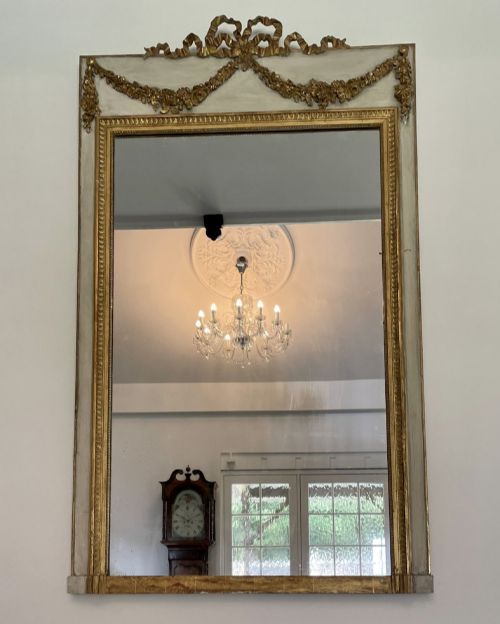
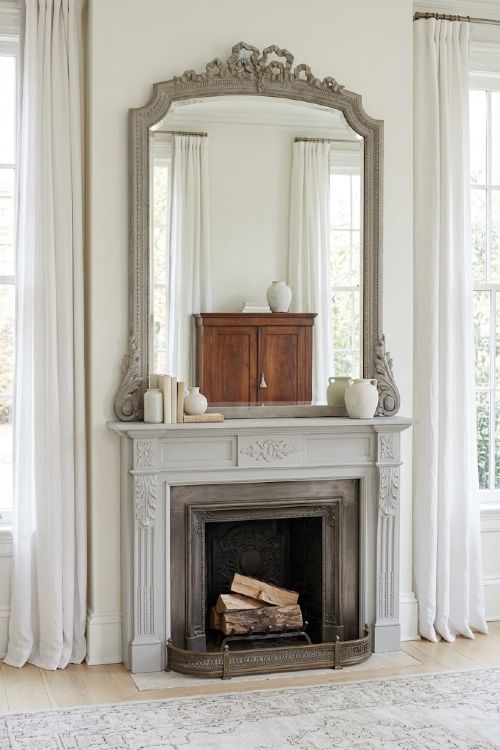
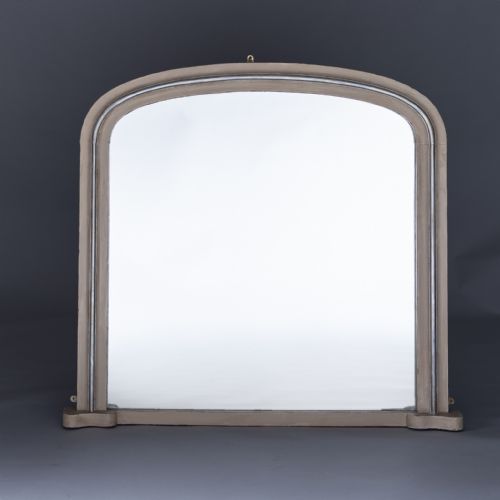
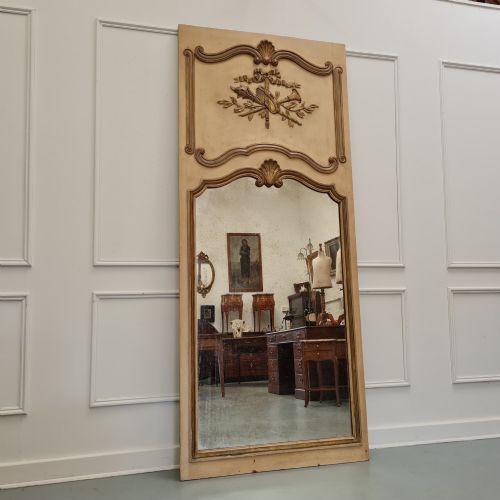
A painted mantel mirror serves as a grand focal point above a fireplace, combining functional reflection with decorative woodwork. The search phrase covers large overmantel frames, trumeau panels with inserted scenes, and architectural wall mirrors designed specifically to sit upon a chimney breast.
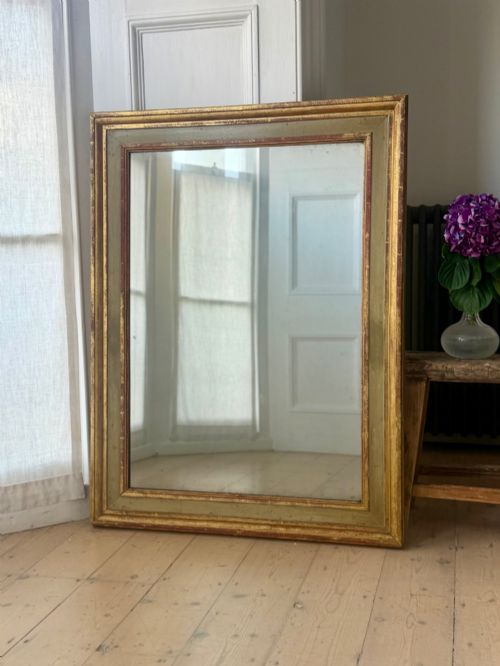
Most examples encountered here originate from the nineteenth century, spanning English Victorian workshops and French provincial centres. These pieces range from restrained, flat-painted mouldings to deeply carved, gessoed surfaces enriched with parcel-gilt details.
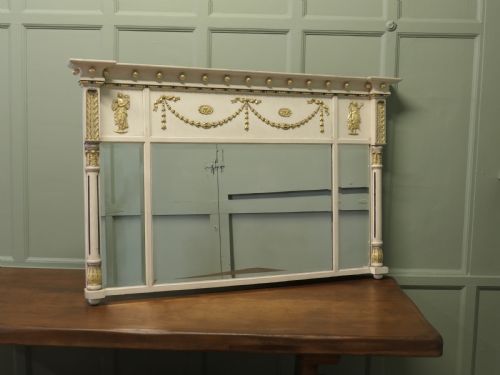
Formats vary from simple rectangular plates to arched tops, triple-plate compositions, and shaped crestings. Makers often tailored these dimensions to match the proportions of period domestic hearths.
Materials and construction
Carved wood provides the primary structural framework, frequently built from pine or hardwoods overlaid with a prepared layer of gesso. This fibrous plaster mixture allows craftsmen to mould sharp architectural reliefs, scrolls, and floral motifs before applying paint.
Finishing techniques rely on oil-based paints, ebonised coatings, or distemper, sometimes layered with gold leaf or silver leaf on raised areas known as parcel-gilding. Earlier plates utilise mercury glass, displaying characteristic soft speckling, while later examples feature standard silvered mirror glass.
Some nineteenth-century frames retain traces of old hearth soot tucked deep inside the carved gesso acanthus leaves.
Assessing quality
Quality rests in the crispness of the hand-carved gesso details and the integrity of the underlying wooden joins. Superior pieces maintain deep, legible relief work where mouldings meet, whereas lesser items rely on heavy, flat paint layers to obscure softer plaster casting.
The relationship between the mirror plate and the frame dictates overall harmony, with higher-grade examples retaining original mercury glass or heavy bevelled plates that match the exact contours of the rebate. Original painted surfaces showing honest, undisturbed age patination command greater aesthetic weight than later, unsympathetic repaint layers.
The Painted Mantel Mirror Glossary
- Gesso
- A traditional plaster mixture applied to carved wooden frames to create a smooth, buildable surface for fine detail work and gilding. Craftsmen layer this compound onto the timber base before carving crisp decorative motifs.
- Overmantel
- A large mirror specifically proportioned to hang or stand directly on the mantelpiece above a fireplace opening. These wide formats balance the horizontal spread of the hearth below.
- Trumeau
- A decorative wall mirror incorporating an integrated painted or carved panel above the glass plate. Originating in French interiors, these panels often depict classical scenes or pastoral subjects.
- Parcel-gilt
- A decorative technique where specific raised portions of a painted frame are selectively highlighted with gold or silver leaf. This method creates a contrast between the dark or coloured painted ground and the metallic enrichment.
- Mercury glass
- An early form of double-walled glass blown with a silvering mixture introduced between the layers, creating a characteristic speckled reflection. It remains a key indicator of earlier nineteenth-century production dates.
Painted Mantel Mirror: Frequently Asked Questions
How do I hang a heavy mantel mirror?
Most heavy overmantel mirrors are designed to rest securely on the mantel shelf itself while being anchored safely to the wall using heavy-duty steel brackets attached to the structural wooden frame. This dual support method relieves strain on the fixings.
Professional installation is recommended due to the substantial weight of carved wood, gesso, and thick glass plates combined in these large nineteenth-century pieces.
Can these mirrors go in modern rooms?
These pieces integrate smoothly into contemporary spaces by providing a deliberate contrast against minimalist walls and neutral plaster surfaces. Their generous proportions help bounce natural light deep into modern living areas.
Placing one above a contemporary fireplace or grounding it directly on the floor transforms an ordinary wall into a strong architectural feature.
What is the difference between an overmantel and a wall mirror?
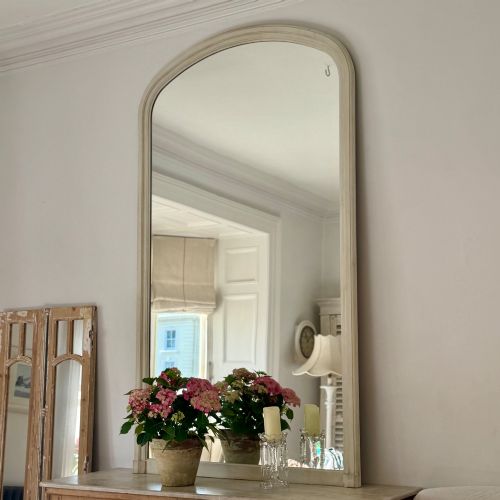
Overmantel mirrors feature specific horizontal proportions and frame designs intended to sit directly above a chimney breast, often resting on the mantel shelf itself. Standard wall mirrors are proportioned for vertical hanging in hallways, bedrooms, or general reception rooms.
While both share painted and gilded wooden construction, the overmantel is engineered to anchor visually with fireplace surrounds.
How do I clean antique mirror glass?
Antique glass requires gentle cleaning with a soft, dry microfibre cloth to remove dust without disturbing delicate silvering or vulnerable edges. Harsh modern chemical sprays should be avoided entirely to prevent moisture seeping behind the plate.
If liquid is necessary, use a damp cloth with mild soap, drying the surface immediately to protect the historic silver backing.