


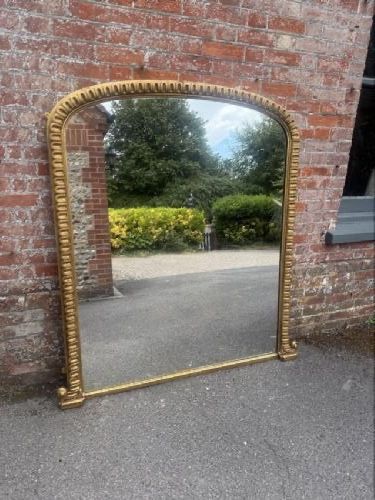
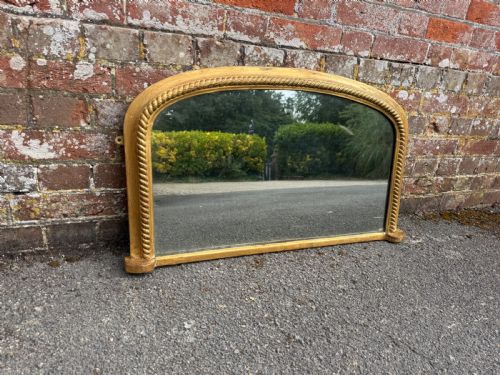
Large Arch Mirror
A large arch mirror brings height and a reflection of light into a room, drawing the eye naturally upward with its curved top.
Large Arch Mirror
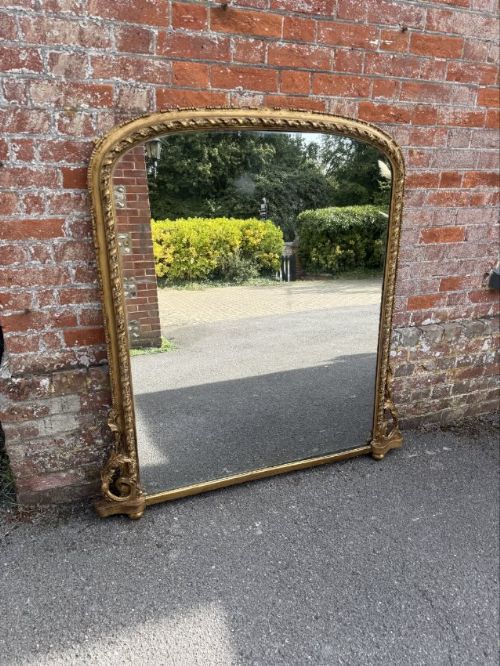
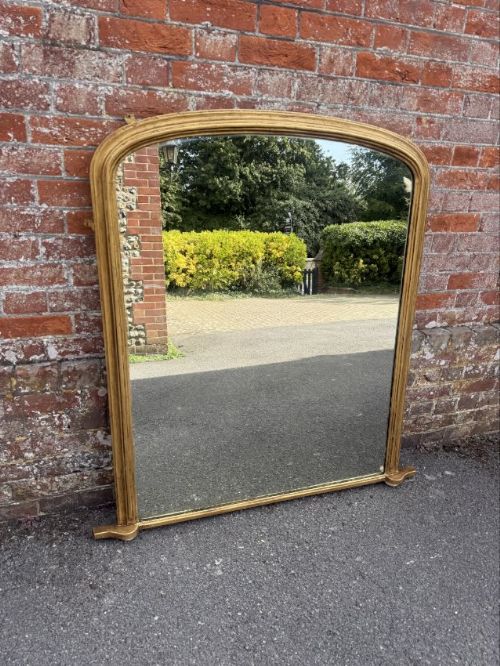
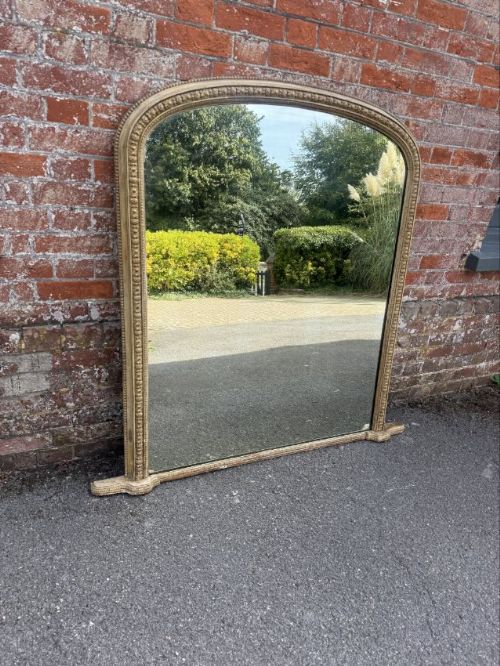
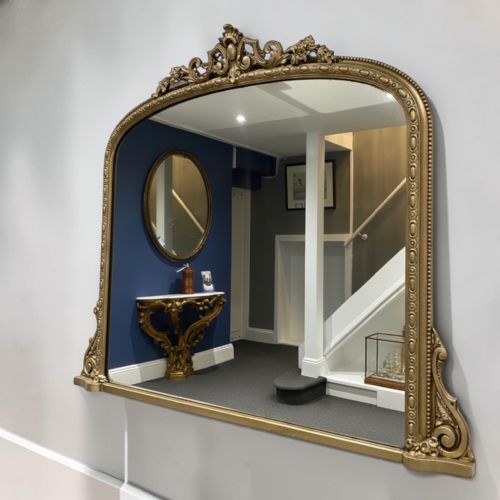
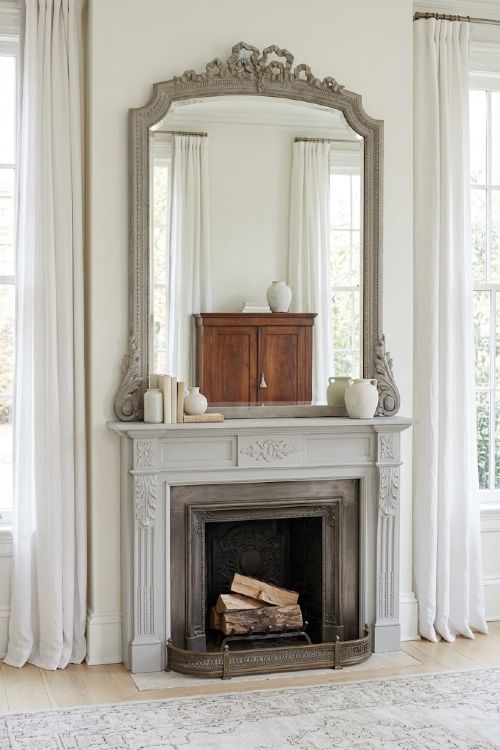
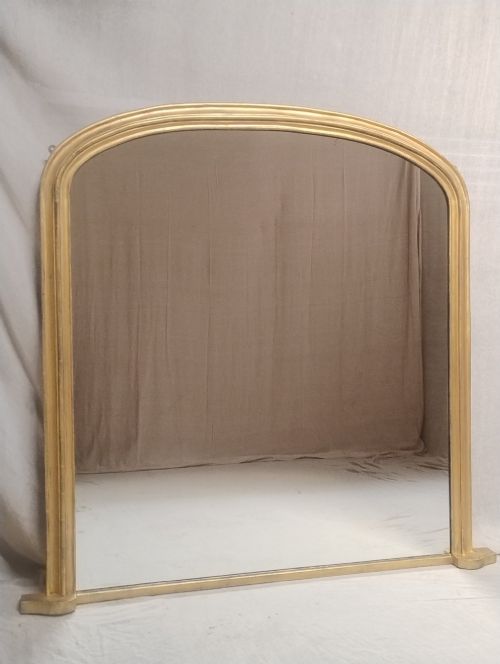
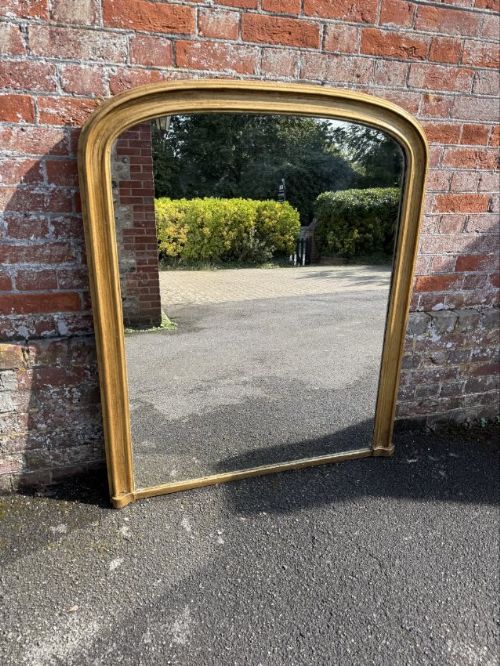
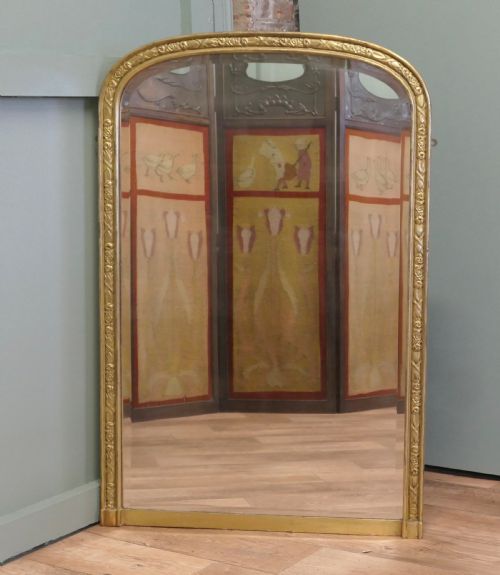
A large arch mirror serves as a dominant architectural element, frequently taking the form of an overmantle mirror designed to sit above a fireplace. These pieces originate predominantly from the nineteenth century, spanning the Victorian and Georgian eras as well as French provincial traditions.
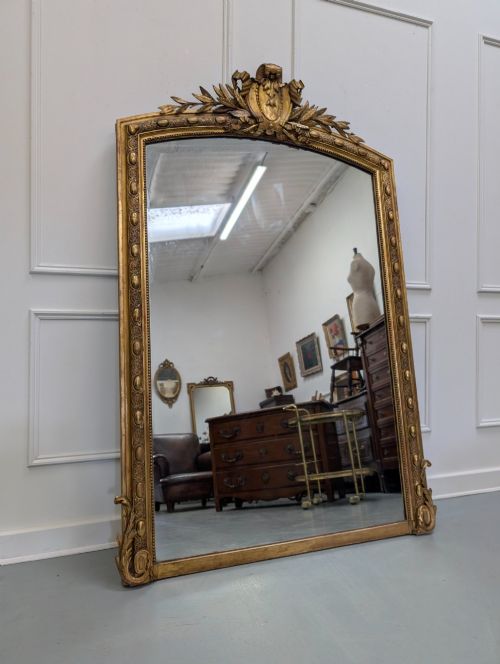
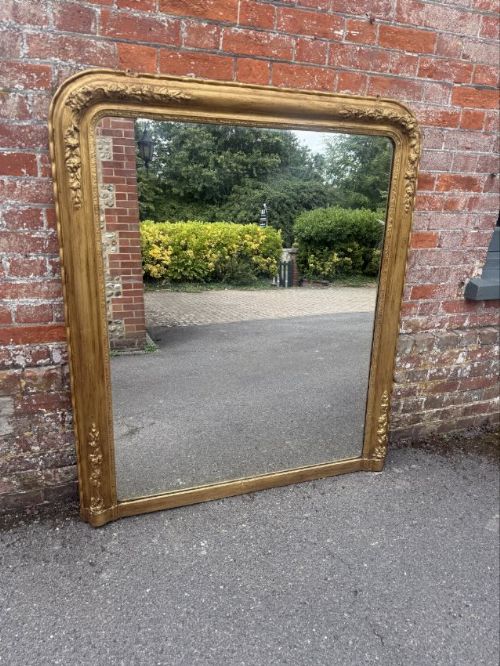
The most common examples encountered on this page are English and French overmantle mirrors featuring carved wooden frames coated in gesso and gilt. They range in height from standard wall-hanging proportions to monumental statement pieces exceeding one hundred and sixty centimetres.
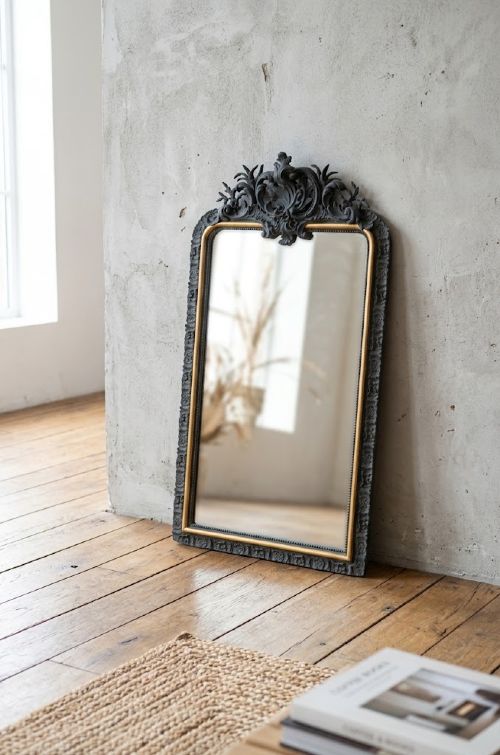
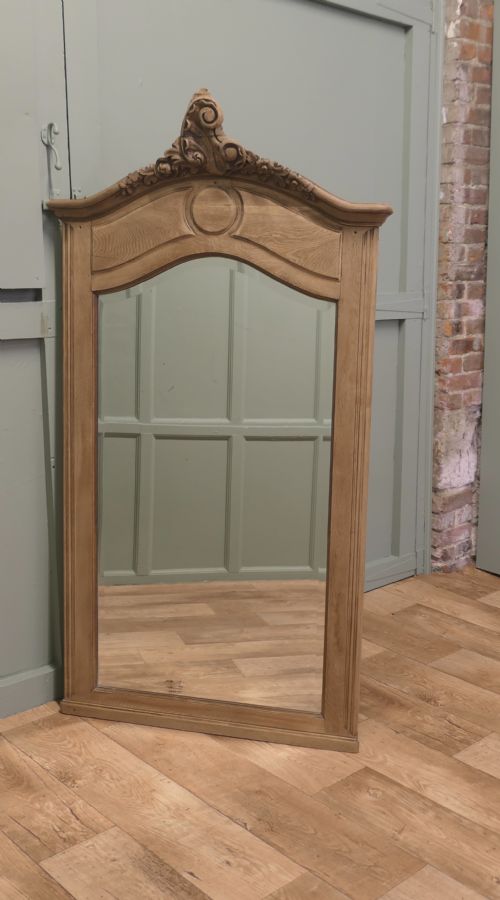
Beyond traditional overmantles, the selection includes pier mirrors, wall mirrors, and French Louis Philippe designs with characteristic rounded upper corners. Whether finished in bright gold leaf, painted surfaces, or bleached oak, each object combines substantial scale with curved framing.
How They Were Made
Craftsmen built the underlying structure from carved wood, shaping pine or hardwood to form the distinct arched profile. Applied plaster or gesso built up the decorative surface details, allowing for crisp mouldings such as tulip motifs, rope twists, and ribbed frames.
Guilders then applied gold leaf or metallic paint over the gesso base, often burnishing the finish to catch the light. The mirror glass itself was set within the frame, occasionally utilising older mercury techniques that resulted in characteristic foxing over time.
Listings feature nineteenth-century pieces spanning the Victorian, Georgian, and Louis Philippe periods, constructed from carved wood, gesso, and giltwood.
What Varies in Quality
The depth and crispness of the carved wood and gesso ornamentation dictate the visual strength of the piece. Superior examples display sharply defined mouldings - such as intricate rope twists or ribbed framing - that retain their original gilding without heavy restoration.
Proportion and scale also define the hierarchy, with monumental heights and balanced arch profiles commanding greater presence. Original mirror plates that retain genuine age, including light foxing, add authenticity compared to modern replacement glass.
The Large Arch Mirror Glossary
- Gesso
- A plaster-like mixture applied to a wooden frame to create a smooth surface for gilding or painting. This material allowed artisans to carve intricate relief decorations before applying gold leaf.
- Overmantle
- A large mirror specifically proportioned to hang on the wall directly above a fireplace mantelpiece. These pieces often feature horizontal stability and generous vertical height to fill the chimney breast.
- Pier Mirror
- A tall mirror traditionally hung on the narrow pier of wall space between two windows. They were frequently paired with matching console tables in nineteenth-century interiors.
- Louis Philippe
- A mid-nineteenth-century French style characterised by understated elegance, simple curved upper corners, and minimal ornamentation. These mirrors offer a softer alternative to heavily ornate rococo revivals.
- Foxing
- Age-related spots and discoloration within the silvering of antique mirror glass. This chemical oxidation creates a mottled appearance that collectors prize as a marker of genuine age.
Large Arch Mirror: Frequently Asked Questions
How do I hang a heavy arch mirror?
Due to the substantial weight of carved wood and gesso frames combined with thick glass, these pieces require secure wall anchoring into structural studs or masonry. Professional mirror hangers typically use heavy-duty brackets attached directly to the back framework.
Ensuring the weight is evenly distributed prevents warping of the wooden structure over time. Safety wire alone is rarely sufficient for monumental nineteenth-century examples.
Where should I place an overmantle mirror?
An overmantle mirror traditionally hangs centrally above a fireplace breast, where its arched top draws the eye upward and enhances the vertical proportions of the room. Placing it opposite a window also maximises reflected natural daylight.
While designed for the hearth, these large pieces work equally well mounted above low sideboards or within hallway spaces to create an immediate sense of depth.
How do I clean antique mirror glass?
Cleaning requires a soft microfiber cloth and a mild, ammonia-free glass cleaner sprayed onto the cloth rather than directly onto the glass surface. This prevents moisture from seeping behind the plate and damaging the original backing or silvering.
Particular care must be taken around areas of foxing and original mercury glass to preserve the delicate aged patina. Harsh chemical agents should be avoided entirely.
How do I distinguish French from English styles?
French mirrors from the nineteenth century frequently exhibit the softer rounded shoulders of the Louis Philippe style or ornate crestings associated with provincial chateaux. Their frames often feature subtle painted finishes or nuanced gilt work.
English overmantle pieces tend toward more robust structural mouldings, incorporating carved tulip motifs, rope twists, and heavy gesso ornamentation suited to Victorian interiors.