


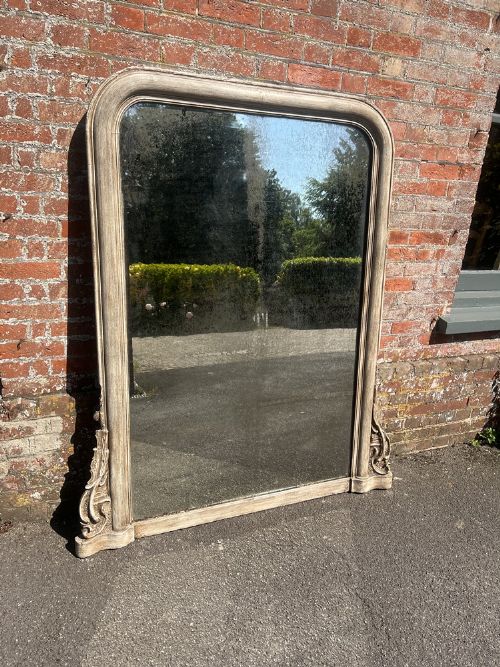


Distressed Glass Arch Mirror
A distressed glass arch mirror brings aged silvering and curved architectural lines to a room, creating depth and a distinct nineteenth-century presence.
Distressed Glass Arch Mirror
A distressed glass arch mirror takes the form of large nineteenth-century wall and overmantel pieces originating from English and French workshops. These items combine arched, shaped, or hour-glass tops with weathered surfaces that show the passage of time on the glass and frame.
The versions most commonly met on this page are substantial Victorian overmantel mirrors and nineteenth-century French mirrors featuring arched tops. They frequently arrive in painted, gilded, or gesso finishes that display natural wear across the wood substrate.
Makers shaped these tall formats to sit above fireplaces or along grand halls, utilising styles ranging from Gothic Revival and Louis Philippe to French Chateau and English Country House aesthetics.
How they were made
Craftsmen built the structural frames from carved wood, applying layers of gesso to build up decorative moulding around the perimeter. This ground supported subsequent coats of paint or delicate gilding before the mirror glass was fitted into the rebate.
The glass plates themselves gained their mottled appearance through decades of oxidation behind the silvering layer. Original mirror glass reflects a softer, less uniform image than modern equivalents due to the historical manufacturing methods of the nineteenth century.
The inventory includes Gothic Revival, Louis Philippe, and English Country House styles configured as wall and overmantel mirrors.
What varies in quality
The integrity of the carved wooden structure and the original application of the gesso set the baseline for a piece. Deep, crisp carving in the architectural details indicates a higher standard of workshop production during the nineteenth century.
The character of the distressed glass plate distinguishes standard examples from exceptional ones. Natural foxing and genuine oxidation across the mirror plate hold more integrity than forced surface ageing.
The Distressed Glass Arch Mirror Glossary
- Gesso
- A plaster-based material applied to wooden frames to create a smooth surface for painting or gilding. It allows for intricate relief ornamentation around the mirror edge.
- Overmantel mirror
- A large mirror specifically designed to hang on the wall directly above a fireplace mantelpiece. These pieces often feature wide proportions to match the width of the hearth below.
- Louis Philippe
- A mid-nineteenth-century French style characterised by understated elegance, simple curved shoulders, and minimal ornamentation compared to earlier extravagant reigns. It balances classical proportions with domestic restraint.
- Foxing
- The natural degradation and spotting of the silver backing on antique mirror glass. This chemical ageing creates dark patches and a characteristic misty reflection.
- Gilt wood
- Timber surfaces coated with a thin layer of gold leaf or metallic powder. Over time, this finish wears away to expose the warm red bole or white gesso underneath.
Distressed Glass Arch Mirror: Frequently Asked Questions
How do I hang a heavy overmantel mirror?
These nineteenth-century frames carry significant weight from the wood, gesso, and thick glass plates. Secure fixings must anchor directly into wall studs or masonry rather than relying on standard plasterboard hooks.
Distribute the load evenly across heavy-duty brackets attached to the main wooden frame of the mirror. Professional installation ensures the piece remains stable against the wall.
Are these mirrors original to the nineteenth century?
The pieces listed date from the mid to late nineteenth century, spanning periods from the eighteen-fifties to the eighteen-eighties. Construction methods involve traditional timber framing and period gesso application.
Inspect the backboards, joinery, and fixings to understand the age of the structure. The silvering on the glass shows natural oxidation consistent with historical use.
How do I clean distressed mirror glass?
Historic glass and delicate silvering require gentle maintenance to preserve the existing patina and foxing. Use a dry microfiber cloth to remove dust without disturbing vulnerable areas of the surface.
Avoid commercial chemical cleaners or excessive moisture, which can seep behind the glass plate and accelerate degradation. Mild, natural solutions applied sparingly work best if washing is necessary.
What is the difference between English and French styles?
English nineteenth-century pieces often present robust carved wood and gesso overmantel formats with architectural arched tops. They reflect the substantial proportions typical of Victorian domestic interiors.
French equivalents, such as Louis Philippe or chateau designs, tend to emphasise shaped frames and refined gilding. They lean toward decorative curves and lighter visual weight within a room.