



Fluted Frame Mirror
A fluted frame mirror brings architectural depth to a room, catching the light across carved channels that define nineteenth-century and Regency taste.
Fluted Frame Mirror
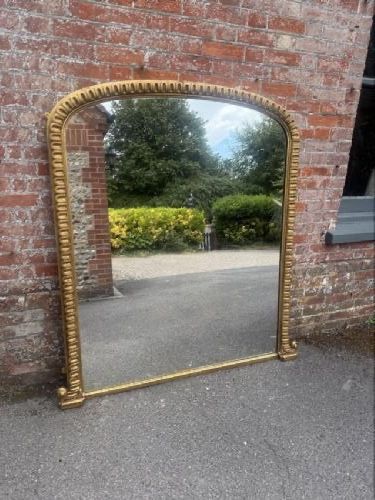
A fluted frame mirror is primarily represented on this page by large nineteenth century overmantel mirrors and wall mirrors. These pieces span periods from the Regency era through to the Edwardian period, often reflecting Victorian and Neoclassical styles.
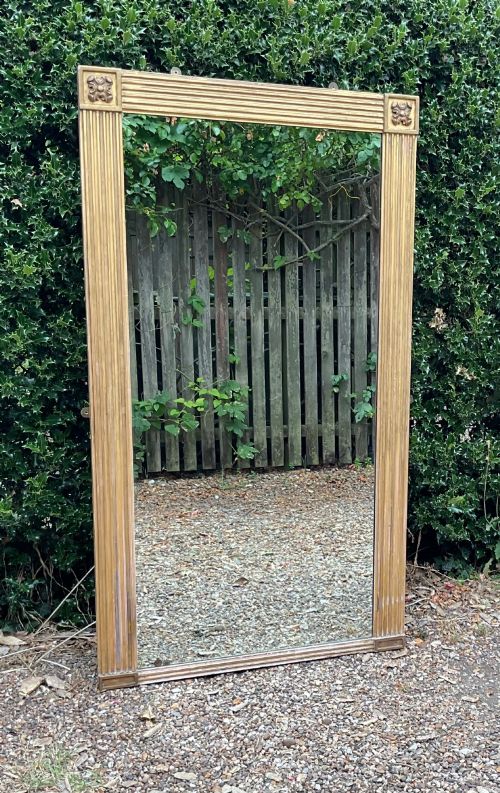
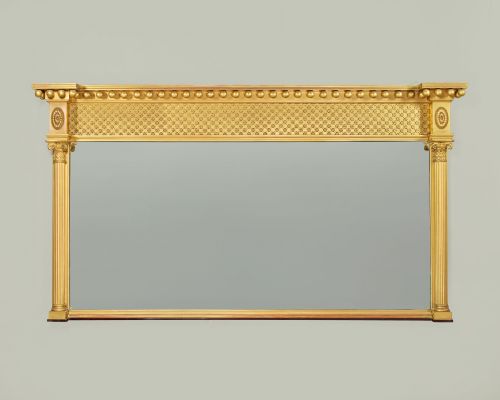
The dominant forms are substantial overmantels designed to sit above a fireplace, alongside vertical pier mirrors and triptych formats. Buyers encounter both English and French origins, executed in scales that suit principal reception rooms.
Framing treatments lean heavily towards architectural details, employing columns, ribbed mouldings and carved wood profiles. These shapes draw the eye outwards and anchor the reflective glass within domestic interiors.
Materials and construction methods
Makers built the structural carcases of these frames using solid woods such as pine and oak, providing a stable foundation for decorative treatment. Carved wood details and applied composition or gesso layers were then added to create sharp architectural lines.
Gilding was applied extensively over bolus grounds, using gold leaf to achieve a rich metallic finish that caught candle or gas light. Alternatively, silvered finishes and ebonised highlights appeared on specific Regency and Victorian examples.
Several mirrors retain their original silvered glass, offering a slightly soft reflection of centuries past.
Distinguishing quality across pieces
Quality rests in the crispness of the carved fluting and the depth of the underlying gesso work. Hand-carved wooden frames display a vitality and precision that moulded composition cannot fully replicate.
The integrity of the original mercury or antique glass plate contributes significantly to the character of the object. Retaining the original gilding without heavy overpainting preserves the historic surface texture valued by collectors.
The Fluted Frame Mirror Glossary
- Overmantel mirror
- A large mirror specifically designed to hang on the wall above a fireplace mantelpiece. They often feature horizontal proportions that match the width of the hearth below.
- Pier mirror
- A tall, narrow mirror traditionally hung on the pier of wall between two windows. These pieces maximise light in principal reception rooms.
- Giltwood
- Timber that has been gilded with gold leaf applied over a prepared gesso ground. This technique creates a warm, reflective metallic surface.
- Gesso
- A plaster-like mixture applied to wood frames to provide a smooth surface for gilding or carving. It allows for intricate relief ornamentation.
- Triptych
- A mirror divided into three distinct vertical sections or panels. This format was popular during the Regency and nineteenth century to break up expansive wall reflections.
Fluted Frame Mirror: Frequently Asked Questions
Where should I hang a large overmantel mirror?
These mirrors were traditionally scaled to sit directly above a fireplace mantelpiece, anchoring the vertical space of the chimney breast. Placing them here reflects natural light from opposing windows deep into the room.
They also function effectively on principal living room walls where their architectural frames act as focal points. Ensure the wall structure can support the substantial weight of carved wood and glass.
How do I identify a Regency mirror?
Regency pieces often display classical motifs inspired by ancient Greece and Rome, including reeded columns, ebonised details, and giltwood surfaces. The proportions tend to be rigorous and architectural, reflecting the taste of the early nineteenth century.
Construction details such as timber selection and traditional joinery help confirm the period. Examining the backboards and frame construction provides further clues to its age.
What is the difference between a pier mirror and an overmantel?
Pier mirrors are typically taller and narrower, designed to fit the wall space between windows or doors. Overmantels are broader and wider to balance the horizontal span of a fireplace.
Both utilise fluted frames and gilt finishes, but their original domestic placement dictated their dimensions. Knowing this helps determine how the mirror was intended to interact with room lighting.
Can these mirrors be cleaned safely?
Dust the carved and gilded frame gently with a soft, dry brush to protect the delicate surface layer. Avoid using chemical sprays or abrasive cloths on antique gilding and original silvered glass.
Use a minimal amount of glass cleaner applied to a cloth rather than directly onto the mirror plate. This prevents moisture from seeping behind the antique glass and damaging the backing.