
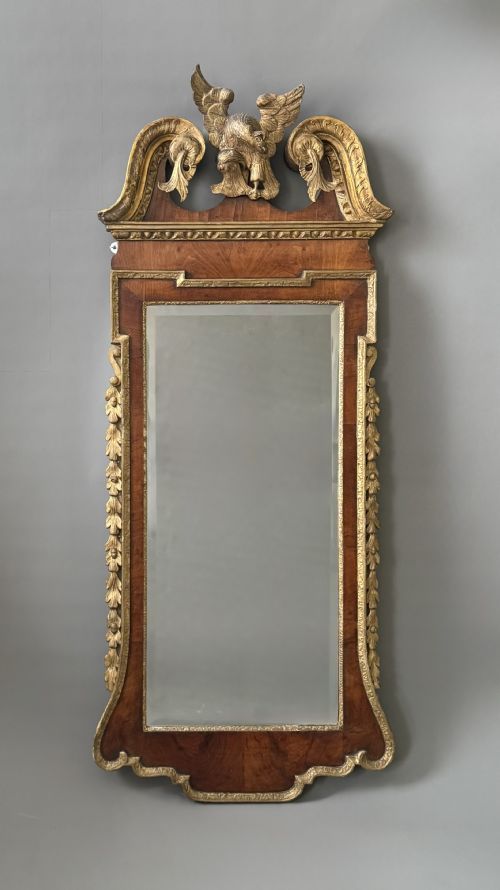
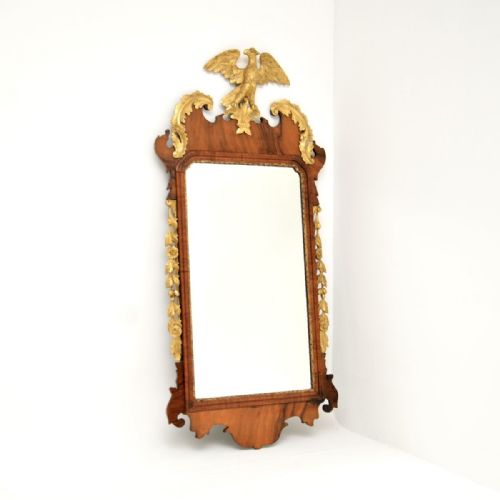
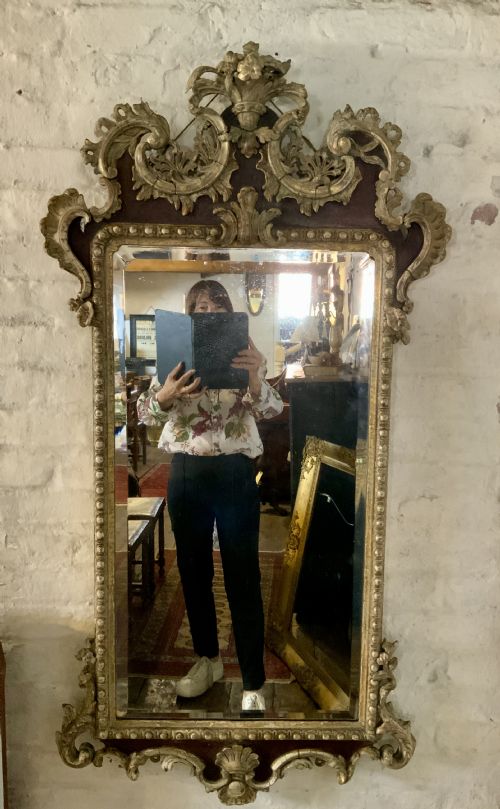
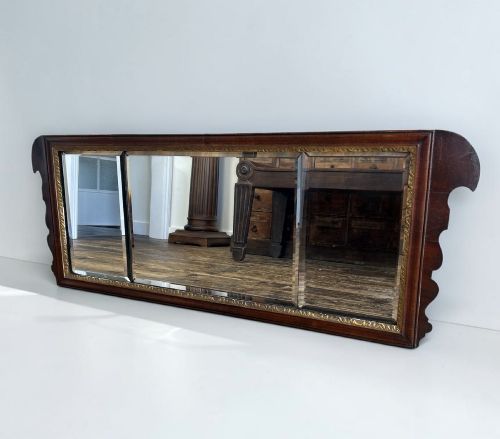
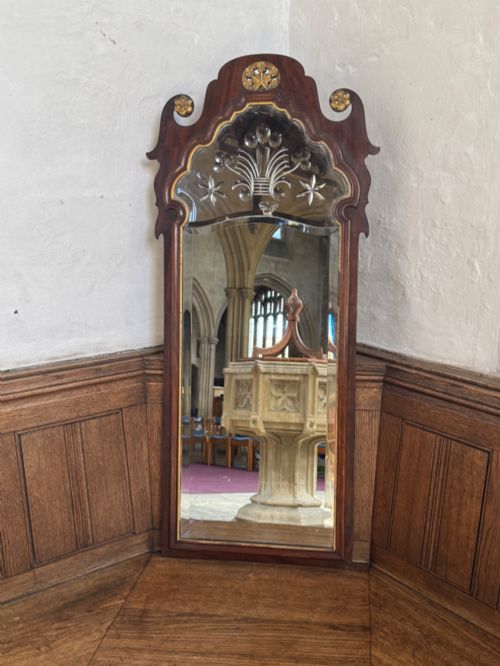
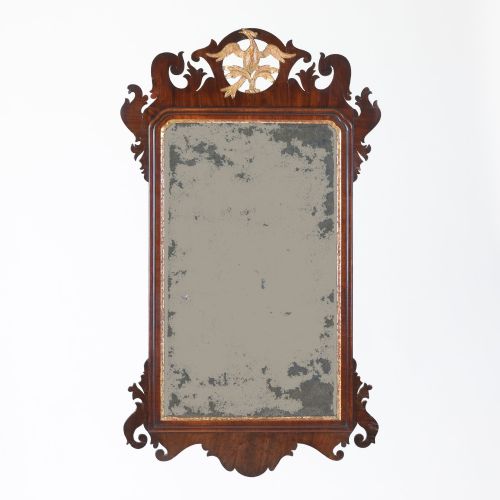
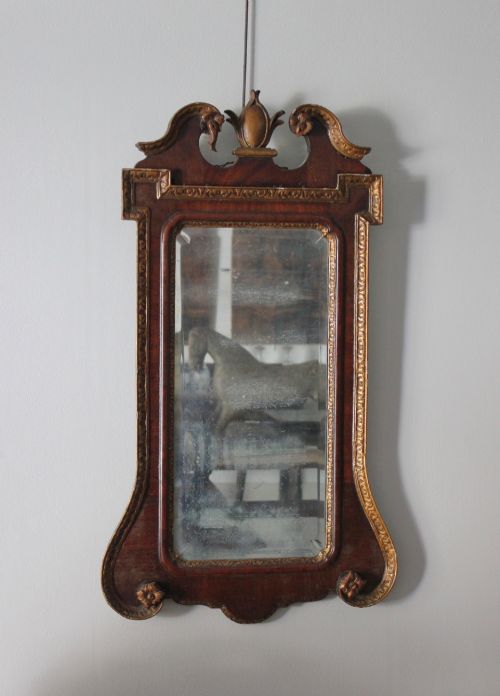

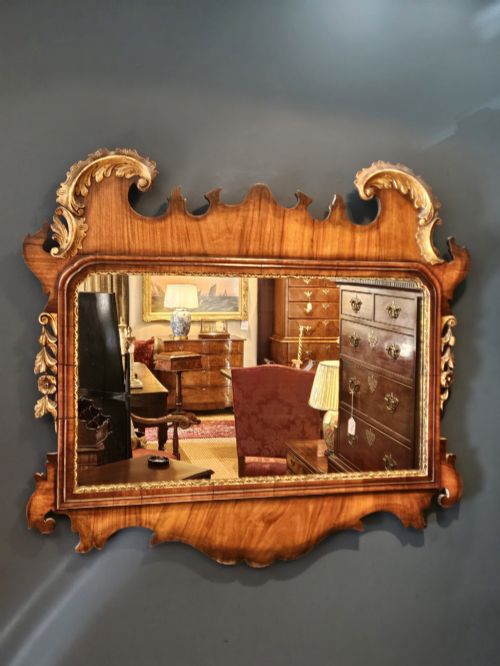
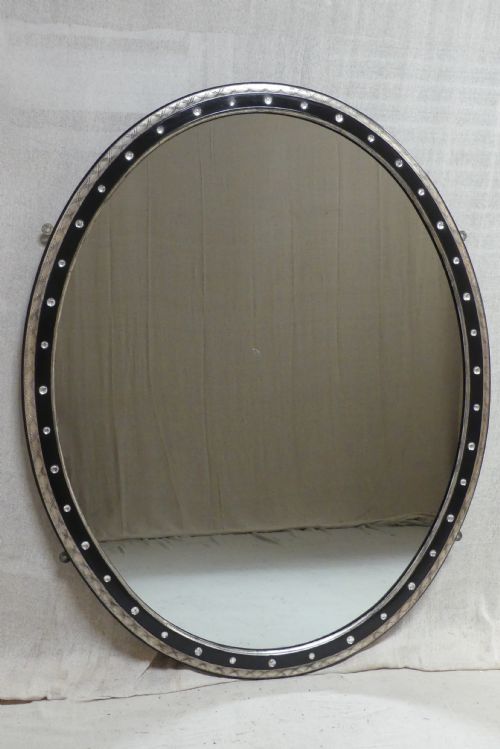


Georgian Parcel Gilt Mirror
A georgian parcel gilt mirror brings carved warmth and bright gilding into a room, catching the light just as it did centuries ago.
What a georgian parcel gilt mirror is
A georgian parcel gilt mirror is a wall-hanging pier glass designed to reflect light and ornament a principal room. The form spans the eighteenth century into the nineteenth and twentieth centuries, taking in George II, George III, and George IV periods alongside later Victorian revivals.
The buyer meets both genuine eighteenth-century wall pieces and later nineteenth-century interpretations built in the Georgian style. Many feature the distinctive cresting of a Ho-ho bird carved into the fretwork top.
How they were made
Cabinetmakers constructed the frames using native and imported hardwoods like mahogany and walnut, frequently applying fine veneers or burr walnut to the primary surfaces. Fretwork outlines were sawn out with precision to create elaborate pierced silhouettes.
Gilding was applied selectively as parcel gilt, highlighting specific carved motifs such as side pendants, scrolling ears, or the cresting bird against the dark wood background. The glass plates were set within these layered wooden frames as wall mirrors and pier glasses.
Retail Price Guide 2026
Typical UK retail prices for georgian parcel gilt mirror, calculated from the Sellingantiques database of over a million retail prices indexed since 2003. This retail price guide relies exclusively on Sellingantiques data; no external sources or auction records are used, so the figures do not describe the wider market.
Listings feature both walnut and mahogany timbers, alongside parcel gilt detailing and fret-cut frames.
What varies in quality
Quality rests in the depth of the fret-cut carving and the choice of timber figure, particularly where burr walnut or figured mahogany is selected for the plate surround. Crisp execution of the Ho-ho bird and scrolling crests separates finer pieces from simpler iterations.
The handling of the parcel gilding and the integration of the mirror plate within the wooden rebate mark the degree of care taken by the maker. Period walnut and mahogany pieces display a rich natural patina developed across generations.
The Georgian Parcel Gilt Mirror Glossary
- Parcel gilt
- Partially gilded, where gold leaf is applied only to specific carved details while leaving the underlying wood visible.
- Pier glass
- A tall mirror specifically designed to hang on the wall pier between windows.
- Fretwork
- Ornamental woodwork pierced or cut into patterns using a fretsaw, common on eighteenth-century frames.
- Ho-ho bird
- A stylized Chinese phoenix frequently carved into the cresting of eighteenth-century mirrors.
- Cresting
- The decorative carved ornament mounted at the very top of a mirror frame.
Frequently Asked Questions
Where should I hang a georgian parcel gilt mirror?
These wall mirrors suit principal reception rooms, hallways, or above a fireplace mantel where they catch natural light and anchor the wall space.
Ensure the wall fixings are secure and appropriate for the weight of the timber frame and glass plate.
How do I spot a later copy?
Examination of the timber backing, the cut of the fretwork, and the quality of the gilding helps distinguish eighteenth-century originals from later nineteenth-century revivals.
Patina on the wood and signs of age in the mirror plate provide further clues to the period of manufacture.
Are these mirrors heavy?
Solid mahogany and walnut frames combined with glass plates have a substantial weight that requires secure mounting directly into wall studs or solid masonry.
Professional hanging hardware is recommended to support the piece safely.