


Antique Fretwork Pier Glass
An antique fretwork pier glass brings architectural rhythm to a room through delicate fret-cut wood and bright antique mirror glass.
Antique Fretwork Pier Glass
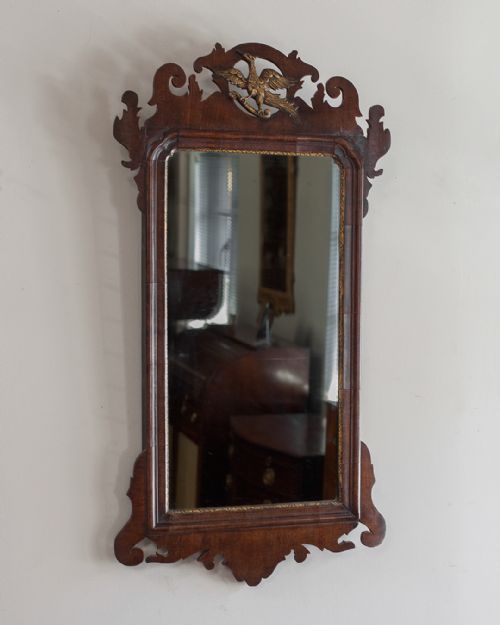
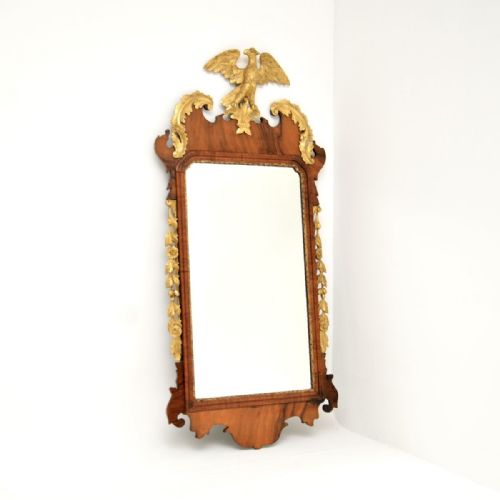
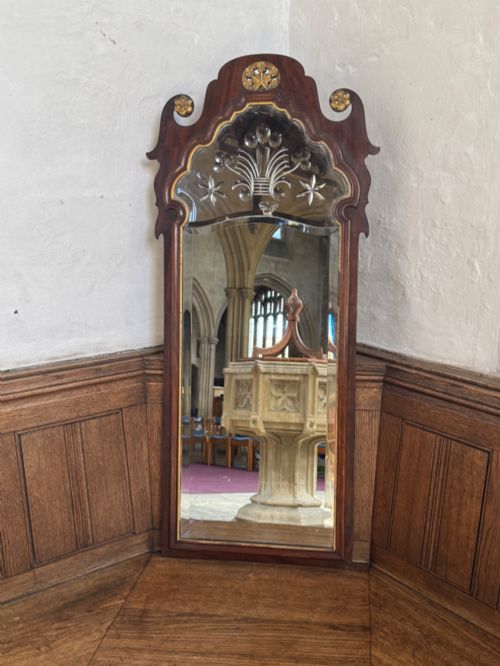
An antique fretwork pier glass is a wall mirror designed to hang between windows, featuring a distinctive pierced wooden frame cut with a fretsaw. The pieces appearing here span from the mid-eighteenth century through the Georgian and Victorian eras, demonstrating the enduring appeal of this form.
The selection ranges from authentic eighteenth-century Chippendale-period items to later revival pieces from the nineteenth and early twentieth centuries. Each wall mirror carries the characteristic fret-cut scrollwork and silhouette associated with classical interior decoration.
What varies in quality
The sophistication of the fretwork scrollage separates standard production from exceptional artistry, with finer pieces displaying crisp, deep piercing and confident lines. The choice of timber grain, whether highly figured mahogany or richly burr walnut, dictates the visual depth of the frame.
The survival of original gilt decoration and early mirror glass plates heavily influences the character of the object. Subtle details such as parcel gilt accents and the presence of original wooden slip borders reveal the original maker's intent.
Listings feature walnut and mahogany timbers alongside gold leaf and gesso finishes across eighteenth-century and Victorian periods.
The Antique Fretwork Pier Glass Glossary
- Fretwork
- Ornamental woodwork perforated with a fretsaw. This technique creates lightweight, intricate geometric or scroll patterns along the outer frame.
- Pier glass
- A tall wall mirror designed specifically to hang on the wall space between two windows. It traditionally complemented the pier table placed beneath it.
- Parcel gilt
- Partially gilded woodwork where gold leaf highlights specific carved elements against a dark wood ground. It provides a striking contrast of texture and tone.
- Vauxhall plate
- A type of mirror glass with a distinct bevelled edge, historically associated with the famous London glasshouse. These plates often show delightful signs of age across the silvering.
- Gesso
- A plaster-based mixture applied to wood surfaces to provide a smooth base for gilding. It holds crisp relief details beneath layers of gold leaf.
Antique Fretwork Pier Glass: Frequently Asked Questions
Where should I hang a pier glass?
These mirrors work best hung on narrow wall spaces between windows or above principal fireplace mantels. Their vertical proportions draw the eye upward and amplify natural daylight.
Ensure the wall fixings match the weight of the hardwood frame and hang the glass at eye level to maximise its decorative impact.
How do I care for antique mirror glass?
Clean the glass surface gently with a dry microfiber cloth, avoiding harsh chemical sprays that can seep behind the antique silvering. Dust the fretwork frame softly using a dry artist's brush.
Keep the mirror away from direct sunlight and damp conditions to protect the historic wood and internal gesso layers.
What is the difference between Georgian and revival styles?
Authentic Georgian pieces date from the eighteenth century and display the hand-tool marks and timber ageing consistent with that period. Revival pieces were manufactured during the Victorian and Edwardian eras using historical design templates.
Both categories offer genuine antique status, though eighteenth-century examples carry greater age and original period context.
Are these mirrors heavy?
Most fretwork mirrors are surprisingly manageable in weight because the pierced wooden frames remove substantial mass from the board. Solid hardwoods like mahogany and walnut provide sturdy structural integrity without excessive heaviness.
Secure hanging requires appropriate wall anchors suited to the specific plaster or brickwork in your home.