


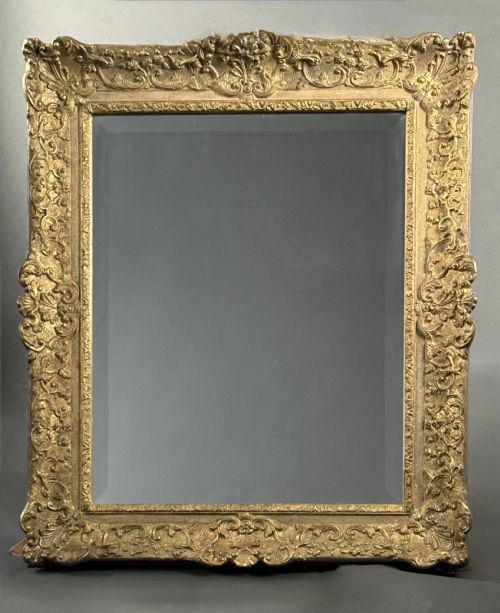
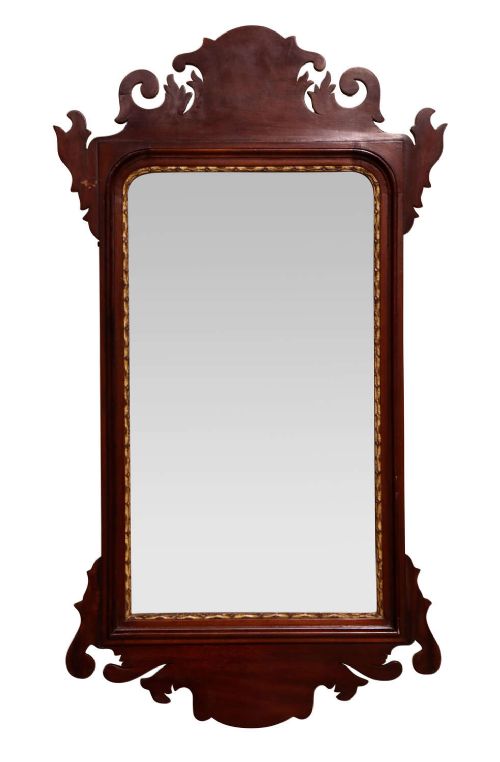
Vintage Gilt Wall Mirror
A vintage gilt wall mirror brings warmth and reflective depth to a room, drawing the eye with carved gilded surfaces and period glass.
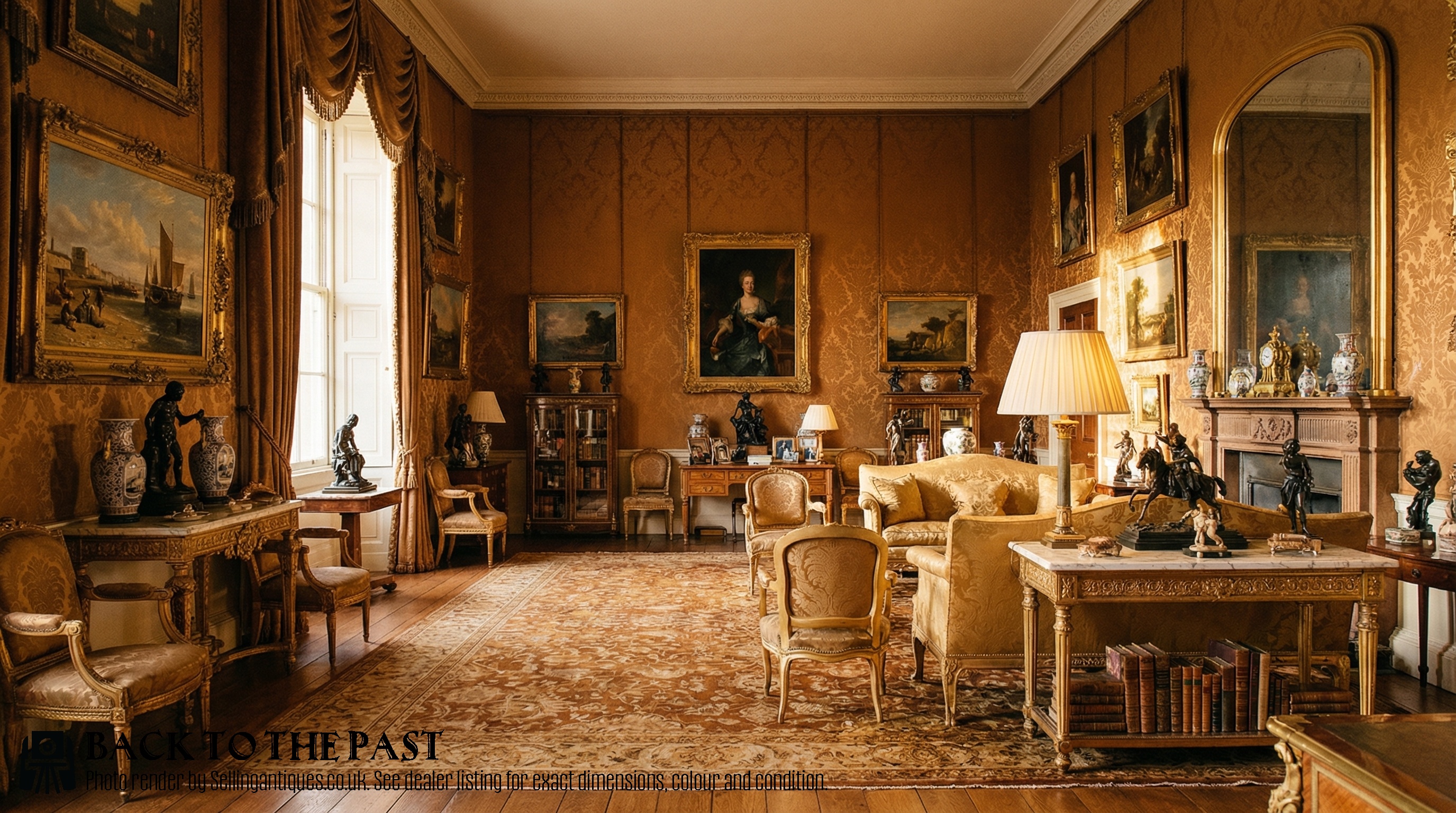
Vintage Gilt Wall Mirror
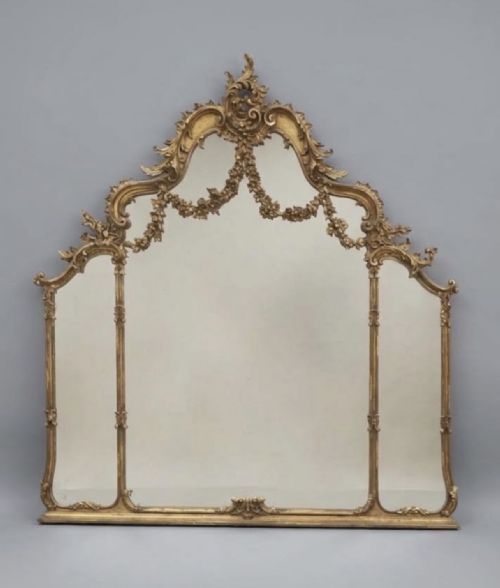
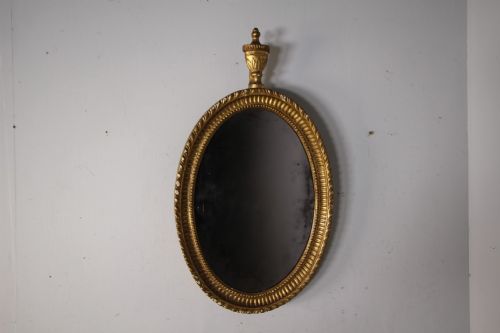
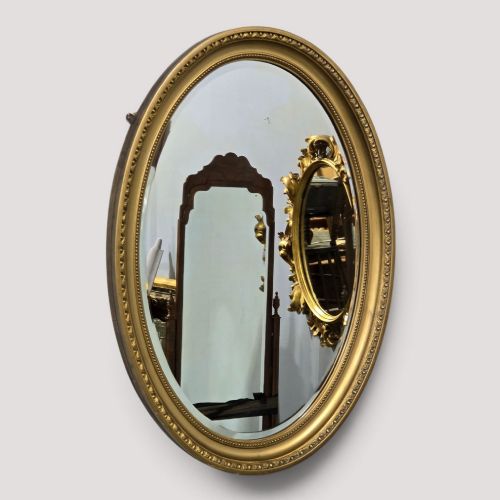
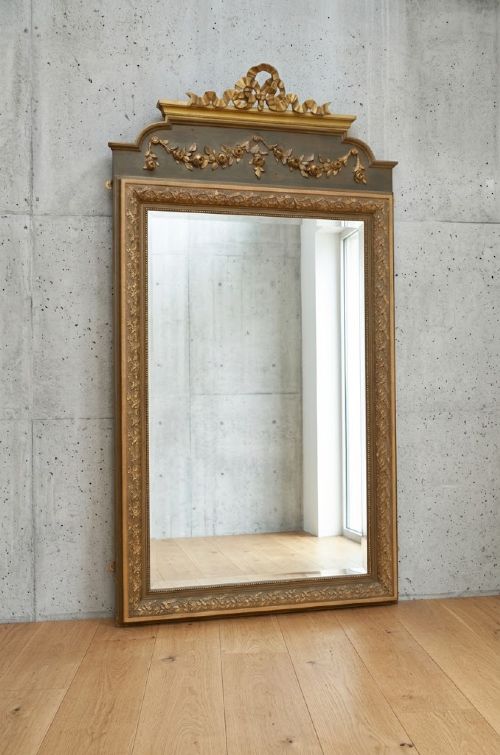
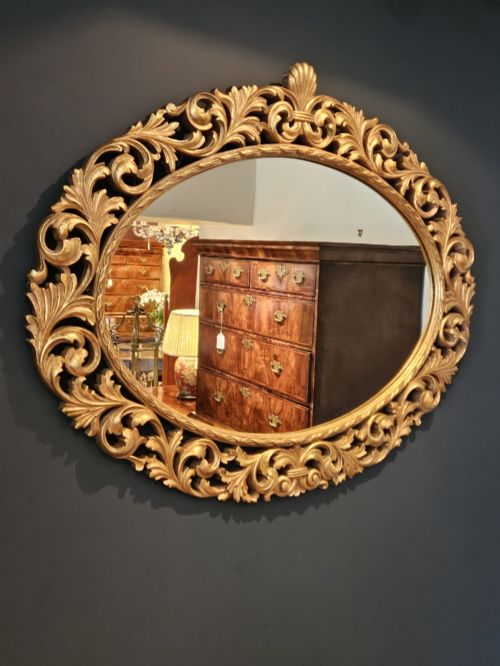
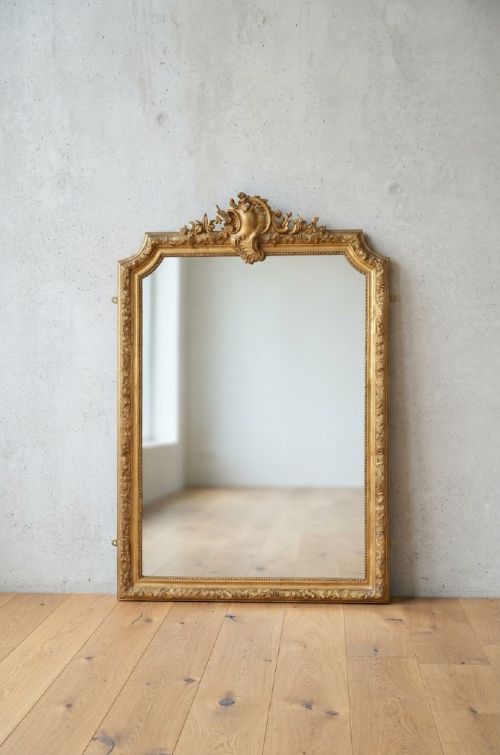
A vintage gilt wall mirror encompasses a wide selection of decorative looking glasses housed in gold-finished frames originating from the eighteenth, nineteenth, and early twentieth centuries. Buyers seeking these items will find various formats, ranging from tall overmantel glasses designed for chimneypieces to smaller oval wall fixtures and full-length leaner mirrors.
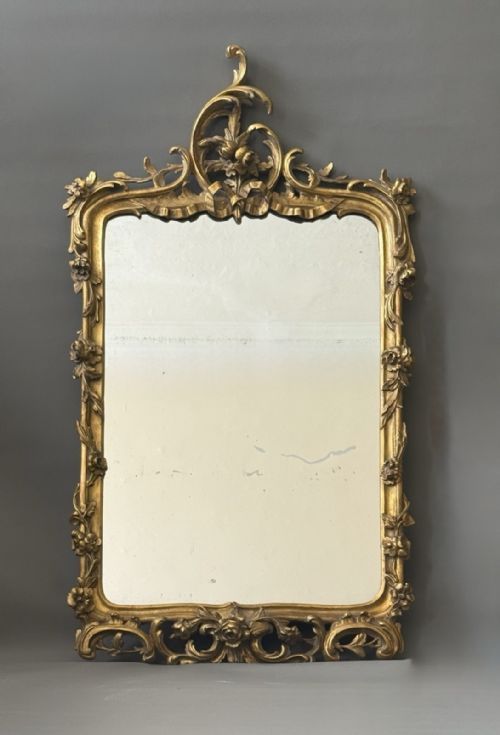
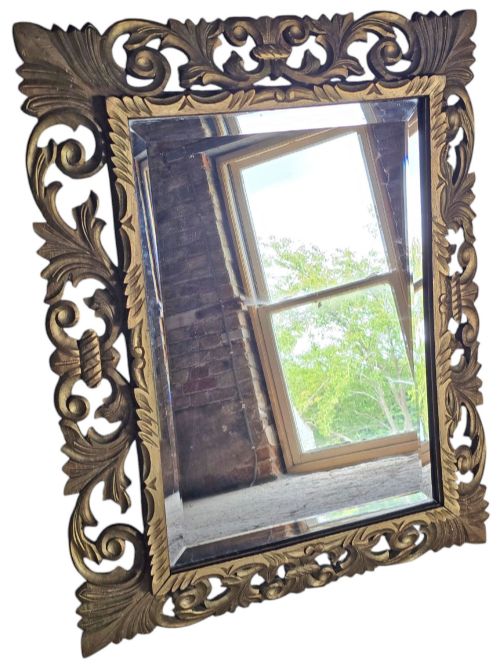
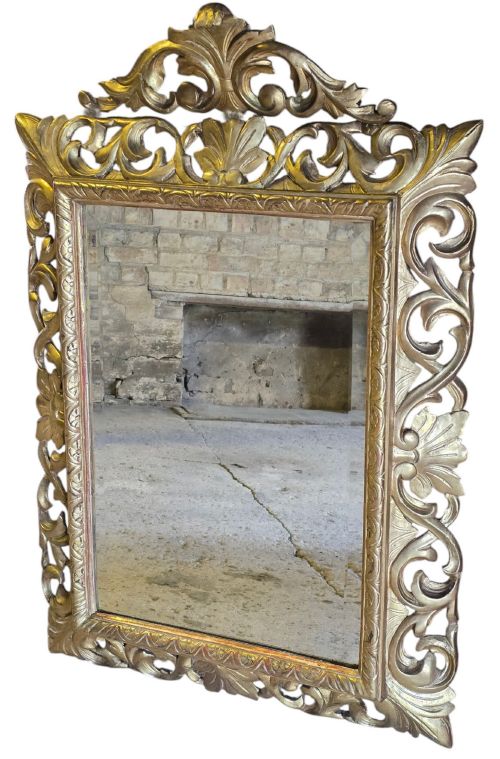
The selection on this page relies heavily on nineteenth-century Continental and English production, with French Louis Philippe and Florentine styles appearing frequently alongside Victorian examples. Forms span carved wooden frames, gesso mouldings, and mahogany structures enhanced with parcel gilt detailing.
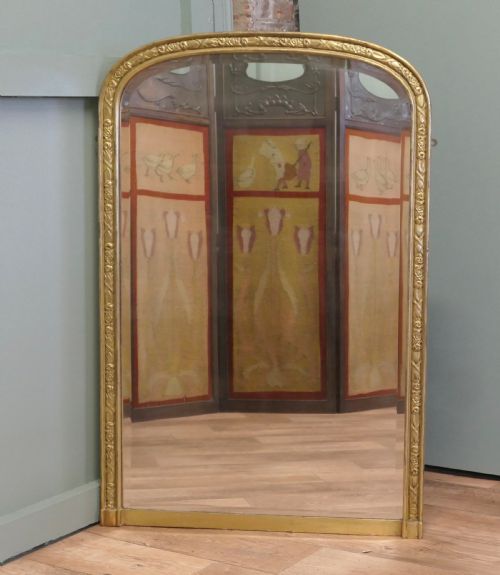
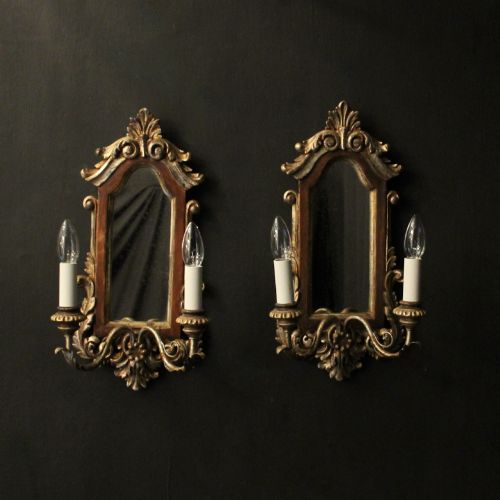
Beyond standard wall mirrors, the category stretches to include architectural trumeau panels, girandoles with candle arms, and arched statement pieces. These items serve both practical reflective functions and grand decorative purposes within traditional and eclectic interiors.
How they were made
Frames are constructed primarily from timber such as mahogany, walnut, or carved wood, which provides the structural foundation for the decorative skin. Artisans applied layers of gesso - a chalk and glue mixture - over the wood base to build up intricate relief ornaments like acanthus leaves and ribbon crests.
The golden finish is achieved through the application of gold leaf or gilt paint directly onto the prepared gesso and wood surfaces. Many older examples feature original mercury glass plates, which often display characteristic foxing and age spots resulting from the degradation of the backing over time.
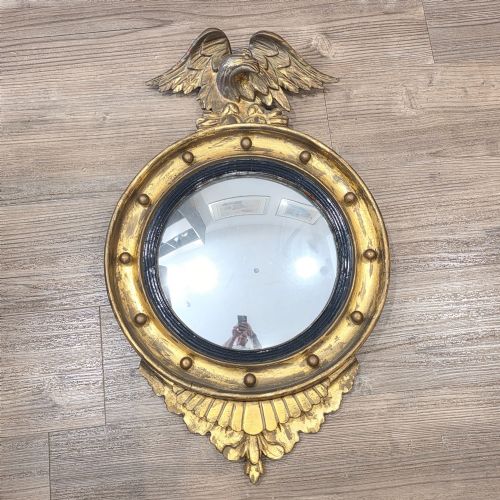
One nineteenth-century convex wall mirror comes topped with a large spread eagle watching over the room.
What varies in quality
The depth and crispness of the carving distinguish finer items from simpler production, particularly where hand-carved wooden details meet moulded gesso compositions. Superior pieces exhibit sharper relief in foliage, scrolls, and crests, whereas lower tiers rely on heavier, less detailed plaster ornamentation.
The preservation of the original gilding and the character of the mirror plate itself mark significant distinctions in value. Original mercury plates and undisturbed gold leaf layers demonstrate greater historical integrity than later regilding or replacement glass.
The Vintage Gilt Wall Mirror Glossary
- Giltwood
- Wood that has been coated with gold leaf or gold powder. This surface finish gives the frame its characteristic metallic golden sheen.
- Gesso
- A plaster-like mixture applied to wood frames to create a smooth surface for carving or gilding. It allows artisans to shape complex decorative reliefs.
- Overmantel mirror
- A large horizontal mirror designed specifically to hang above a fireplace mantel. These pieces often anchor the proportions of a principal room.
- Foxing
- Small dark spots and speckles that develop on antique mirror plates as the silvering or mercury backing oxidises with age. This chemical change creates a mottled reflective surface.
- Trumeau mirror
- A decorative wall mirror combined with a painted panel or carved artwork above the glass. Originating in France, these architectural pieces were designed to fit between windows.
Vintage Gilt Wall Mirror: Frequently Asked Questions
How do I hang a heavy antique mirror safely?
Large framed wall glasses require robust fixings anchored directly into structural wall studs or masonry rather than standard plasterboard hooks. Due to the combined weight of dense timber, gesso, and thick glass, professional hanging hardware is essential to distribute the load evenly.
Position the mirror at a height that balances the surrounding furniture, ensuring the hanging wire or brackets securely support the entire span of the frame.
What is a Louis Philippe mirror?
A Louis Philippe mirror originates from the mid-nineteenth-century French period and is easily identified by its distinctive rounded upper corners. These frames typically feature simpler, cleaner lines than earlier Rococo designs while maintaining a sophisticated presence.
They often incorporate gentle convex moulding and subtle beadwork, making them adaptable to both contemporary and period interior schemes.
Can I clean foxed mirror glass?
The mottled spots known as foxing are permanent chemical changes occurring within the historical glass plate beneath the surface. Attempting to scrub or polish these marks away will damage the remaining silvering and ruin the antique character.
Instead, dust the glass gently with a soft microfibre cloth and avoid using harsh commercial chemical cleaners that can seep behind the edges of the frame.
Where should I place an overmantel mirror?
An overmantel mirror traditionally sits directly above a fireplace surround, reflecting light and creating a focal point in reception rooms. Because these pieces are proportioned for grand walls, they also function effectively when hung low over a sideboard or console table in a hallway.
Ensure the width of the mirror does not exceed the width of the furniture piece beneath it to maintain visual balance in the room.