

Classical Gold Mirror
A classical gold mirror brings architectural presence and reflected light into a room through rich gilded surfaces and neoclassical ornament.
Classical Gold Mirror
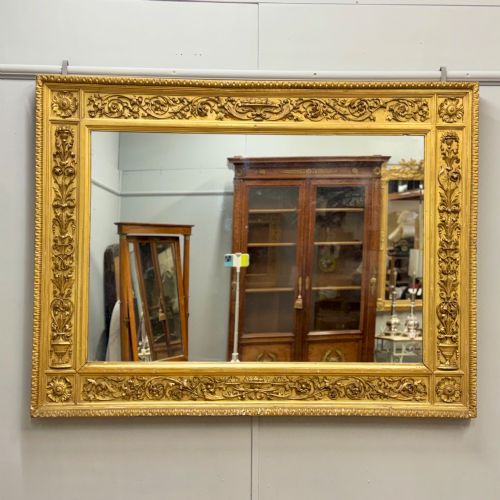
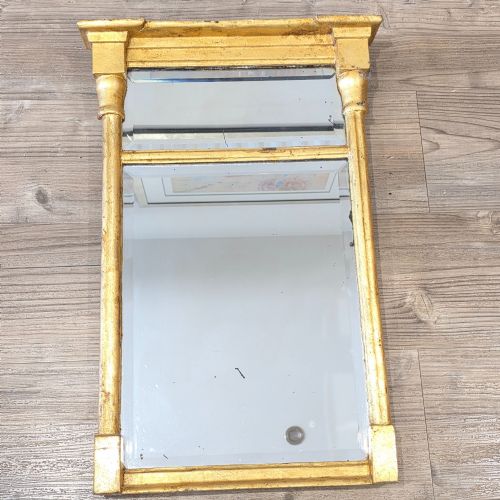
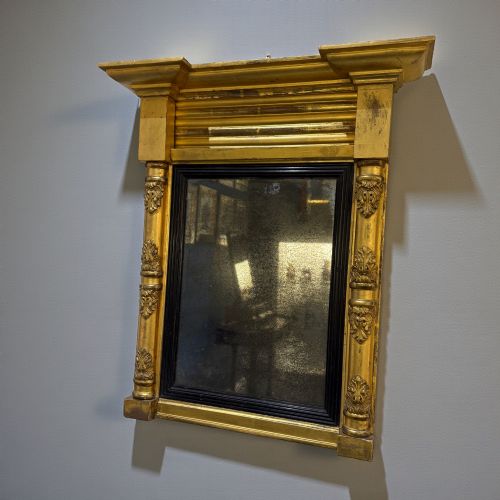
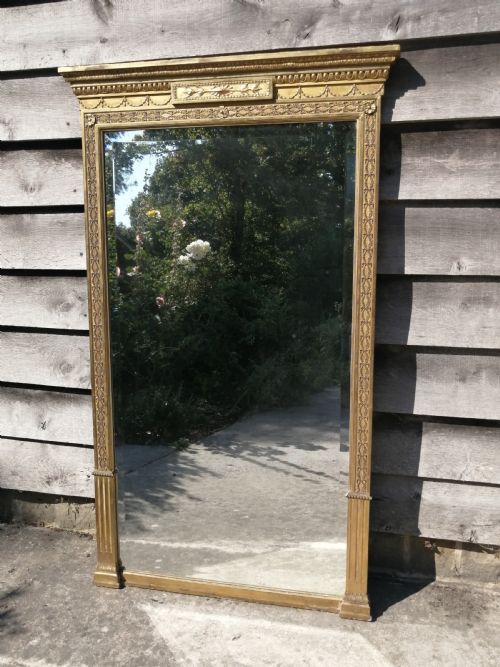
A classical gold mirror typically manifests as a pier glass, overmantel, or wall hanging designed to command attention in a principal room. When exploring a classical gold mirror selection, buyers encounter formats ranging from compact Regency pier mirrors to large Victorian and Georgian overmantels.
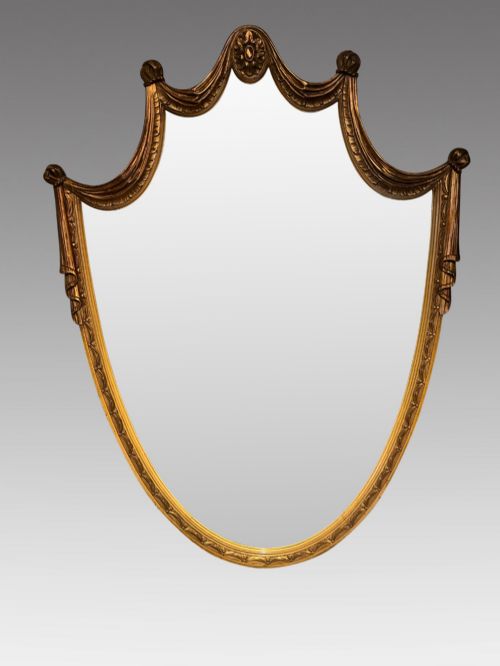
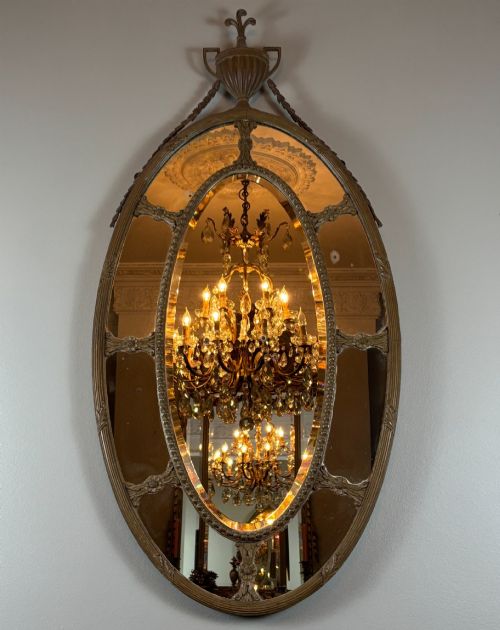
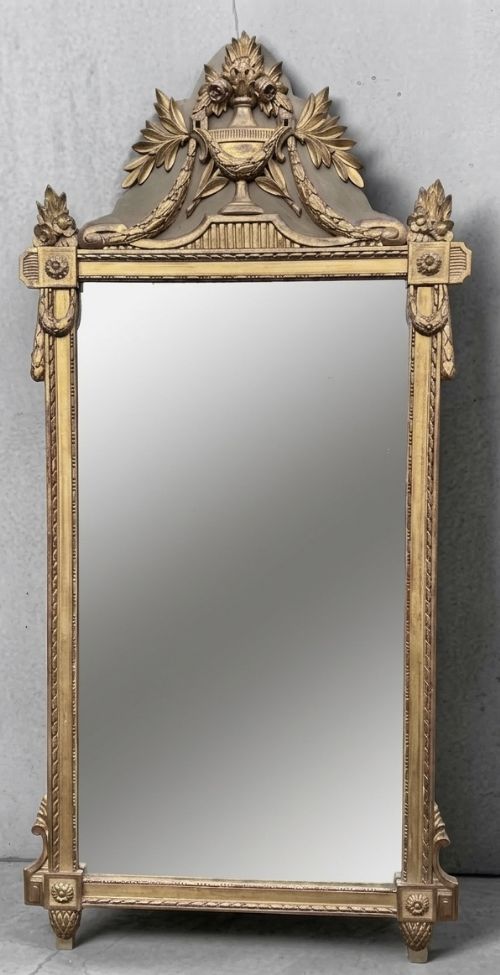
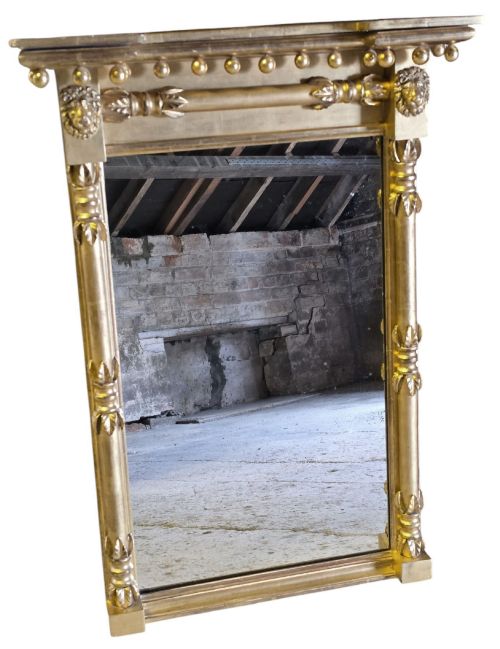
The aesthetic draws heavily on Regency, Neoclassical, and Adam Revival idioms, incorporating motifs such as urns, swags, columns, and lion masks. Many examples originate from nineteenth-century English and French workshops, utilising giltwood and gesso frames to achieve a luminous finish.
How They Were Made
Carpenters carved structural frames from wood, frequently pine or hardwood, before applying layers of gesso to create a smooth base for ornamentation. Artisans then laid thin sheets of gold leaf over the prepared surfaces or applied liquid gilding.
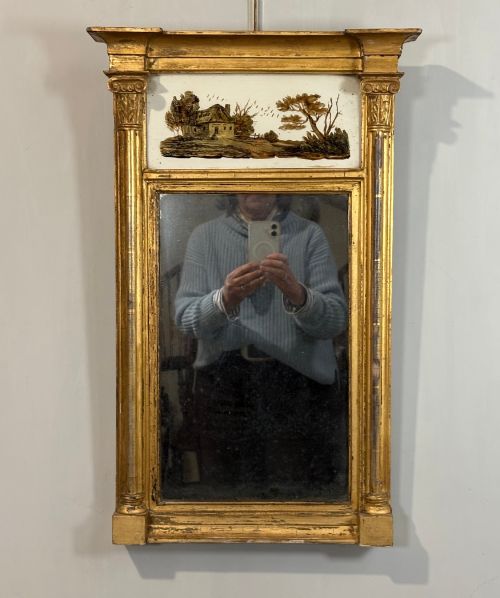
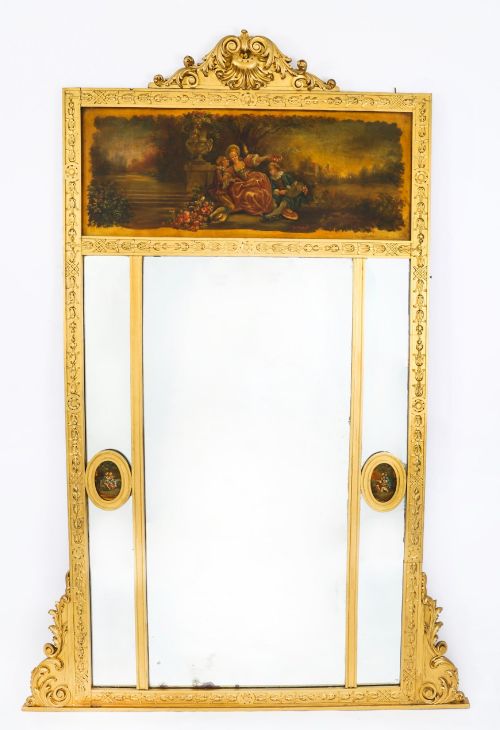
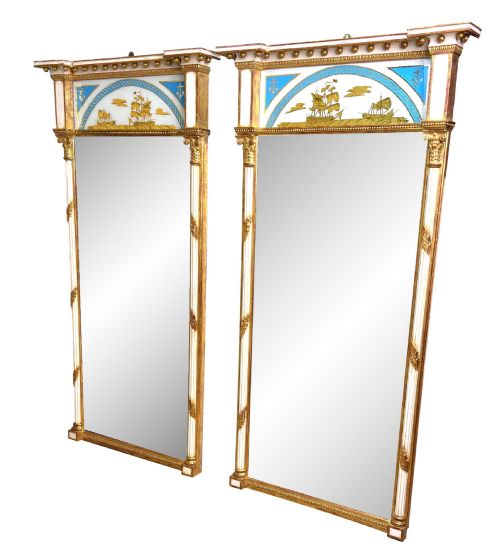
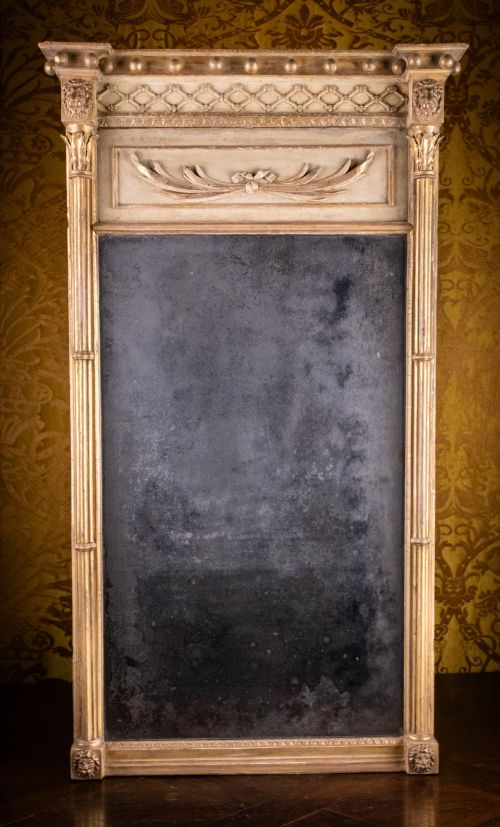
Mirrors often retain original glass plates, which can show characteristic foxing and silvering degradation over time. Specialised panels such as verre eglomise or painted canvas inserts frequently appear in upper sections of trumeau and pier mirrors.
Classical Gold Mirror Retail Price Guide 2026
Typical asking prices for classical gold mirror among the pieces listed under this phrase on Sellingantiques today, from the lower quarter to the upper quarter. They describe what is for sale here now, not the wider market.
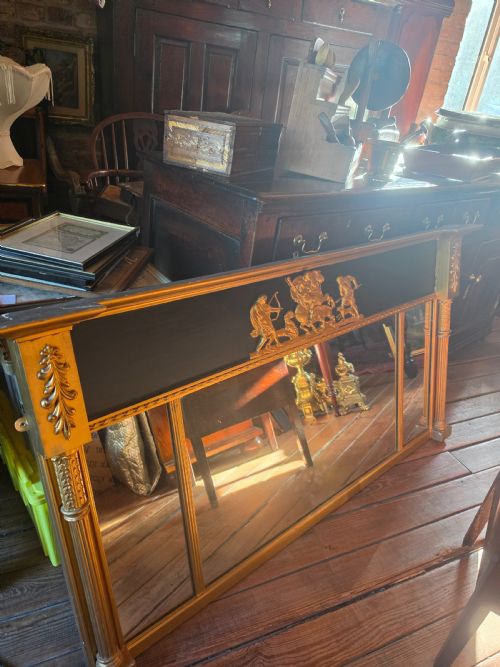
Several mirrors include painted mythological scenes and spirited lion masks, ensuring your reflection is perpetually supervised by ancient beasts.
What Varies in Quality
The crispness of the carved wood and gesso ornament dictates much of the visual distinction between examples. Sharp, deeply undercut floral carvings, columns, and figural details indicate skilled handwork rather than mass-produced composition ornament.
The integrity of the original gilding and the preservation of the mirror plate significantly influence the piece. Gradations in quality appear in how cleanly the gold leaf reflects light and whether the structural joinery remains undisturbed by past restorations.
The Classical Gold Mirror Glossary
- Gesso
- A plaster-like mixture applied to wooden frames to provide a smooth surface for gilding. Artisans carved intricate relief details directly into this hardened layer.
- Verre eglomise
- A cold decoration technique where design work is painted and gilded on the reverse side of glass panels. It frequently appears above the primary mirror plate in Regency pier glasses.
- Pier mirror
- A tall, narrow mirror specifically designed to hang on the wall space between windows. These pieces often coordinate with console tables placed underneath.
- Overmantel mirror
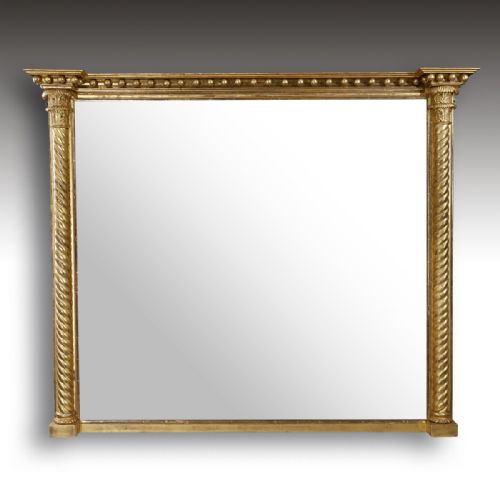
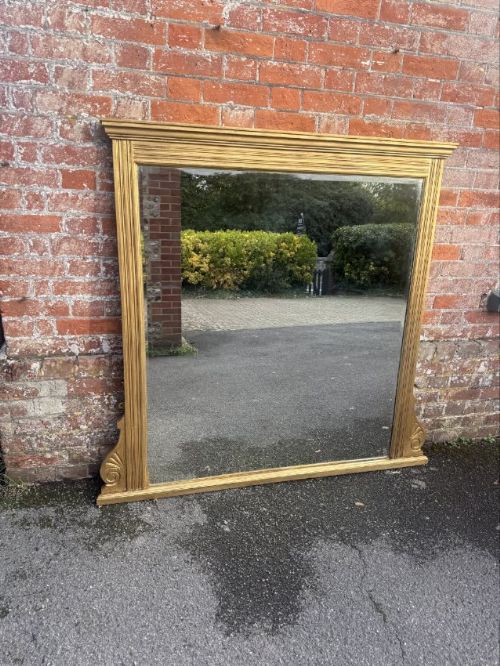
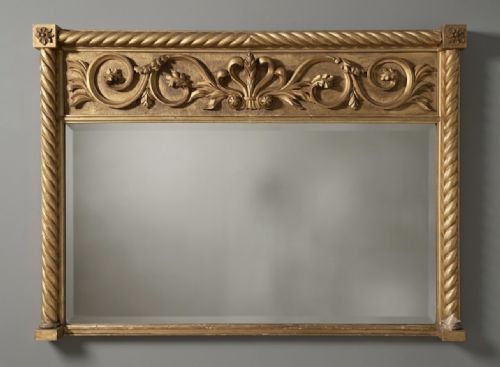
- A wide horizontal mirror built to sit directly above a fireplace mantelpiece. They often incorporate architectural elements like columns or classical friezes.
- Trumeau mirror
- A decorative wall mirror that incorporates a painted panel or artwork directly into the upper wooden framework. Originating largely from French interior design, they bring a distinct decorative narrative to a space.
Classical Gold Mirror: Frequently Asked Questions
Where should I hang a pier mirror?
Pier mirrors are traditionally proportioned to hang on the narrow wall section situated between two windows. This placement maximises natural light reflection throughout the interior space.
They also function effectively above console tables or in entrance halls where vertical height enhances the proportions of the room.
How do I identify a Regency mirror?
Regency mirrors frequently display classical architectural elements such as applied reeding, ball-bearing friezes, and carved column sides. They often utilise convex or flat rectangular plates framed in giltwood.
Look for specific stylistic cues like verre eglomise panels and neoclassical motifs including urns, swags, and lion masks.
Are original mirror plates common?
Many nineteenth-century mirrors retain their original glass plates, which frequently exhibit minor foxing, spotting, and subtle distortions. These characteristics offer physical evidence of age.
Replaced plates usually present a completely uniform reflection without the soft imperfections associated with historical manufacturing methods.
How do I clean a gilded frame?
Gilded surfaces require delicate maintenance using a dry, soft brush to gently remove dust from crevices and carved ornament. Avoid applying liquid cleaners or moisture directly to the gold leaf.
Harsh chemical solvents can permanently strip the historic gilding and damage the underlying gesso layers beneath.