

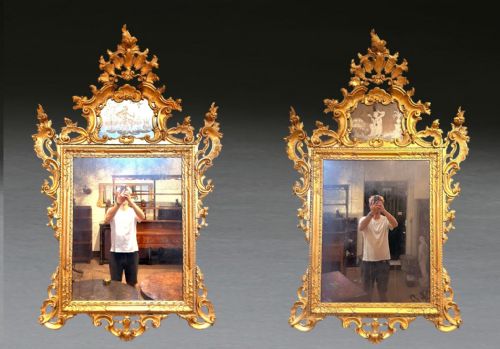
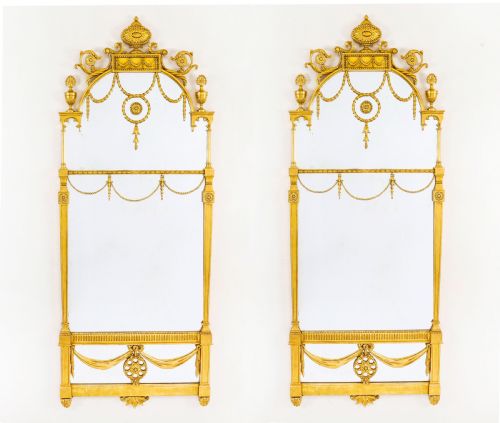
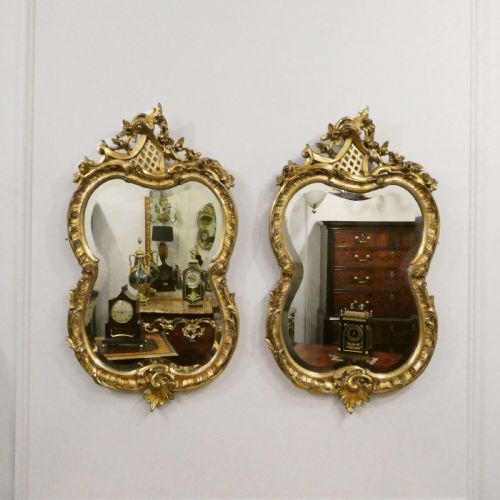

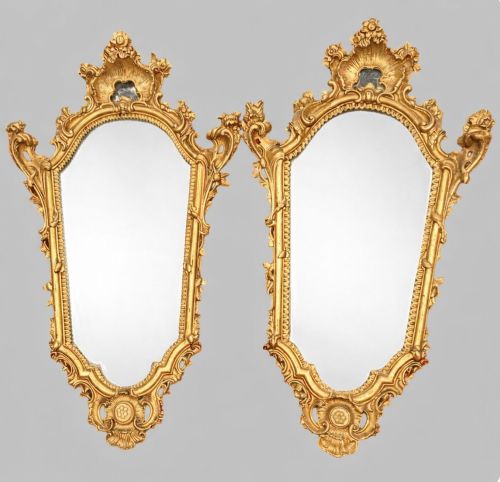


Gilt Pier Glass Pair
These gilt pier glass pair examples bring architectural balance and reflected light to a room, exactly as they did in nineteenth-century drawing rooms.
Gilt Pier Glass Pair
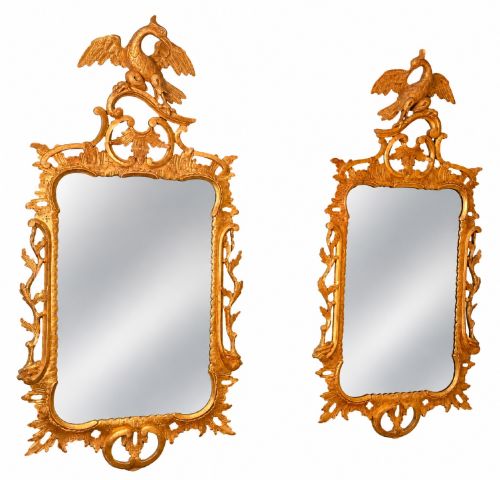
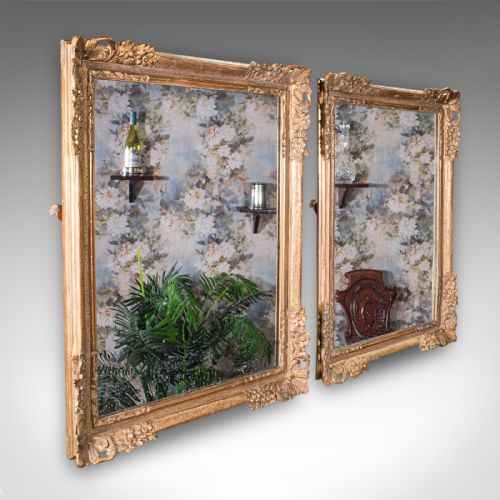
A gilt pier glass pair consists of matching wall mirrors designed specifically to hang on the narrow wall space between windows, known as the pier. These matched twin pieces reflect natural light deeper into the room and create a sense of symmetry in formal interiors.
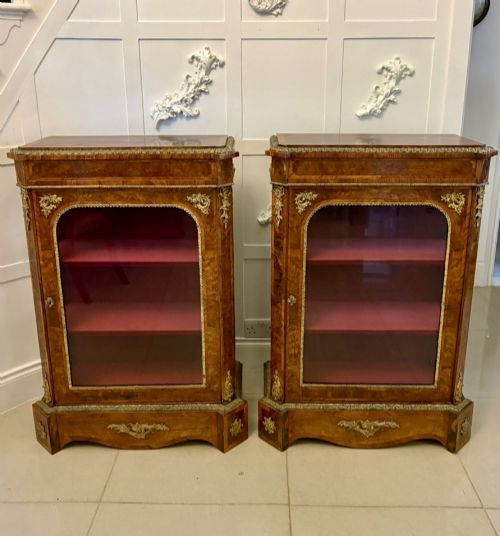
Most examples found here date from the nineteenth century, encompassing Regency, Victorian, and revival styles such as Adam and Rococo. Alongside traditional wall mirrors, the evidence also captures related pier furniture including console tables and display cabinets paired with glass.
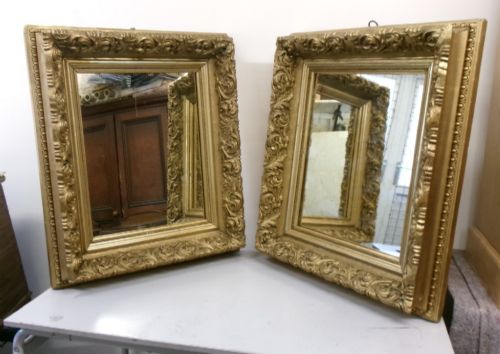
The form relies heavily on gilded frames, often carved from wood or shaped with gesso and composition ornament. Whether grand and architectural or fluid and ornamental, each pair maintains a strict visual balance intended to anchor a wall scheme.
How they were made
Carved timber frames form the structural core of these pieces, utilising materials like walnut and giltwood to build robust supports. Artisans applied thin layers of gold leaf over preparation layers of gesso to achieve the characteristic luminous finish.
Composition ornament, a malleable mixture of whiting, resin, and glue, frequently appears moulded and applied to wooden substrates for intricate relief details. Ormolu mounts and parcel-gilt highlights further enrich the surfaces of select nineteenth-century pieces.
Gilt Pier Glass Pair Retail Price Guide 2026
Typical asking prices for gilt pier glass pair among the pieces listed under this phrase on Sellingantiques today, from the lower quarter to the upper quarter. They describe what is for sale here now, not the wider market.
What varies in quality
The depth and sharpness of the carving separate standard production from superior work, particularly where acanthus leaves, scrolls, or classical motifs are hand-chiselled rather than simply moulded. Crisp definition in the gesso and composition work preserves the intended play of light across the gilt surface.
The quality of the gilding itself dictates the longevity and richness of the appearance, with genuine gold leaf ageing with a softer warmth than modern metallic paints. Additionally, the clarity and preservation of the original mirror glass contribute significantly to the overall integrity of the pair.
The Gilt Pier Glass Pair Glossary
- Pier glass
- A tall mirror designed to fit the narrow expanse of wall between two windows. It often stands above a console table or pier cabinet.
- Giltwood
- Timber that has been gilded with gold leaf. It provides a bright, reflective surface characteristic of formal period frames.
- Gesso
- A plaster-like mixture applied to wood frames to create a smooth surface for gilding. It also accepts low-relief moulding.
- Ormolu
- Gilded bronze used for decorative mounts and accents. It adds metallic contrast to wood and gilt surfaces.
- Composition
- A moulded material used for decorative details on frames. It allowed workshops to replicate intricate carvings efficiently.
Gilt Pier Glass Pair: Frequently Asked Questions
Where should I hang a pier glass pair?
These mirrors traditionally hang in the narrow wall space between two windows to maximise daylight distribution. They also work effectively above matching console tables or flanking a chimney breast.
Ensure the wall fixings safely support the weight of heavy timber and glass frames. Positioning them at eye level maintains the correct architectural proportion within the room.
Are these mirrors heavy?
Solid wood construction combined with thick mirror glass makes these pieces substantial in weight. Proper wall anchors and professional installation are essential for secure placement.
Hardware should engage directly with wall studs or utilise heavy-duty masonry fixings. Relying solely on standard picture hooks is inadequate for pieces of this scale.
How can I tell the period?
Stylistic details such as Regency classical motifs, Victorian proportions, or Adam revival symmetry offer primary clues to the date. Frame construction methods and the composition of the gesso layer provide further confirmation.
Examine the reverse of the wood and the silvering on the glass for signs of age. Original backing boards and hand-cut fixings often verify nineteenth-century origin.