

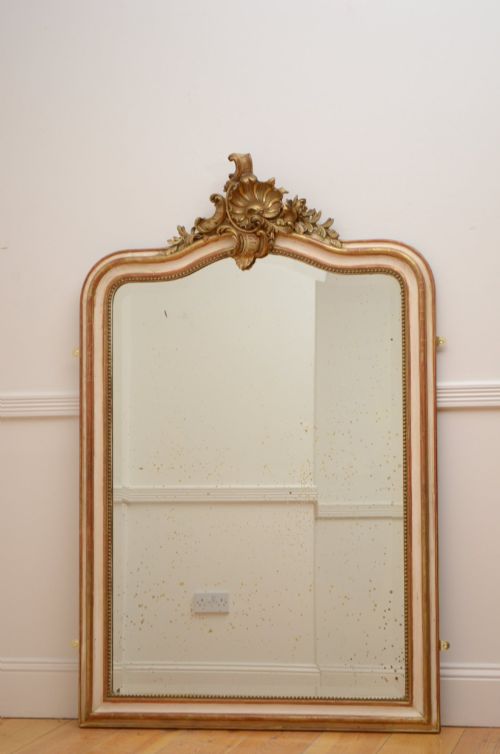
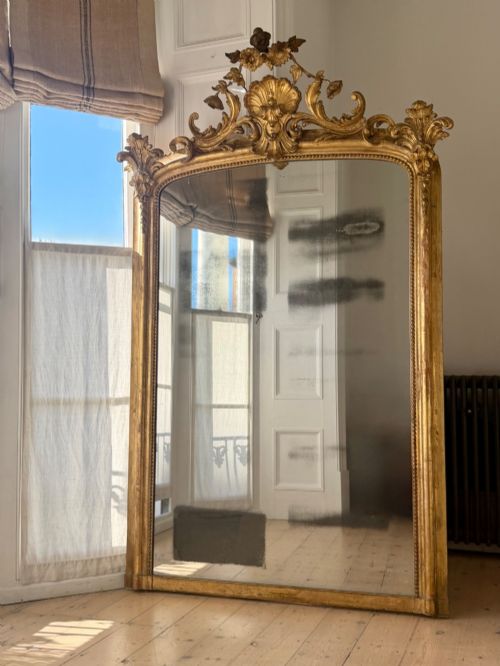
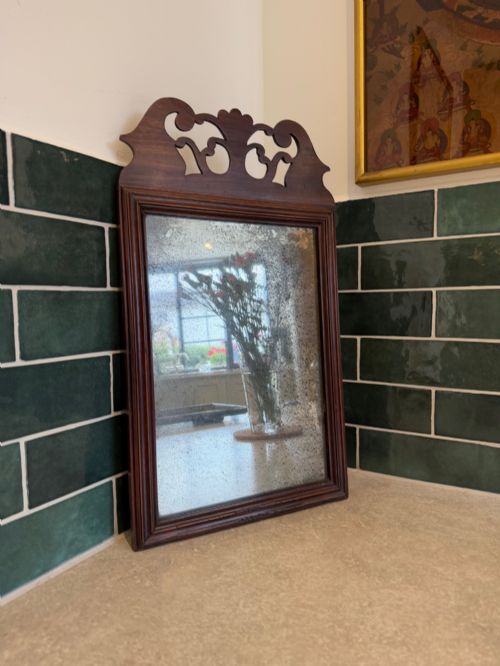
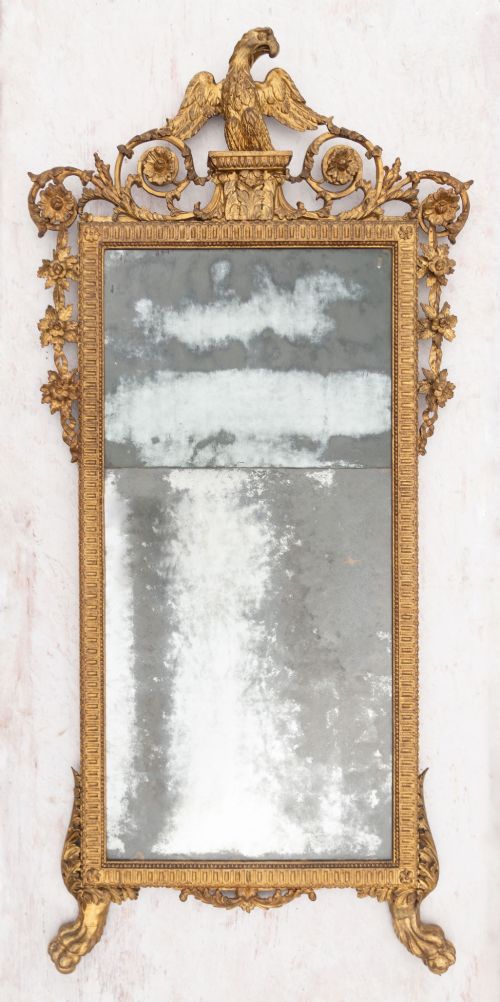
Antique Mirror with Foxing
An antique mirror with foxing brings depth and aged character to a room through the natural oxidation of its mercury or silvered plate.
Antique Mirror with Foxing
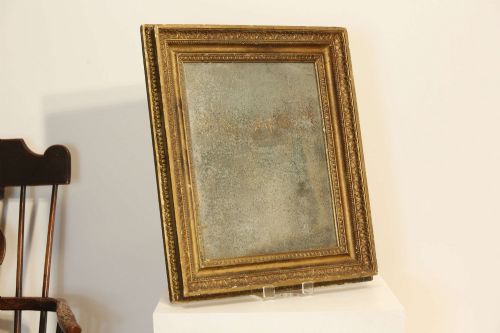
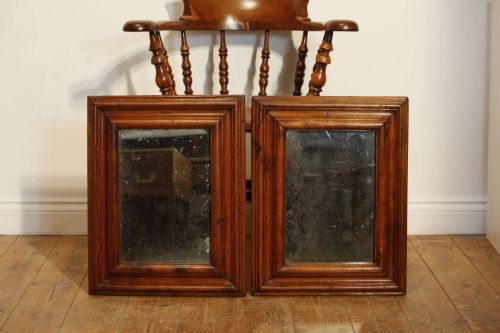
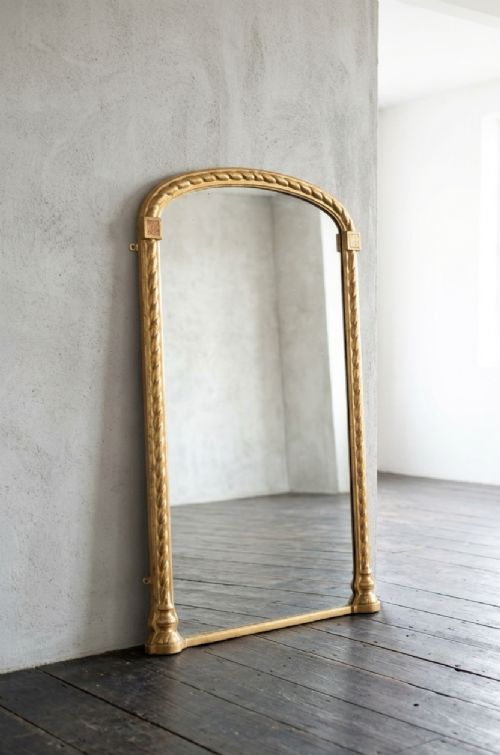
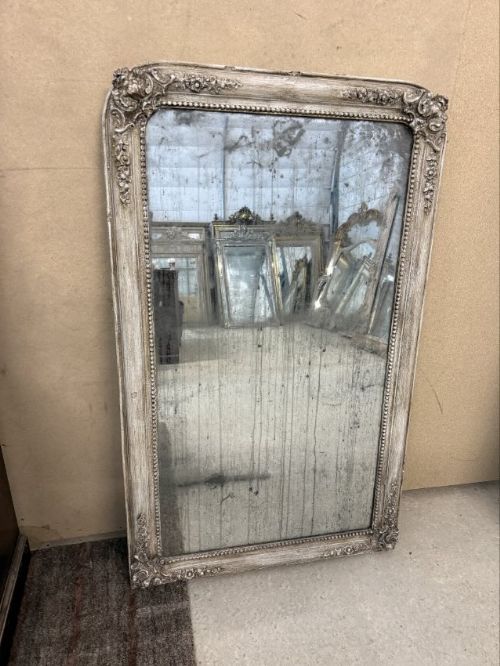
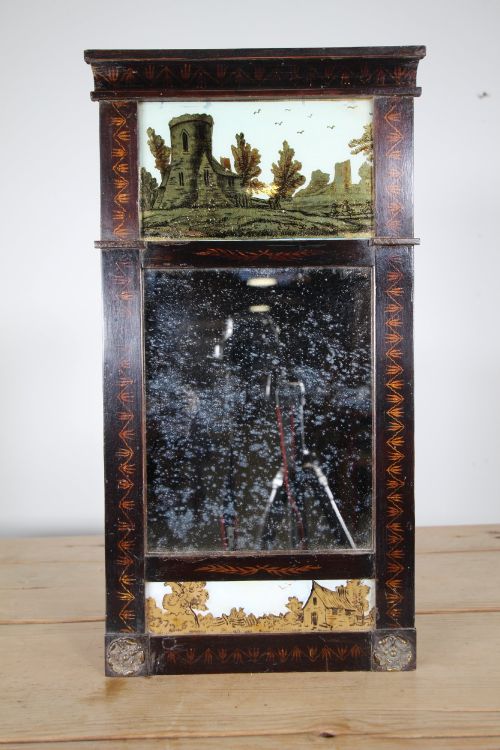
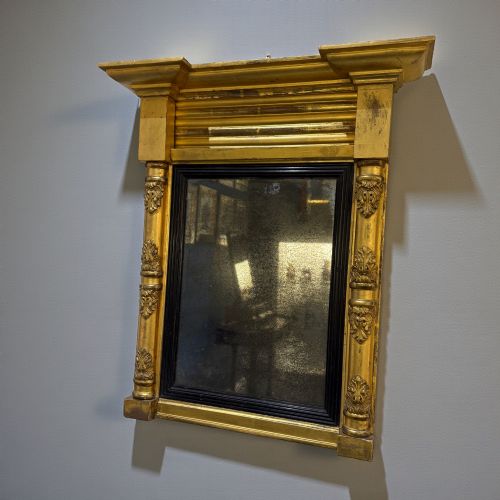
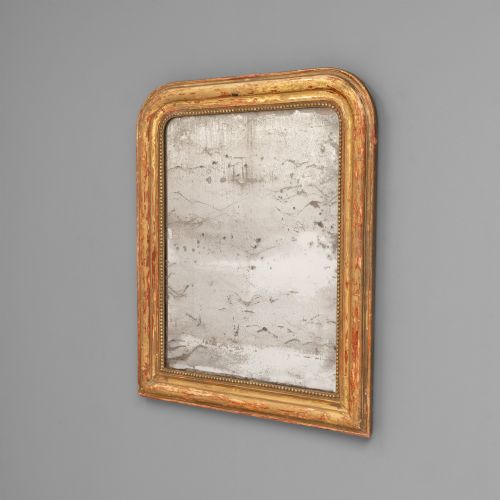
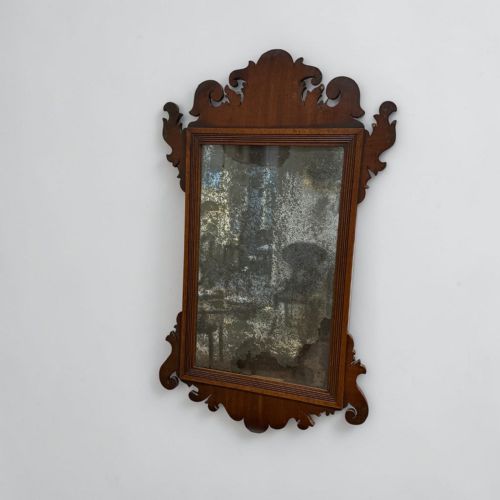
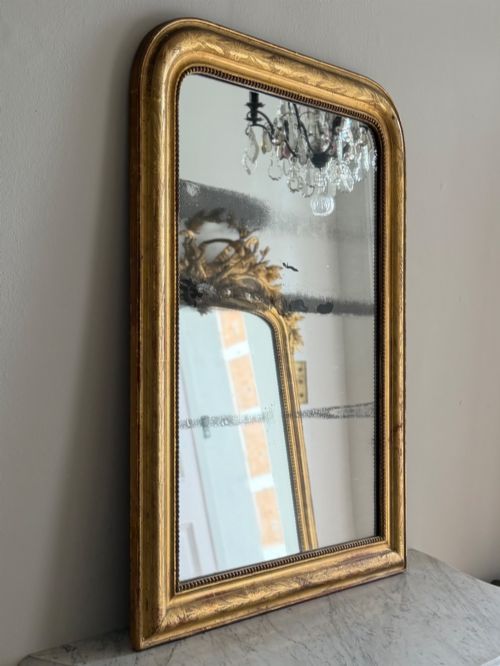
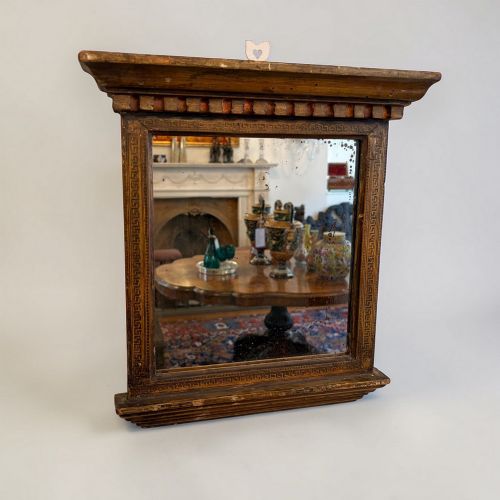
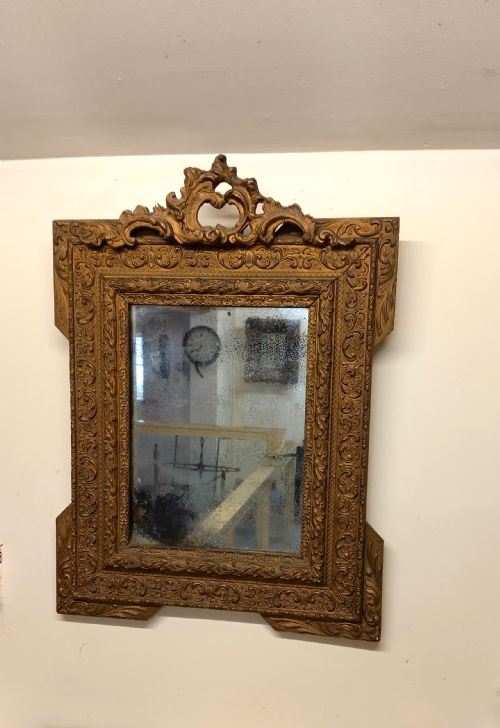
When you search for an antique mirror with foxing, you look at wall mirrors, overmantel mirrors, pier bistro mirrors, and hand mirrors originating from the eighteenth, nineteenth, and early twentieth centuries. These pieces display the characteristic dark spots, speckling, and clouding of aged plates that collectors prize for authenticity.
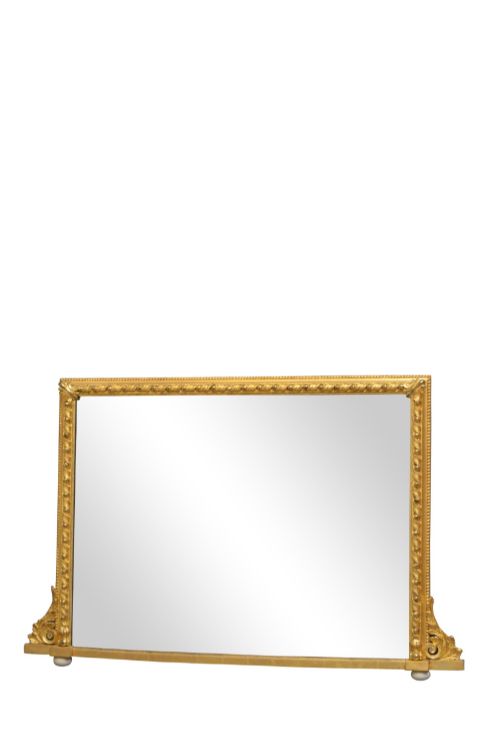
The most common examples on this page are nineteenth-century French and English wall and overmantel mirrors. They range from large giltwood and gesso frames to simpler brass bistro pieces and ebonised designs, showing styles from Regency and Victorian to French Provincial.
Earlier pieces from the eighteenth century appear alongside later nineteenth-century items like the Napoleon III and French Chateau styles. Each version offers a distinct frame construction paired with naturally aged glass that reflects light softly rather than with modern clarity.
How they were made
Frames utilise traditional materials including timber, wood, and composition mouldings finished with gold leaf, oil gilt, or gesso. Carvers shaped these materials into ornate floral and mythological motifs or clean architectural lines depending on the period.
Mirror plates were produced using older techniques such as mercury silvering on glass. Over decades, exposure to air and moisture behind the plate caused the reflective backing to degrade, creating the speckled foxing patterns seen today.
Antique Mirror with Foxing Retail Price Guide 2026
Typical asking prices for mirror with foxing among the pieces listed under this phrase on Sellingantiques today, from the lower quarter to the upper quarter. They describe what is for sale here now, not the wider market.
Listings feature items spanning the eighteenth, nineteenth, and early twentieth centuries, constructed from glass, giltwood, brass, and timber.
What varies in quality
Quality rests in the harmony between the original frame and its untouched glass plate. Hand-carved giltwood and gesso frames with deep, crisp ornamentation command greater attention than plain or later cast compositions.
The character of the foxing itself alters the piece, with dense, evenly distributed speckling preferred over random modern damage. Original mercury plates intact within their period frames represent the highest standard of survival.
The Antique Mirror with Foxing Glossary
- Foxing
- The natural oxidation and ageing of a mirror plate that causes dark spots and clouding. This chemical breakdown is cherished by decorators for its soft reflection.
- Giltwood
- Timber coated with a thin layer of gold leaf or powder over a prepared gesso base. It provides a warm, reflective surface for ornate frames.
- Gesso
- A plaster-like mixture applied to wood frames to create a smooth surface for carving and gilding. It allows for intricate relief details.
- Mercury plate
- An early type of mirror glass manufactured using a tin and mercury amalgam. It yields a distinctive, watery reflection and ages with unique character.
- Overmantel mirror
- A large horizontal mirror designed to hang above a fireplace mantel. These pieces often anchor the proportions of a formal room.
Antique Mirror with Foxing: Frequently Asked Questions
What causes foxing on old mirrors?
Foxing occurs when air and moisture penetrate behind the glass and react with the silvering or mercury backing over many decades.
This chemical process causes the reflective layer to break down into characteristic dark spots and cloudy patches.
How do I clean an antique foxed mirror?
You should use only a soft, dry microfiber cloth to gently remove dust from the glass surface.
Avoid liquid cleaners and modern chemicals, as moisture can seep behind the plate and accelerate the deterioration of the original backing.
Are foxed mirrors fragile?
The glass plates are often thinner and more delicate than modern equivalents, requiring careful handling during movement.
The aged frames, particularly those made of gesso and giltwood, can also chip if subjected to knocks.
How do I date a mirror frame?
Dating relies on identifying the construction methods, wood types, and decorative styles characteristic of periods like the Regency or Victorian eras.
Examining the backboards, fixings, and the nature of the glass plate provides further clues to the age of the piece.