
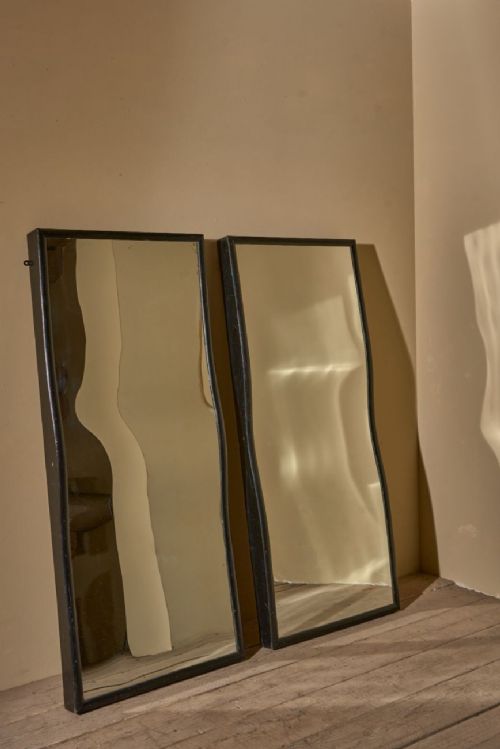

Antique Timber Mirror
An antique timber mirror brings warmth and depth to a room through the character of solid wood and aged glass.
Antique Timber Mirror
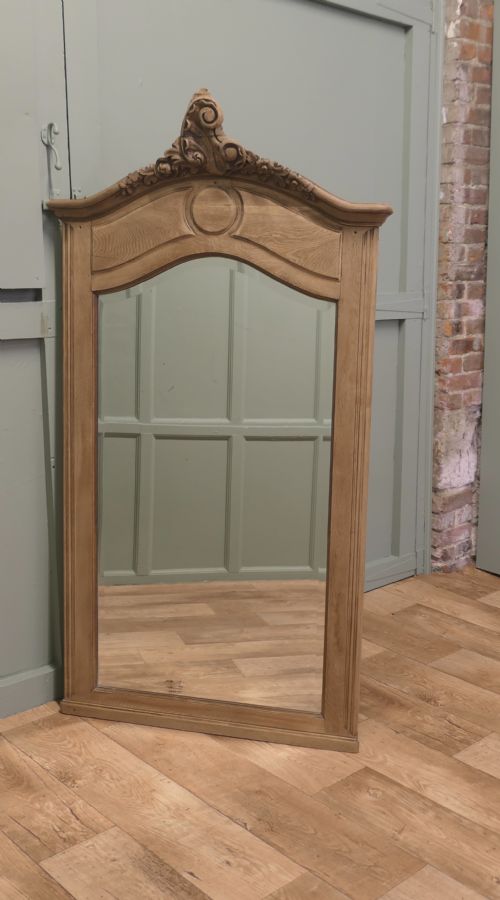
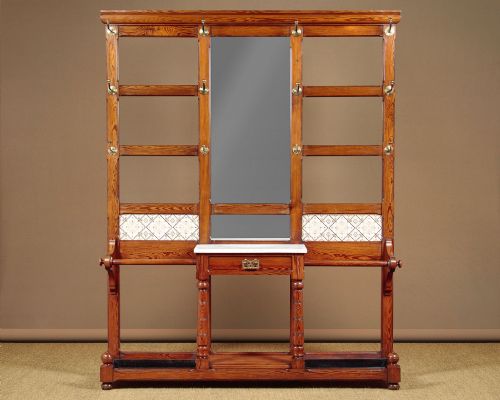
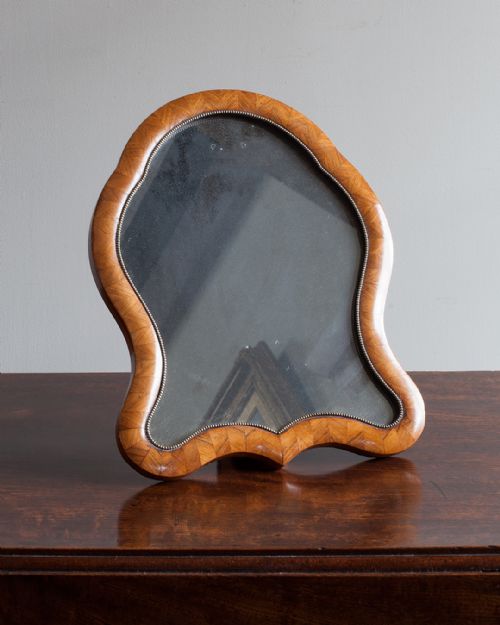
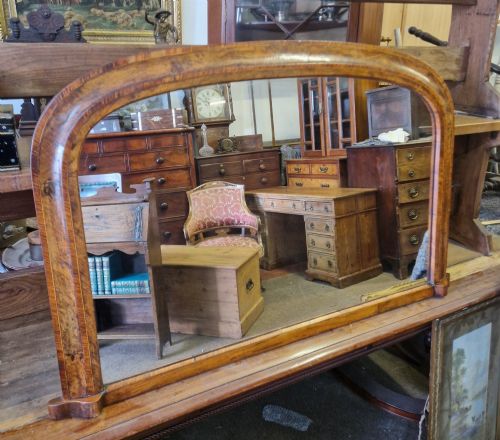
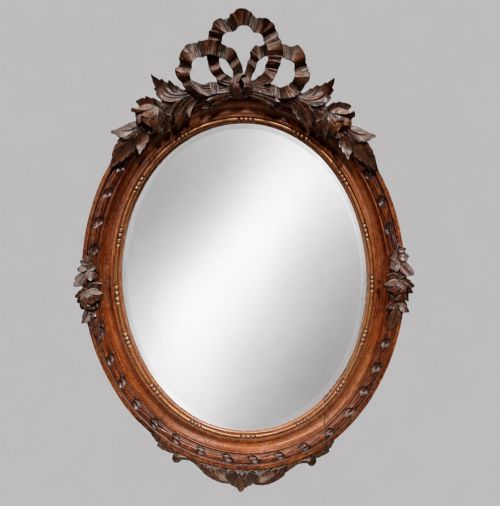
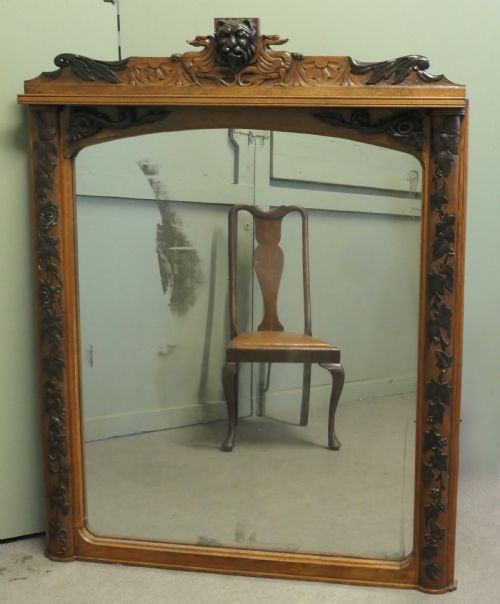
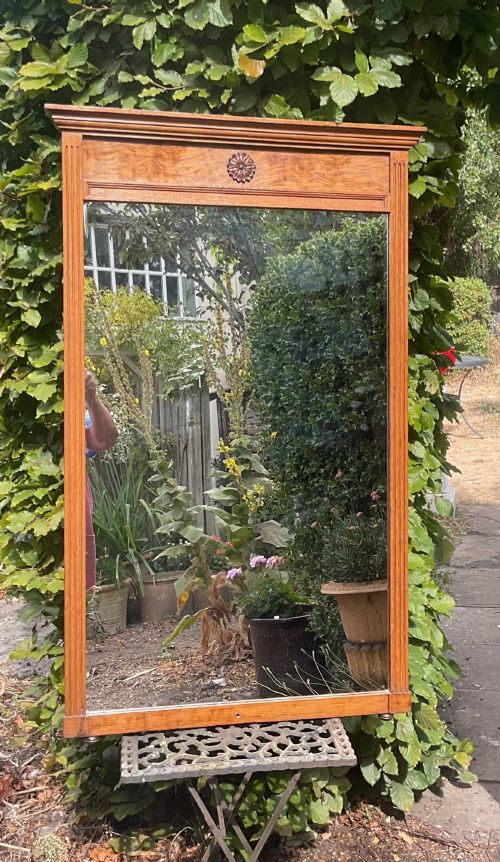
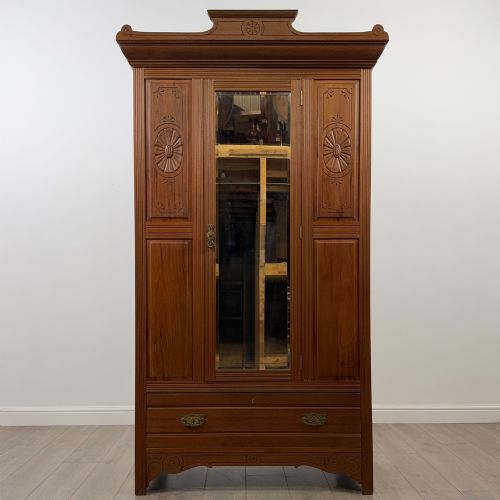
An antique timber mirror encompasses a wide variety of functional and decorative looking glasses created from natural woods and framed by hand. When searching for an antique timber mirror, buyers encounter everything from compact table top dressing pieces to grand overmantels designed for nineteenth century drawing rooms.
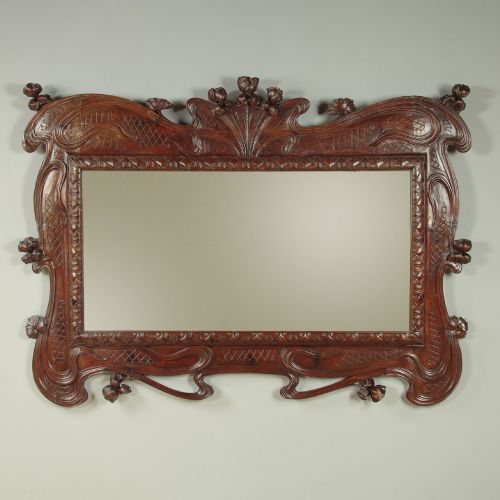
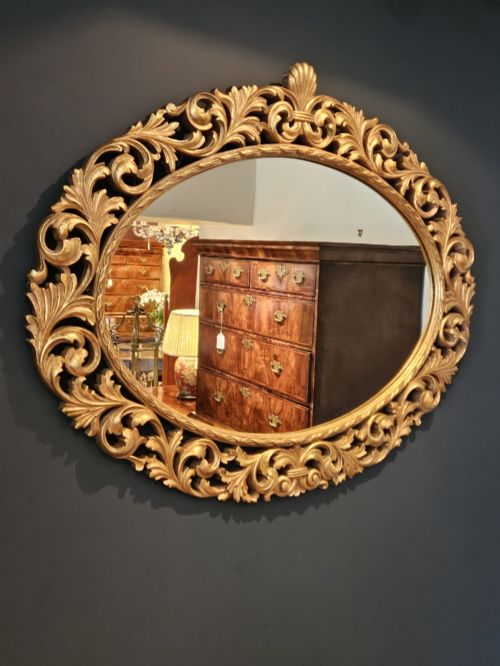
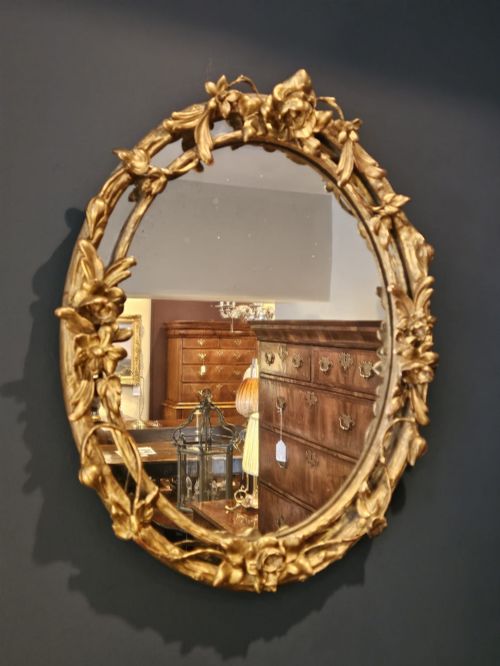
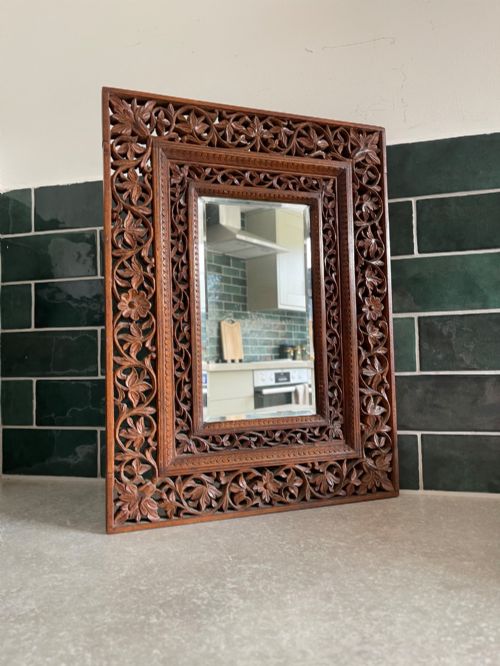
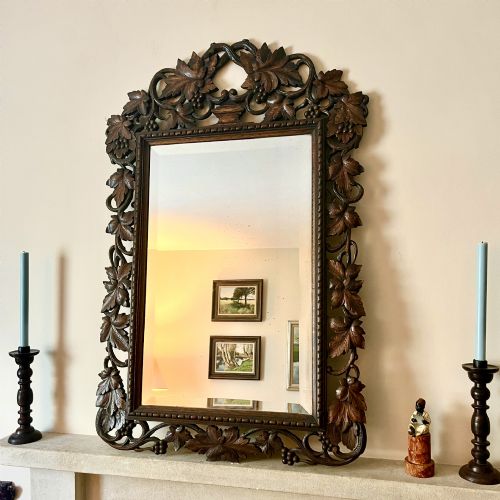
Makers utilised timber species such as oak, walnut, mahogany, and maple, often incorporating carved details, gilt accents, or brass mountings. Pieces range from simple rustic frames to ornately carved French chateau designs and regional specialities like Black Forest carvings.
Materials and construction
Frames rely upon solid timber construction, with cabinetmakers employing traditional joinery such as mortise and tenon frames to house heavy glass plates securely. Woods like oak and walnut provide structural stability, while softer timbers like pine and fruitwoods often receive carved relief or gesso and gilt finishes.
Surface treatments vary from polished French polish and wax finishes to bleached oak and ebonised detailing, protecting the wood while accentuating natural grain patterns. Glass plates are typically hand-silvered or bevelled, showing subtle age imperfections that distinguish period manufacturing methods from modern alternatives.
Common framing timbers include oak, walnut, and mahogany, alongside carved wood, giltwood, and brass mounted examples.
Assessing craftsmanship
The distinction between standard examples and superior pieces rests in the depth and precision of the hand carving, particularly on elaborately styled frames featuring foliage, animals, or classical motifs. Crisp detailing executed by skilled hands elevates an ordinary frame into a work of decorative art.
Originality of components also dictates standard, with high grade examples retaining their original glass plates, backing boards, and mercury or early silvering. The integration of secondary woods and the tightness of frame joints further indicate the competence of the original workshop.
The Antique Timber Mirror Glossary
- Overmantel mirror
- A large looking glass specifically proportioned to hang on the wall directly above a fireplace mantelpiece.
- Cheval mirror
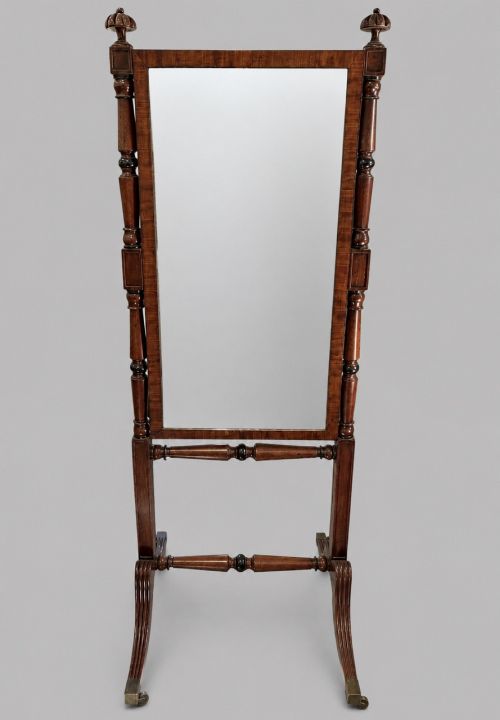
- A full length dressing mirror mounted in a frame on pivots, allowing the glass to tilt back and forth.
- Giltwood
- Timber that has been coated with a thin layer of gold leaf or gold powder over a prepared gesso base.
- Pier wall mirror
- A tall, narrow looking glass designed to hang on the solid section of wall between two windows.
- Marquetry
- Decorative inlay work using various coloured veneers to create pictorial patterns across the timber surface.
Antique Timber Mirror: Frequently Asked Questions
How do I hang a heavy timber mirror safely?
Heavy frames require sturdy fixings screwed directly into wall studs or masonry using appropriaterawl plugs. Wire is often replaced with heavy duty mirror plates screwed to the wooden back frame for secure wall mounting.
Professional mirror hangers distribute the weight evenly across two suspension points rather than a single central hook to prevent the frame from tilting or straining the original joints.
Can I clean the original glass safely?
Use a soft, lint free cloth slightly dampened with distilled water or a mild vinegar solution to wipe the surface gently. Avoid spraying liquid directly onto the glass, as moisture can seep behind the edges and damage the aged silvering.
Harsh commercial glass cleaners contain ammonia that can eat away at old backing paint and corrode the original reflective coating, so gentle cleaning methods are essential.
How do I identify a Victorian timber mirror?
Victorian examples frequently utilise dense timbers like walnut and mahogany, often featuring deep carved mouldings, rose vine motifs, or heavy brass hardware. The construction typically employs machine sawn timber combined with hand finished details.
Examining the rear boards and fixings reveals hand cut screws or early slot head screws, alongside aged paper labels or stamps indicating nineteenth century origin.
Where should I place an antique mirror?
Position looking glasses opposite windows to bounce natural daylight back into darker corners, instantly making small or narrow rooms feel more spacious. Hallways and overmantels remain traditional locations that provide functional reflection while anchoring the room's decor.
Keep wooden frames away from direct sunlight and damp walls to prevent the timber from warping and to protect the fragile aged glass from deterioration.