



Dark Wood Pier Mirror
A dark wood pier mirror brings vertical depth and polished timber warmth to a narrow wall space between windows.
Dark Wood Pier Mirror
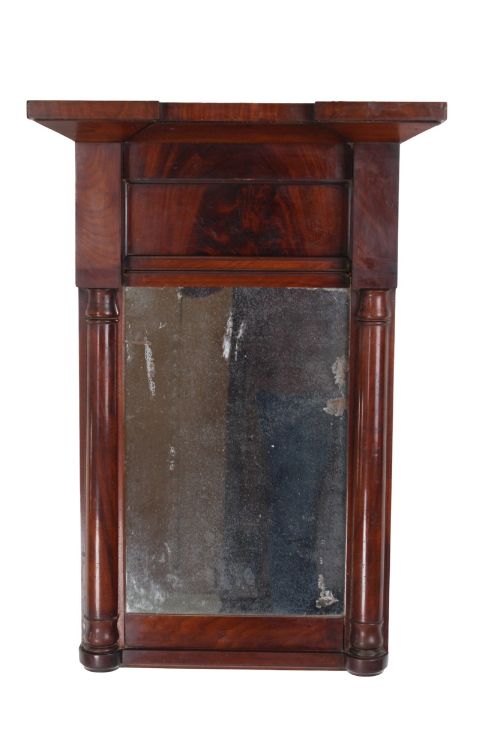
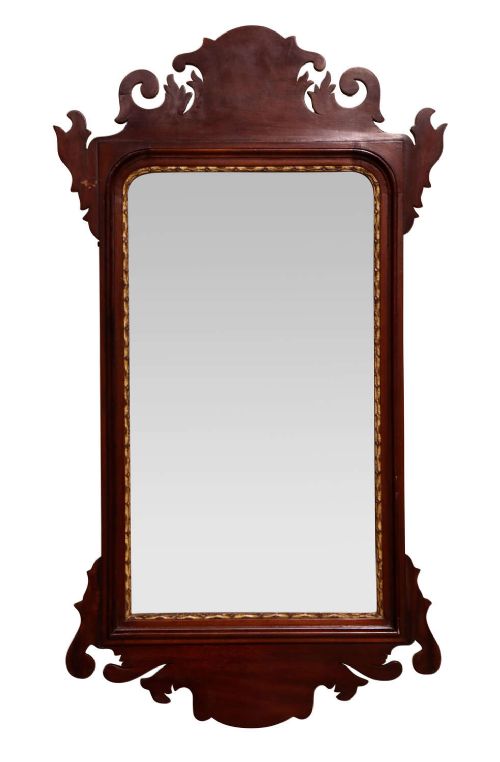
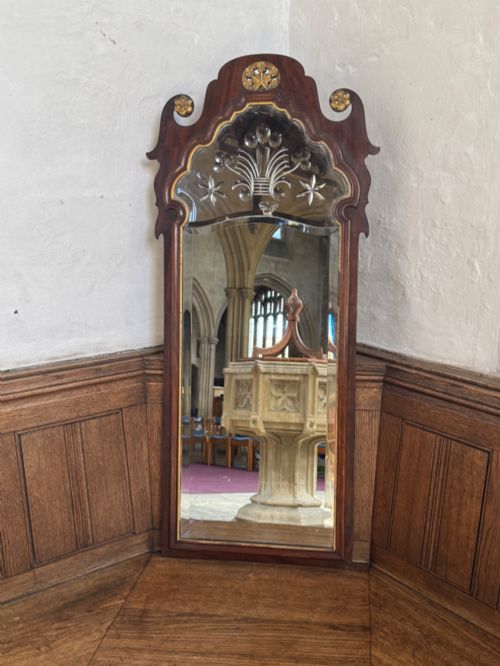
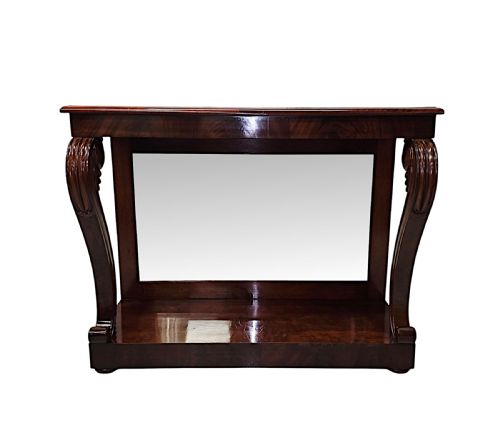
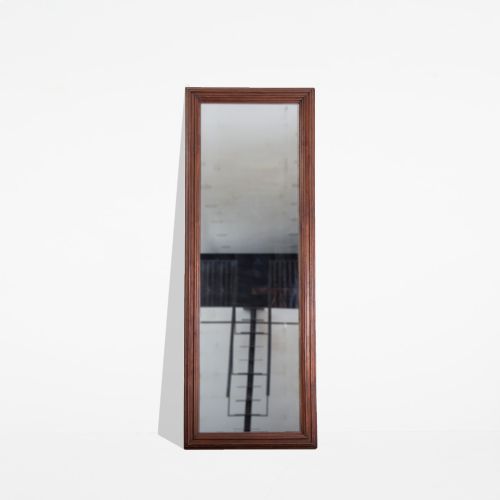
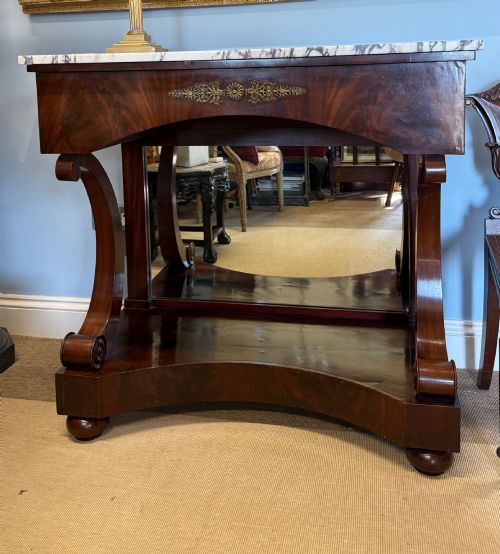
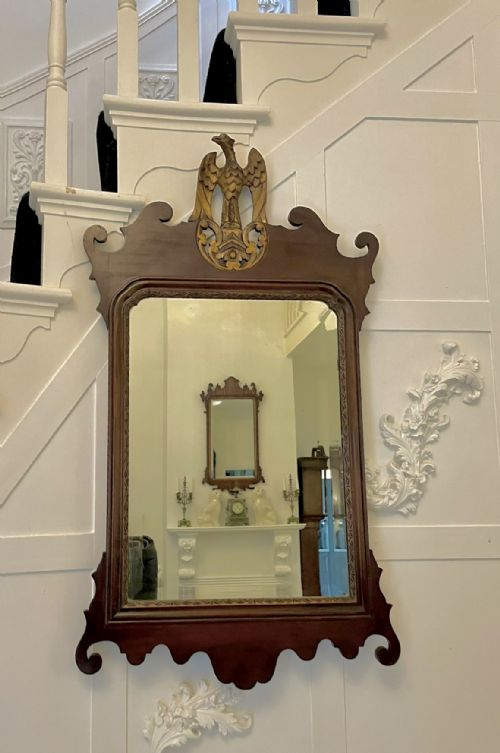
A dark wood pier mirror is a tall looking glass designed specifically to hang on the wall space between two windows or above a matching console table. These pieces span from the Georgian and Regency eras through the 19th century, featuring dark timbers such as mahogany, walnut, and rosewood. The selection includes dedicated pier mirrors alongside related console tables with mirror backs and overmantel forms.
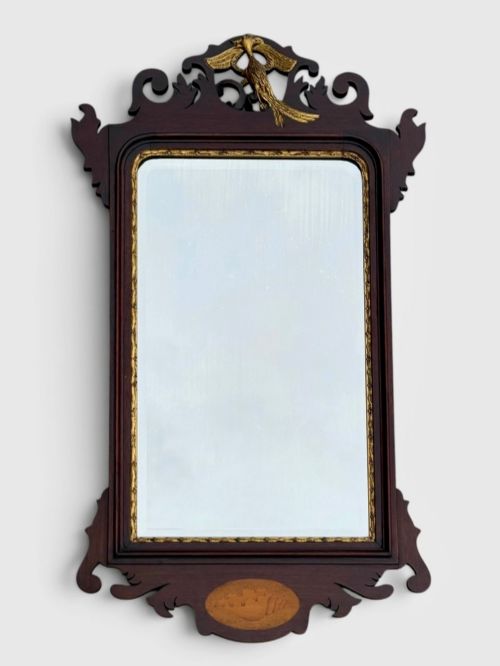
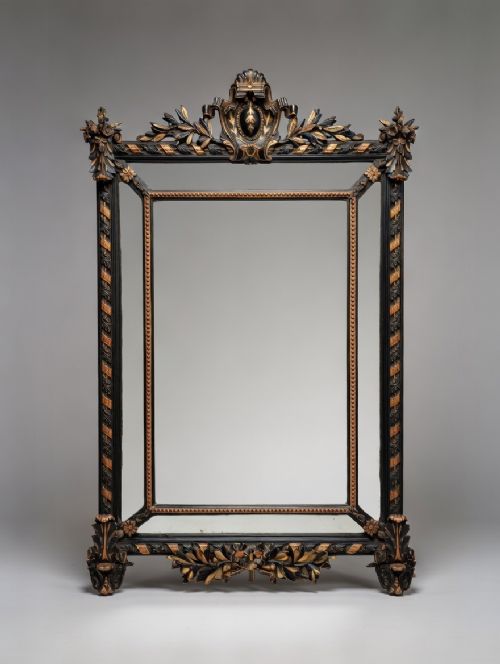
Most examples you will encounter date from the 19th century or reflect Georgian and Regency styles executed in mahogany and walnut. Frames range from simple moulded timbers to elaborate fretwork designs with parcel-gilt highlights, reverse cut plates, or half columns. They served historically to bounce natural daylight back into panelled rooms while anchoring the furniture arrangement below.
How they were made
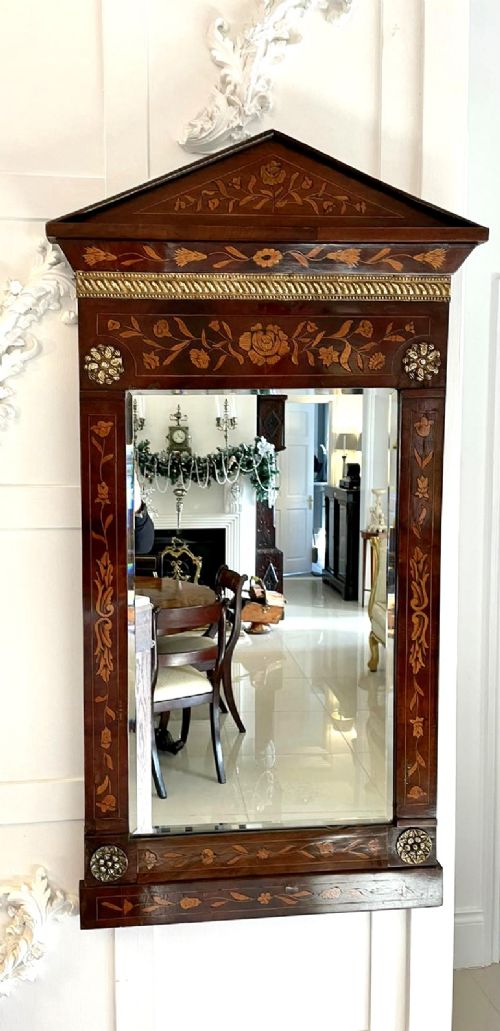
Frames are constructed from dense hardwoods like mahogany and walnut, frequently accented with parcel-gilt details, brass elements, or marquetry inlay. Cabinetmakers shaped the timber using traditional joinery, applying carved motifs such as ho-ho birds, fretwork scrolls, or architectural cornices directly to the structural wood. Ebonised finishes and gilt-heightened mouldings also appear across Victorian interpretations.
Mirrors utilise original mercury plates, mirror glass, or reverse cut plates held within protective wooden backs. The glass is often bevelled or sectional in earlier formats, reflecting the hand-silvering techniques of the 18th and 19th centuries. Pier tables paired with these looking glasses frequently incorporate marble tops supported by mahogany, rosewood, or walnut framing.
Some mirrors retain their original mercury plates, offering a slightly misty reflection that has watched generations pass.
What varies in quality
Quality rests upon the crispness of the hand-carved timber details and the proportion of the frame relative to the glass plate. Finer examples display deeply undercut fretwork, well-executed parcel-gilt enrichment, and harmonious scale rather than heavy or mechanical mouldings. The integrity of the original glass plate and backing boards also distinguishes standard commercial work from superior cabinetmaking.
Materials dictate much of the distinction, with choice figured mahogany, richly grained walnut, and heavy rosewood elevating a piece. The presence of original mercury mirror plates and untouched surface patination separates well-preserved antiques from later reproductions or heavily restored items.
The Dark Wood Pier Mirror Glossary
- Pier mirror
- A tall looking glass specifically proportioned to fit the wall space between windows, often positioned above a console or pier table.
- Console table
- A wall-mounted or freestanding table designed to sit flat against a pier wall, frequently paired with a matching mirror.
- Parcel-gilt
- Partially gilded woodwork where gold leaf highlights specific carved details, mouldings, or motifs against a dark timber background.
- Mercury plate
- An early type of mirror glass silvered using a tin-mercury amalgam, yielding a distinctive mottled and reflective depth.
- Fretwork
- Openwork ornamentation cut from thin boards of mahogany or walnut, commonly found on Georgian and Victorian wall mirror frames.
Dark Wood Pier Mirror: Frequently Asked Questions
Where should I hang a pier mirror?
These mirrors suit narrow wall spaces, hallways, or rooms where you want to amplify natural light between windows. They pair naturally above low console tables or side cabinets.
Ensure the wall construction can support the weight of a dense hardwood and glass frame, securing it with appropriate fixings at both top and bottom.
How do I clean an antique mirror glass?
Dust the frame gently with a dry, soft cloth and avoid spraying liquids directly onto the wood or the edges of the glass. Moisture can seep behind the silvering and cause deterioration.
Use a minimal amount of distilled water on a microfiber cloth for the glass, keeping all cleaning agents away from the antique backing boards and gilt surfaces.
What is the difference between a pier mirror and an overmantel?
A pier mirror is tall and narrow, built to occupy the specific wall pier between architectural openings like windows or doors. An overmantel mirror is wider and horizontal, designed specifically for the mantelpiece above a fireplace.
Both serve to reflect light, but their proportions reflect their original architectural placement within historic interiors.
How do I identify a Georgian pier mirror?
Look for dense mahogany or walnut framing, hand-carved fretwork details, architectural cornices, and early glass plates with bevelled edges. Many feature classical motifs or gilt decoration.
Examine the construction of the timber backing and fixings, which should show age-appropriate joinery methods consistent with 18th-century cabinetmaking.