

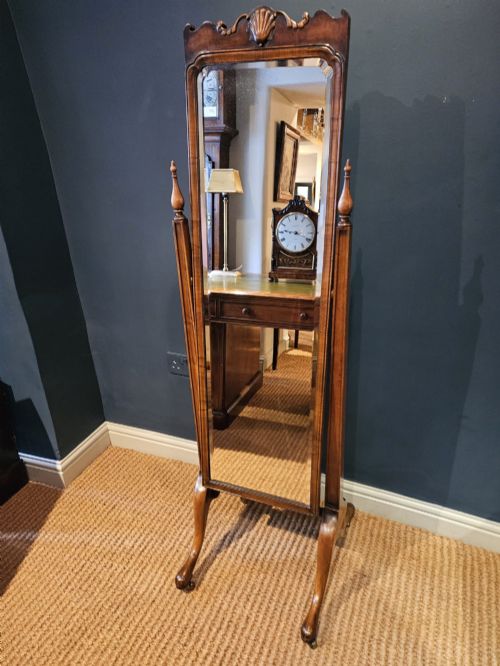
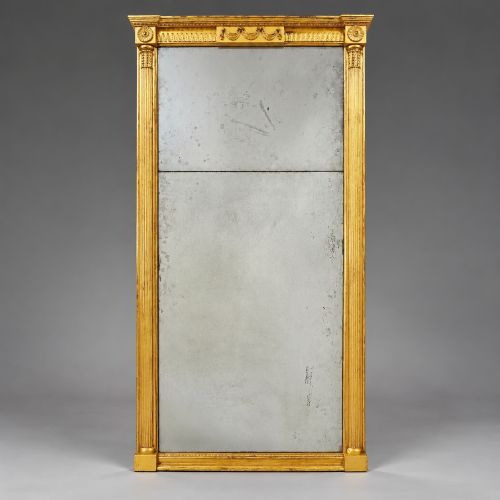
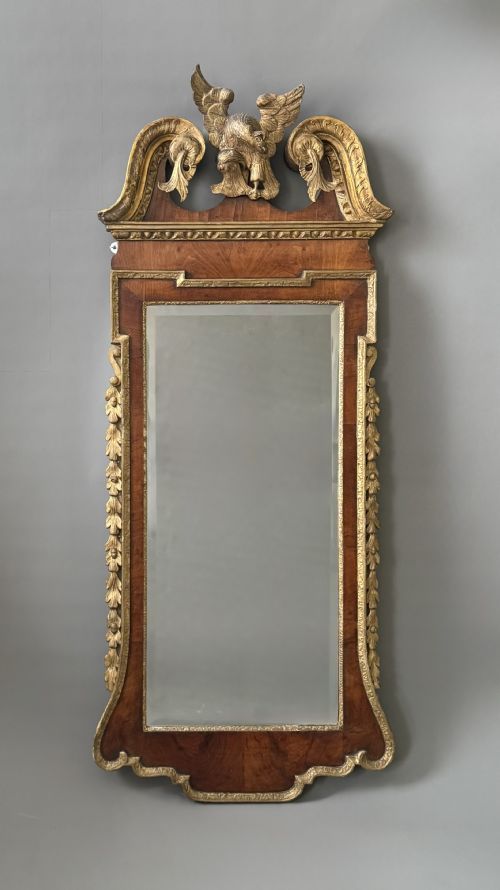
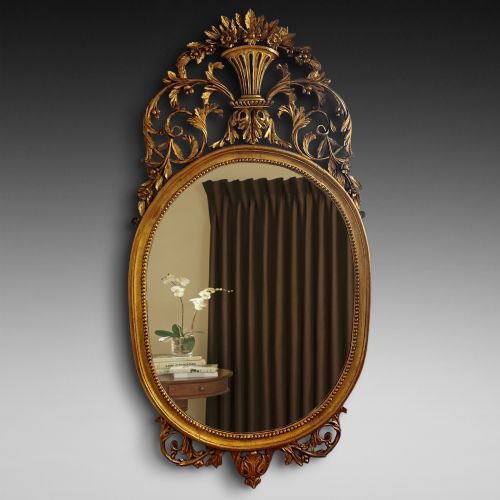




George III Carved Mirror
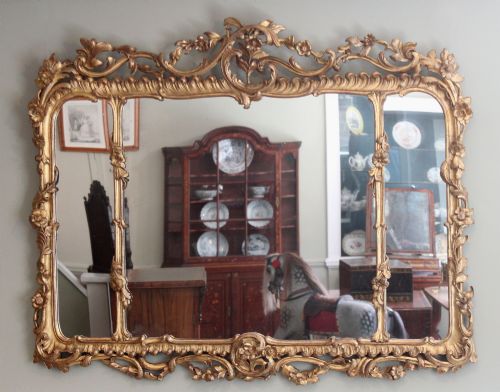
A george iii carved mirror brings remarkable eighteenth-century craftsmanship into a room, combining architectural form with luminous reflective glass.
George III Carved Mirror
A george iii carved mirror is primarily found in styles spanning the eighteenth century, incorporating Georgian designs that range from symmetrical neoclassical schemes to flowing rococo motifs. The selection encompasses smaller wall and dressing pieces alongside larger overmantel and pier formats.
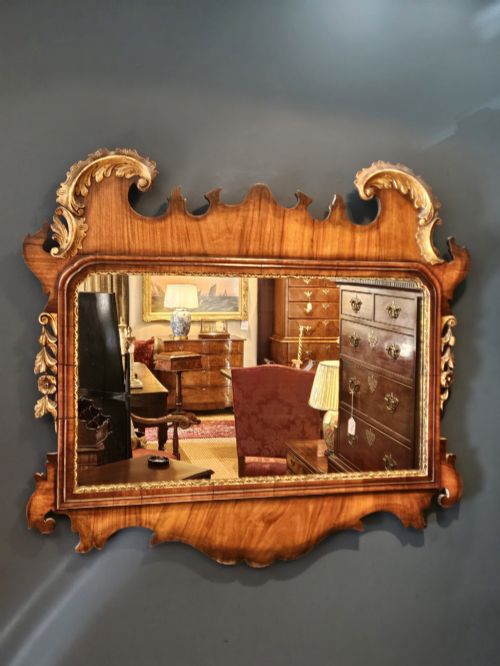
Makers utilised rich timbers and elaborate gilded frames to produce these wall mirrors. Mahogany and walnut feature prominently alongside sycamore, while giltwood versions dominate the surviving record.
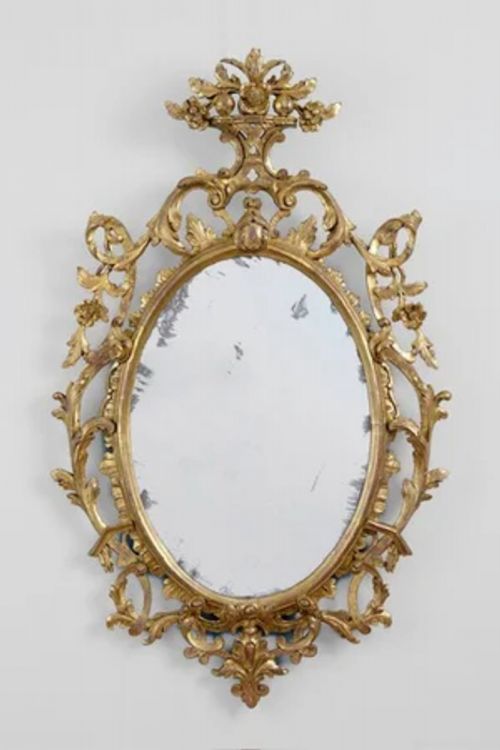
Most pieces date directly to the period, though later nineteenth-century revivals and early twentieth-century examples also appear. Buyers encounter both rectangular wall formats and distinctive oval designs.
Materials and Construction
Frames rely heavily on solid mahogany, walnut, and sycamore for timber varieties, often embellished with applied gesso before receiving layers of gold leaf. Giltwood surfaces require meticulous carving directly into the wood or onto prepared plaster layers.
Fretwork and pierced scroll designs are cut from timber boards, exemplified by traditional fret mirrors. Glaziers fitted mirrored glass plates into these complex wooden armatures, sometimes incorporating parcel-gilt details to highlight carved mouldings.
George III Carved Mirror Retail Price Guide 2026
Typical asking prices for george iii carved mirror among the pieces listed under this phrase on Sellingantiques today, from the lower quarter to the upper quarter. They describe what is for sale here now, not the wider market.
Periods represented span from the eighteenth century through the Regency era and Victorian revivals.
Qualities of Distinction
Depth and crispness of the carving distinguish finer examples from simpler production. Master carvers executed intricate foliage, scrolls, and ornamental details like the iconic Ho-ho bird with high definition and natural movement.
The integrity of the original gilding and the preservation of the antique mirror plate determine the visual weight of the piece. Superior construction employs well-seasoned timbers that maintain joint stability over centuries.
The George III Carved Mirror Glossary
- Giltwood
- Wood that has been coated with gold leaf or gold paint. This finish creates a brilliant reflective surface that catches natural light in a room.
- Fretwork
- Openwork ornamentation carved or pierced from a flat board. It defines the symmetrical borders of many eighteenth-century wall mirrors.
- Gesso
- A plaster-like mixture applied to wood surfaces as a base for gilding. It allows carvers to model fine relief details before applying gold leaf.
- Pier Mirror
- A tall mirror designed to hang on the wall space between windows. These pieces often feature large scales to maximise interior light.
- Parcel-gilt
- Partially gilded woodwork where specific carved highlights are finished in gold leaf while the underlying timber remains visible.
George III Carved Mirror: Frequently Asked Questions
Where should I hang a george iii carved mirror?
These mirrors suit principal reception rooms, hallways, and above mantelpieces where they reflect light and anchor the surrounding decor.
Their substantial presence makes them effective focal points above period mantelpieces or console tables.
How do I identify period pieces from revivals?
Period pieces display historical timber shrinkage, hand-cut joinery, and patination consistent with eighteenth-century workshop practices.
Revival examples from later centuries often utilise machine-cut elements and different secondary woods beneath the gilt surface.
What is a Chippendale style mirror?
Chippendale style mirrors draw on the designs published by Thomas Chippendale, featuring asymmetrical rococo scrolls, pierced fretwork, and naturalistic motifs.
These designs often incorporate Chinese-inspired details or carved birds within the wooden frame.
How do I care for antique giltwood?
Dust giltwood surfaces gently with a soft dry brush to protect the delicate gold leaf layers from abrasion.
Avoid liquid cleaners and excessive moisture, which can damage the underlying gesso and historical finish.