
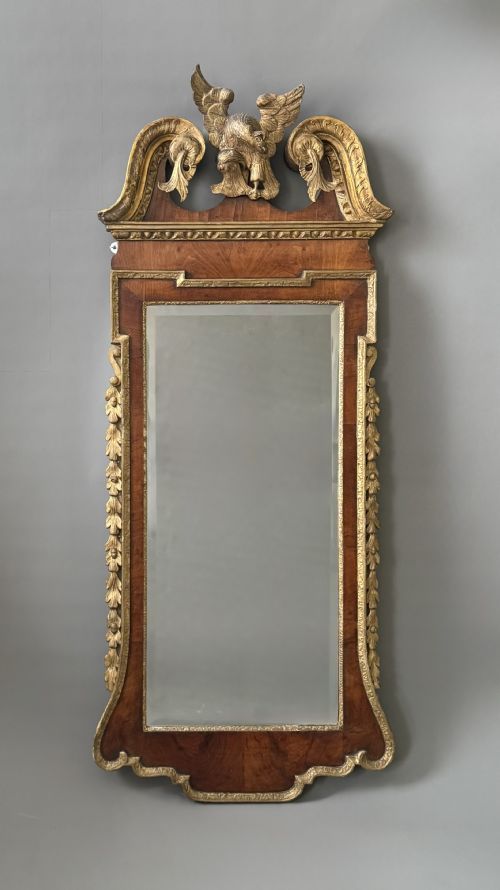
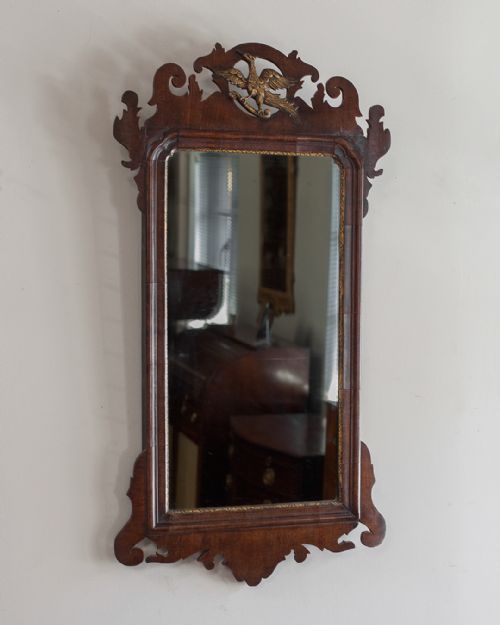
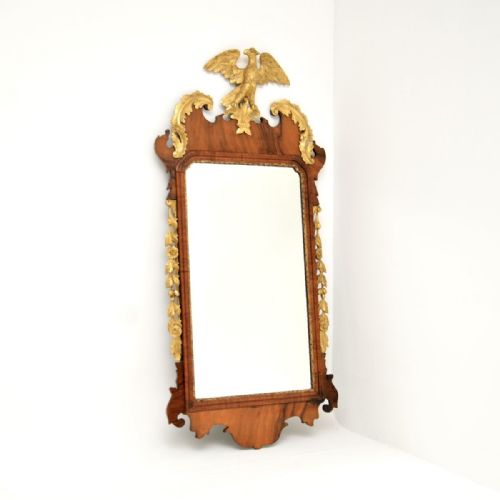
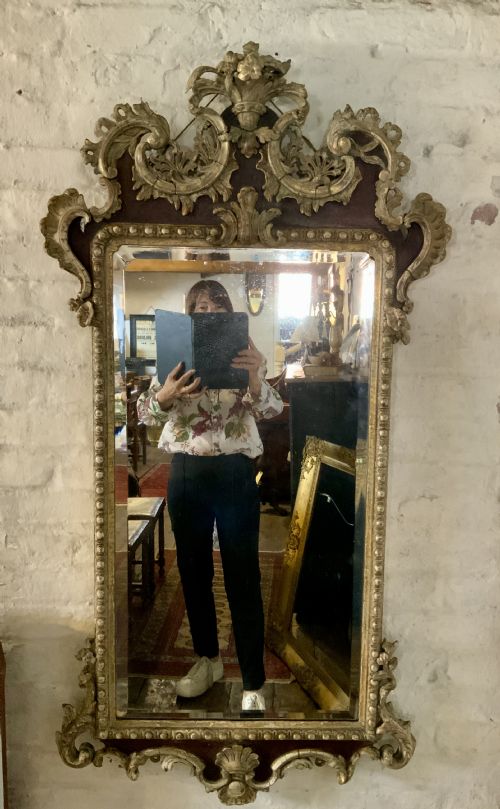


18th Century Chippendale Mirror
An 18th century chippendale mirror brings fluid rococo carving and rich mahogany or giltwood into a room, offering both historic presence and functional elegance.
18th Century Chippendale Mirror
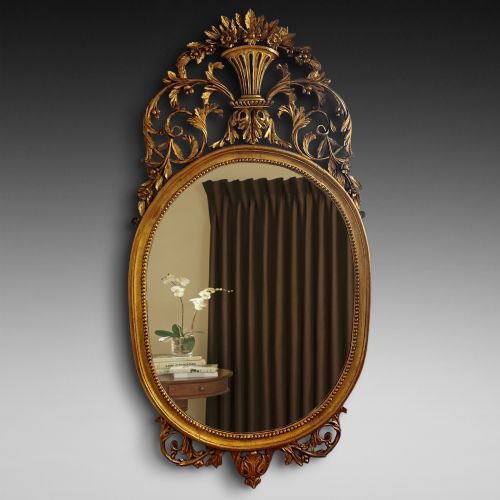
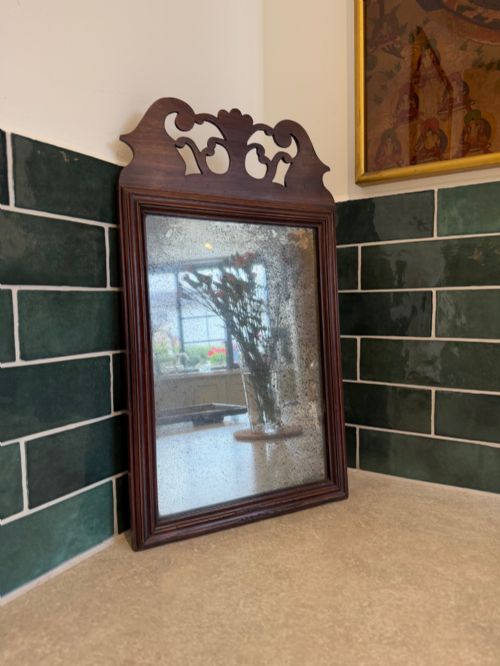
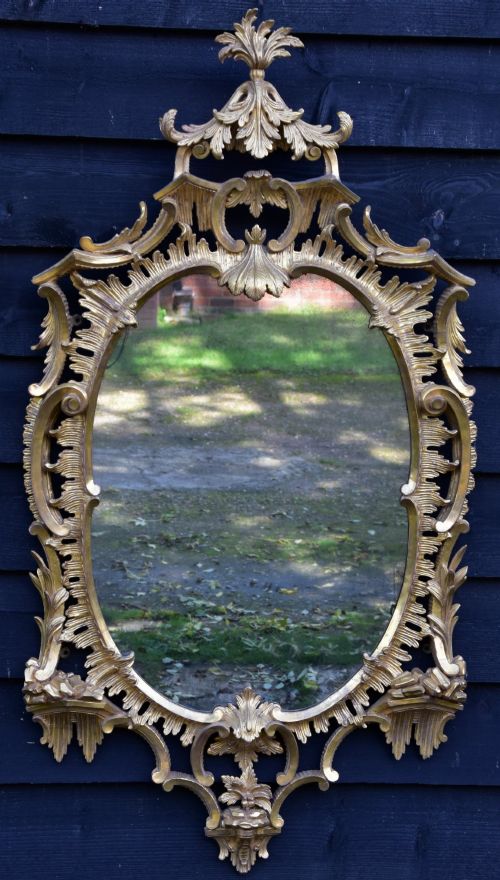
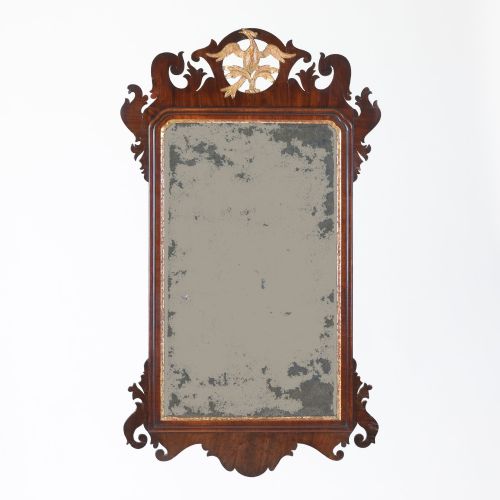
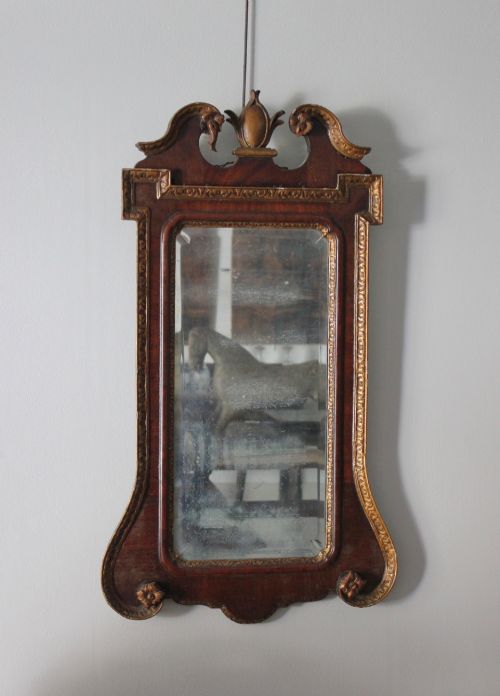
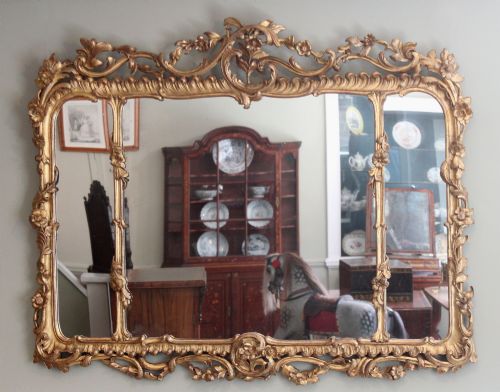
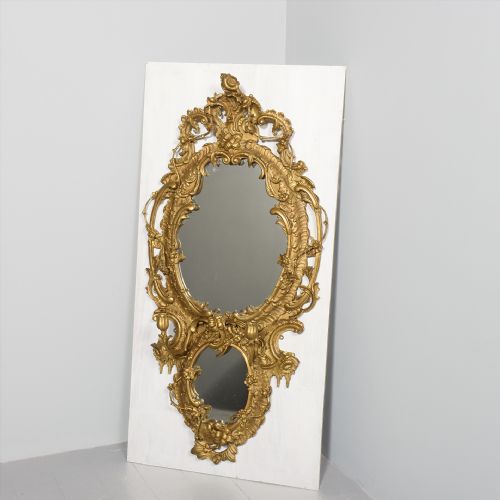
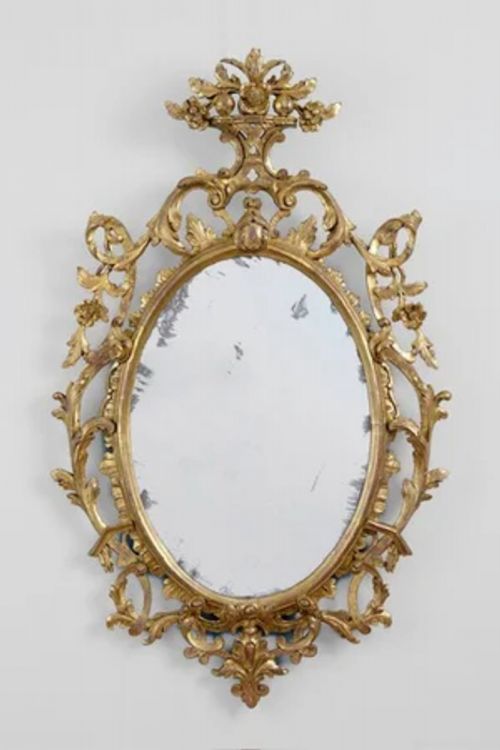
An 18th century chippendale mirror embodies the decorative ambition of the Georgian era, taking form primarily as wall mirrors, fretwork pier mirrors, and overmantel mirrors. Buyers searching this phrase encounter walnut, mahogany, and giltwood frames shaped by the rococo taste, often displaying intricate pierced frets and scrolling foliage.
The selections available range from modest mahogany fretwork designs intended for domestic parlours to substantial carved giltwood wall mirrors with considerable visual weight. Many originate from the mid to late Georgian period, reflecting the classic vocabulary of George II and George III design.
Beyond standard wall formats, the groupings include toilet mirrors and occasional writing furniture accompanied by related glass plates. The focus remains firmly on English craftsmanship from the eighteenth century, supplemented by occasional nineteenth-century interpretations in the same historic style.
How they were made
Makers constructed these frames using dense timbers like mahogany and walnut, frequently applying thin layers of gold leaf or parcel gilt over gesso and pine. Joinery relies on precise fret-cutting for pierced scrollwork, while carved elements take shape through hand-chiselling in soft woods.
Giltwood surfaces depend on the careful application of gesso as a ground for gold leaf, burnished to achieve high lustre. Glass plates, silvered by hand in the period manner, are held within the rebate by wooden slips and pine backboards.
Listings feature walnut, mahogany, and sycamore timbers alongside traditional gesso and gold leaf applications.
What varies in quality
The standard of carving dictates visual success, distinguishing deep, crisp undercut foliage from flat, mechanical reproduction work. Fretwork panels exhibit varying degrees of intricacy, where fluid scrolling lines demonstrate superior workshop proficiency over stiff geometric cuts.
Surface preservation defines upper-tier examples, particularly where original gilding, untouched patination on walnut veneers, and period mirror glass remain intact. Frames retaining their original gilding layers and structural integrity command greater attention from discerning collectors.
The 18th Century Chippendale Mirror Glossary
- Fretwork
- Openwork ornamentation cut from thin boards using a fretsaw. This technique creates lightweight decorative crests and borders on mahogany mirrors.
- Parcel Gilt
- Partial gilding applied to specific carved details or mouldings against a contrasting timber background such as walnut or mahogany. It highlights architectural focal points on the frame.
- Gesso
- A plaster mixture applied to wood frames to provide a smooth base for water gilding. It allows craftsmen to model sharp relief details before laying gold leaf.
- Giltwood
- Timber carved and coated with gold leaf over a prepared gesso ground. This finish provides reflective brilliance suited to formal reception rooms.
- Overmantel Mirror
- A wide mirror designed specifically to hang above a fireplace mantelpiece. These pieces often feature extensive landscape proportions and elaborate cresting.
18th Century Chippendale Mirror: Frequently Asked Questions
How do I identify a genuine period piece?
Examine the timber construction behind the frame for signs of age, such as hand-cut nails, oxidized pine backboards, and old shrinkage cracks in the gesso.
Original mirror plates frequently display minor imperfections, dark oxidation spots, and subtle waviness absent in modern float glass.
Where should I hang an overmantel mirror?
These large mirrors work best positioned directly above a fireplace opening to reflect light and anchor the vertical space of the chimney breast.
Ensure the wall fixings engage structural studs or masonry securely, as heavy giltwood and mahogany frames carry significant weight.
What is a Ho-Ho bird motif?
The Ho-Ho bird is a stylized Chinese phoenix figure frequently carved into the cresting of mid-eighteenth-century rococo and chippendale mirror frames.
This decorative inclusion reflects the period fascination with chinoiserie, adding height and whimsical character to the central pediment.
How do I care for antique giltwood?
Dust the delicate carved surfaces gently using a soft, dry ostrich feather duster without applying commercial cleaning sprays or moisture.
Avoid placing these mirrors in rooms with fluctuating humidity to prevent the gesso ground from cracking or lifting away from the wood.