





Chippendale Scroll Frame Mirror
These chippendale scroll frame mirror pieces bring architectural elegance and rich timber tones to any interior.
Chippendale Scroll Frame Mirror
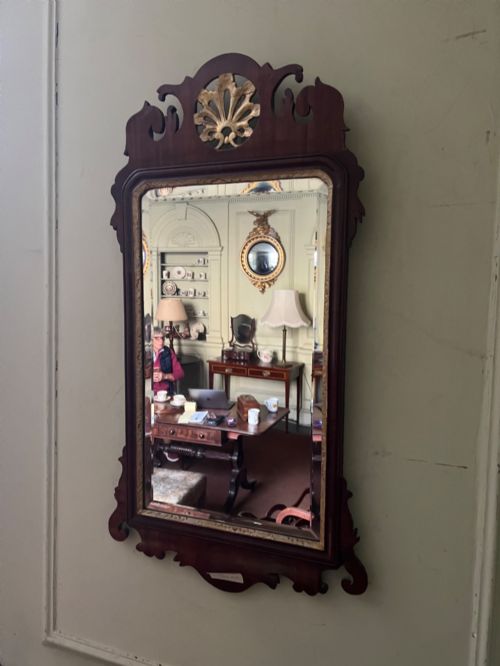
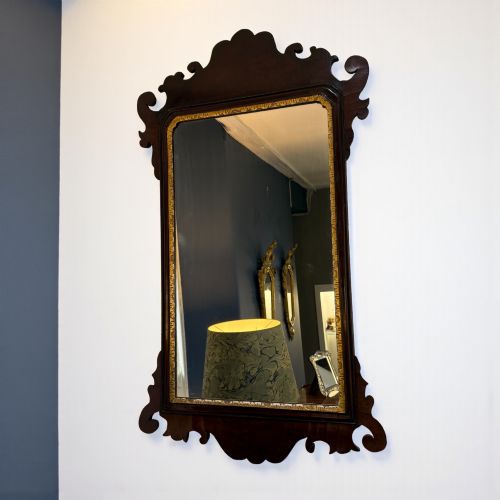
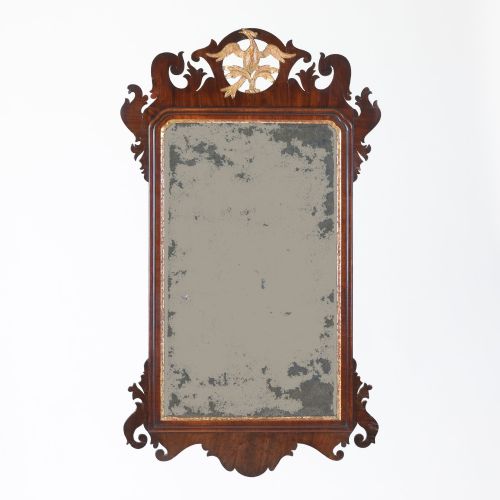
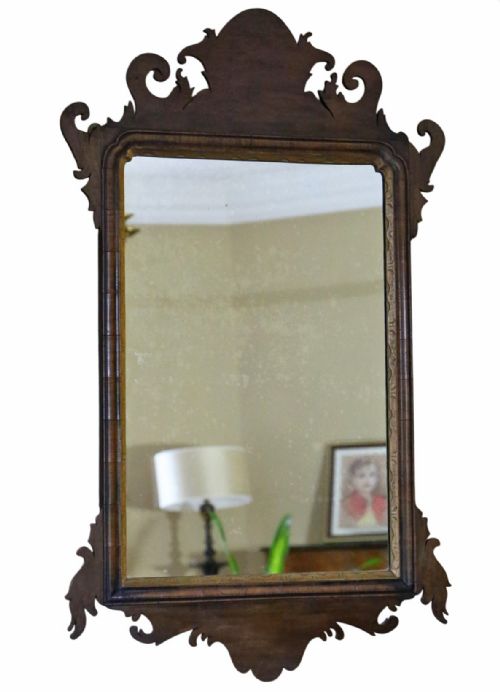
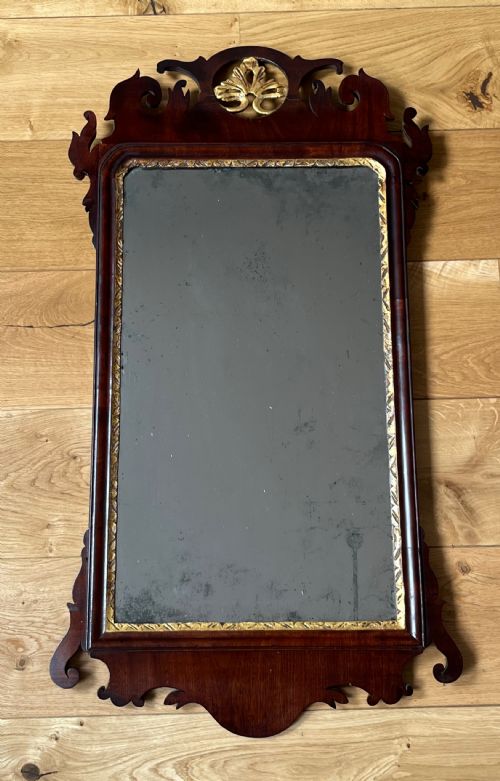
A chippendale scroll frame mirror is a decorative wall hanging defined by intricate fretwork, scrolling ears, and classical symmetry rooted in eighteenth-century design. When you search for this phrase, you encounter wall mirrors, pier mirrors, and overmantel pieces spanning the Georgian era through to later revival periods.
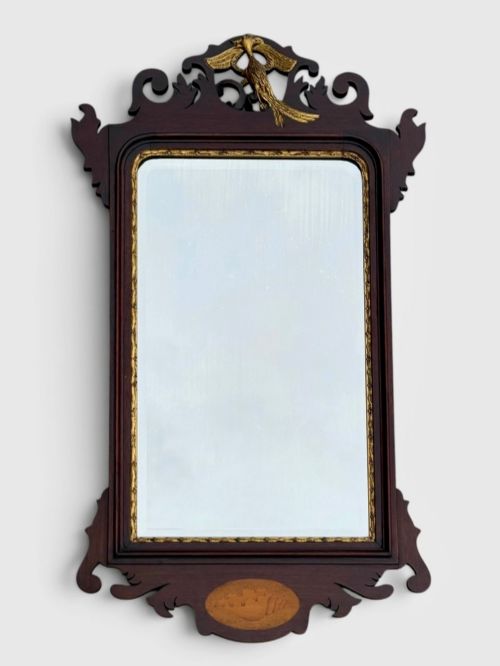
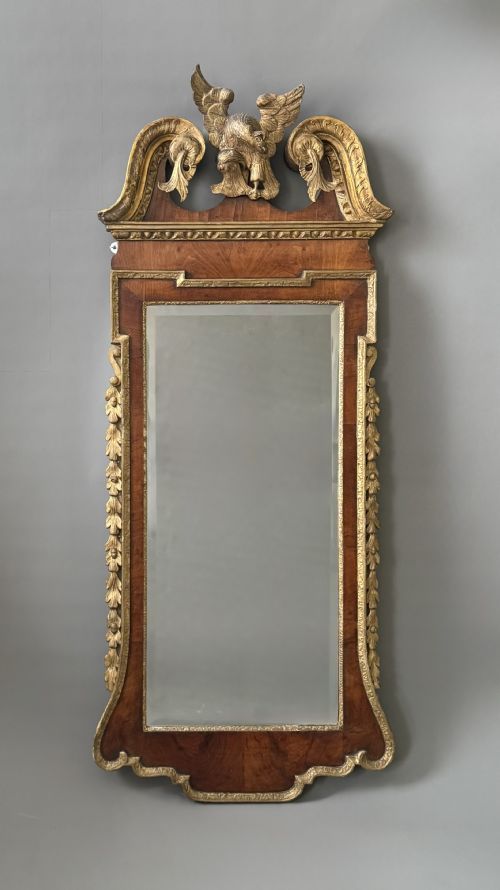
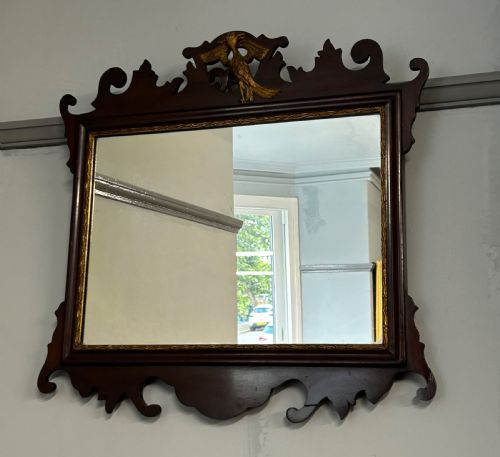
The versions most commonly met on this page include mahogany and walnut frames, often featuring parcel gilt highlights or the iconic carved ho-ho bird atop the scrollwork. These items function as focal points in reception halls, morning rooms, and bedrooms, combining practical mirror glass with sophisticated cabinetwork.
The stylistic lineage stretches from authentic George III examples down to Edwardian and 1920s Georgian Revival interpretations. Each piece reflects the enduring appeal of rococo-inspired woodwork, whether shaped during the original eighteenth-century period or manufactured during later revivals.
Materials and construction methods
Makers constructed these frames predominantly from dense hardwoods such as mahogany and walnut, frequently applying wood inlay or gold leaf and giltwood accents to enhance the carved details. The timber was sawn, pierced, and fret-cut to create the characteristic delicate scrollwork frames.
Mirror glass of the period was set into the timber rebate, sometimes utilising Vauxhall bevelled plates that added depth to the reflection. The joinery combined traditional pinning with precise fretwork sawing to achieve the light yet stable silhouette.
Chippendale Scroll Frame Mirror Retail Price Guide 2026
Typical asking prices for chippendale scroll frame mirror among the pieces listed under this phrase on Sellingantiques today, from the lower quarter to the upper quarter. They describe what is for sale here now, not the wider market.
Listings feature items spanning the Georgian, Victorian, Edwardian, and 1920s periods, executed in mahogany, walnut, giltwood, and wood inlay.
Evaluating craftsmanship and condition
Quality in a chippendale scroll frame mirror rests upon the crispness of the fretwork carving and the depth of the timber grain. Finer examples display sharp, hand-cut scroll ears and well-defined motifs like the ho-ho bird, whereas lesser pieces show softer, more mechanical lines.
The choice of primary wood also dictates the character of the piece, with richly figured mahogany and veneered walnut sitting at the upper end of the scale. Preservation of original gilding, gold leaf, and mirror glass further distinguishes the more accomplished interpretations.
The Chippendale Scroll Frame Mirror Glossary
- Fret-cut
- Woodwork pierced with decorative patterns using a fretsaw. This technique creates the delicate, openwork borders characteristic of these frames.
- Parcel gilt
- Partially gilded surfaces where gold leaf is applied only to specific carved highlights such as mouldings or scroll tips. It contrasts with the dark timber underneath.
- Ho-ho bird
- A stylized Chinese phoenix motif frequently carved at the crest of eighteenth-century frames. It became a signature element of the rococo revival.
- Vauxhall mirror
- A plate glass mirror featuring a distinct bevelled edge around the perimeter. These plates were historically produced at the London glasshouse.
- Pier mirror
- A tall, narrow wall mirror designed to hang on the wall space between windows. They often match the height of surrounding architectural joinery.
Chippendale Scroll Frame Mirror: Frequently Asked Questions
How do I date a chippendale scroll frame mirror?
Dating relies on examining the timber construction, the type of mirror glass, and the tool marks left on the reverse of the fretwork. Eighteenth-century originals show hand-sawn edges and aged pine backboards, while revival pieces from the Edwardian era or 1920s display machine-cut precision.
Secondary indicators include the wear on the gold leaf and the oxidation patterns within the mirror plate. Comparing the secondary woods, such as oak or pine framing behind the mahogany, helps confirm the period of manufacture.
Where should I hang an overmantel mirror?
An overmantel mirror is traditionally positioned directly above a fireplace mantelpiece to reflect light and anchor the room's central hearth. In modern settings, they also function effectively above low sideboards or console tables in reception halls.
Ensure the wall fixings are secured into solid studs or masonry to support the weight of the timber and glass frame safely. Hanging the piece at eye level maximises its visual impact within the room.
What is the difference between Georgian and revival pieces?
Original Georgian pieces were manufactured during the eighteenth century and carry the authentic patination and tool methods of the period. Revival pieces were produced later, particularly during the Edwardian period and the 1920s, copying those earlier designs.
While both share the characteristic fretwork and scroll frame silhouette, the materials and joinery on revival items reflect nineteenth- or twentieth-century manufacturing standards. Both hold decorative and practical merit depending on your collecting preferences.
How do I clean an antique giltwood frame?
Cleaning requires a soft, dry brush to gently remove dust from the crevices of the carved scrollwork without disturbing the surface. Avoid liquid cleaners, polishes, or damp cloths, which can damage fragile gold leaf or original parcel gilt finishes.
For the glass plate, apply a mild glass cleaner to a cloth rather than spraying directly onto the mirror, preventing moisture from seeping behind the plate or into the wooden rabbet.