
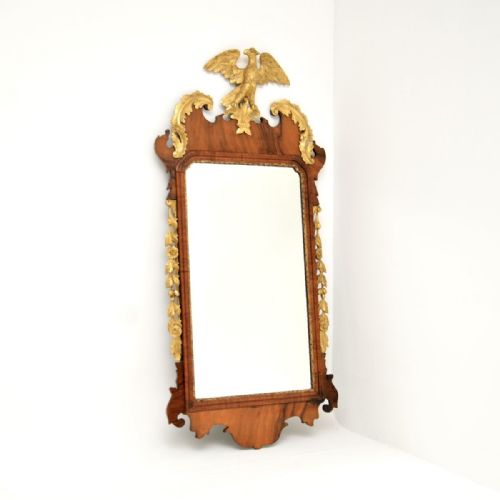
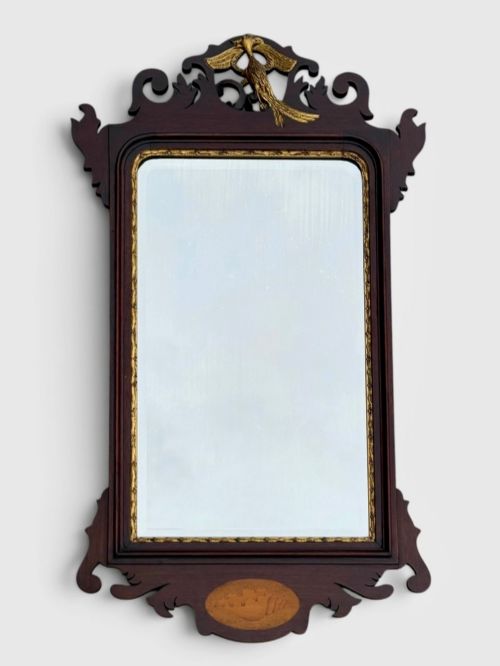
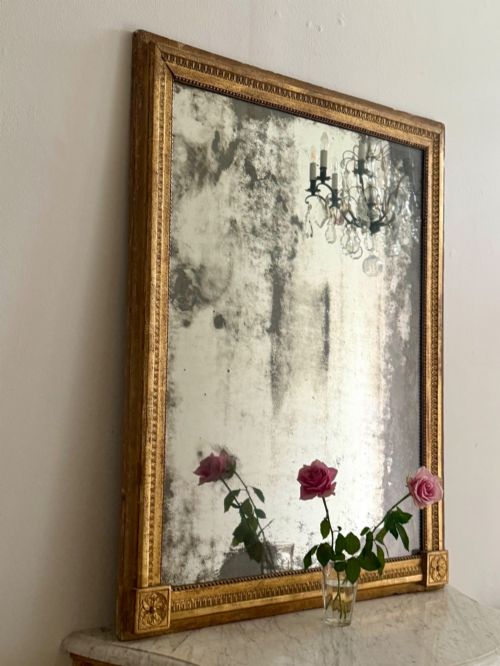
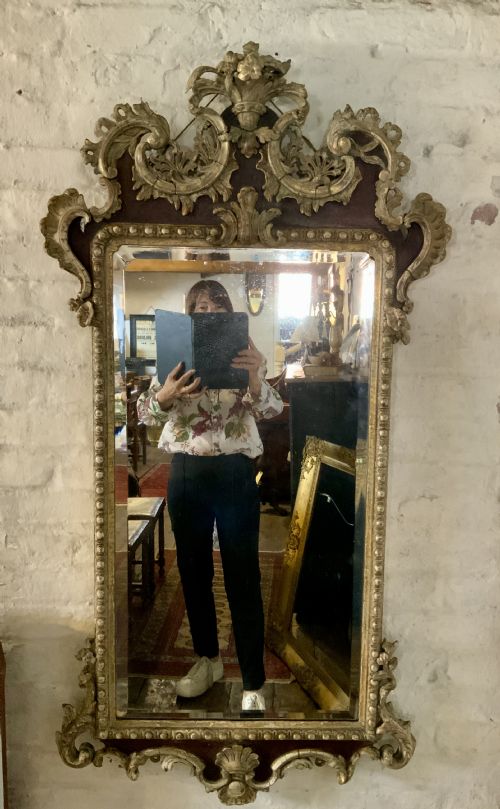
Georgian Carved Wall Mirror
A georgian carved wall mirror brings classical proportion and reflective light to a room through centuries-old joinery and hand-gilt detail.
Georgian Carved Wall Mirror
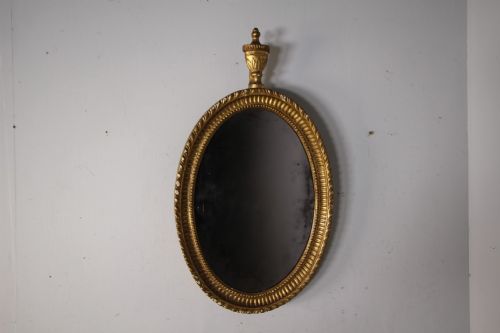
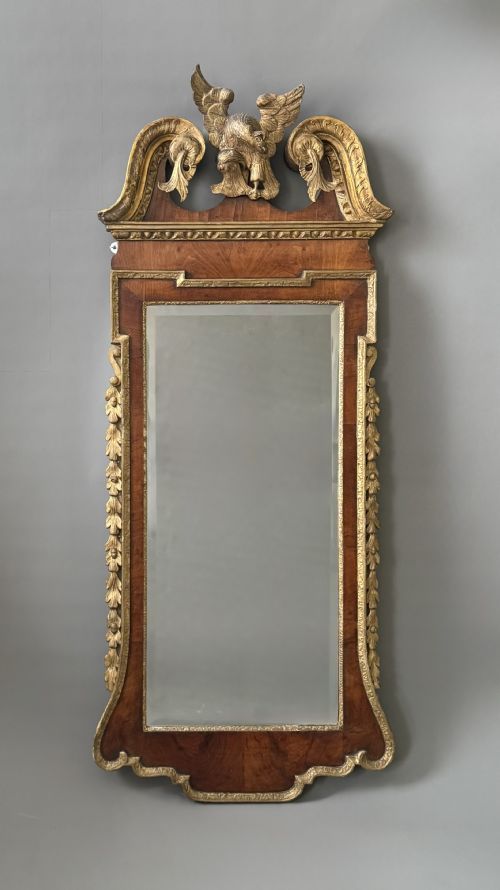
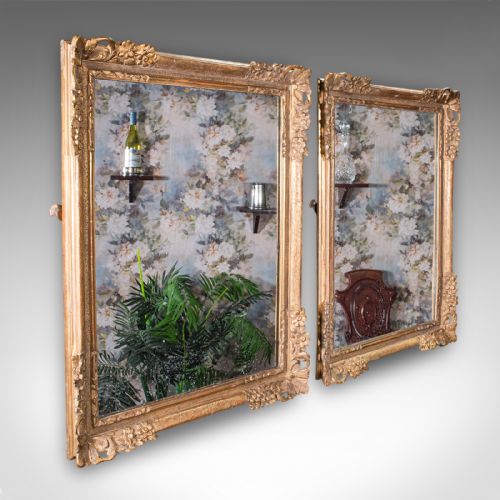
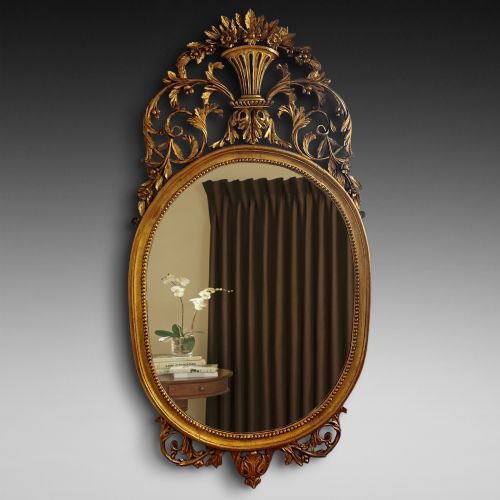
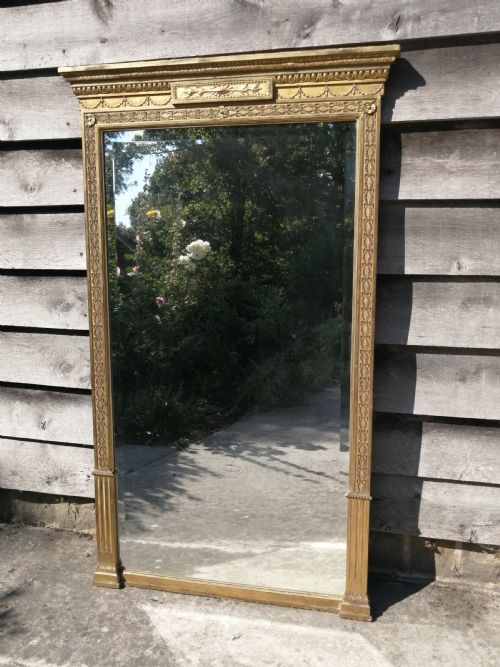
A georgian carved wall mirror encompasses a range of traditional domestic forms designed to amplify light in principal rooms. The selection includes tall pier mirrors, rectangular overmantels, and oval wall-hanging plates.
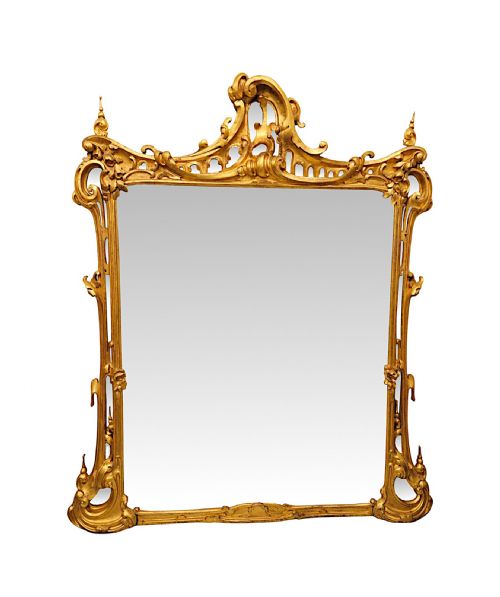
The materials span from rich mahogany and walnut frames to heavily gilded gesso over carved wood. Examples stretch from the eighteenth century into later revival periods, maintaining classic design vocabularies.
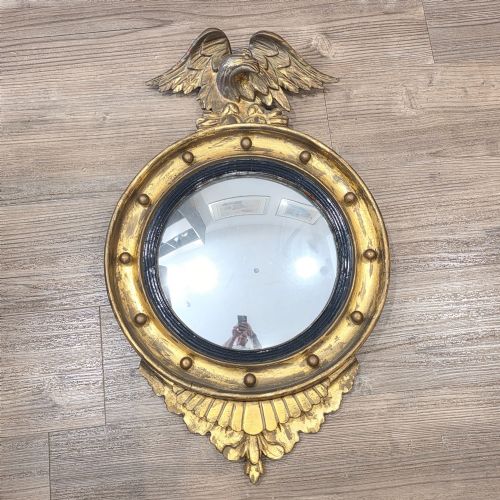
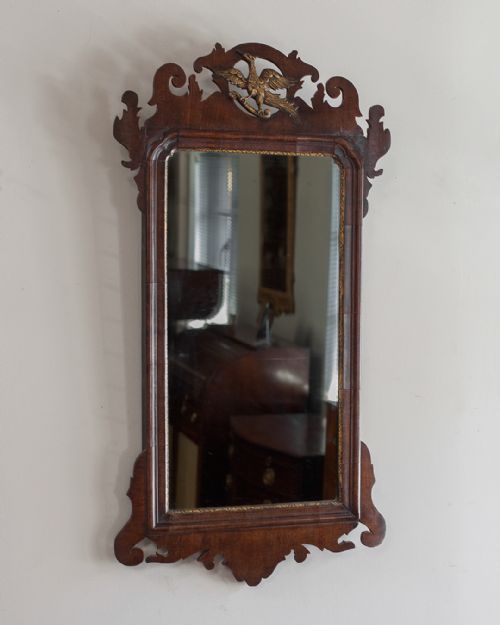
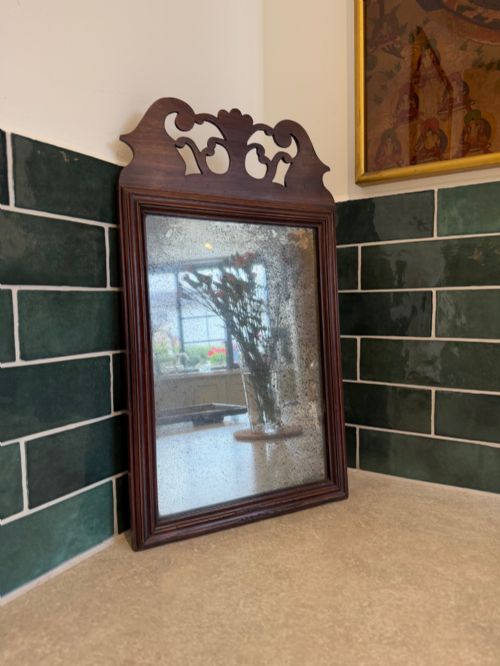
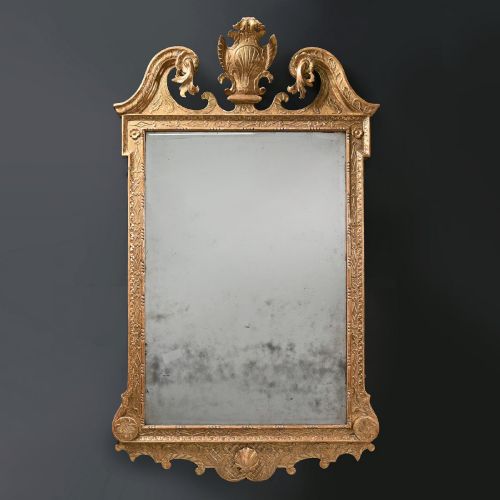
Buyers encounter distinct regional and stylistic variations, including Chinese Chippendale fretwork, George II gesso work, and later Regency convex plates. Each iteration reflects the aesthetic priorities of its original era.
Materials and Construction
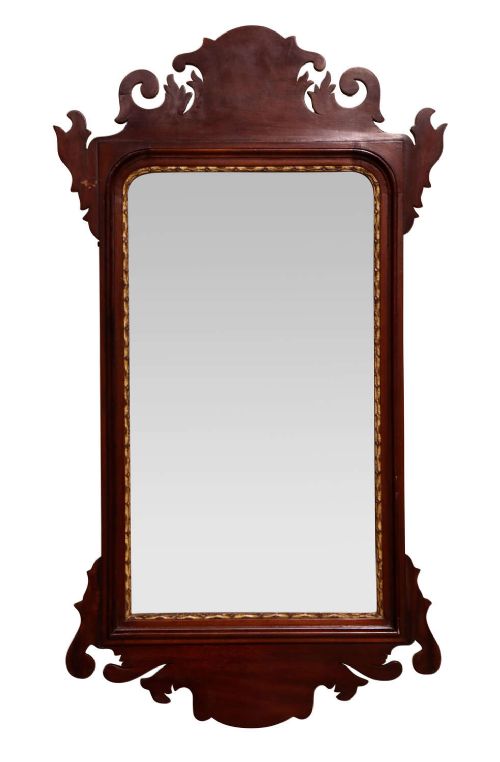
Makers constructed the timber frames using cabinet woods such as mahogany, walnut, and pine, often finished with parcel gilding. Fretwork panels were hand-sawn and shaped before secondary decoration was applied.
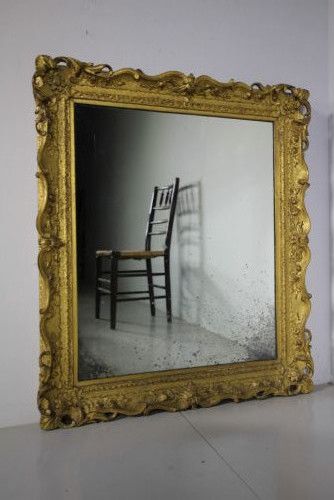
Giltwood elements relied upon layers of gesso applied to a carved wood base, smoothed and covered with gold leaf. This technique created the reflective, ornate surfaces characteristic of the period.
The inventory records multiple mirror forms, spanning overmantels, convex plates, and tall pier glasses.
Evaluating the Craftsmanship
Quality rests in the crispness of the hand-carved ornament, from floral motifs to heraldic birds, where deeper relief indicates superior labour. The handling of the gesso layer determines how cleanly the gilded details hold their edge over time.
The retention of original mirror glass, whether flat plates or foxed mercury mirrors, heavily influences the integrity of the piece. Frame construction, joint stability, and the preservation of original gold leaf further separate standard examples from finer works.
Gillows Of Lancaster
The Georgian Carved Wall Mirror Glossary
- Gesso
- A plaster-like mixture applied to wood frames to provide a smooth base for gilding. It is built up in layers before being carved or stamped.
- Parcel Gilt
- A finishing technique where parts of a wooden frame are selectively gilded while other areas reveal the natural grain of walnut or mahogany. This creates a balanced contrast between dark wood and bright gold.
- Convex Mirror
- A circular glass plate curved outward to provide a wide-angle reflection of the interior. These pieces are frequently surmounted by carved eagles or topped with ball-stud bezels.
- Pier Glass
- A tall mirror designed specifically for placement on the wall space between windows. They often sat above matching console tables or pier tables.
- Fretwork
- Openwork ornamentation cut from thin boards using a fretsaw. This technique is prominent in mahogany frames influenced by Chippendale designs.
Georgian Carved Wall Mirror: Frequently Asked Questions
Where should I hang a convex mirror?
Convex mirrors project a wide-angle view of an entire room, making them effective opposite a window or in a hallway to capture natural light.
Because of their curved glass, they function best at eye level where their distortion creates a decorative focal point rather than a functional reflection.
How do I identify a George III mirror?
George III pieces frequently display carved mahogany fretwork, Ho Ho birds, or symmetrical giltwood frames influenced by neoclassical and rococo styles. The timber selection typically relies on dense, well-figured mahogany or walnut.
Construction details on the reverse, such as hand-cut pine backing boards and early fixings, help confirm the eighteenth-century origin of the frame.
What is foxed glass?
Foxed glass refers to the natural ageing of the reflective silver or mercury backing, resulting in dark spots and a mottled appearance. This patina develops over generations of exposure to air and moisture behind the plate.
Many collectors value original foxed glass because it proves the antiquity of the mirror plate within the historic frame.
Are overmantel mirrors heavy?
Overmantel mirrors are often large and incorporate substantial timber frames, gesso, and thick glass plates, resulting in considerable weight. They were originally engineered to sit securely on mantelpieces or be anchored directly into masonry walls.
Wall mounting requires professional fixings suited to the specific weight and construction of the individual frame.