

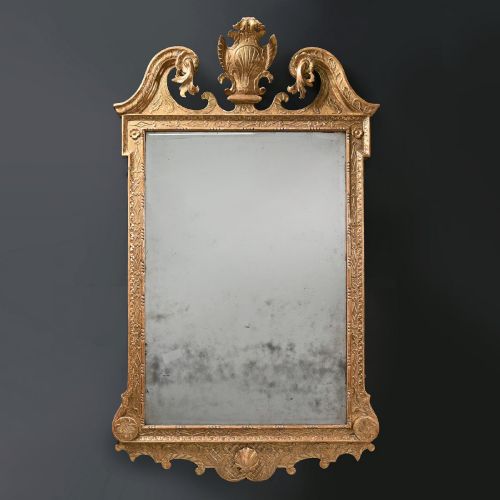


Georgian Period Looking Glass
A georgian period looking glass brings the incomparable depth of historic mercury plate and giltwood into a modern room.
Georgian Period Looking Glass
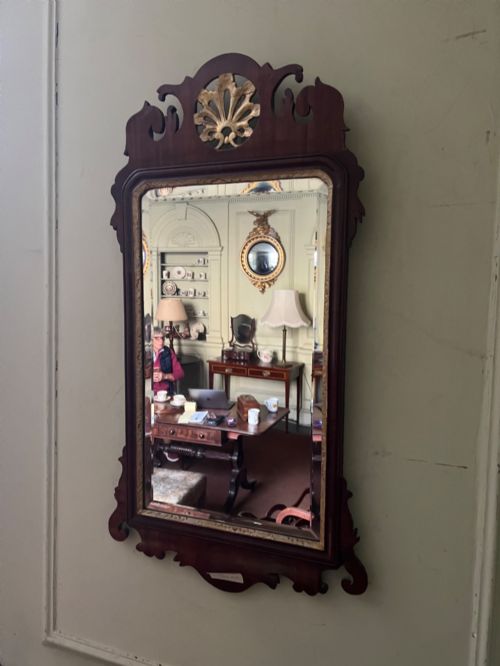
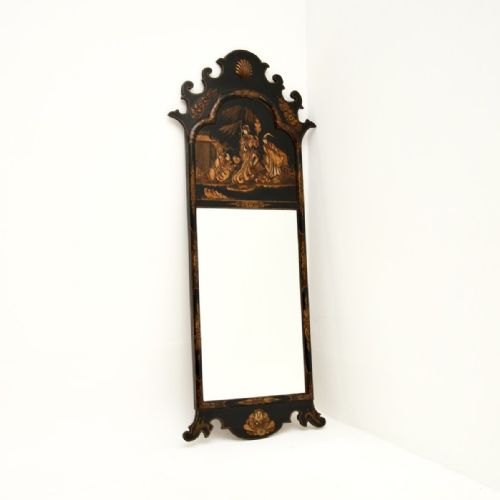
A georgian period looking glass spans the substantial wall mirrors and smaller fretwork plates that defined eighteenth-century interiors. These pieces survive in various timber frames and gilded surfaces, reflecting the shifting tastes of the Georgian and Regency eras.
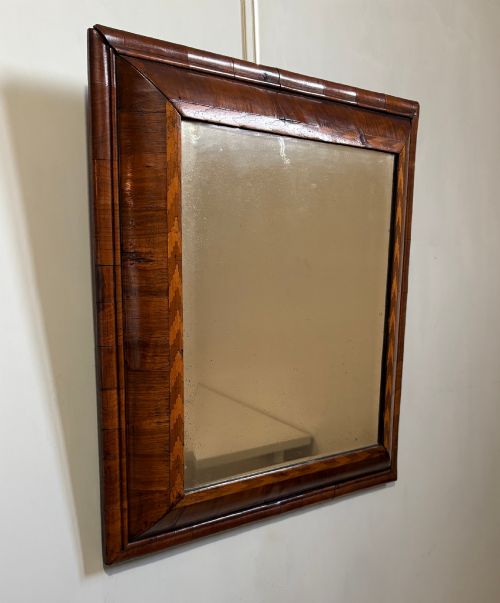
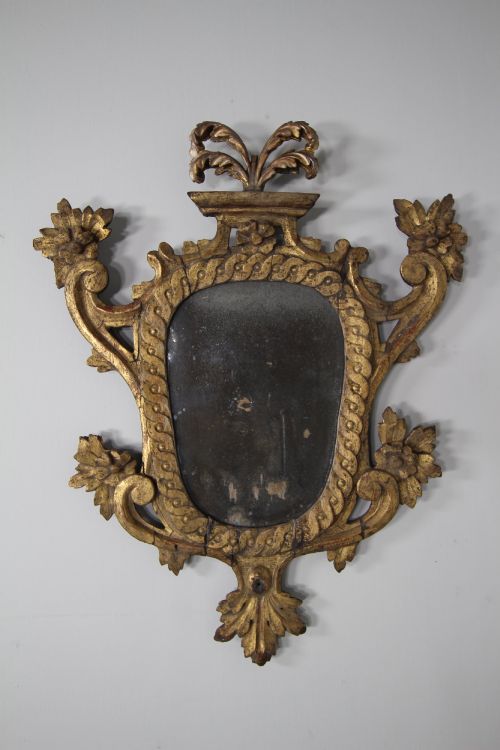
The version most commonly met on this page is the giltwood or parcel-gilt mirror, often displaying the carved foliate motifs and asymmetrical flourishes of the Rococo taste. Alongside these, walnut and mahogany frames represent the more understated architectural designs of the earlier eighteenth century.
Makers fashioned these plates for principal reception rooms and intimate chambers alike, resulting in a wide variation of scale. Wall mirrors range from monumental George II proportions down to delicate fretwork slips suitable for smaller spaces.
How they were made
Artisans constructed the primary frames of these looking glasses from close-grained timbers such as walnut, mahogany, and sycamore, often applying gesso and gold leaf to carved softwood embellishments. Parcel-gilt examples combine polished wood veneers with highlighted areas of applied gilding to catch the candlelight.
The reflective plates themselves are set into rebated frames, sometimes retaining their original bevels and the characteristic grey oxidisation of older mirror glass. Joinery methods relied on pinned mortise and tenon corners, while fretwork designs were skillfully sawn from thin timber laminates.
Georgian Period Looking Glass Retail Price Guide 2026
Typical asking prices for georgian period looking glass among the pieces listed under this phrase on Sellingantiques today, from the lower quarter to the upper quarter. They describe what is for sale here now, not the wider market.
What varies in quality
The distinction between ordinary and exceptional examples lies chiefly in the crispness of the carving and the integrity of the surface. Master carvers produced undercut foliage and fluid scrollwork that feel entirely organic, whereas lesser workshop output appears stiff and mechanical.
Preservation of original materials heavily influences the standing of a piece. Retaining the original mirror plate, untouched giltwood surfaces, and early backboards places a looking glass at the upper end of the scale.
The Georgian Period Looking Glass Glossary
- Giltwood
- Wood that has been coated with thin sheets of gold leaf over a prepared gesso ground. This finish provides a warm, reflective surface characteristic of formal Georgian wall mirrors.
- Gesso
- A plaster-like mixture applied to timber frames to create a smooth surface for carving and gilding. Artisans built up layers of gesso before incising fine decorative details.
- Fretwork
- Thin panels of wood pierced with decorative patterns using a fretsaw. This technique produced the lightweight, intricate silhouettes seen on mid-eighteenth-century hanging mirrors.
- Parcel Gilt
- A decorative treatment where only selected portions of a wooden frame are gilded, leaving the underlying timber grain visible. Walnut and mahogany mirrors frequently utilise this dual finish.
- Mirror Glass
- The reflective plate housed within the frame, historically produced by silvering with a tin-mercury amalgam before the twentieth-century chemical process was adopted.
Georgian Period Looking Glass: Frequently Asked Questions
Are these mirrors heavy to hang?
Many eighteenth-century frames carry considerable weight due to their dense timber construction and layered gesso ornament. Secure wall fixings into masonry or structural studs are essential.
Professional mirror hangers often utilise custom brackets to distribute the load safely across the wall.
Can I clean the old glass?
Historic glass plates require gentle treatment to avoid damaging the vulnerable silvering on the reverse. Use a soft, dry cloth rather than harsh liquid sprays.
Moisture can seep behind the plate and accelerate the deterioration of the original backing.
How do I spot a replacement plate?
Original glass frequently exhibits subtle distortions, tiny dark spots, and a softer reflection compared to modern float glass. Replacement plates often appear noticeably flatter and clearer.
Examining the fixings at the back can also reveal whether the mirror has been reglazed.
Where should I place a wall mirror?
Placing a looking glass opposite a window will maximise the natural light in a room. These pieces were traditionally hung above mantelpieces or between windows.
Consider the surrounding room height to ensure the scale of the frame complements the wall space.