






Rectangular Mahogany Mirror
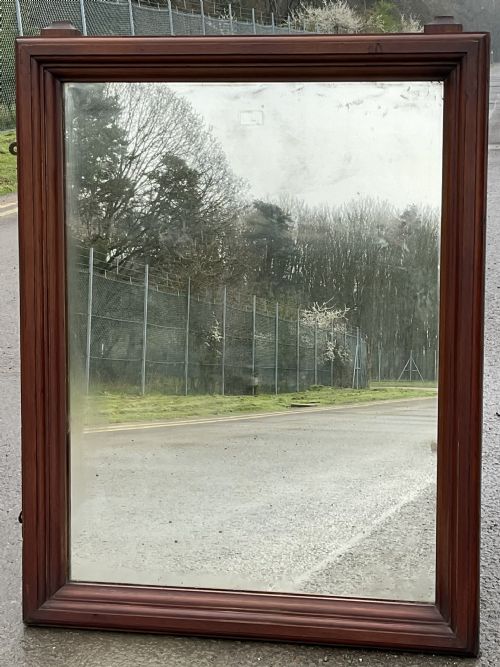
A rectangular mahogany mirror brings warmth and depth to a hallway or drawing room, combining rich timber with clean architectural lines.
Rectangular Mahogany Mirror
A rectangular mahogany mirror is a domestic looking glass framed in timber, found in forms ranging from compact table swing mirrors to tall cheval stands and large wall hangings. These pieces appear across multiple eras, with Victorian wall and dressing versions frequently meeting the eye alongside Regency and Edwardian examples.
Wall mirrors dominate the selection, designed to hang in hallways, above mantelpieces, or in dressing rooms to bounce light around a room. Floor-standing cheval mirrors and smaller adjustable dressing table pieces offer practical pivoting frames for full-length or vanity use.
What Varies in Quality
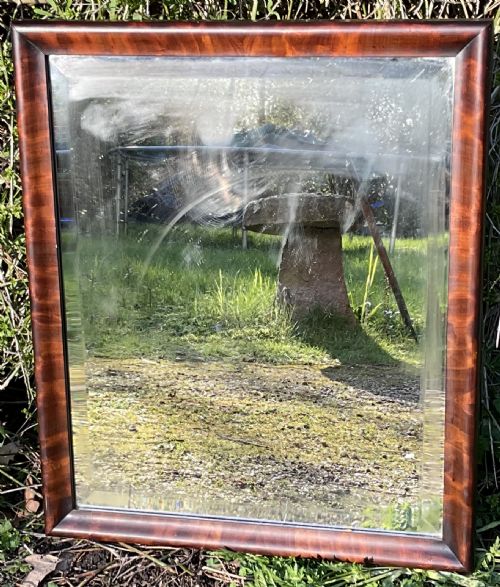
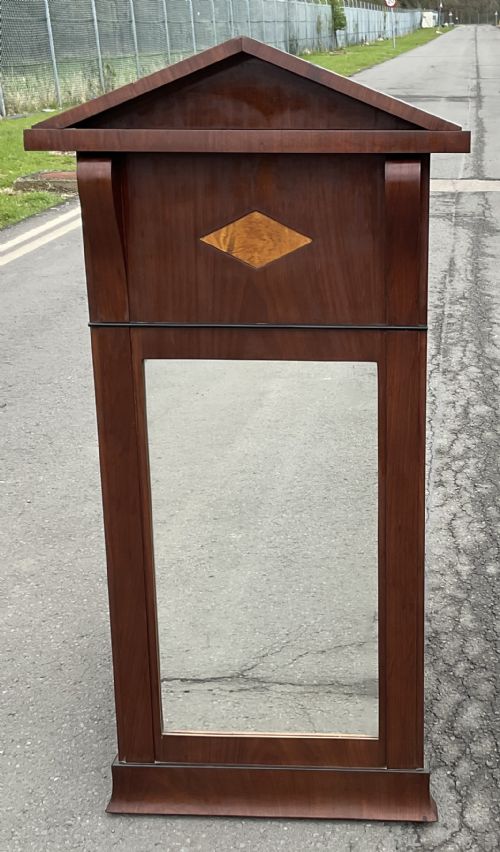
The selection of the wood sets the tone of the piece, with standard mahogany giving way in finer examples to highly figured flame mahogany veneers that catch the light. The depth and crispness of carved details or the precision of contrasting satinwood inlays mark out the more ambitious workshops.
Structural integrity in the frame joints and the quality of the original mirror glass, whether flat or bevel edged, dictate how well the piece has survived decades of daily use.
Materials recorded across the archive include solid mahogany, flame mahogany, satinwood inlay, brass fittings, and gilt metal accents.
The Rectangular Mahogany Mirror Glossary
- Flame mahogany
- A veneer cut from the fork of the mahogany tree to produce a distinctive flame-like pattern across the wood. This decorative grain was favoured for formal furniture and prominent mirror frames.
- Cheval mirror
- A full-length floor-standing mirror mounted in a frame that allows it to swing or pivot on vertical supports. These tall mirrors appeared in bedrooms and dressing rooms.
- Overmantle mirror
- A wide mirror designed specifically to hang on the wall directly above a fireplace mantel. They often feature elongated rectangular proportions to suit the hearth below.
- Satinwood
- A pale, hard wood native to Sri Lanka and India, utilised for contrasting stringing and geometric inlays on dark mahogany backgrounds.
- Pier mirror
- A tall, narrow mirror designed to hang on the wall space between windows, known as the pier. These pieces made maximum use of available natural light.
Rectangular Mahogany Mirror: Frequently Asked Questions
Where should I hang a wall mirror?
A rectangular mahogany mirror suits narrow entrance halls, above a sideboard in a dining room, or as a focal point in a drawing room.
Hanging it opposite a window will maximise the reflection of natural daylight into the interior space.
How do I date a mahogany frame?
Dating relies on observing the timber grain, secondary woods, fixing methods, and the style of any inlay work.
Simpler mouldings often point to Victorian utility, while fine flame veneers and satinwood stringing frequently indicate Georgian or Regency origins.
What is a cheval mirror used for?
A cheval mirror is a floor-standing dressing glass that tilts on vertical pivots to provide a full-length reflection.
These pieces were traditionally kept in bedrooms or dressing quarters to assist with outfit checks.
Can these mirrors go in bathrooms?
Antique mahogany mirrors feature historic finishes and glues that react poorly to sustained bathroom humidity and steam.
They are best placed in dry living areas, hallways, and bedrooms to preserve the timber and silvered glass.