


Brass Mounted Mirror
When you handle a brass mounted mirror, you quickly notice how metal and glass frame a room with quiet authority.
Brass Mounted Mirror
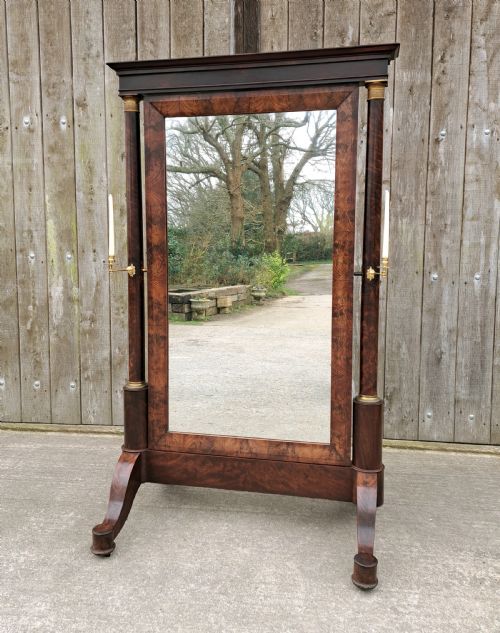
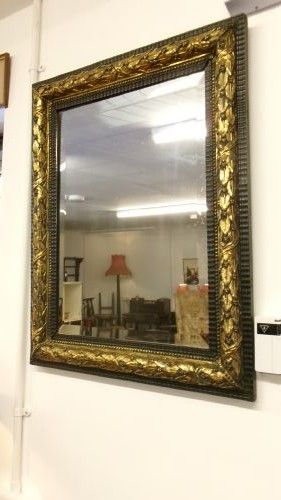
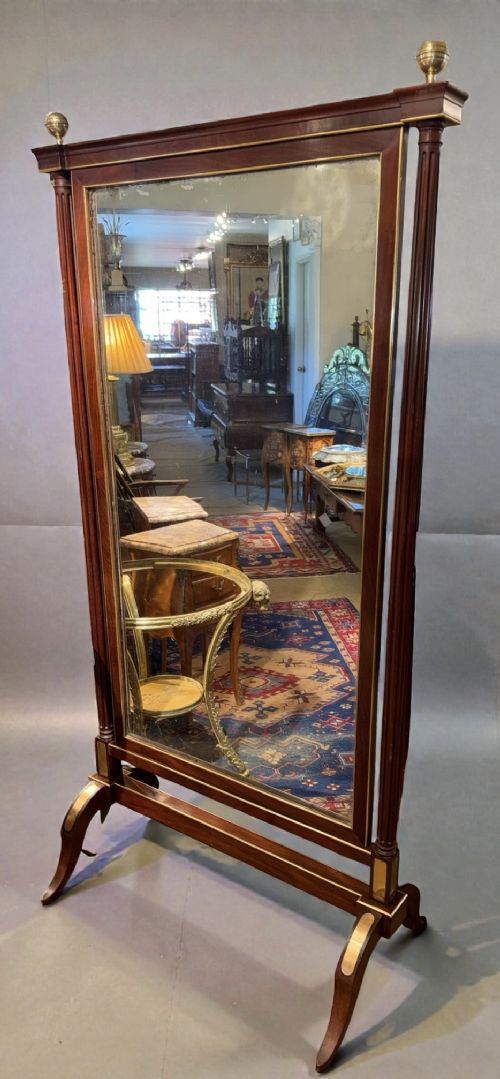
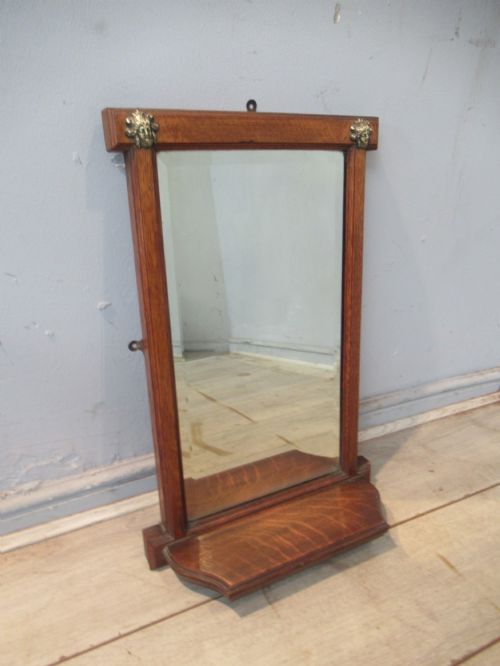
A brass mounted mirror brings together reflective glass, wooden frames and metal fittings across forms ranging from wall hanging plates to large cheval mirrors. You find pieces spanning the eighteenth, nineteenth and early twentieth centuries, drawing on Victorian, Regency, Edwardian, Arts and Crafts and French Empire styles.
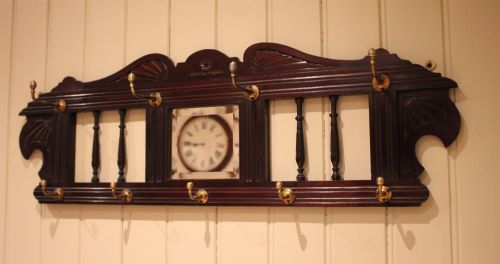
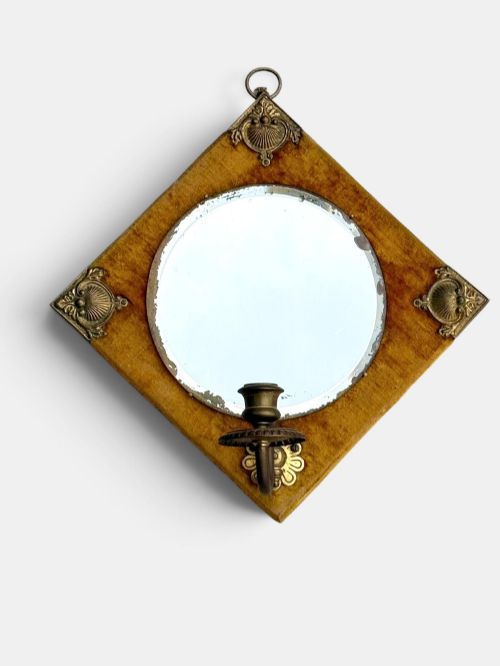
The version you meet most frequently on this page is the nineteenth century wall mirror or cushion frame piece, alongside cheval mirrors and occasional hall furniture fitted with glass and brass. These objects served practical and decorative roles in period hallways, bedrooms and reception rooms.
How they were made
Carpenters and cabinet makers utilised solid and veneered timbers including mahogany, oak, rosewood and walnut, forming structural frames and backing boards. These woods were often polished to highlight natural grain patterns before metal components were applied.
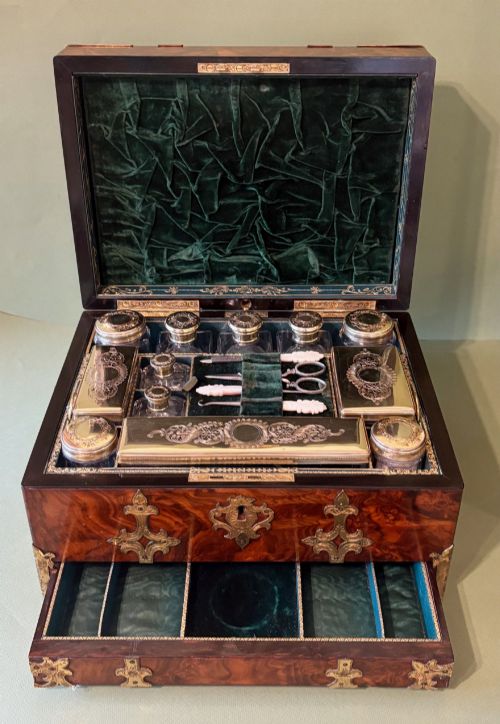
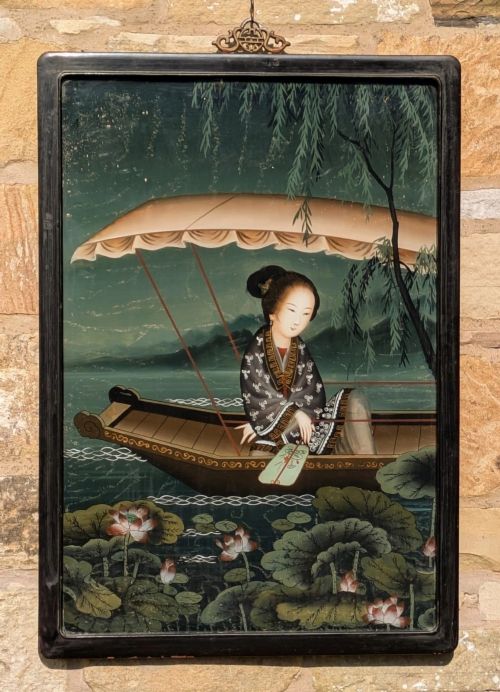
Cast or sheet brass mounts, corners, frames and hanging fixtures were secured to the wood using traditional fixings, framing original mirror plates. Some examples incorporate reverse painting on glass or carved details alongside the metalwork.
The archive includes cushion frame mirrors alongside freestanding cheval mirrors and multifunctional hall furniture.
What varies in quality
Quality rests in the harmony of the timber selection, the crispness of the brass casting and whether the mirror plate remains original to the frame. Heavier, finely figured mahogany or rosewood frames show superior cabinet making compared to simpler utility pieces.
The integrity of the metal mounts and the depth of the wood polishing dictate the overall presence of the object. Pieces that retain their original brass mounts and untouched glass plates hold greater integrity.
Gillows·Rowley Gallery
The Brass Mounted Mirror Glossary
- Cheval mirror
- A freestanding full length mirror mounted on a pivoting frame that allows the glass to tilt. This form typically stands on four legs or a supportive base.
- Cushion mirror
- A frame styled with a rounded, padded profile resembling a cushion, often wrapped in velvet, ebonised wood or mahogany. These frames frequently carry brass corners or strapwork.
- Portmanteau
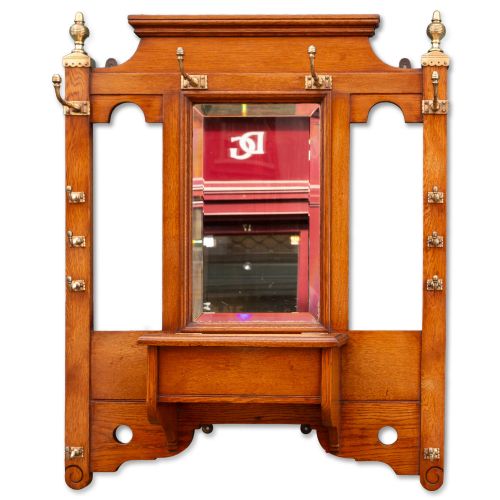
- A piece of hall furniture combining a mirror, coat hooks and umbrella stands, often incorporating brass mounts. These served visitors in period entrance halls.
- Plate
- The actual sheet of glass used for reflection in a mirror. Original plates often display minor age foxing or distortion.
- Mount
- A decorative or structural piece of metal fixed to the exterior of furniture or a frame. Brass mounts provide both reinforcement and visual contrast against wood.
Brass Mounted Mirror: Frequently Asked Questions
How do I date a brass mounted mirror?
Dating relies on examining the construction methods of the wooden frame, the fixing style of the brass mounts, and the characteristics of the glass plate itself. Earlier pieces from the eighteenth and early nineteenth centuries often show hand-beveled glass and hand-cut screws.
Later Victorian and Edwardian examples display machine manufacturing traits, standardised brass fixings, and distinct stylistic revivals such as Arts and Crafts or French Empire.
Are the mirror plates original?
Many surviving pieces retain their original glass plates, which frequently exhibit minor foxing, silvering loss, or tiny surface imperfections gained over the centuries. These signs of age help confirm that the glass has not been replaced.
When a plate is brilliantly clear without any blemishes, it often indicates a modern replacement rather than period glass.
How do I care for the brass and wood?
Maintenance involves dusting the wooden frame with a dry cloth and occasionally applying a suitable wax to nourish polished mahogany, oak or rosewood surfaces. Avoid getting polishes or moisture onto the mirror glass or directly into the wooden joints.
Brass mounts should be left with their natural aged patina rather than polished to a bright shine, which can damage adjacent wood finishes.