


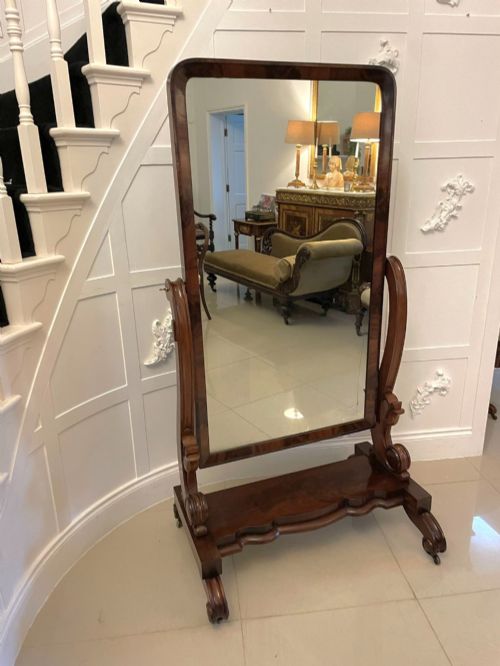
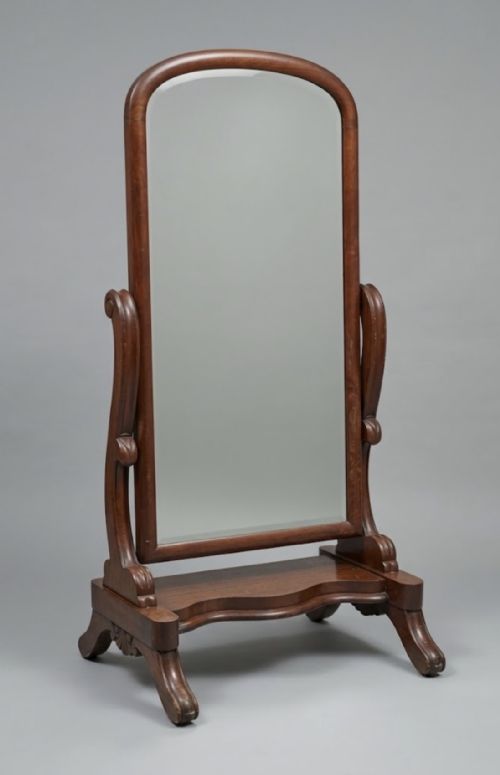
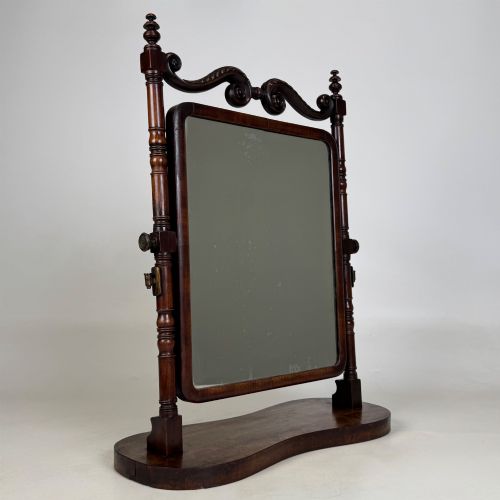
19th Century Dressing Glass
These pieces are a 19th century dressing glass, offering functional elegance and period craftsmanship that collectors seek for authentic interior styling.
19th Century Dressing Glass
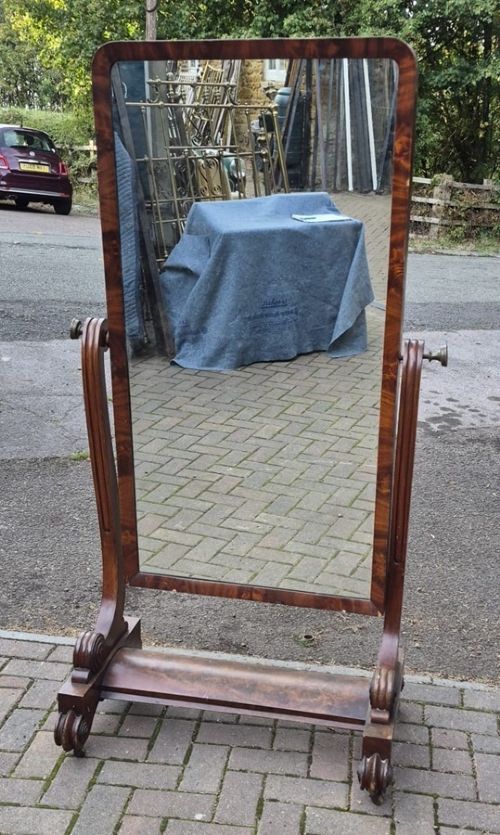
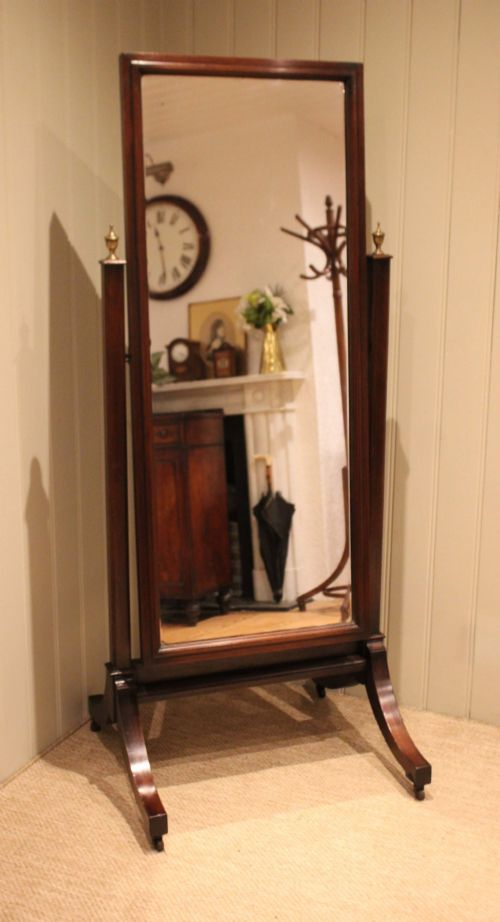
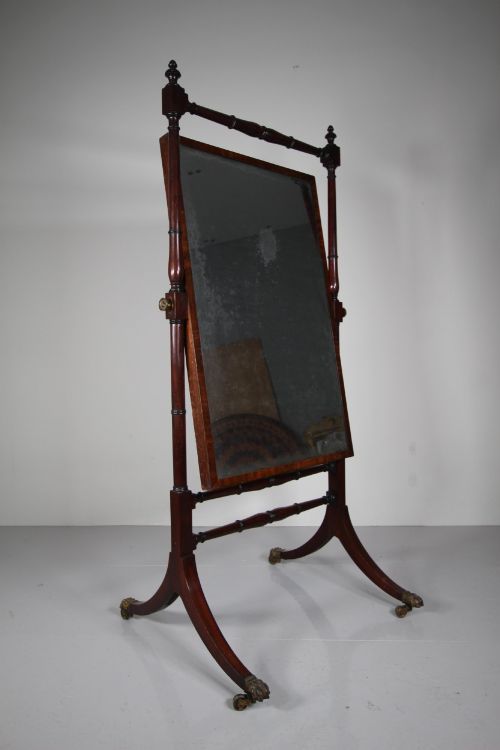
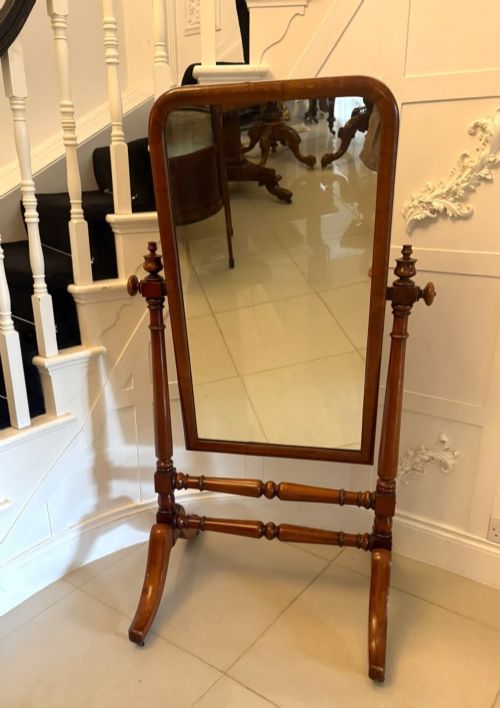
A 19th century dressing glass encompasses freestanding cheval mirrors, table mirrors, and swing mirrors designed for personal grooming and dressing rooms. Buyers searching this phrase most frequently encounter mahogany examples dating from the Georgian, Regency, and Victorian periods.
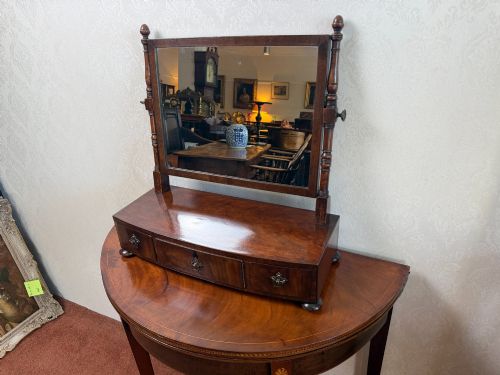
The selection ranges from compact table top toilet mirrors with drawer bases to large floor standing cheval mirrors supported on barley twist or frame pivots. These items reflect the domestic routines and cabinet making standards of the 19th century.
Materials and construction methods
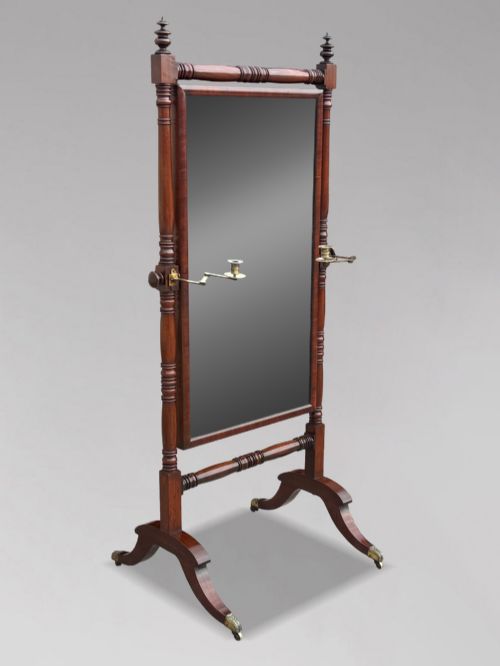
Cabinet makers utilised dense timber stocks such as mahogany, rosewood, walnut, and satin birch, frequently shaping the wood into swing frames or box bases. Brass fittings, including swan neck handles, pivot screws, and candle brackets, secured the moving parts and added functional detail.
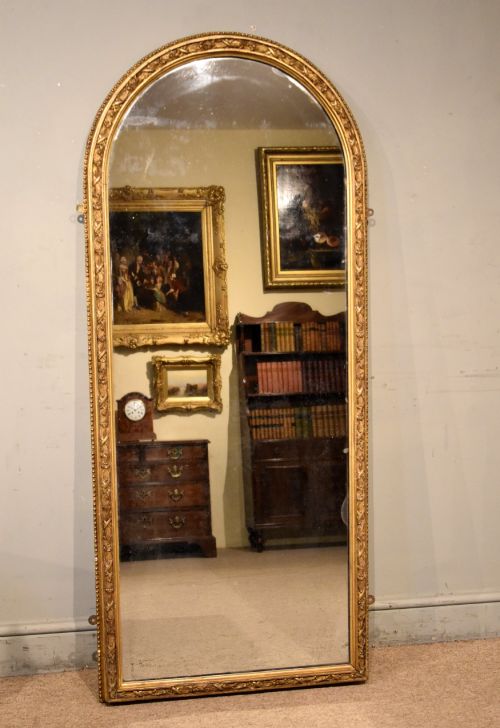
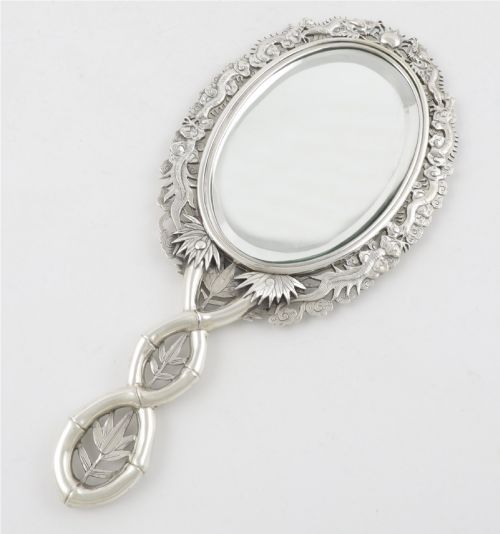
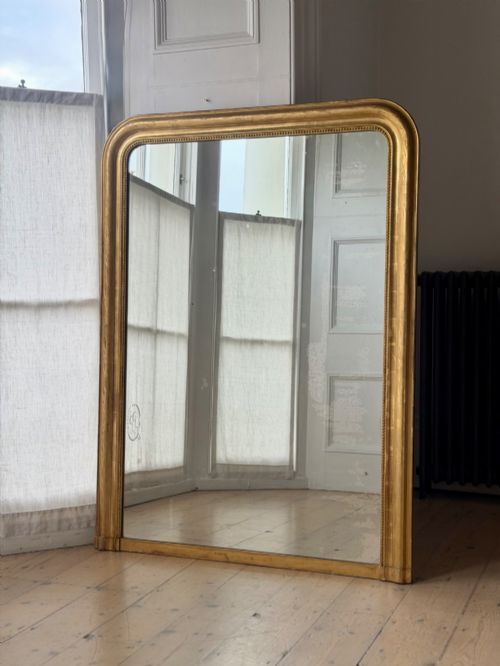
Giltwood and gesso frames appeared on decorative wall and dressing mirrors, particularly within French and Italian revival styles. Original mirror glass was cast or blown, occasionally featuring bevelled edges within the plate.
19th Century Dressing Glass Retail Price Guide 2026
Typical asking prices for 19th century dressing glass among the pieces listed under this phrase on Sellingantiques today, from the lower quarter to the upper quarter. They describe what is for sale here now, not the wider market.
An antique French novelty pheasant silver walking stick cane hides its practical nature among the dressing accessories.
Distinctions in grade and execution
Quality rests in the selection of figured timber veneers, the crispness of carved gesso or wood details, and the stability of the frame joints. Superior pieces exhibit well proportioned swing mechanisms, original brass hardware, and clear mirror plates without excessive silvering degradation.
Tonnel Paris
The 19th Century Dressing Glass Glossary
- Cheval mirror
- A large freestanding floor mirror suspended on a frame with vertical pivots allowing it to tilt. These tall glasses were essential for full length attire checks in 19th century bedrooms.
- Swing mirror
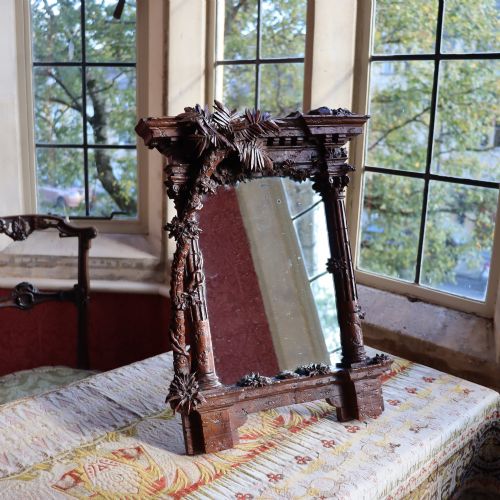
- A dressing glass mounted on upright pivots or arms attached to a base or table support. This allows the user to tilt the angle of the glass for personal reflection.
- Toilet mirror
- A smaller tabletop dressing glass fitted to a box base containing small drawers. These sat upon chests of drawers or dressing tables for close grooming.
- Gesso
- A plaster based material applied to wooden frames before gilding. Artisans carved intricate decorative motifs into the gesso layer to achieve ornate French and Victorian styles.
19th Century Dressing Glass: Frequently Asked Questions
What is a dressing glass?
A dressing glass is a moveable mirror designed for personal grooming, appearing in various tabletop and floor standing forms throughout the 19th century.
These pieces typically feature a wooden frame supported by pivots, allowing the user to adjust the tilt of the mirror plate.
Where were they placed?
These mirrors sat upon dressing tables, chest of drawers, or directly on the floor in the case of larger cheval designs.
They formed a central part of bedroom and dressing room furnishings during the Georgian, Regency, and Victorian eras.
How do I identify periods?
Periods are identified through timber choices, joinery techniques, and stylistic ornament such as Regency brass mounts or Victorian walnut work.
Early pieces often display Georgian mahogany proportions, while later examples incorporate bolder Victorian turns and barley twist supports.
Are the mirrors original?
Many surviving examples retain their original mirror glass, though some plates show natural foxing and age spots from oxidation.
Original bevelled glass and historic mirror plates add considerable authenticity to a 19th century dressing glass.