




Silver Venetian Mirror
A silver venetian mirror brings dramatic light and intricate glasswork into a room, offering the unmistakable romance of historic Italian craftsmanship.
Silver Venetian Mirror
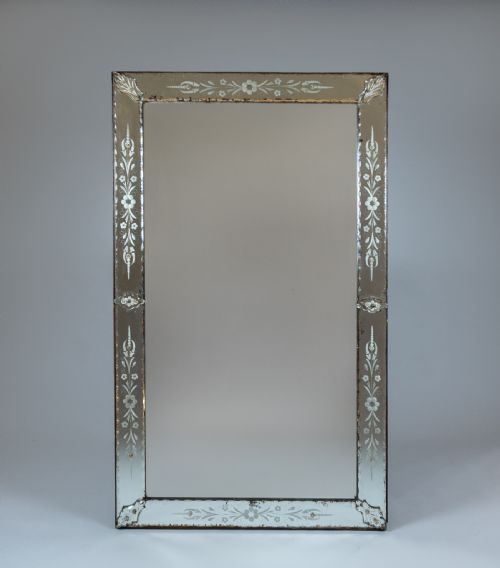
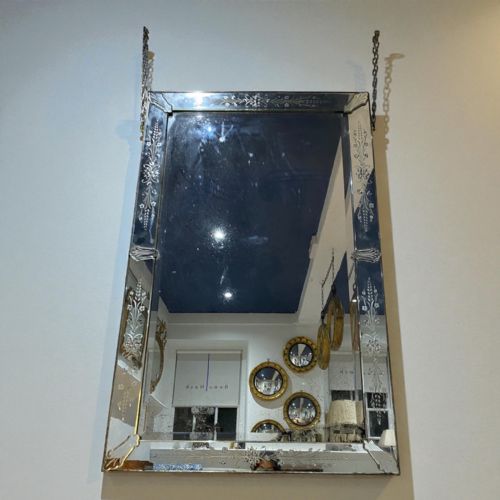
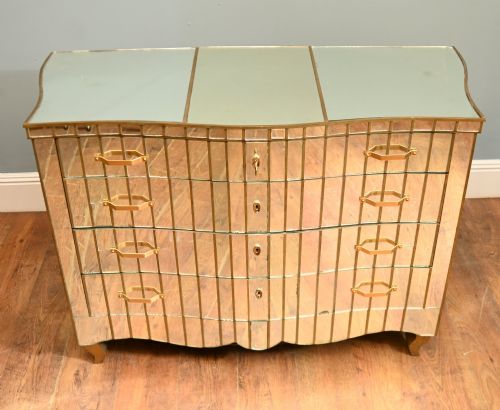
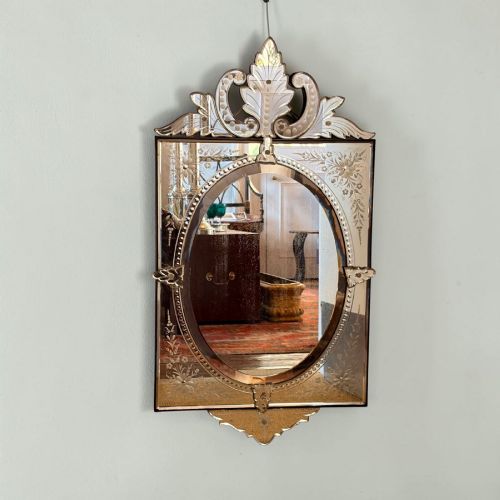
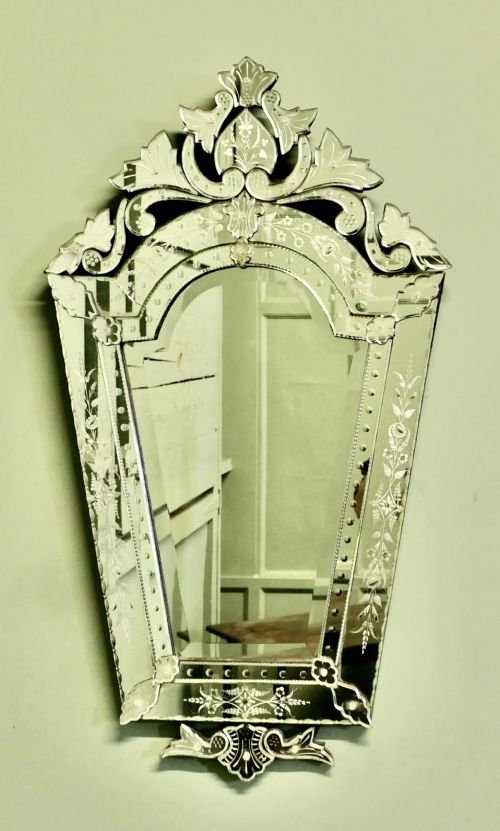
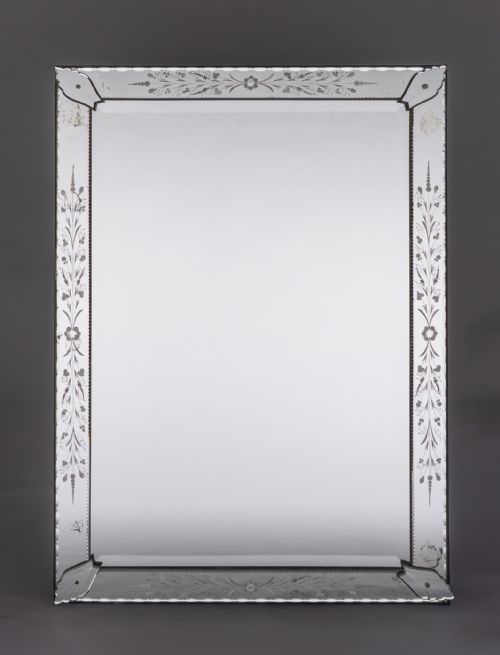
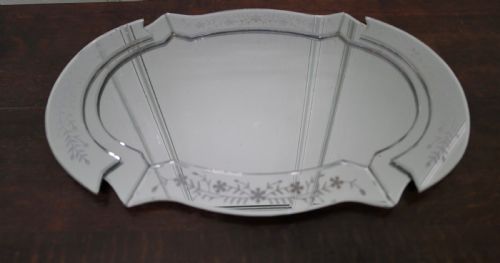
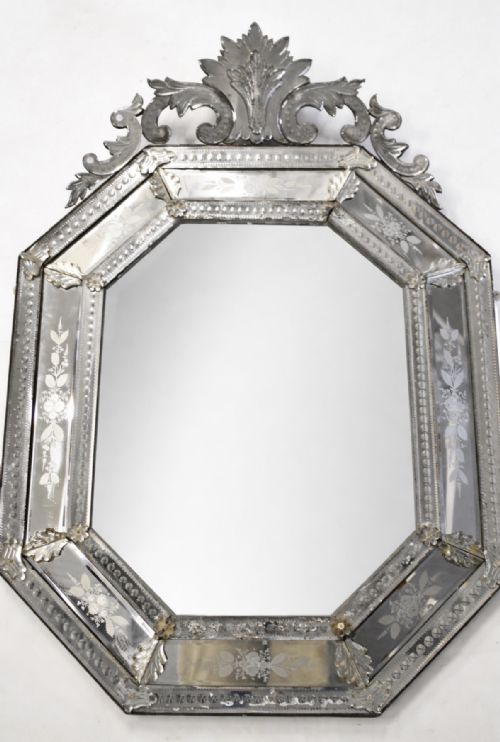
When you search for a silver venetian mirror, you are looking at wall mirrors, trays, and overmantle mirrors defined by elaborate glass construction. The pieces you are most likely to meet on this page span from the nineteenth century through the Edwardian period and the Art Deco era.
These items originate primarily from Italian workshops adhering to traditional Venetian styles, alongside later interpretations including Venetian Rococo forms. Surviving examples range from substantial cushion mirrors designed for principal rooms to smaller decorative trays.
How they were made
Makers constructed these objects using combinations of wood and metal frameworks to support delicate mirrored glass, silvered glass, and mirror glass plates. Structural integrity relies on timber or metal backings that hold the complex array of glass sections securely in place.
Surface ornamentation is achieved through detailed etching and cutting directly onto the glass, frequently paired with bevelled plates and silver-leaf application. The interaction between the silvered surfaces and engraved decoration creates the characteristic reflective depth.
Silver Venetian Mirror Retail Price Guide 2026
Typical asking prices for silver venetian mirror among the pieces listed under this phrase on Sellingantiques today, from the lower quarter to the upper quarter. They describe what is for sale here now, not the wider market.
Periods represented on this page stretch from the eighteenth century through the Art Deco era of the nineteen-thirties and nineteen-fifties.
What varies in quality
The distinction between ordinary and exceptional examples rests upon the depth and clarity of the glass engraving. Superior pieces display crisp, hand-etched motifs that show precise control and artistic confidence across the entire surface.
Construction methods also dictate quality, particularly the complexity of the cushion moulding and the preservation of the original silvering. Pieces that retain their historic glass plates and secure framing demonstrate higher integrity than those with extensive modern replacements.
The Silver Venetian Mirror Glossary
- Cushion mirror
- A mirror style featuring a convex, outward-sloping frame built from individual glass panels. This design maximises angled reflections across the room.
- Bevelling
- The practice of cutting an angled edge around the perimeter of a mirror plate. It catches light and frames the reflective surface with a subtle prism effect.
- Silvering
- The reflective coating applied to the rear surface of glass. In older pieces, this layer often develops natural foxing and oxidation over time.
- Overmantle mirror
- A large horizontal mirror designed specifically to hang above a fireplace mantel. These pieces frequently dominate a wall and anchor the room's proportions.
Silver Venetian Mirror: Frequently Asked Questions
How do I hang a heavy antique wall mirror?
These mirrors require secure attachment to solid wall studs using heavy-duty brackets capable of supporting the combined weight of glass and wooden framing. Professional installation is strongly recommended for larger nineteenth-century examples to ensure safety.
Position the mirror at a height that reflects natural light from windows rather than blank ceilings to maximise the visual impact in the room.
What is foxing on antique glass?
Foxing refers to the small dark spots and mottled patches that appear within the silvered backing of older mirrors as the metal ages and reacts to humidity. This natural process is common in pieces dating from the nineteenth century and earlier.
Many collectors prize moderate foxing because it confirms the age and authenticity of the original glass plate.
How should I clean a silvered glass frame?
Dust the surface gently with a soft, dry microfibre cloth to remove loose particles without scratching the delicate etched glass sections. Avoid commercial chemical cleaners that might seep behind the panels and damage the historic silver-leaf or backing.
Use a slightly damp cloth only when necessary, and dry the glass immediately to prevent moisture from entering the joints.
Are Art Deco Venetian mirrors different from older ones?
Art Deco pieces from the nineteen-twenties and thirties tend to feature cleaner geometric lines and stylised cutting compared to the elaborate, flowing curves of nineteenth-century Venetian Rococo designs. They reflect the modern aesthetic of their era while retaining traditional glass-making techniques.
Both styles utilise mirrored glass extensively, but the overall silhouette changes from ornate cushion shapes to more streamlined forms.