



Silver Table Mirror
A silver table mirror brings reflective light and decorative presence to a dressing surface, combining functional glass with worked metal or plated frames.
Silver Table Mirror
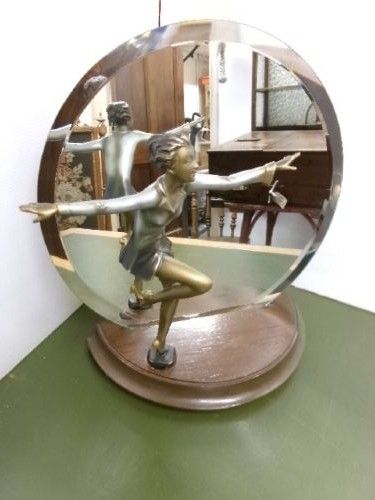
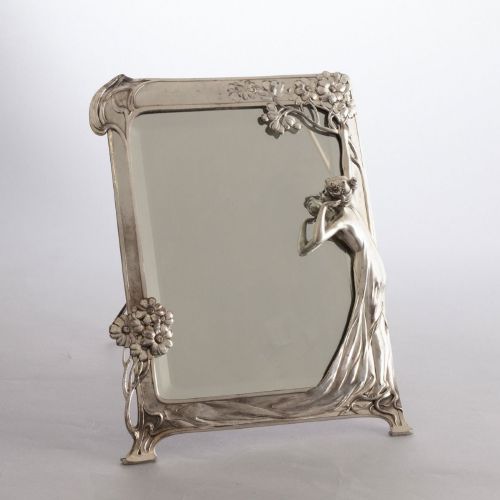
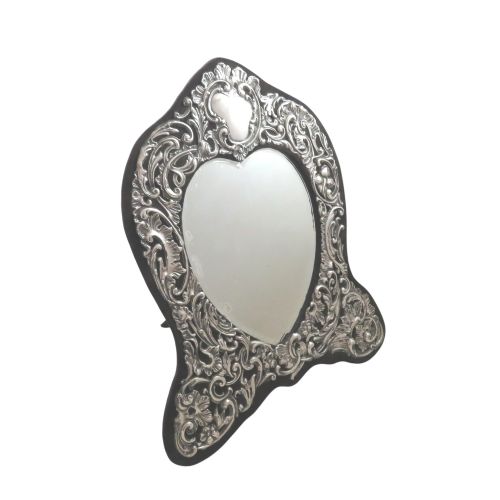
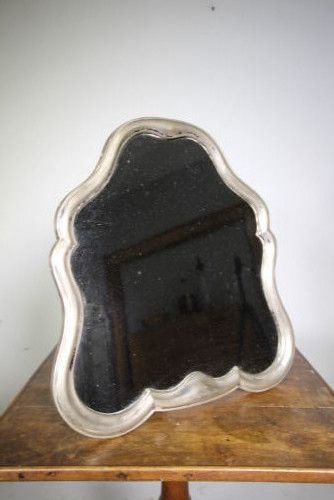
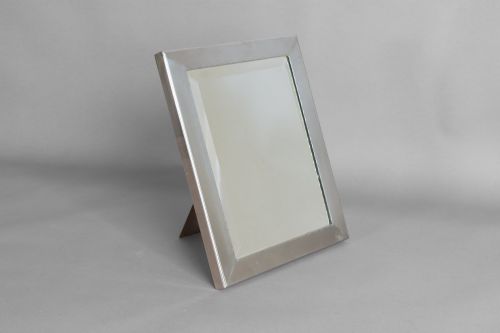
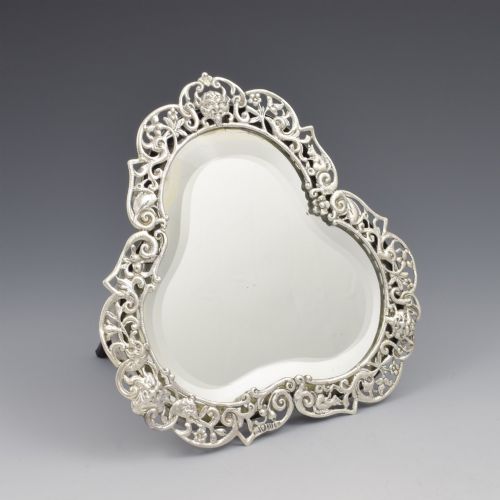
A silver table mirror sits upright on a dressing chest, vanity or sideboard, supported by a hinged easel back or a rigid frame structure. When buyers search for a silver table mirror, they encounter pieces ranging from compact heart-shaped boudoir items to large rectangular dressing table pieces.
The surviving examples span the Victorian, Edwardian and Art Deco eras, alongside nineteenth-century works and mid-century designs. Most frequently, one meets sterling silver or silver-plated frames equipped with original bevelled glass plates and wooden or velvet-backed supports.
How They Were Made
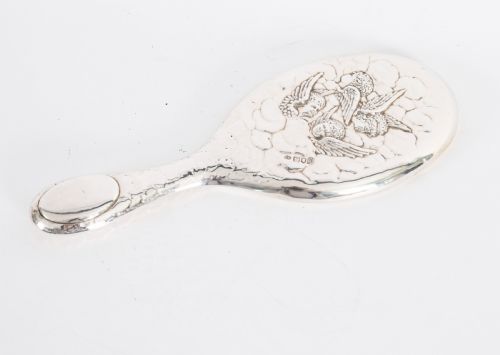
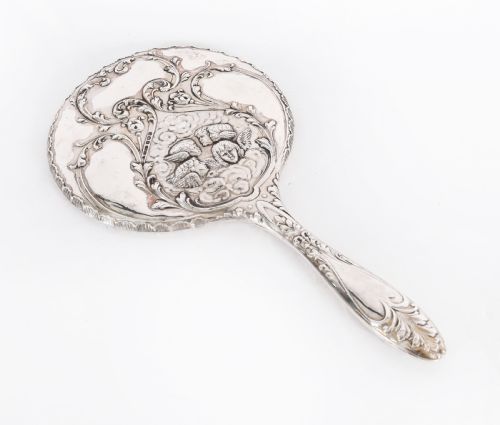
Silversmiths constructed these frames using sterling silver sheet over wooden cores, cast silver mounts, or plated base metals like pewter and copper. Artisans employed embossing, piercing and chasing techniques to ornament the metal with floral motifs, cherubs or geometric patterns.
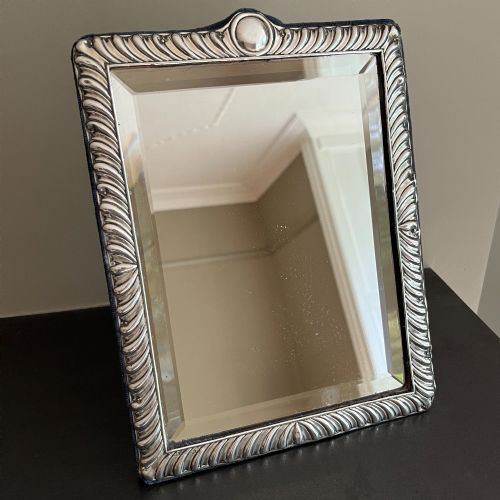
The reflective surfaces consist of heavy glass plates, often bevelled at the edges to catch the light, secured within the metal rebate by wooden pattresses and protective velvet or leathercloth backing boards.
Listings feature sterling silver, silver plate, chrome, pewter and silvered copper, paired with glass, velvet and wood across eight distinct periods.
What Varies in Quality
The distinction between standard production and exceptional quality lies in the weight of the metal and the depth of the hand-chased decoration. Thicker gauge silver and fully articulated, substantial wooden easel backs indicate superior workshop standards.
Makers known for exceptional output, such as William Comyns or Henry Matthews, invested greater labour into crisp piercing and detailed relief work. The integrity of the original glass and the secure fit of the backing boards further separate ordinary items from finer specimens.
William Comyns·Henry Matthews·Charles Boyton·S Blanckensee & Son·Mappin & Webb
The Silver Table Mirror Glossary
- Easel back
- A hinged wooden or metal strut attached to the rear of the mirror frame to allow freestanding placement on a horizontal surface.
- Strut mirror
- An alternative term for an easel mirror, relying on a rear support arm to maintain an upright viewing angle.
- Plateau
- A mirrored table centrepiece used historically for displaying ornaments, silver or decanters, reflecting candle or gas light.
- Guilloche enamel
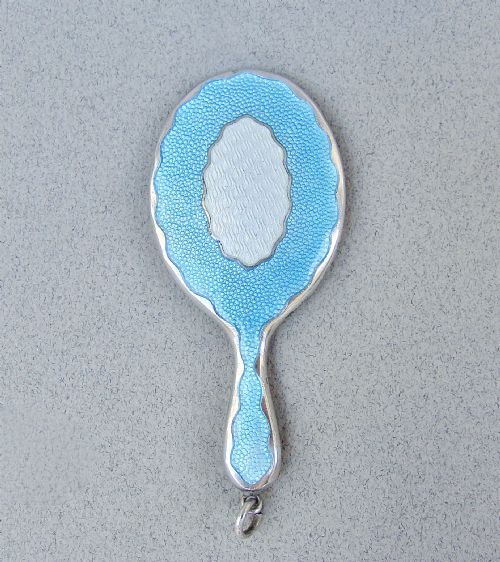
- A decorative technique where translucent enamel is layered over engine-turned metal engraving, common on twentieth-century pieces.
- Silver deposit
- A chemical process used in the nineteenth century to bond sterling silver designs onto glass or porcelain surfaces.
Silver Table Mirror: Frequently Asked Questions
How do I date a silver table mirror?
Dating relies heavily upon the hallmarks stamped into the silver frame, which indicate the assay office, date letter and maker's mark. Stylistic indicators, such as Victorian embossing or Art Deco geometric lines, provide a secondary guide when hallmarks are rubbed or absent.
Unmarked silver-plated examples require assessment through manufacturing techniques, screw types and the style of the wooden backing boards. Comparing these construction details with known dated pieces helps narrow down the period of production.
Were these mirrors meant to be moved?
Most dressing table mirrors were designed to remain stationary within a bedchamber or dressing room, though smaller folding and strut varieties accompanied travellers. Their weight and glass components meant daily transport was uncommon outside specific campaign styles.
Larger specimens stayed anchored to dressing chests, relying on sturdy easel struts to bear the weight of the heavy glass and metal frame. Smaller handheld or purse mirrors were built for personal portability.
How do I care for the silver frame?
Maintenance requires gentle cleaning with a soft cloth to remove dust, avoiding abrasive polishes that wear away thin silver plating or damage embossed details. Care must be taken to keep cleaning substances away from the mirror glass edge and the fabric backing.
When polishing sterling silver frames, masking the glass prevents accidental smearing and chemical contact. Storing the piece away from direct sunlight preserves both the silver lustre and any underlying velvet or enamel work.
What is a plateau mirror?
A plateau is a low-profile mirrored table centrepiece traditionally placed on dining tables or sideboards to reflect decorative objects and candlelight. These pieces often feature heavy silver-plated or metal mounts around the perimeter of the glass.
Unlike upright dressing mirrors, plateau mirrors sit flat and distributed weight across a wooden base. They served both decorative and practical functions in nineteenth-century interior presentation.