

Victorian Silver Vanity
When you search for a Victorian silver vanity piece, you are looking at dressing table accessories and travel cases crafted in sterling silver.
Victorian Silver Vanity
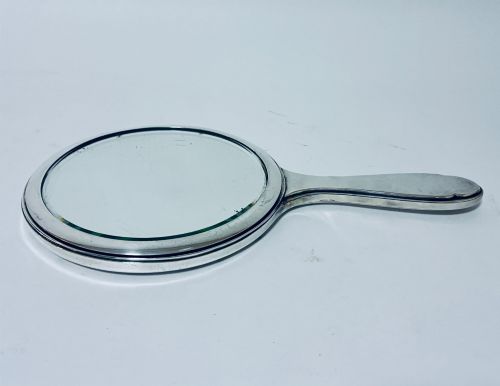
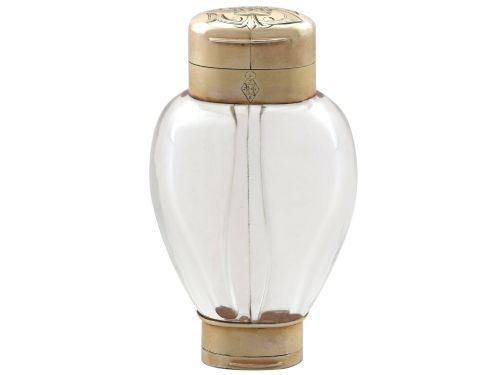
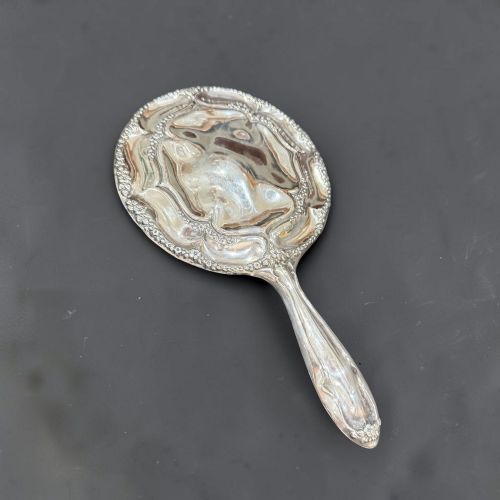
Victorian silver vanity items encompass a range of dressing table accessories and travel cases designed for personal grooming. Buyers searching this phrase most frequently encounter scent bottles, trinket boxes, and hand mirrors.
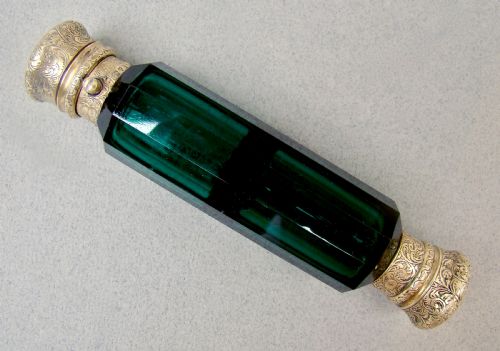
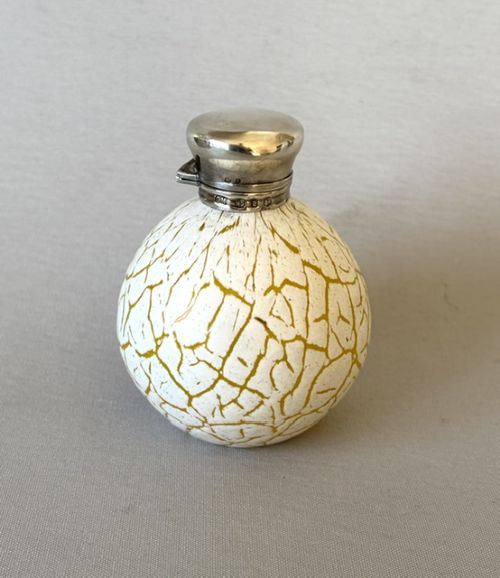
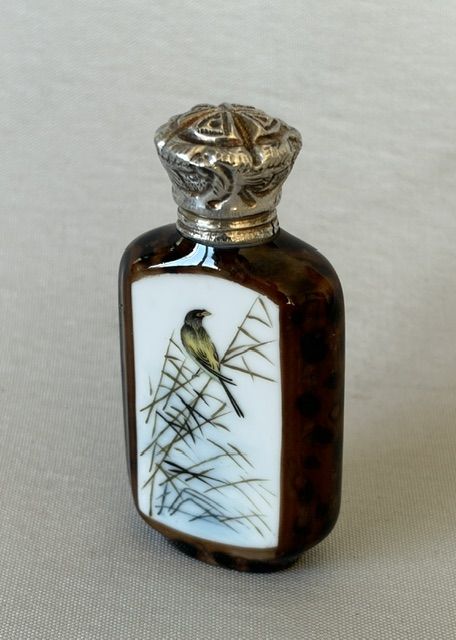
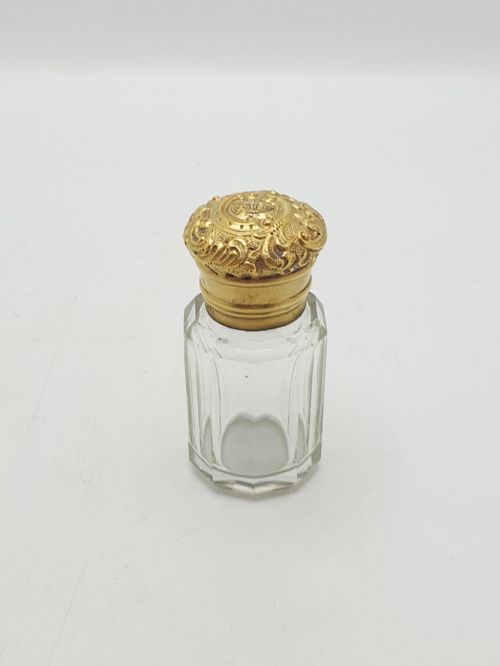
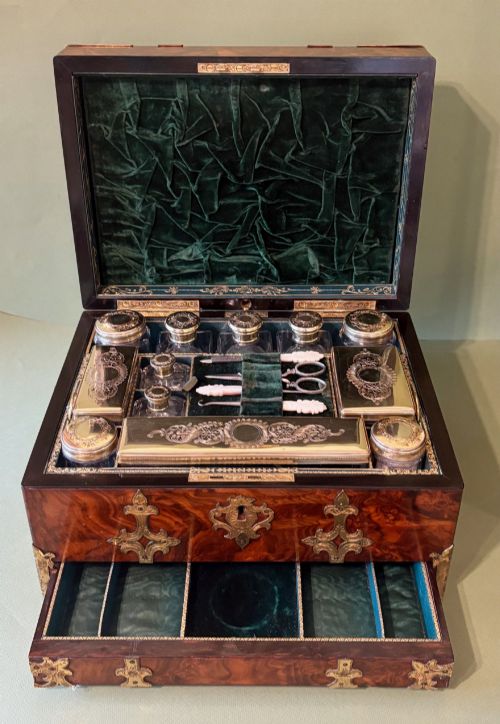
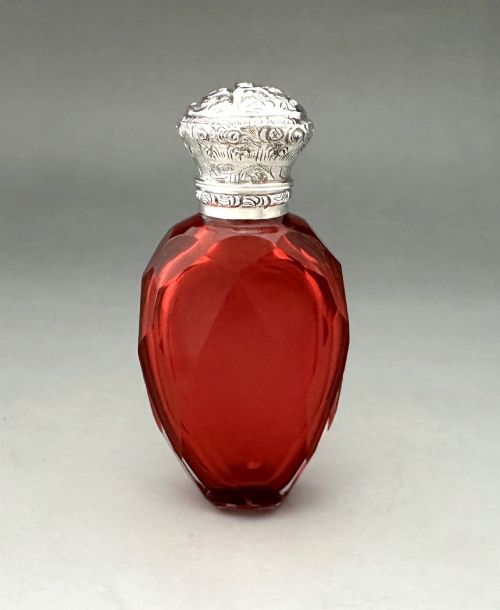
The objects span from small pill boxes and scent flasks to larger travelling sets and fitted jewellery cases. Many incorporate coloured glass bodies paired with mounted silver collars or lids.
Originating predominantly from the nineteenth century, these pieces reflect the elaborate dressing routines of the period. They bridge decorative arts and practical use on the Victorian dressing table.
How they were made
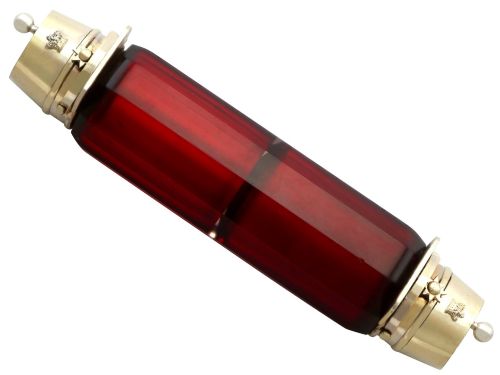
Makers combined sterling silver with blown and cut glass, utilising materials like ruby, cranberry, opaline, and Bristol green glass. Glass bodies were frequently moulded or faceted before receiving fitted silver mounts, collars, and hinged lids.
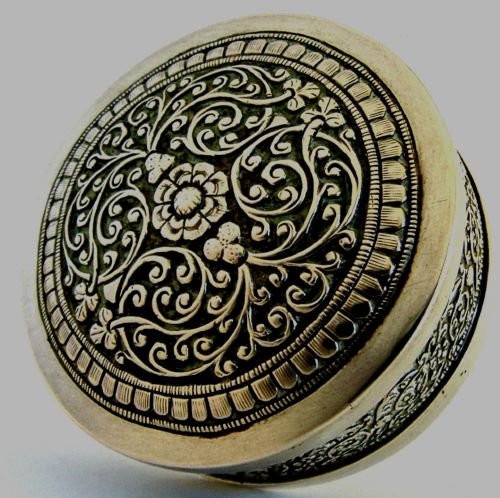
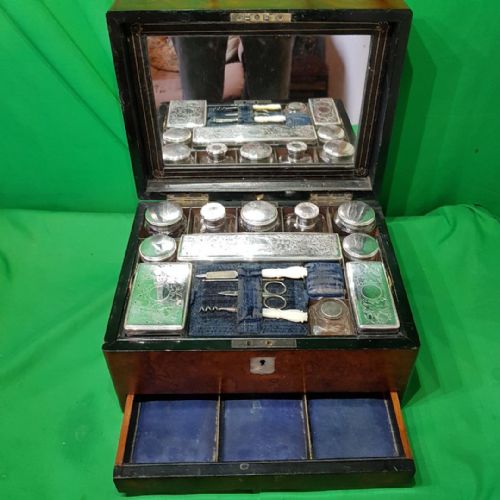
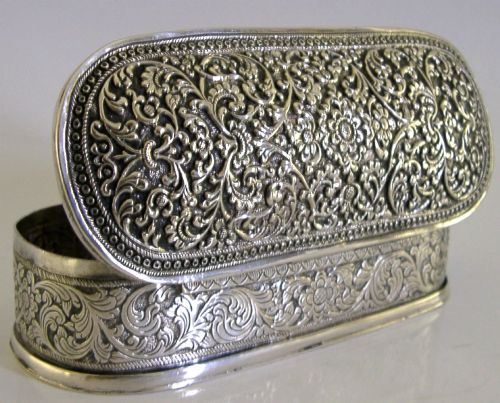
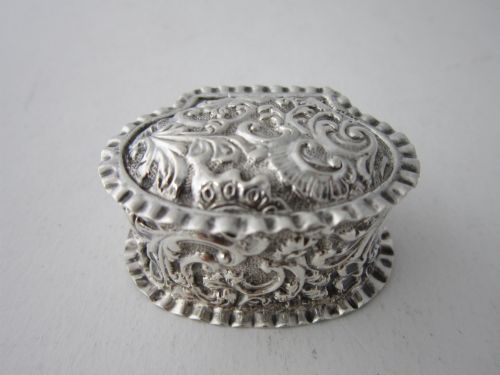
Silver components demonstrate techniques such as piercing, embossing, and engraving, alongside parcel-gilding to create silver gilt finishes. Travelling cases and boxes utilise timber foundations lined with velvet and fitted with compartments for individual vanity accessories.
Secret inner compartments in travelling boxes kept Victorian secrets safe from prying eyes.
What varies in quality
Quality rests upon the crispness of the silver work and the integration between metal and glass or timber. Finely chased detail on mounts and substantial silver weight distinguish superior boxes and scent bottles from lighter, simpler productions.
The distinctiveness of the glass also determines the standing of a piece, with layered, coloured, or murrine glass elevating the work above standard clear cut glass. Maker involvement, indicated by clear hallmarks and notable silversmith stamps, provides a further distinction.
SAMPSON MORDAN·EDWARD SMITH·FRANCHINI AND BIGAGLIA
The Victorian Silver Vanity Glossary
- Vinaigrette
- A small ornamental box featuring an internal pierced grille, designed to hold a sponge soaked in aromatic vinegar. These were carried in pockets or on chatelaines during the nineteenth century.
- Scent Bottle
- A small vessel intended to hold liquid perfume, usually secured with a screw or hinged silver cap. Examples often feature double ends or coloured glass bodies.
- Chatelaine
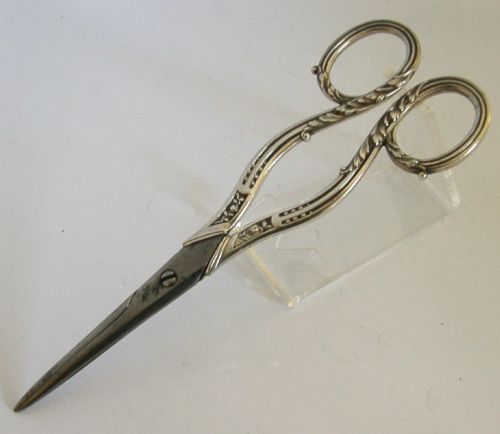
- A decorative belt hook worn at the waist with suspended chains carrying everyday utility tools. These typically included vinaigrettes, scent flasks, and small instruments.
- Silver Gilt
- Sterling silver that has been coated with a thin layer of gold on its surface. This technique imparts a warm, yellow-gold tone to the interior or exterior of scent bottles and boxes.
- Opaline Glass
- An opaque, pastel-coloured glass popular in nineteenth-century decorative objects. It provides a smooth, porcelain-like backdrop for silver mounts.
Victorian Silver Vanity: Frequently Asked Questions
What is a Victorian vanity set?
A Victorian vanity set comprises matching accessories used for hair, dress, and cosmetics on a dressing table. These groups typically included brushes, hand mirrors, and small silver boxes.
Such collections formed an essential part of a well-appointed nineteenth-century bedroom. They were often arranged on mirrored trays or kept inside dedicated wooden dressing cases.
How do you use a scent bottle?
A scent bottle holds liquid perfume for personal application using a small stopper or dauber attached to the cap. Double-ended versions allowed the owner to carry two distinct fragrances in one compact vessel.
Owners opened the hinged or screw-fitted silver lid to release the aroma. They were designed to sit upright on a dressing table or travel securely within a fitted vanity case.
How do you clean silver vanity items?
Cleaning requires a soft cloth and a gentle silver polish formulated to remove tarnish without abrading the surface. Care must be taken around glass bodies, enamel paint, and tortoiseshell panels to avoid moisture damage.
Using mild materials preserves the original hallmarks and delicate engraved details on the metal mounts. Regular dusting keeps the silver bright without requiring harsh chemical cleaning.
What is tortoiseshell used for?
Tortoiseshell serves as a decorative overlay on the lids and panels of high-end vanity boxes and brushes. Its mottled amber and brown patterns provided a rich contrast against polished sterling silver mounts.
Craftsmen heated and pressed the material to fit wooden box foundations. It remains a hallmark of luxury dressing cases from the late Victorian and Edwardian periods.