
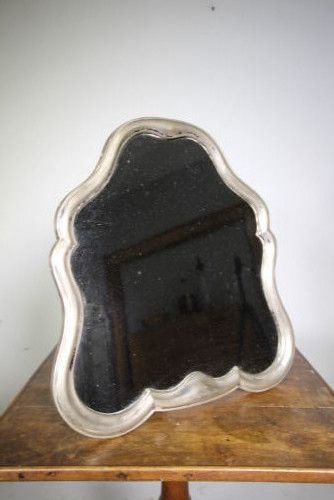
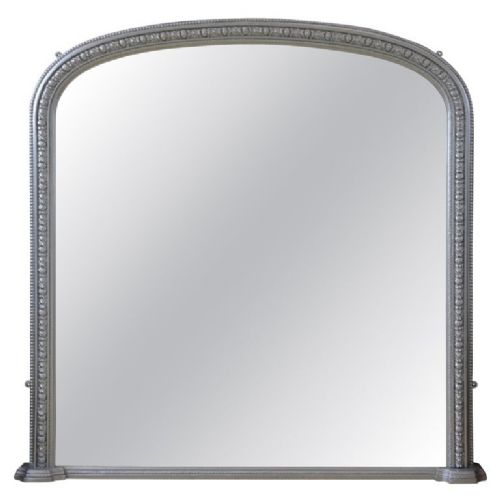


Victorian Silver Gilt Mirror
These Victorian silver gilt mirror pieces bring nineteenth-century shine to a room, offering grand proportions and reflective depth.
Victorian Silver Gilt Mirror
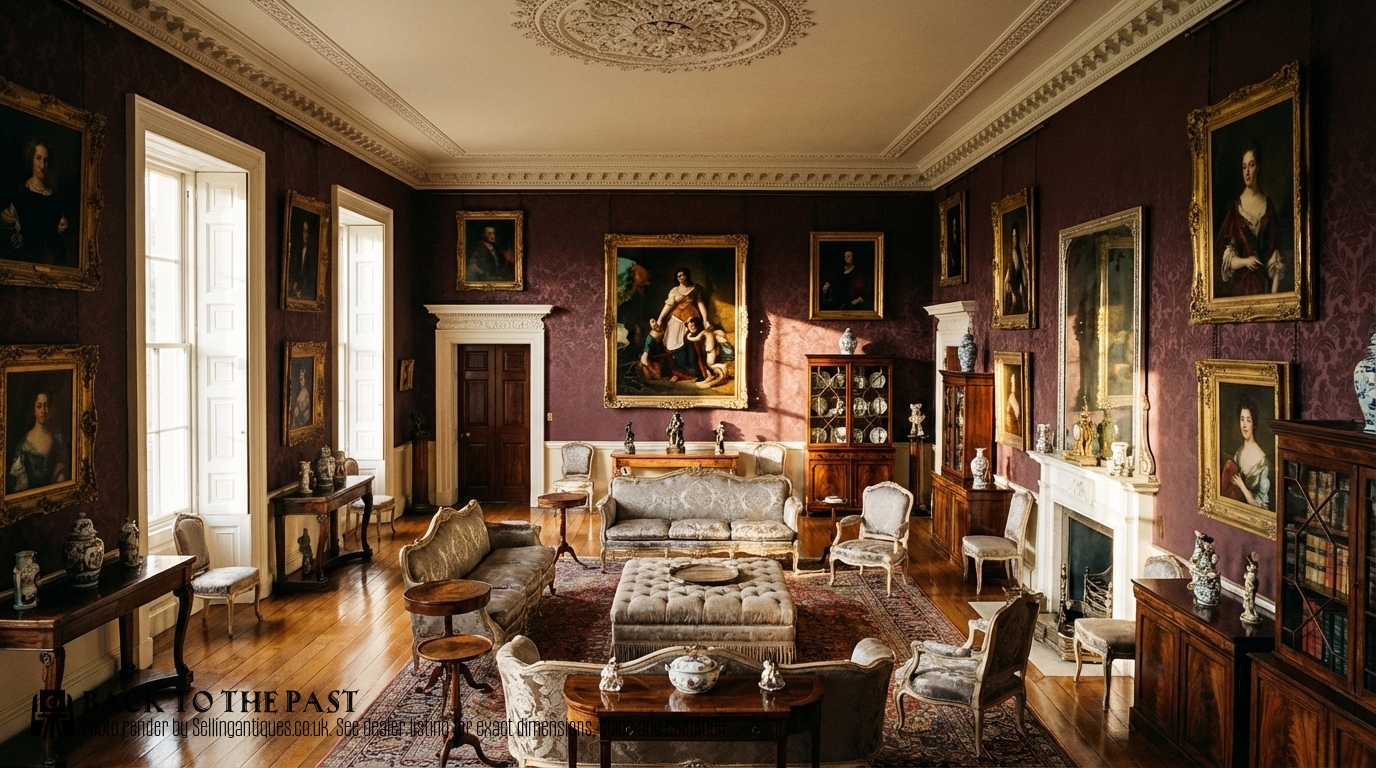
A victorian silver gilt mirror brings nineteenth-century presence to an interior, most frequently appearing as a large overmantel mirror designed to sit above a fireplace. These grand wall mirrors reflect light across a room and anchor the space with period weight.
Beyond massive overmantel pieces, the selection includes wall mirrors, pier mirrors, and smaller travelling vanity sets fitted with silver and gilt elements. The common thread is the nineteenth-century maker's hand, working within styles that span simple designs to ornate revival forms.
The dominant aesthetic draws upon nineteenth century rococo revival and French Louis Philippe influences, often pairing silvered surfaces with gilt highlights or ebonised frames. Surviving examples demonstrate how these items served both functional daily use and decorative display in Victorian homes.
Materials and construction
Construction relies upon a robust wood or composition core built to support heavy glass plates. Craftsmen applied gesso to shape decorative mouldings and relief details before adding leaf or liquid finishes.
Surfaces receive their distinctive dual tone through the application of silver leaf or silvering alongside gold leaf or gilt. Some pieces incorporate original silver mercury plates, showing the characteristic depth and slight imperfections of nineteenth-century glass production.
Materials recorded across the inventory include gesso, glass, silver leaf, wood, gold leaf, mirror glass, silvered wood, and composition.
Judging quality
Quality rests upon the crispness of the moulded ornament and the preservation of the original surface. Superior examples retain their early silvered or gilt finish intact, showing honest wear rather than modern repainting.
The choice of frame materials also separates standard production from finer items. The inclusion of ebonised details, substantial carved decoration, and original mirror plates distinguishes the better works handled by makers of the period.
Frederic Purnell
The Victorian Silver Gilt Mirror Glossary
- Overmantel mirror
- A large wall mirror specifically proportioned to hang on the wall above a mantelpiece or fireplace. These dominate a room and often feature arched or landscape orientations.
- Silver gilt
- Silver or silver-plated metal that has been thinly coated with gold leaf or a gold wash. On frames, it refers to surfaces combining silver and gold leaf tones.
- Gesso
- A plaster-like mixture applied to wood frames to create a smooth surface for gilding or to build up raised decorative reliefs. It allows for crisp moulding work.
- Composition
- A mouldable mixture of whiting, resin, glue, and linseed oil pressed into decorative motifs for frames. It hardens to take gilding and silvering.
- Mercury plate
- An early mirror glass production method using a tin and mercury amalgam. It produces a warm, undulating reflection distinct from modern float glass.
Victorian Silver Gilt Mirror: Frequently Asked Questions
What is a pier mirror?
A pier mirror is a tall, narrow glass designed to hang on the narrow section of wall between two windows, known as the pier. They maximise natural light reflection in Victorian reception rooms.
These pieces often match the height of nearby windows and feature slender frames to fit the architectural space. They share the silvered and gilt finishes common to larger overmantel designs.
How do I clean original silvered glass?
Clean original nineteenth-century mirror glass with a soft, dry cloth to remove dust without disturbing fragile edges. Avoid harsh modern chemical sprays that can seep behind the plate and damage the historical backing.
If moisture is necessary, use a barely damp cloth and dry the surface immediately. Take care near the edges where the original silvering is most vulnerable to degradation.
How can I date a Victorian mirror?
Dating relies upon examining the construction methods of the wood frame, the style of the gesso mouldings, and the characteristics of the glass plate. Mid-nineteenth-century examples often feature simpler architectural lines or early rococo revival curves.
Later Victorian pieces from the 1880s and 1890s frequently incorporate ebonised sections alongside silver gilt. Maker marks or stamps on smaller travelling items also provide precise historical markers.