


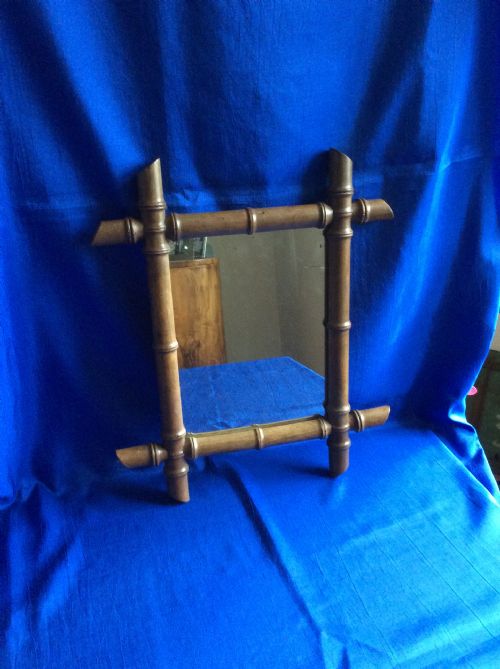
Brown Bamboo Mirror
A brown bamboo mirror brings genuine warmth and organic texture to an interior, combining the exotic appeal of natural cane with practical reflection.
Brown Bamboo Mirror
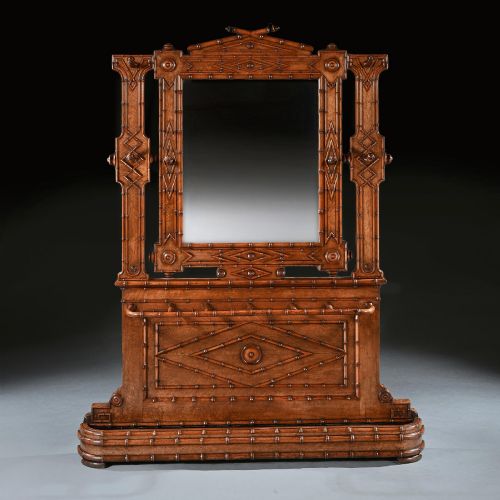
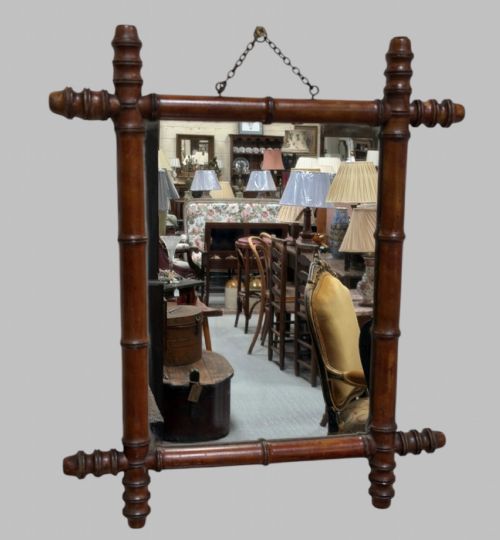
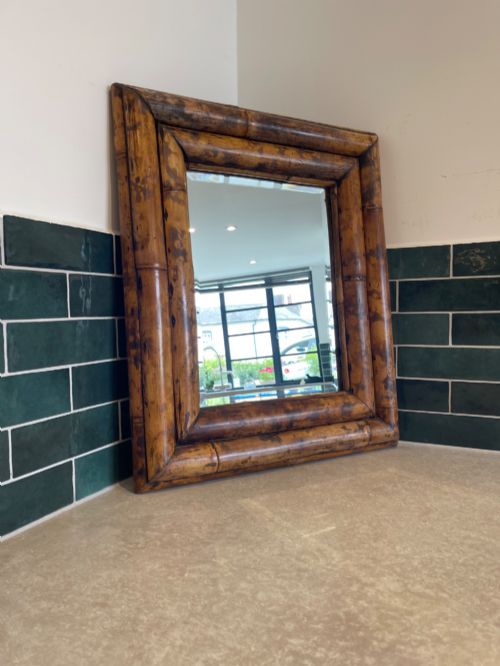
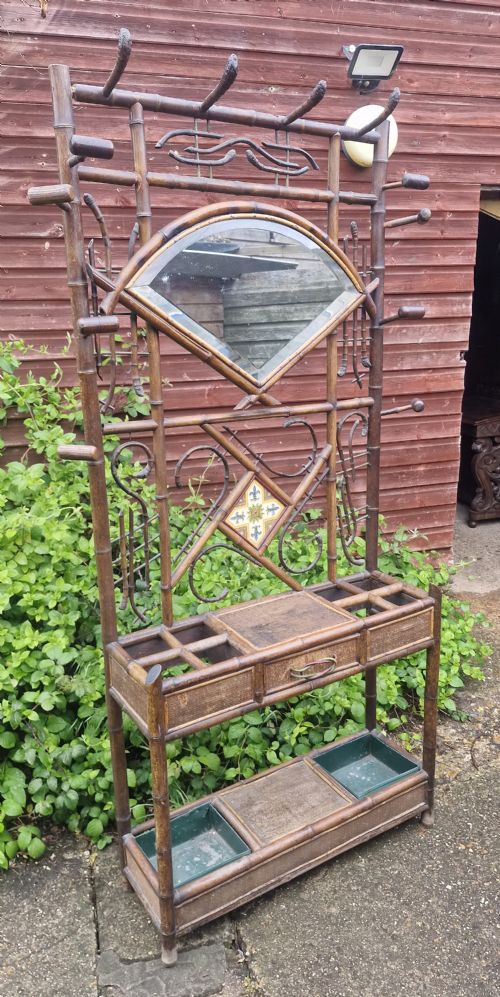
When you search for a brown bamboo mirror, you encounter pieces spanning the late nineteenth century through to the early twentieth century, with notable French provincial examples amongst them. The selections include straightforward wall-hanging looking glasses as well as grander hall stands and cabinets that incorporate mirrored panels.
The aesthetic movement heavily influenced these pieces, drawing on Japanese design principles that valued asymmetry and natural materials. Many items utilise simulated timber rather than genuine cane, employing turned and painted hardwoods to achieve the characteristic segmented profile.
Wall mirrors dominate the available forms, often featuring bevelled glass plates set within intricate cane or turned wooden frameworks. These pieces reflect the Victorian and Edwardian fascination with exotic travel and botanical motifs in domestic decoration.
Materials and Construction
Makers utilised natural bamboo alongside beech and carved wood, frequently painting or staining the timber to create convincing faux bamboo finishes. Artisans turned solid wood on lathes to replicate the knotted joints and characteristic rings of real bamboo stalk.
Mirror glass formed the central element, often secured with pegged wooden joints and backed with simple pine boards. Metal fixtures and brackets appeared on heavier hall stands and larger wall frames to provide structural support for the reflective plates.
Object types seen across the site include wall mirrors, hall stands, hallstands, and corner cabinets.
Evaluating Craftsmanship
Quality rests upon the fidelity of the turned woodwork and the complexity of the frame construction. Pieces featuring hand-carved knots and genuine bamboo show superior artisanal effort compared to simpler turned beech alternatives.
The preservation of the original finish and the clarity of the original mirror glass elevate a piece. Finer examples display subtle gradations in the brown stain that mimic aged cane with remarkable precision.
The Brown Bamboo Mirror Glossary
- Aesthetic movement
- A late nineteenth-century design style that emphasised art for art's sake and drew heavily on Japanese motifs. It favoured natural materials and organic forms over heavy industrial ornamentation.
- Birdseye maple
- A decorative timber featuring small, swirling patterns resembling tiny bird's eyes. It occasionally appears alongside faux bamboo elements in sophisticated hall stands.
- Japonisme
- The influence of Japanese art and design on Western decorative arts during the late nineteenth century. This movement inspired the widespread adoption of bamboo and asymmetric compositions.
Brown Bamboo Mirror: Frequently Asked Questions
Are these mirrors genuinely old?
The pieces available date primarily from the late nineteenth century through the early twentieth century, spanning the Victorian and Edwardian eras. They reflect the historical period's passion for exotic, botanical interior decoration.
Craftsmanship from this era relies on traditional joinery techniques, turned wooden components, and period mirror glass that often displays subtle age characteristics.
How do I hang a heavy bamboo mirror?
Ensure you use appropriate wall anchors and screws that match the weight of the specific frame and glass. Heavy hall stands and larger wall mirrors require secure attachment to wall studs.
Consult a professional fixer if you feel uncertain about the load-bearing capacity of your wall surface.
How should I clean the bamboo frame?
Dust the frame gently with a dry, soft cloth to remove everyday particles without disturbing the surface finish. Avoid harsh chemical cleaners and excessive moisture that might damage the turned wood or painted stain.
Occasionally nourish the wood with a suitable specialist wax if the finish appears dry, testing a small hidden area first.
What is the difference between real and faux bamboo?
Real bamboo utilises actual hollow cane stalks that are heated and bent into shape, whereas faux bamboo is solid hardwood turned on a lathe to mimic the natural joints. Faux bamboo typically offers greater structural stability for supporting heavy mirror glass.
Close inspection of the nodes and grain reveals whether a piece is carved timber or natural cane.