




Wooden Bamboo Mirror
A wooden bamboo mirror brings tactile warmth and organic line to a room through clever woodworking and turned detail.
Wooden Bamboo Mirror
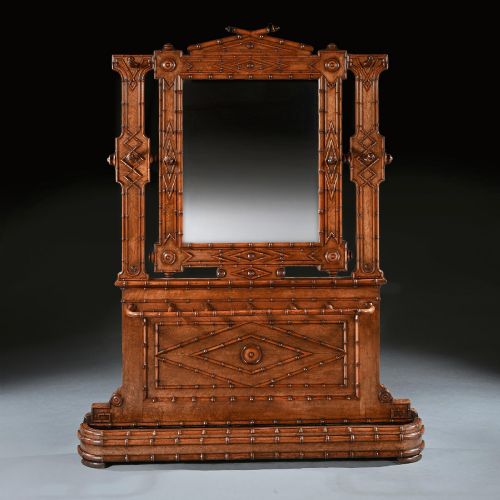
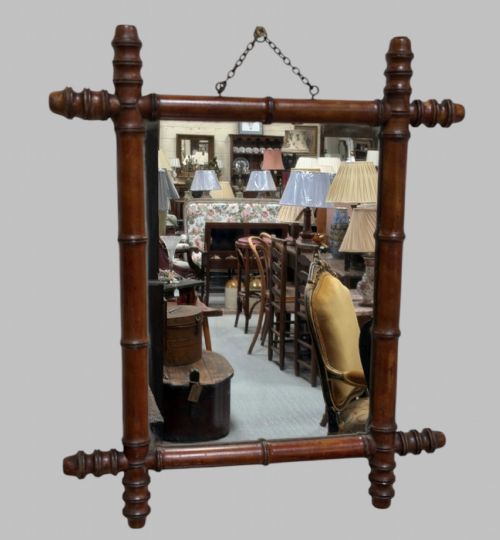
A wooden bamboo mirror is a domestic looking-glass housed in a frame that mimics or utilises oriental cane, appearing frequently in French Aesthetic Period and Victorian designs. When you search for a wooden bamboo mirror, you encounter pieces intended for halls, boudoirs and living spaces from the late nineteenth century and early twentieth century. These furnishings range from simple wall-hanging looking-glasses to substantial hall stands incorporating umbrella racks and coat hooks.
The objects seen here stem primarily from French workshops adhering to Aesthetic Movement and Art Deco ideals, alongside general Victorian production. Beech and birdseye maple form the structural carcass of these pieces, shaped carefully to imitate segmented bamboo shoots. You will most commonly meet wall mirrors and hallstands dated between eighteen ninety and nineteen ten.
How they were made
Craftsmen built these frames using turned wood and carved wood, frequently selecting beech or birdseye maple to carve or steam into segmented bamboo stalks. Artisans employed specialised lathe work to recreate the characteristic nodes and rings of natural cane, mounting heavy mirror glass securely within the wooden or metal reinforced housing.
Makers finished the timber surfaces with clear varnishes or painted treatments to emulate exotic hardwoods, often incorporating metal elements for structural support in larger hallstands. The joinery combines traditional framing techniques with clever moulding to maintain the illusion of hollow bamboo stems while supporting heavy glass plates.
Wooden Bamboo Mirror Retail Price Guide 2026
Typical asking prices for wooden bamboo mirror among the pieces listed under this phrase on Sellingantiques today, from the lower quarter to the upper quarter. They describe what is for sale here now, not the wider market.
The listings here feature beech and birdseye maple shaped into turned wood frames.
What varies in quality
Quality in these pieces rests on the precision of the woodturning and the fidelity with which the timber captures genuine bamboo nodes. Superior examples display crisp, hand-carved segmentations in beech or birdseye maple, whereas lesser items rely on hasty lathe work that lacks organic variation.
The integrity of the structural frame and the clarity of the original mirror glass further distinguish finer pieces from standard production. Substantial French hall stands demonstrate more ambitious joinery and metal integration than basic wall-hanging frames.
The Wooden Bamboo Mirror Glossary
- Aesthetic Movement
- A late nineteenth-century design current emphasising decorative art and beauty over narrative content. It heavily influenced the popularity of oriental motifs and faux bamboo furniture.
- Faux bamboo
- Wood shaped, turned or carved to imitate natural bamboo cane. Craftsmen utilised this technique extensively during the Victorian and Art Deco periods.
- Birdseye maple
- A figured timber showing small swirling eyes caused by local disruptions in grain growth. It appears in high-status nineteenth-century frames and furniture.
- Hall stand
- A piece of hallway furniture combining a looking-glass, coat hooks and umbrella storage. These items often incorporated faux bamboo turnings in French designs.
- Japonisme
- The influence of Japanese art and aesthetics on Western works. This trend inspired the creation of European bamboo-style mirrors and furnishings during the late nineteenth century.
Wooden Bamboo Mirror: Frequently Asked Questions
What is a faux bamboo mirror?
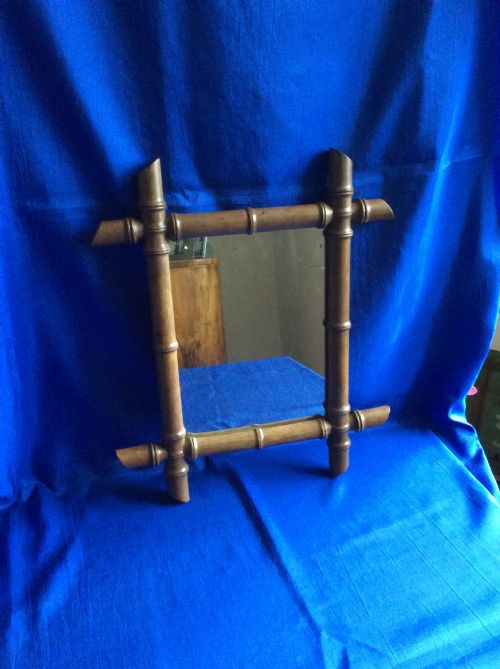
A faux bamboo mirror is a wooden looking-glass frame carved or turned to resemble natural cane. These pieces gained immense popularity during the Victorian and Aesthetic periods.
Craftsmen used beech and birdseye maple to recreate the distinct nodes of bamboo. They serve as both functional looking-glasses and decorative wall elements.
How old are these mirrors?
The pieces available on this page date from the late nineteenth century to the early twentieth century. Common periods represented include the Victorian era and the French Aesthetic movement.
Most items originate from around eighteen ninety to nineteen ten. Each piece reflects the manufacturing methods and stylistic preferences of that specific era.
Where were they made?
The majority of these mirrors and hall stands originate from French workshops and makers. They reflect continental interpretations of nineteenth-century design trends.
French provincial and Art Deco makers produced these items using local timbers like beech. Their origins are evident in the specific framing and decorative joinery.