




French Art Deco Mirror
A french art deco mirror brings geometric discipline and striking reflective presence to a room, captured in shapes from circular sunbursts to clean rectangular frames.
French Art Deco Mirror
A french art deco mirror represents the distinctive design vocabulary of early twentieth century France, merging functional reflection with bold decorative geometry. When you search for a french art deco mirror, you encounter forms that range from compact vanity glasses to large architectural wall pieces.
The selection here encompasses wall mirrors, toilet and vanity models, and free-standing cheval designs originating predominantly from the nineteen twenties and thirties. Surviving examples demonstrate the era's fascination with symmetry, stylized motifs, and clean architectural lines.
Materials and construction
Makers constructed these looking glasses using a diverse palette of timber, metal, and glass, utilising wood such as walnut, oak, and bamboo alongside gesso and carved frames. Gilding with gold leaf, silver plating, and silvered glass provided surfaces that catch and refract light with dramatic effect.
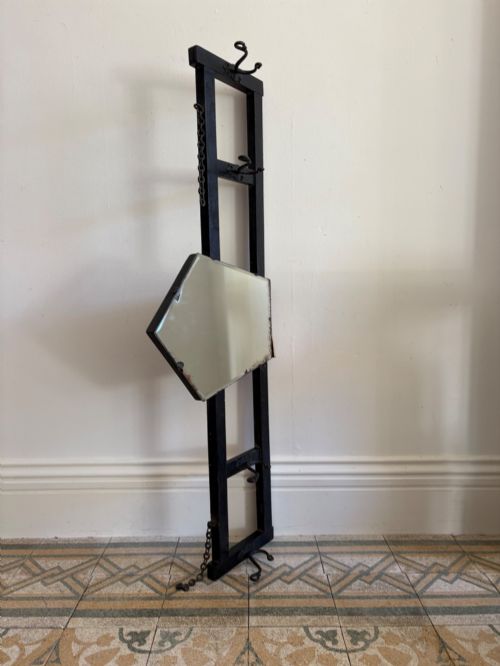
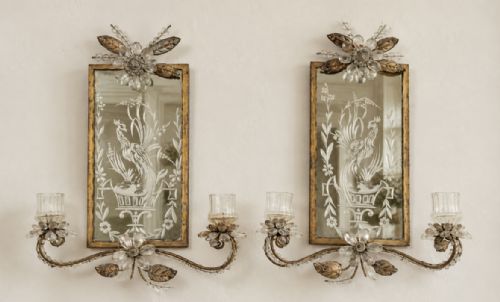
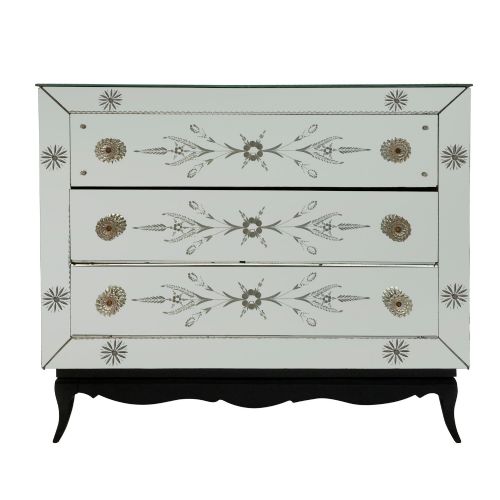
Specialised techniques include surface etching upon glass, leather wrapping for frames, and the creation of sunburst or starburst configurations using carved wood or gilt metal. Iron and brass also appear in functional Pullman style hat and coat racks incorporating integral mirror plates.
French Art Deco Mirror Retail Price Guide 2026
Typical asking prices for french art deco mirror among the pieces listed under this phrase on Sellingantiques today, from the lower quarter to the upper quarter. They describe what is for sale here now, not the wider market.
Listings feature items spanning the nineteenth century through the nineteen twenties and thirties, utilising glass, wood, gesso, gold leaf, leather, and silver plate.
Distinctions in craftsmanship
Quality reveals itself in the integrity of the frame construction and the depth of the reflective glass plate, distinguishing standard production from high end studio or couture pieces. Superior examples exhibit precise joinery, finely executed carving, and intricate surface treatments like deep chemical etching.
The choice of materials dictates the visual weight and longevity of the object, with genuine gold leaf and solid hardwoods holding their presence far better than lesser painted substitutes. Originality of the mirror glass and the retention of authentic backing materials further elevate the standing of any given piece.
Sue et Mare
The French Art Deco Mirror Glossary
- Sunburst mirror
- A circular frame featuring radiating wooden or metal rays that mimic the light of the sun. This style remains one of the most exuberant expressions of twentieth century wall decoration.
- Cheval mirror
- A full length floor mirror mounted on a vertical swivelling frame between two upright posts. Couturier versions allowed clients to inspect garments from every angle.
- Etched glass
- Glass decorated with designs cut into the surface using acid or mechanical abrasion. This technique introduced delicate frosted motifs without compromising the clear reflective centre.
- Overmantle mirror
- A large horizontal mirror designed specifically to hang above a fireplace mantelpiece. These pieces often anchor the proportions of an entire reception room.
- Pullman style
- A design format originating from luxury railway carriage fittings. It combines robust metalwork, such as iron or brass, with integrated shelving and mirror glass.
French Art Deco Mirror: Frequently Asked Questions
Where should I hang a french art deco mirror?
These pieces suit living rooms, hallways, and bedrooms where their distinct geometric frames can serve as a primary focal point. Placing them opposite a window maximises natural light distribution.
Ensure the wall fixings match the weight of the frame, particularly for large wooden, iron, or heavily gilded examples that require secure support.
How do I date a french art deco mirror?
Dating relies on stylistic markers such as the presence of nineteen twenties sunburst motifs or nineteen thirties streamline curves, alongside construction methods and materials. Documentation or signatures on the frame or glass can occasionally confirm precise attribution.
Examining the reverse side for original wood panels, paper labels, and aged fixings provides further clues to the period of manufacture.
Are vanity and dressing mirrors freestanding?
Many vanity and dressing mirrors are designed to stand independently on tables, sideboards, or dressing chests using pivoting brackets. Some larger versions function as cheval mirrors resting directly on the floor.
These pieces offer adjustable angles for personal reflection while incorporating the decorative woodwork characteristic of the era.
What maintenance do these mirrors require?
Preservation involves gentle dusting of the frames and cleaning the glass with mild, non-abrasive solutions applied to a cloth rather than sprayed directly. This prevents moisture from seeping behind the silvered backing or damaging vulnerable gesso and leaf finishes.
Keeping the pieces away from direct sunlight and excessive humidity protects both the wooden substrates and the original reflective surfaces.