




Gilded Circular Mirror
A gilded circular mirror brings deep optical focus and golden light into a room, making it an essential piece for traditional and period interiors.
What They Are
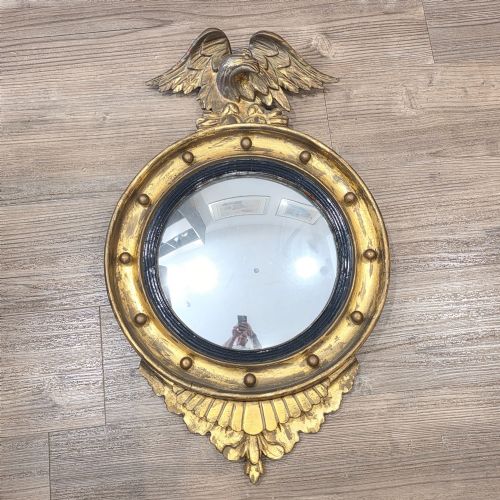
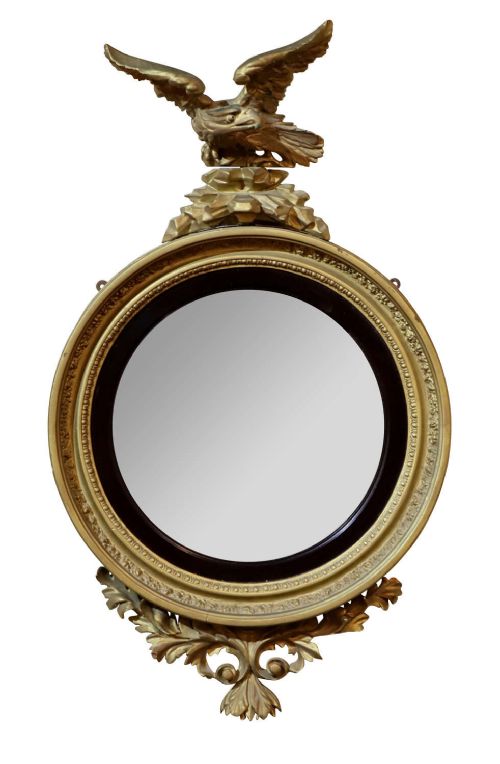
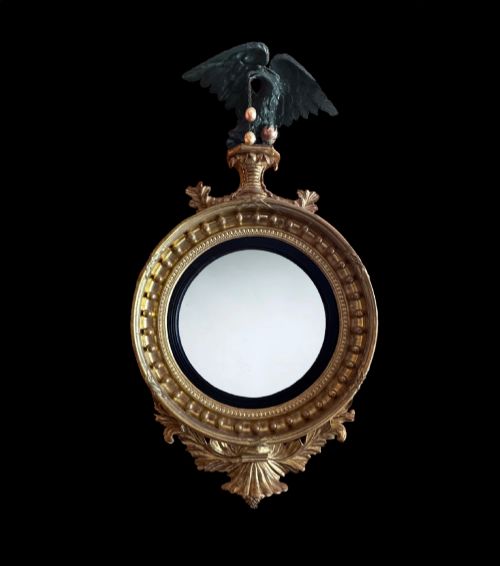
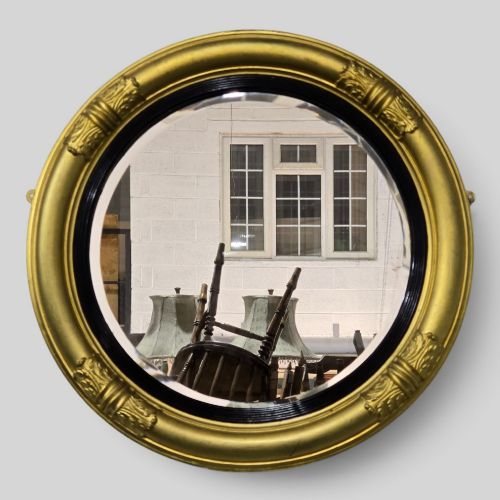
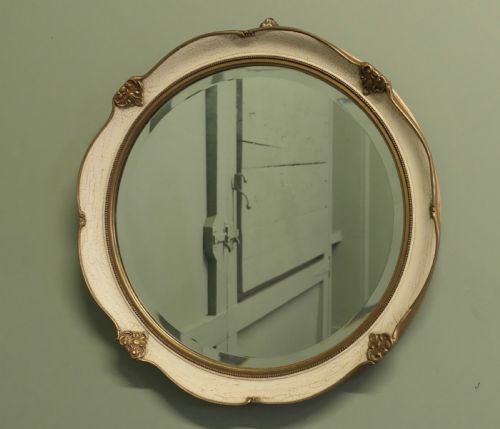
A gilded circular mirror catches the eye through its rounded frame and reflective convex or flat glass plate. These decorative wall pieces appear in various forms, from nineteenth-century convex designs to French Art Deco creations.
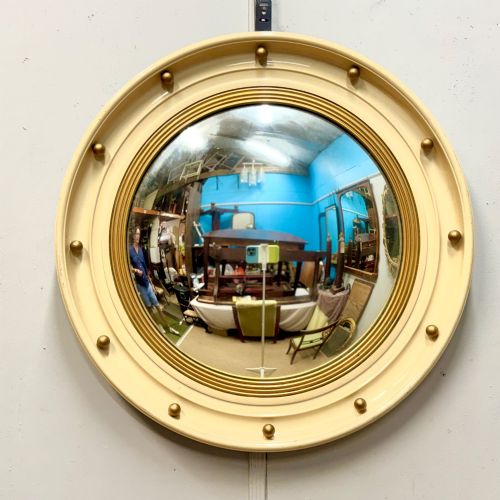
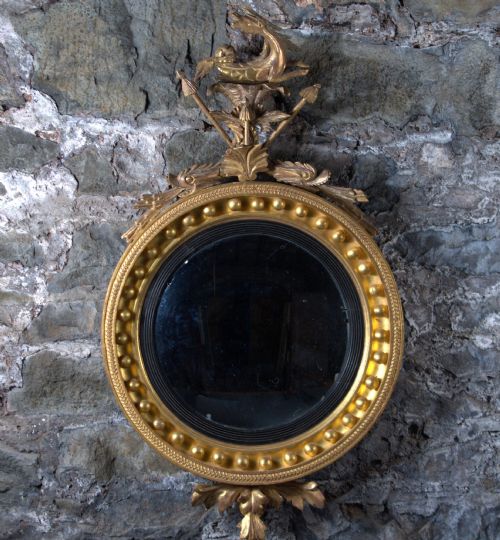
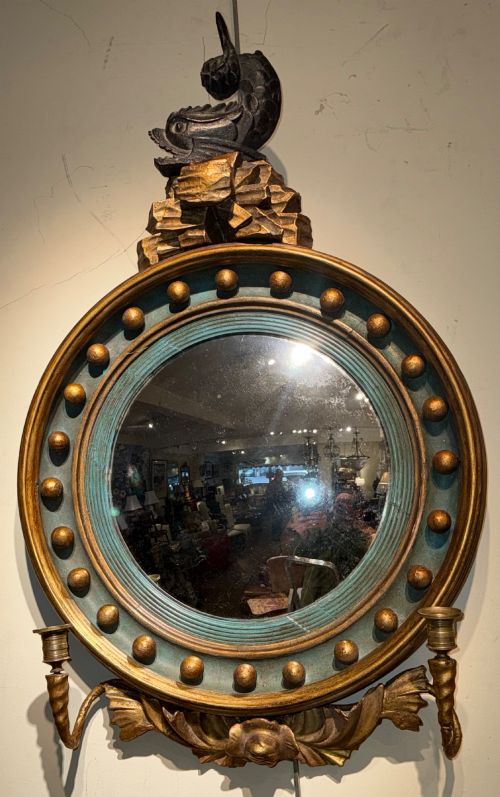
The nineteenth-century examples often follow the Regency style, sometimes featuring grand scales or eagle surmounts above the frame. Other variations include butler's mirrors and smaller round designs from around nineteen hundred.
Buyers will most frequently encounter nineteenth-century giltwood pieces alongside later twentieth-century iterations. These wall mirrors serve both functional and decorative purposes within domestic spaces.
How They Were Made
Carved wooden frames form the core structure of many pieces, often enhanced with gesso and plaster to build up intricate surface details. Artisans then applied gold leaf to create the characteristic metallic sheen.
Some examples incorporate ebonised wood alongside the gilt elements to create tonal contrast within the circular frame. Glass plates are set securely within these moulded housings, utilising traditional mounting techniques.
Retail Price Guide 2026
Typical UK retail prices for gilded circular mirror, calculated from the Sellingantiques database of over a million retail prices indexed since 2003. This retail price guide relies exclusively on Sellingantiques data; no external sources or auction records are used, so the figures do not describe the wider market.
The listings span the nineteenth century, the Victorian era, and nineteen thirty, featuring wood, gesso, ebonised wood, and gold leaf.
What Varies in Quality
The depth of carving and the crispness of the giltwood ornamentation define the upper tier of these objects. Superior examples display carefully sculpted details, such as eagle surmounts, executed with precision.
The application of gold leaf and the preservation of the underlying gesso layer dictate the visual richness of the surface. Finer mirrors maintain their original gilding and structural integrity across the wooden frame.
The Gilded Circular Mirror Glossary
- Giltwood
- Wood that has been coated with gold leaf or a gold-coloured substance. This material defines the warm metallic finish seen on many traditional frames.
- Convex glass
- A curved glass plate that pushes outwards to create a wide-angle reflection of the interior space. It captures a distorted yet encompassing view of the room.
- Gesso
- A plaster-like mixture applied to wood frames to create a smooth surface for gilding. It allows craftsmen to carve fine decorative details before applying gold leaf.
- Ebonised wood
- Timber treated to resemble dark ebony wood. It provides a sharp visual contrast against gilded sections on the frame.
Frequently Asked Questions
Where should I hang a convex mirror?
These pieces work well as focal points in reception rooms, hallways, and dining spaces where their reflective qualities can open up the area.
Because they project a wide-angle view of the room, placing them opposite a window or light source maximises the illumination they provide.
What is a butler's mirror?
A butler's mirror is a traditional circular wall hanging featuring convex glass that historically allowed staff to monitor a dining room discreetly.
These pieces often incorporate distinctive frames and remain popular decorative items for modern interiors.
How do I identify a Regency mirror?
Regency pieces often display classical motifs, bold circular wooden frames, and sometimes elaborate crests like eagle surmounts.
Examining the construction methods, materials such as gesso and gold leaf, and overall proportions helps determine the period style.