





Vintage Convex Mirror
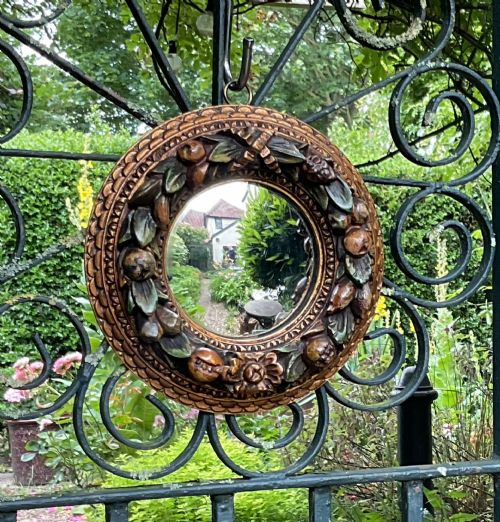
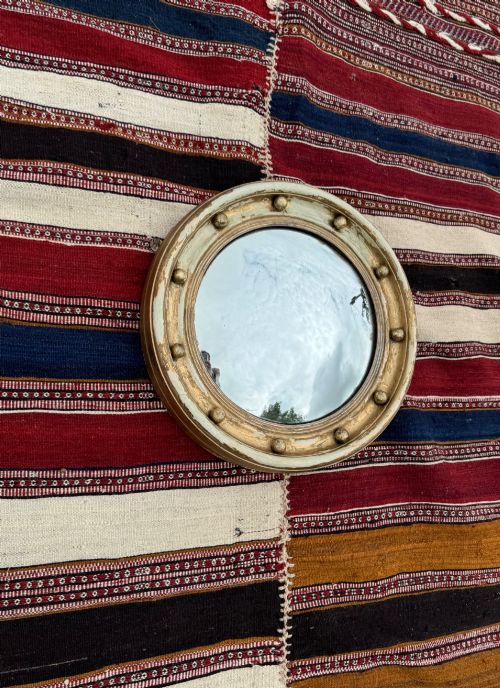
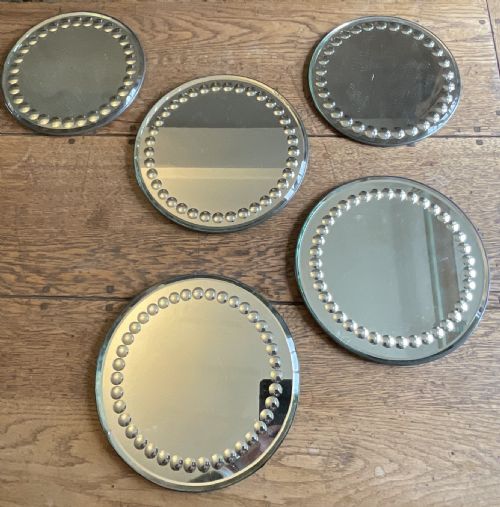
A vintage convex mirror pulls a room together with its curved reflection, capturing light and space in a single circular glance.
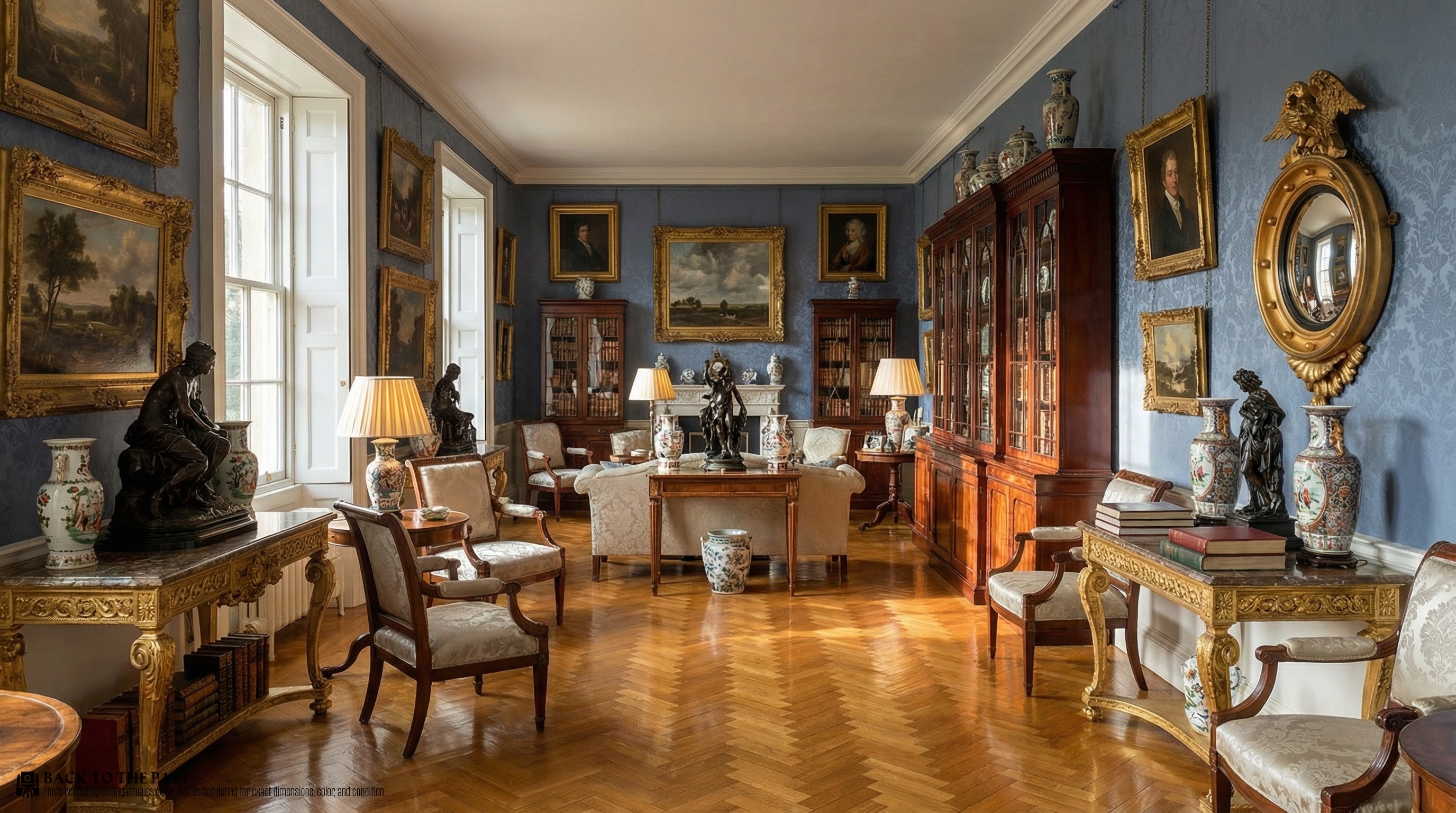
Understanding the vintage convex mirror
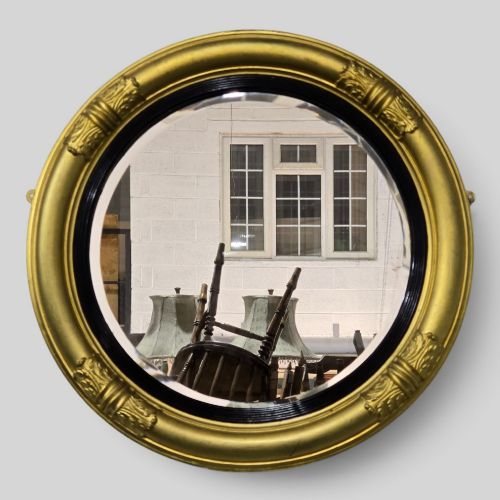
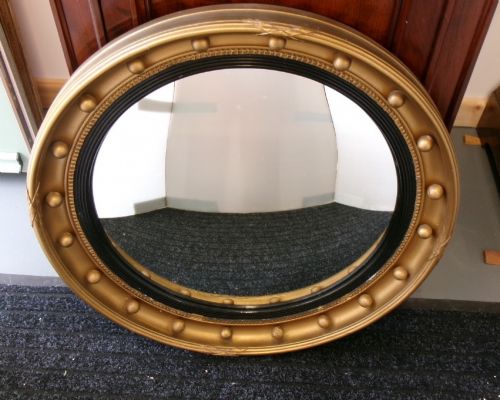
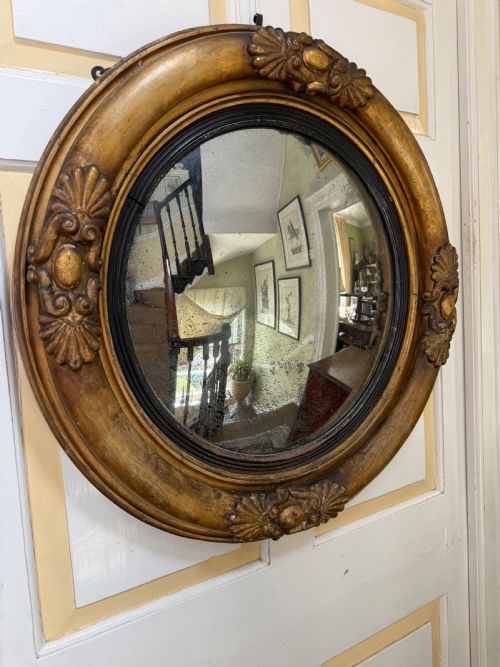
A vintage convex mirror is a circular wall glass that creates a wide-angle reflection of an entire interior, often referred to as a butler's mirror. When you search for this phrase, you find wall mirrors and wheel barometers spanning the nineteenth century and the Victorian era, alongside early twentieth-century examples.
The most common forms on this page include nineteenth-century giltwood frames and Victorian mahogany cases. These pieces draw on Regency, Grand Regency, and Victorian styles, ranging from plain circular surrounds to elaborate architectural creations.
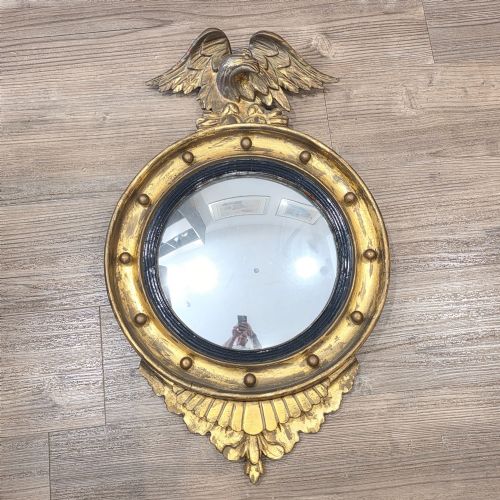
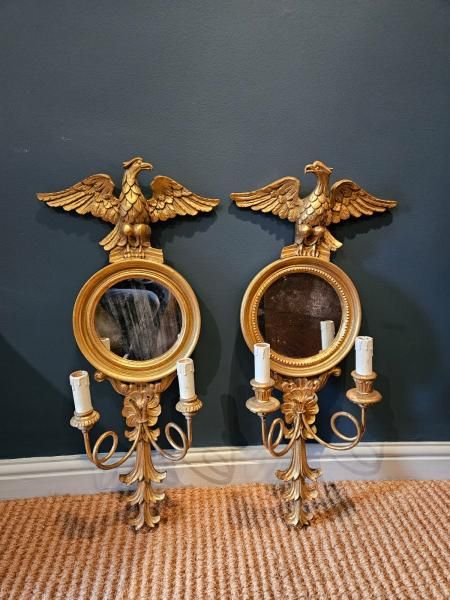
Surmounts and decorative details define many of these designs. Examples feature carved eagles atop giltwood frames or integrated barometer dials housed within onion top wooden cases.
Materials and construction
Makers shaped these frames from giltwood, gesso, ebonised wood, brass, mahogany, pine, and cream-finished materials with gold and black decorative detail. Giltwood and gesso surfaces required skilled carving and gilding over wooden bases to achieve a reflective metallic sheen.
Glass production relied on curved plates set securely into deep rebated frames. Woodworkers constructed mahogany and pine housings with careful joinery, including distinctive onion top profiles on barometer combinations.
Retail Price Guide 2026
Typical UK retail prices for vintage convex mirror, calculated from the Sellingantiques database of over a million retail prices indexed since 2003. This retail price guide relies exclusively on Sellingantiques data; no external sources or auction records are used, so the figures do not describe the wider market.
Listings feature items from the nineteenth century and the Victorian era, utilising glass, giltwood, gesso, ebonised wood, brass, and mahogany.
Assessing quality
Quality rests in the crispness of the carved ornamentation, such as the detail on a spread eagle surmount or the moulding of a gilt girandole frame. Superior pieces display deep, even gilding and finely proportioned wooden turnings.
The integration of secondary functions, like a working wheel barometer mechanism within a mahogany case, elevates a piece through the complexity of its dual purpose. Simpler frames rely entirely on the purity of the circular wooden moulding and the clarity of the curved glass.
W.E. Pain of Cambridge·Atsonea
The Vintage Convex Mirror Glossary
- Convex mirror
- A curved circular glass that reflects a wide, distortion-rich view of the surrounding room. This form was traditionally placed in large reception rooms to monitor activity.
- Giltwood
- Timber coated with a thin layer of gold leaf or gilt paint. This finish catches and multiplies available natural light.
- Gesso
- A plaster-like mixture applied to wood frames to create a smooth base for gilding and intricate relief carving. It allows for sharp decorative details.
- Girandole
- A decorative wall mirror featuring attached candle sconces. The candle flames reflect in the curved glass to brighten dark corners.
- Wheel barometer
- A household instrument housed in a wooden case that combines atmospheric pressure measurement with a circular dial and mirror. These pieces served both practical and decorative domestic roles.
Frequently Asked Questions
Were these mirrors used to check on guests?
Historical domestic tradition often placed these mirrors in dining rooms or halls so hosts could observe staff or guests across the room at a glance. The curved glass gathers a panoramic view of the entire interior.
Over time, this practical function evolved into a purely aesthetic choice for interior decoration.
How do I clean the curved glass?
Dust the surface gently with a soft, dry cloth to remove loose particles without scratching the antique glass or delicate gilt finish. Avoid spraying liquid cleaners directly onto the mirror, as moisture can seep behind the glass plate.
Apply any mild cleaning solution to the cloth first, and wipe carefully around the wooden or gesso frame.
How do I date a Victorian piece?
Examine the construction methods of the wooden case, the type of gesso preparation, and the style of the carved details or barometer dials. Victorian pieces often utilise mahogany or ebonised wood alongside traditional joinery techniques.
Comparing the decorative motifs to documented nineteenth-century design styles helps narrow down the period of manufacture.