


French Decorative Wall Mirror
A French decorative wall mirror brings unmistakable continental elegance to an interior, offering ornate frames and luminous glass that instantly lift a room.
Understanding the French decorative wall mirror
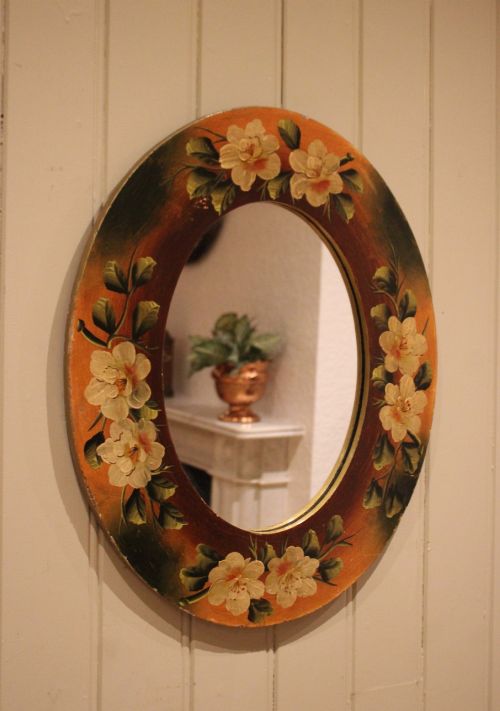
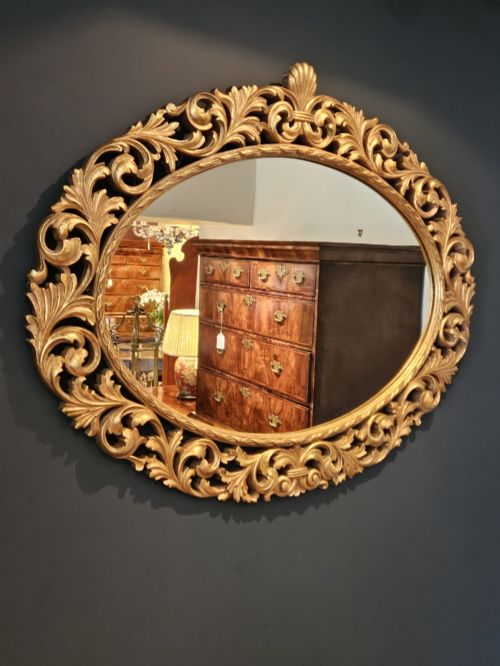
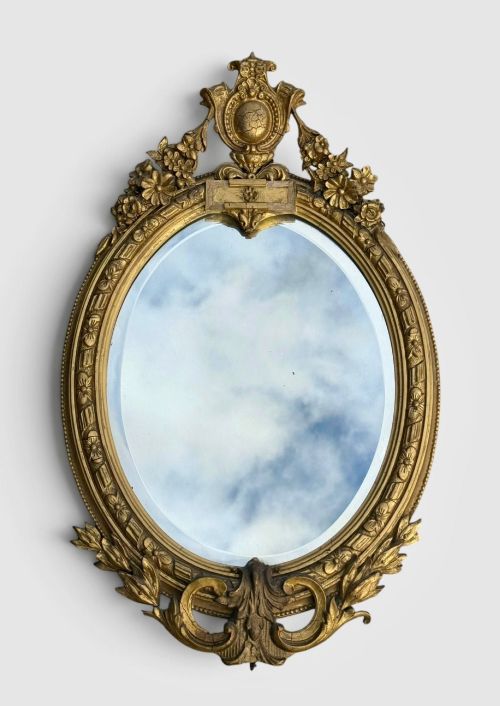
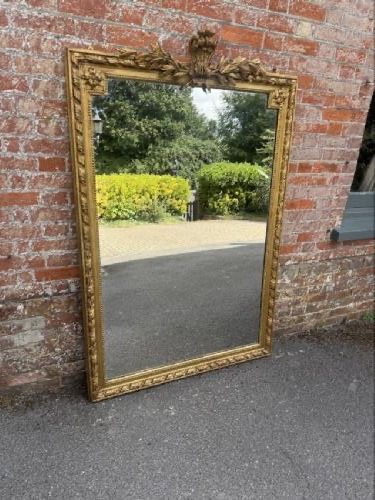
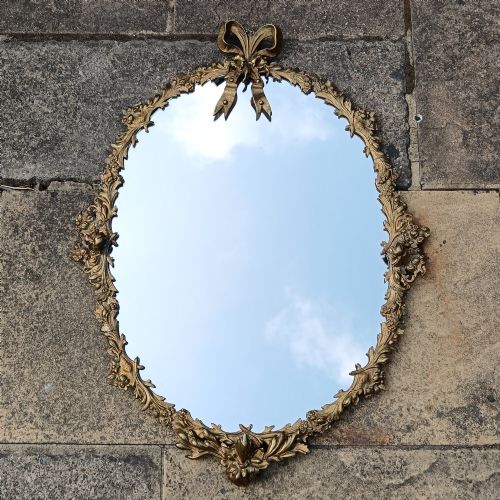
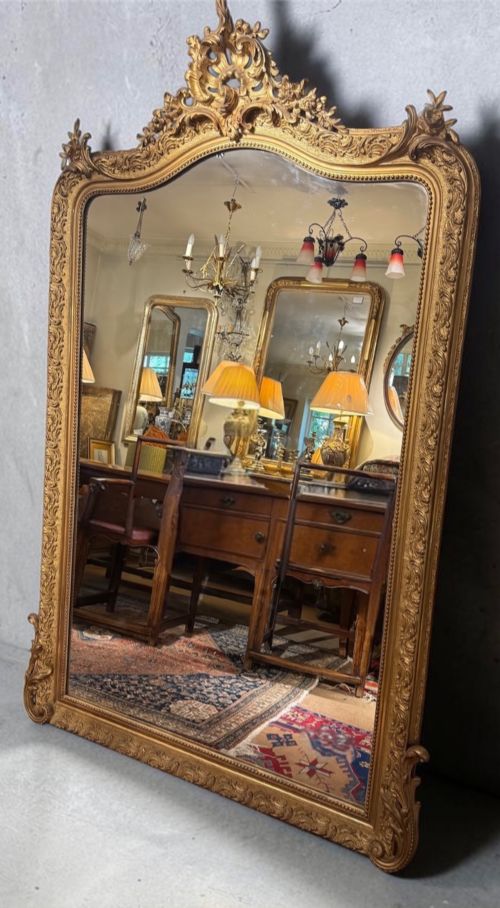
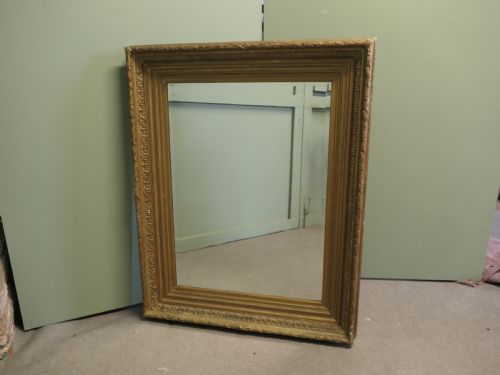
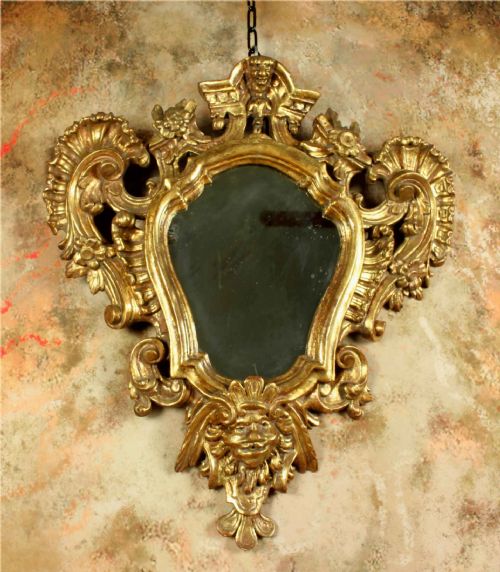
A french decorative wall mirror takes several distinct forms, stretching from grand nineteenth century giltwood designs to geometric twentieth century shapes. Buyers encountering this selection will frequently meet nineteenth century examples featuring elaborate gesso ornamentation, alongside later art deco pieces.
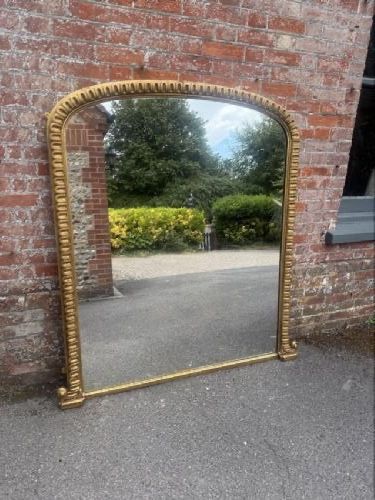
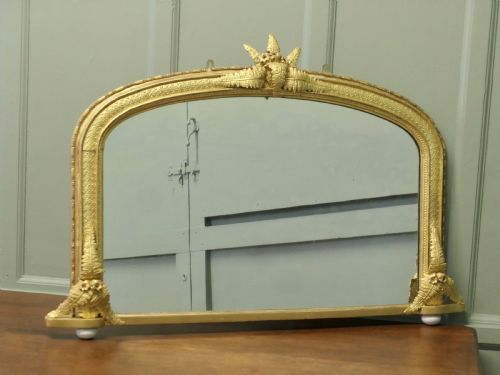
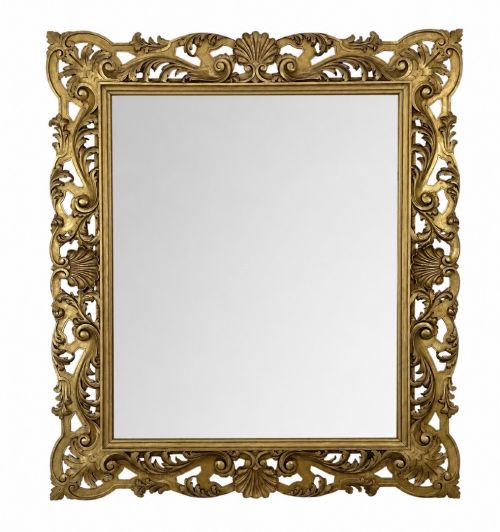
The styles span French rococo, provincial interpretations, and distinct art deco geometries. Formats range from large architectural wall mirrors to round etched plates and matched pairs.
Origins trace directly to French workshops across different periods, capturing classical nineteenth century motifs and subsequent twentieth century modernism.
Materials and construction methods
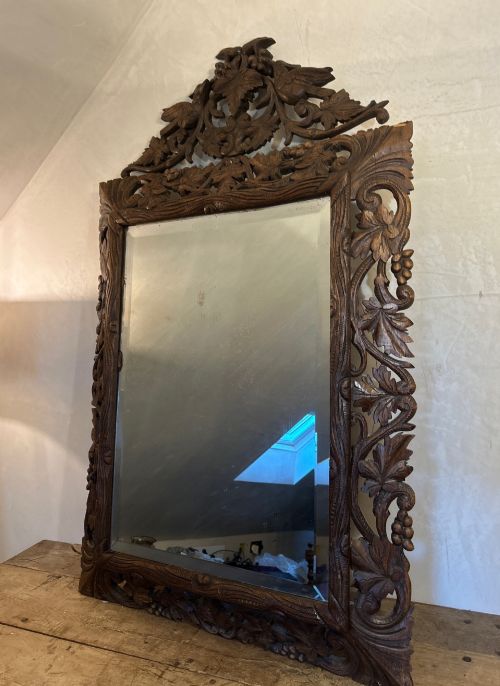
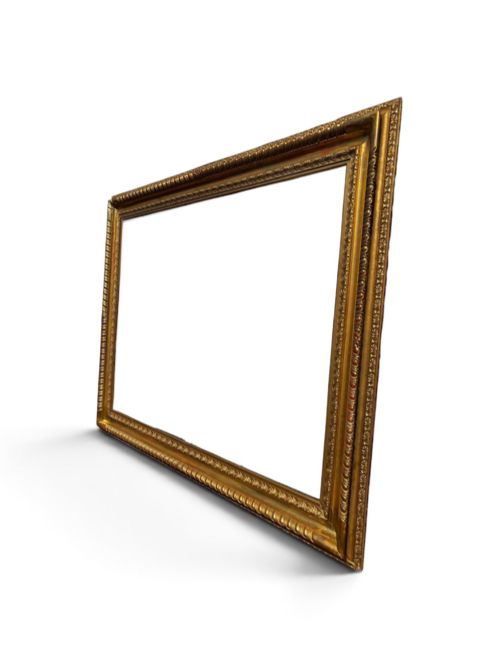
Frames rely upon carved wood, walnut, or layered gesso built over a wooden carcass. Artisans applied gold leaf, silvered treatments, or painted finishes directly to these supportive structures.
Glass plates provide the reflective surface, occasionally incorporating silvered borders or decorative etching. Gold leaf and paint finishes create the characteristic distressed or gilded appearance seen across the items.
Retail Price Guide 2026
Typical UK retail prices for french decorative wall mirror, calculated from the Sellingantiques database of over a million retail prices indexed since 2003. This retail price guide relies exclusively on Sellingantiques data; no external sources or auction records are used, so the figures do not describe the wider market.
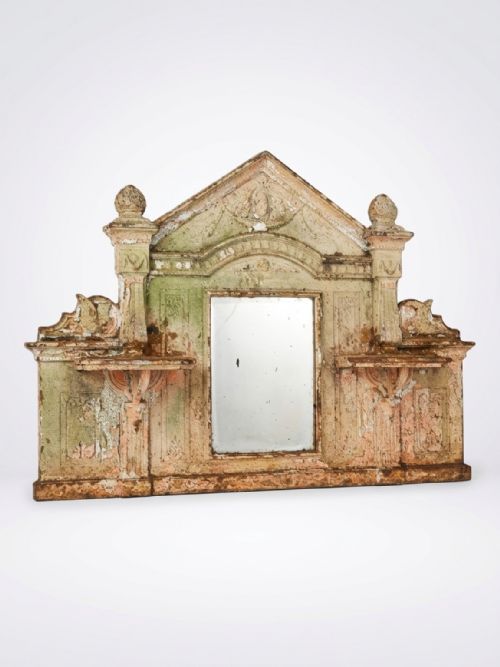
Several mirrors feature vigilant wooden doves, flaming torches, and watchful cherubs guarding the glass.
Distinctions in quality
The depth and intricacy of hand carving dictate the calibre of the frame. Skilled artisans achieved sharper relief in cherub, cartouche, and floral mouldings than lesser workshops managed.
Originality of surface finish maintains importance. Pieces retaining untouched gold leaf, early paint layers, and original glass plates carry greater authenticity than those subjected to modern repainting or plate replacement.
The French Decorative Wall Mirror Glossary
- Gesso
- A plaster-based material applied to wood frames before gilding or painting. It allows artisans to carve intricate relief details such as scrolls and cherubs.
- Giltwood
- Timber coated with a thin layer of gold leaf. This technique provides a luminous, enduring metallic finish characteristic of high-status frames.
- Cartouche
- An ornamental tablet or frame resembling a scroll or rolled-up piece of paper. It frequently appears at the crest of nineteenth century mirrors.
- Silvered glass
- Glass treated with a reflective silver coating. Period examples sometimes feature specialised silvered borders that enhance visual depth.
Frequently Asked Questions
How do I date a French decorative wall mirror?
Dating relies on stylistic clues and construction materials. Nineteenth century pieces often feature gesso mouldings and rococo motifs, while nineteen-twenties and thirties items display art deco geometry.
Examining the backboards, fixings, and the composition of the glass plate also helps determine the correct era.
Where should I hang a large wall mirror?
Large mirrors suit principal reception rooms, hallways, or above a mantelpiece. Their scale reflects light and creates an illusion of greater spatial depth.
Ensure the wall structure and fixings can adequately support the substantial weight of carved wood and gesso frames.
What is the difference between giltwood and painted frames?
Giltwood frames feature genuine gold leaf applied over gesso and wood, creating a bright metallic sheen. Painted frames utilise cream, gold, or distressed pigments for a softer aesthetic.
Both finishes frequently appear on nineteenth century pieces, sometimes combined on the same frame.
How do I care for antique mirror glass?
Clean antique glass gently using a soft, dry cloth or a mild, ammonia-free glass cleaner applied to the cloth rather than the mirror. Avoid spraying liquid directly onto the edges where moisture can seep behind the silvering.
Protect the original frame finish by keeping the piece away from direct sunlight and excessive humidity.