





Antique Pine Wall Mirror
An antique pine wall mirror brings warmth and character to a room, offering practical reflection through beautifully weathered wood and traditional craftsmanship.
Antique Pine Wall Mirror
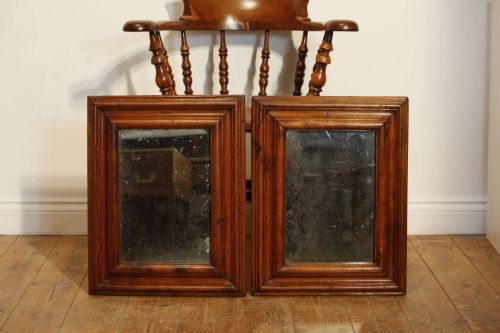
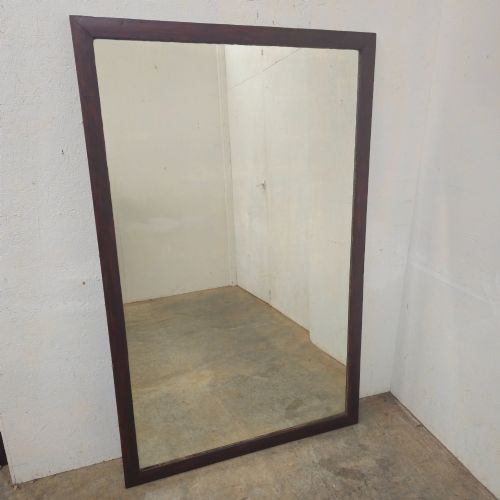
An antique pine wall mirror forms a practical and decorative fixture that hangs in hallways, living rooms and bedrooms. These pieces range from simple provincial frames to grander carved designs designed to catch the light.
The versions most commonly met on this page span the Georgian, Victorian and twentieth-century periods. They include regional English examples, French provincial designs and Spanish regional work.
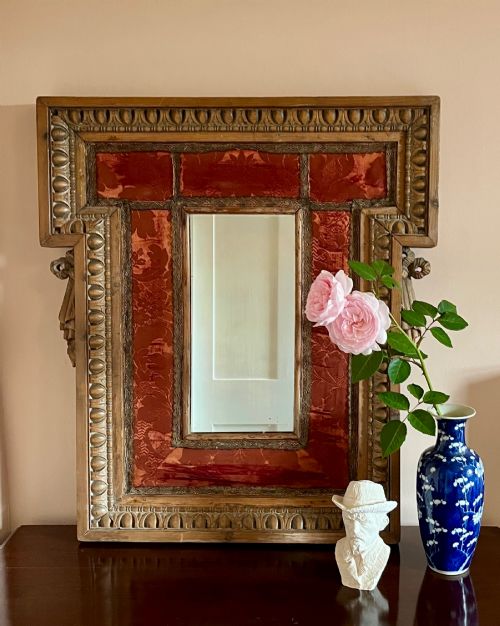
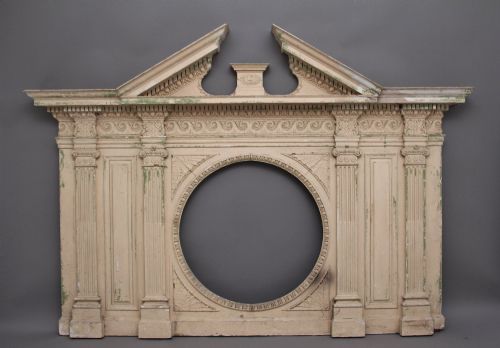
Makers utilised native and imported softwoods, frequently applying paint, gesso or gilt finishes to enhance the appearance of the timber. Forms include standard wall mirrors, large overmantels and picture frames adapted to hold glass.
Materials and construction
Carpenters constructed these frames primarily from solid pine, occasionally incorporating secondary timbers such as beech. Joinery techniques varied from pegged mortise and tenon joints in earlier pieces to simpler mitred corners in later examples.
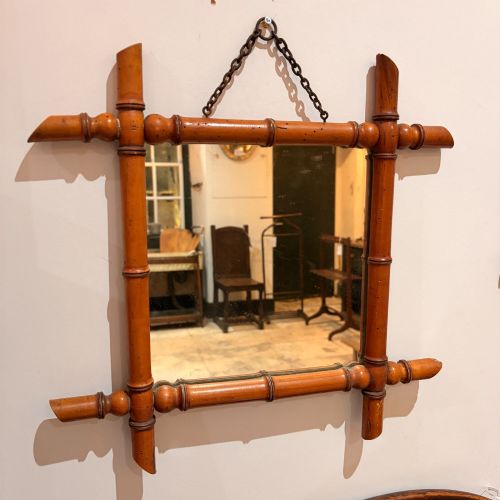
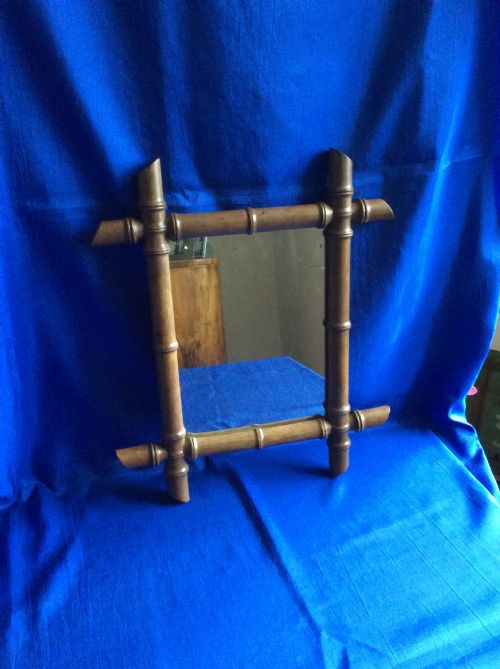
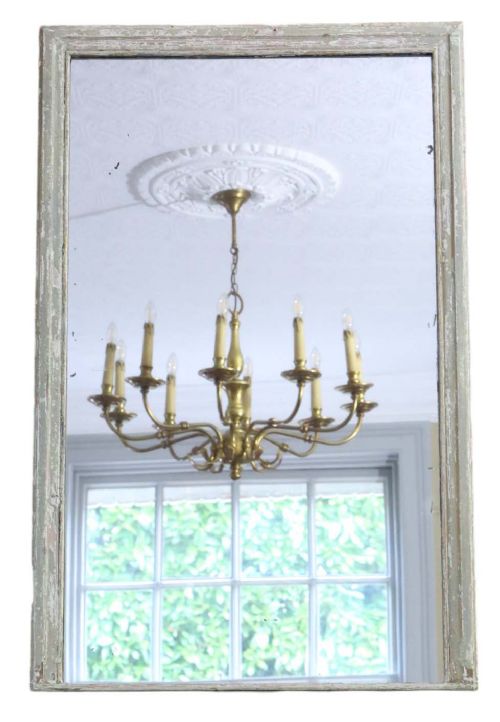
Many surfaces received layers of paint, faux finishes like faux bamboo or faux marble, or a foundation of gesso to support delicate carving and gilding. Original mirror glass, when present, often shows subtle imperfections, foxing and silvering characteristic of older production methods.
Antique Pine Wall Mirror Retail Price Guide 2026
Typical asking prices for pine wall mirror among the pieces listed under this phrase on Sellingantiques today, from the lower quarter to the upper quarter. They describe what is for sale here now, not the wider market.
Some nineteenth-century makers went to great lengths to paint pine so convincingly that people tried to peel the bamboo rings.
Factors that distinguish quality
The depth and crispness of the hand-carved detail set finer examples apart from plainer utilitarian frames. Skilled artisans created intricate floral motifs and architectural mouldings that display superior control and proportion.
Surface preservation dictates much of the appeal, with original painted, gilt or gesso finishes holding greater interest than later stripped or repainted surfaces. Retaining the original glass adds authenticity and visual harmony to the piece.
The Antique Pine Wall Mirror Glossary
- Gesso
- A plaster-like mixture applied to wood surfaces to provide a smooth base for carving or gilding. It allows artisans to create crisp, detailed ornamental mouldings.
- Overmantel
- A large mirror or painting designed to be hung specifically above a fireplace mantelpiece. These substantial pieces often dominate the wall space.
- Faux bamboo
- A decorative treatment where wood is carved or painted to imitate the segmented stalks of bamboo. This style gained popularity during the nineteenth century.
- Foxing
- The brown spots and age-related discolouration that develop on older mirror glass over time. It serves as an indicator of age.
- Gilt
- A thin layer of gold leaf or gold paint applied to a surface. It adds a reflective, decorative sheen to carved wooden frames.
Antique Pine Wall Mirror: Frequently Asked Questions
Can I clean the original glass safely?
Clean original mirror glass gently using a soft microfibre cloth and a mild, ammonia-free glass cleaner applied to the cloth rather than directly to the glass. Avoid harsh scrubbing around the edges where the silvering is fragile.
Take care not to let moisture seep behind the glass plate or onto painted and gilded wooden surfaces.
How do I identify a Georgian pine mirror?
Georgian pine mirrors typically display classical architectural proportions, hand-carved wooden details, and timber that shows deep patination from age. Joinery often relies on pegged construction rather than modern metal fasteners.
Many pieces from this era feature layered gesso work or original paint finishes that have worn softly over centuries.
What is faux bamboo furniture?
Faux bamboo refers to wooden items carved or painted to replicate real bamboo canes, a style that became fashionable during the Victorian period. Artisans laboriously shaped pine and other woods to mimic jointed nodes.
This aesthetic reflected a broader European fascination with Asian design motifs during the nineteenth century.
Does original glass matter for value?
Original glass contributes significantly to the historical integrity and character of an antique mirror. Subtle distortions and foxing confirm the age of the piece.
Replaced glass is common in older mirrors due to breakages over the centuries, though surviving original plates remain desirable.