



Victorian Faux Bamboo Mirror
These Victorian faux bamboo mirrors bring playful mimicry and warm texture into any room.
Victorian Faux Bamboo Mirror
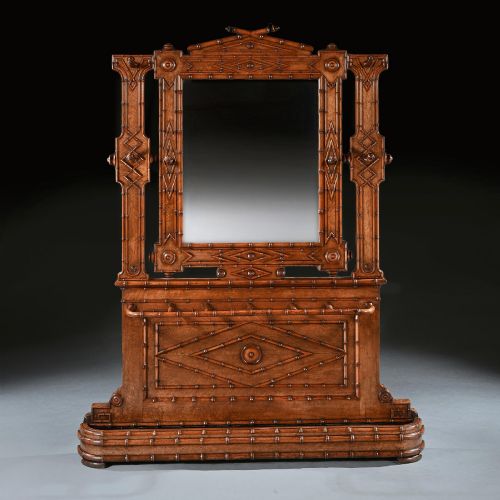
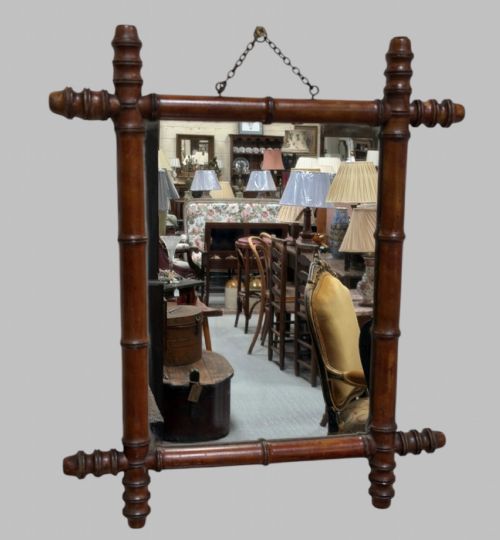
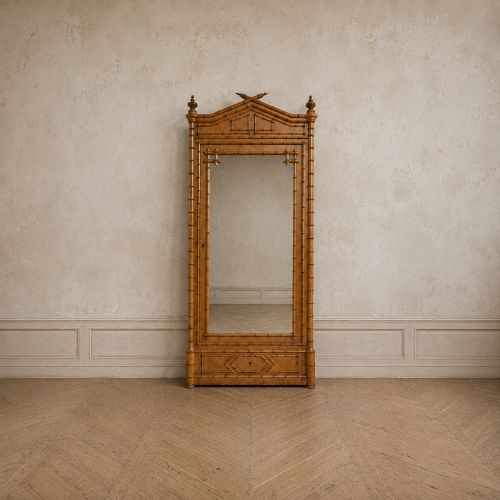
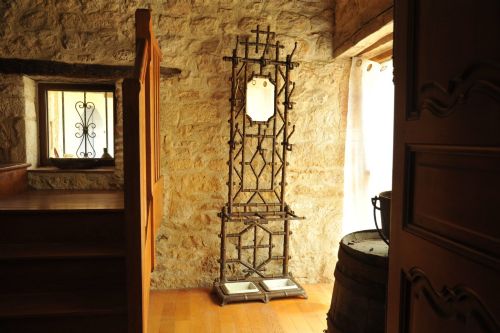
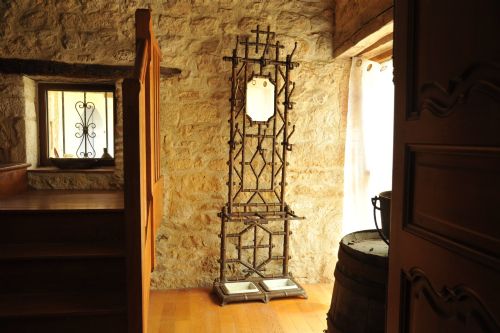
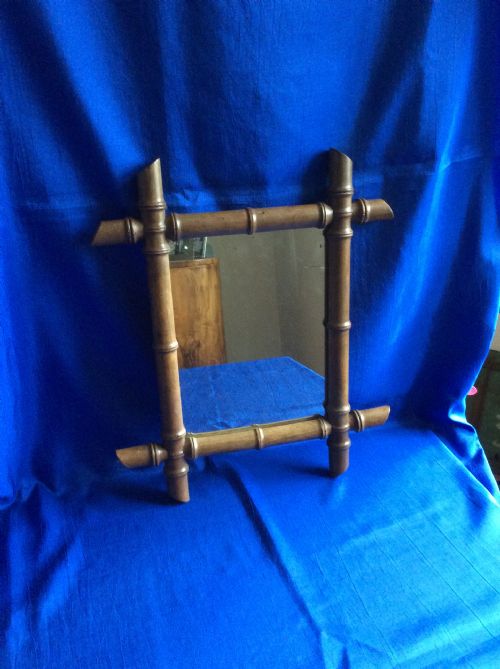
A victorian faux bamboo mirror is a piece of decorative furniture designed to imitate the jointed stems of natural bamboo through carved or moulded woodwork. These mirrors appear in various formats on this page, including wall mirrors, larger cheval glasses, and full hall stands incorporating reflective glass.
Most examples originate from the nineteenth century, spanning periods from the Regency era through to Edwardian times. French Provincial and Aesthetic Movement influences strongly shape the designs seen here, often pairing the simulated cane with timbers such as beech or birdseye maple.
How they were made
Craftsmen built these frames using woods like beech and pine, painstakingly turning or carving the timber to reproduce the characteristic nodes and rings of natural bamboo. Some variants utilise cast iron, particularly in utilitarian items such as hall stands and umbrella holders.
Makers frequently combined the turned woodwork with specialised veneers, applying birdseye maple alongside mirror glass to achieve a polished, decorative finish. This technique required precise woodworking skills to mimic organic asymmetry using rigid materials.
Victorian Faux Bamboo Mirror Retail Price Guide 2026
Typical asking prices for victorian faux bamboo mirror among the pieces listed under this phrase on Sellingantiques today, from the lower quarter to the upper quarter. They describe what is for sale here now, not the wider market.
Victorian craftsmen carved rigid timber to mimic hollow grass so convincingly that guests occasionally reach out to test if the bamboo bends.
What varies in quality
The sophistication of the turning separates simpler pieces from finer examples, with superior items displaying crisper nodes and more convincing organic irregularity. The choice of underlying wood also dictates quality, as figured timbers like birdseye maple demand greater joinery expertise than plain pine.
The clarity and originality of the mirror glass influence the overall desirability of the piece, alongside the preservation of any secondary surface finishes. Integrated forms that combine the mirror with stands or shelving reveal the maker's structural ambition.
The Victorian Faux Bamboo Mirror Glossary
- Faux bamboo
- A decorative technique where wood or metal is carved, turned, or cast to resemble natural bamboo canes. This style enjoyed significant popularity during the nineteenth century.
- Birdseye maple
- A decorative timber figuring resembling small, swirling eyes in the wood grain. Cabinetmakers prized this material for panels and surface highlights.
- Cheval mirror
- A freestanding full-length mirror hung on a vertical frame with pivots. This allows the glass to tilt back and forth.
- Aesthetic Movement
- A late nineteenth-century design movement that emphasised visual beauty over narrative or moral themes. It frequently drew inspiration from Japanese art and decorative forms.
- Hall stand
- A multi-functional piece of hallway furniture combining a mirror, coat hooks, and umbrella storage. Many surviving examples incorporate faux bamboo frames.
Victorian Faux Bamboo Mirror: Frequently Asked Questions
Are these mirrors genuinely old?
The pieces listed originate from the nineteenth and early twentieth centuries, reflecting the manufacturing techniques and material choices of those periods.
Craftsmen produced these items during the height of the faux bamboo fashion, utilising solid woods, cast iron, and period mirror glass.
How do I hang a heavy mirror?
Wall-mounted examples require secure fixings suited to the weight of the timber frame and glass. Professional installation into structural wall studs ensures safe suspension.
Heavier items often benefit from split battens or heavy-duty brackets designed to distribute the load evenly.
Can I place one in a bathroom?
High humidity can affect nineteenth-century wood finishes and vintage mirror glass over time. Placing these pieces in well-ventilated spaces preserves the original materials.
Regular exposure to moisture risks damaging the backing of the mirror and warping the turned wooden nodes.
What styles do they complement?
The organic shapes and light tones suit both traditional period rooms and contemporary eclectic interiors. They pair naturally with botanical themes and other nineteenth-century furnishings.
French Provincial and Aesthetic Movement designs add texture and architectural interest to plain walls.