




Wooden Faux Bamboo Mirror
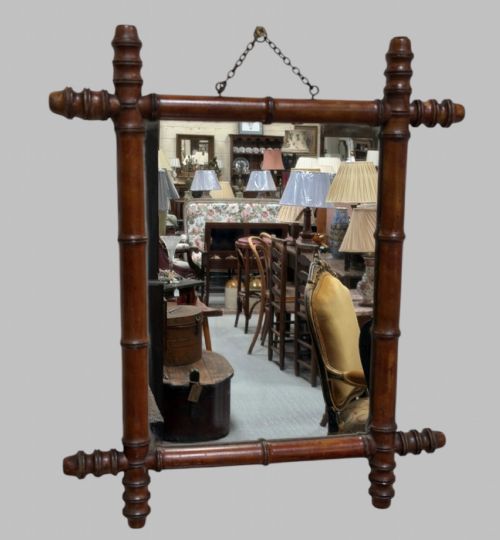
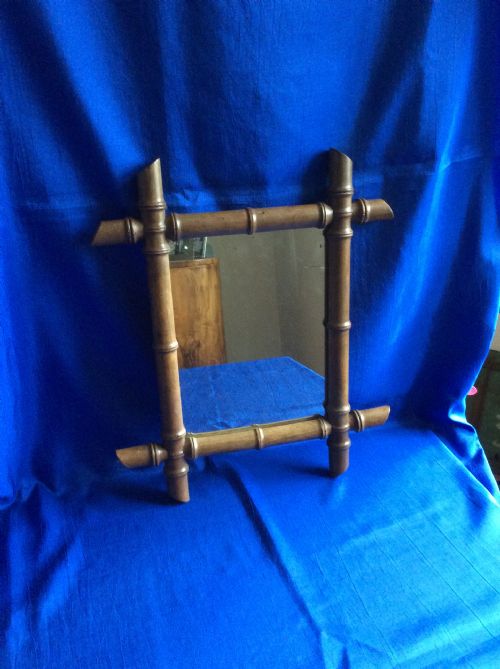
A wooden faux bamboo mirror brings distinctive turned frames and continental charm to a room.
Wooden Faux Bamboo Mirror
When you search for a wooden faux bamboo mirror, you encounter wall mirrors and hall stands shaped to imitate natural cane. These pieces date from the Victorian era, through 1890 and 1900, up to 1910 and the French Art Deco period.
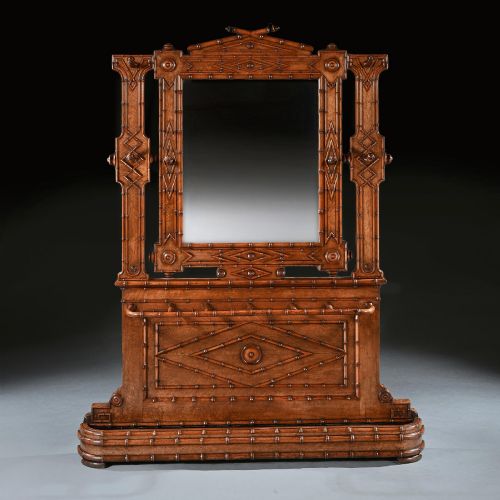
The most common form on this page is the French wall mirror, alongside taller hallstands that incorporate the same turned aesthetic. Styles range from French Provincial and Victorian to the Aesthetic Movement and French Art Deco.
Origins span nineteenth-century France alongside British Victorian workshops, reflecting a European taste for exotic imitation. Each piece demonstrates how makers turned ordinary timber into convincing oriental cane.
How they were made
Makers constructed these frames from wood such as beech and birdseye maple, utilising turned wood techniques to replicate the nodes and rings of natural bamboo. Artisans carved wood and shaped timber meticulously before assembling the structural carcass.
Mirrors incorporated heavy glass and mirror glass plates set securely within the turned wooden channels. Metal components occasionally appeared in structural brackets or backing fixtures on hall stands.
Wooden Faux Bamboo Mirror Retail Price Guide 2026
Typical asking prices for wooden faux bamboo mirror among the pieces listed under this phrase on Sellingantiques today, from the lower quarter to the upper quarter. They describe what is for sale here now, not the wider market.
Listings feature pieces spanning the Victorian period, 1890, 1900, 1910, and French Art Deco.
What varies in quality
Quality rests in the precision of the turning and the choice of timber, where dense woods like birdseye maple elevate a piece above standard beech. The crispness of the simulated nodes and joints dictates how convincingly the frame mimics natural bamboo.
Proportion and scale distinguish finer wall mirrors from simpler utilitarian hall stands. Heavier constructions and sophisticated French styling separate standard regional items from more ambitious decorative examples.
The Wooden Faux Bamboo Mirror Glossary
- Faux bamboo
- A decorative technique where wood is turned and carved to imitate natural bamboo cane. This style gained immense popularity during the nineteenth century across European furniture design.
- Birdseye maple
- A figured timber exhibiting small circular patterns resembling bird's eyes. It was selected by cabinetmakers for high-status decorative frames and panels.
- Aesthetic Movement
- A late nineteenth-century design current emphasising visual beauty over narrative content. It heavily influenced the adoption of Japanese-inspired motifs in European interiors.
- Hall stand
- A tall hallway furnishing combining a mirror, coat hooks, and umbrella stands. Many incorporated storage drawers and decorative turned frames.
Wooden Faux Bamboo Mirror: Frequently Asked Questions
What is a wooden faux bamboo mirror?
A wooden faux bamboo mirror is a looking glass featuring a frame turned to resemble natural cane. These pieces originated during the nineteenth and early twentieth centuries.
They bring distinct texture and organic form to interior spaces. Artisans carved and shaped timber to replicate the segmented joints of bamboo.
How do I date a faux bamboo mirror?
Dating relies on examining the timber species, mirror glass characteristics, and construction methods. Pieces span the Victorian era, 1890, 1900, and 1910.
French provincial and Art Deco examples often exhibit distinct stylistic cues in their proportions. Comparing the turning style to known period pieces helps narrow the origin.
Where were faux bamboo mirrors made?
Many surviving examples originate from France, reflecting strong continental design trends during the nineteenth century. British Victorian workshops also produced similar turned wooden frames.
Imported styles often incorporated local timbers such as beech alongside exotic veneers. Regional preferences influenced whether the piece became a wall mirror or a hallstand.
How do I style a faux bamboo mirror?
These mirrors suit both traditional period rooms and contemporary interiors seeking textural contrast. Hanging a wall mirror above a console table creates a striking focal point.
Larger hall stands function effectively in entrance hallways by combining reflective glass with practical hanging space. The natural wood tones pair well with neutral walls and botanical decor.