

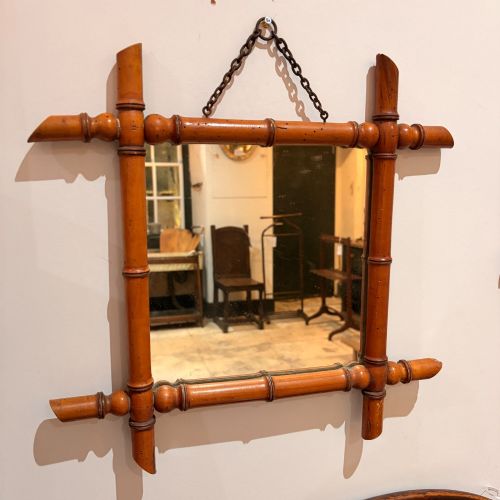
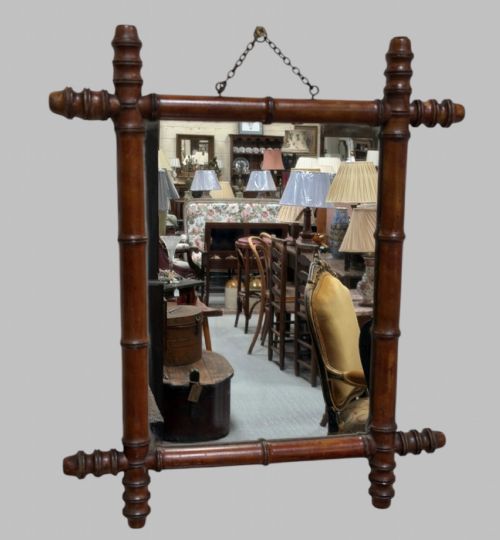
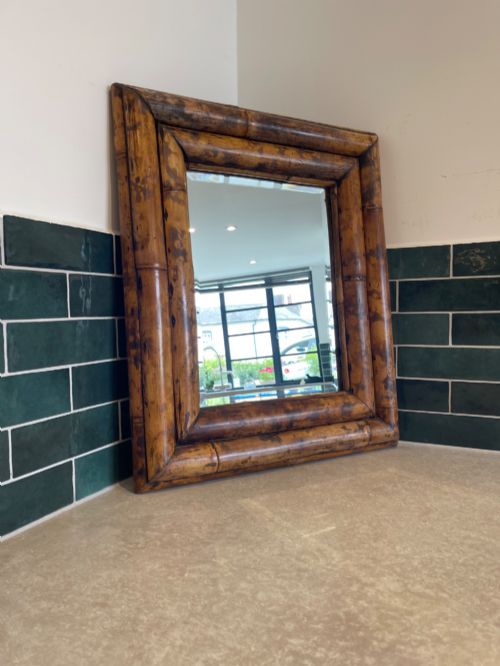

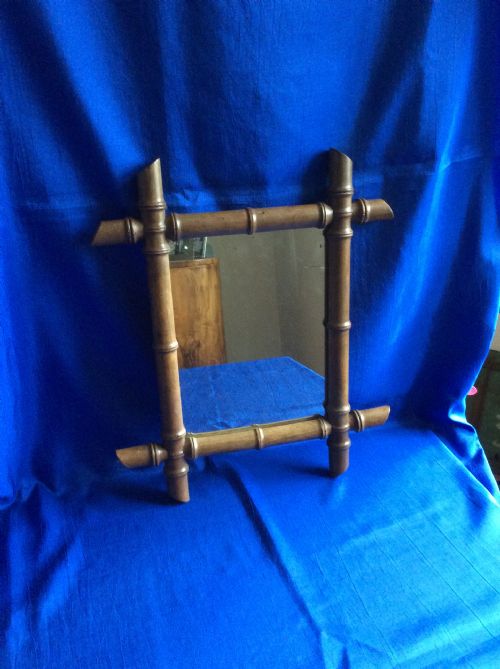


French Bamboo Wall Mirror
A french bamboo wall mirror brings lightness and organic texture to an interior, making these pieces sought after by collectors of nineteenth-century decorative arts.
French Bamboo Wall Mirror
A french bamboo wall mirror is a decorative wall-hanging looking-glass that utilises natural or simulated cane to frame the reflective plate. These pieces frequently appear in styles such as Victorian Aesthetic Movement and French Provincial, reflecting late nineteenth-century tastes.
The versions most commonly met on this page span the late Victorian era up to the nineteen-twenties, incorporating both authentic cane and turned timber fashioned to imitate the plant. Buyers encounter these mirrors in various proportions, from compact hallway items to large statement pieces for a principal room.
How they were made
The construction of these mirrors relies on natural bamboo stems or carved beech and timber shaped into faux bamboo turned sections. Makers joined these botanical or wooden elements to form sturdy frames that support bevelled or flat mirror glass.
Metal components sometimes provide internal structural reinforcement or hanging hardware behind the timber and glass assembly. Artisans utilised traditional joinery to secure the rounded stalks and create stable rectangular or arched wall frames.
French Bamboo Wall Mirror Retail Price Guide 2026
Typical asking prices for french bamboo wall mirror among the pieces listed under this phrase on Sellingantiques today, from the lower quarter to the upper quarter. They describe what is for sale here now, not the wider market.
Listings on this page span the late nineteenth century to nineteen-twenty, featuring materials such as beech, metal, timber, and mirror glass.
What varies in quality
Quality in these mirrors lies in the fidelity of the construction and the crispness of the turned faux bamboo details. Finer examples display meticulous attention to the nodes and joints of the cane, whereas lesser pieces show simpler, uniform shaping.
The condition and clarity of the original mirror glass relative to the integrity of the wooden or cane frame dictate the standing of a piece. Substantial framing timbers and heavy proportions generally separate robust, superior specimens from lighter domestic alternatives.
The French Bamboo Wall Mirror Glossary
- Faux bamboo
- Timber, typically beech, carved and painted to imitate natural bamboo cane. This technique allowed Victorian makers to achieve an exotic look with greater structural durability.
- Aesthetic Movement
- A late nineteenth-century design style emphasising visual beauty over narrative content. Pieces from this movement often incorporate Japanese-inspired bamboo motifs.
- Victorian
- Relating to the reign of Queen Victoria, spanning the nineteenth century. Items from this period frequently display eclectic historical revivals and naturalistic ornamentation.
- French Provincial
- A style inspired by the decorative traditions of French rural regions. It values rustic charm and simpler materials over courtly elaboration.
French Bamboo Wall Mirror: Frequently Asked Questions
How do I hang a heavy bamboo mirror safely?
These mirrors require robust wall fixings due to the combined weight of the timber framing and the glass plate. Secure a heavy-duty bracket directly into wall studs or utilise appropriate masonry plugs.
Ensure the hanging wire or integrated metal loops on the reverse match the weight distribution of the frame. This prevents undue strain on the structural joints of the bamboo.
How do I clean an antique mirror glass?
Apply a mild glass cleaner to a soft microfiber cloth rather than spraying directly onto the surface. This prevents moisture from seeping behind the plate and damaging the silvered backing.
Take care near the edges where the frame meets the glass to avoid loosening historical adhesives or trapping moisture against the wood.
What rooms suit a french bamboo mirror?
The organic texture of these mirrors suits hallways, bedrooms and drawing rooms seeking a touch of nineteenth-century character. Their light visual weight complements botanical prints and eclectic interiors.
Avoid damp environments such as unventilated bathrooms, as humidity degrades both the wooden framing and the historical mirror plate over time.